As conflicts between Iran and neighboring countries intensify, large-scale electronic interference has occurred in the Persian Gulf, causing signals from over a hundred cargo ships to “teleport” inland.
Shipping data around the Strait of Hormuz has recently shown abnormal fluctuations, with a key global energy channel being disrupted by an invisible interference. Multiple monitoring agencies have found that the Automatic Identification System (AIS) is widely distorted in the Persian Gulf region, with navigation information severely deviating from actual locations.
According to Bloomberg and related intelligence agencies, approximately 120 vessels originally located off the coast of the United Arab Emirates are displayed in the system as “appearing” in inland desert areas, with some data even showing these ships moving at speeds exceeding 100 knots. Such signals, which clearly violate actual physical conditions, are referred to in the industry as anomalous positioning phenomena.
The cause of this phenomenon is not equipment failure but external electronic interference. Analysts point out that after Iran’s recent missile and drone operations against neighboring regions, Gulf countries may have activated electronic warfare defense systems. Such systems weaken the positioning capabilities of incoming weapons by interfering with navigation signals, but they also have collateral effects on civilian shipping systems.
Mark Douglas, an analyst at Starboard Maritime Intelligence, stated: “Global shipping data is at the center of a multi-party crossfire. Although the current level of interference has not yet reached the extreme levels seen at the beginning of the war, the recent surge has severely disrupted real-time monitoring of energy flows in the Persian Gulf.”
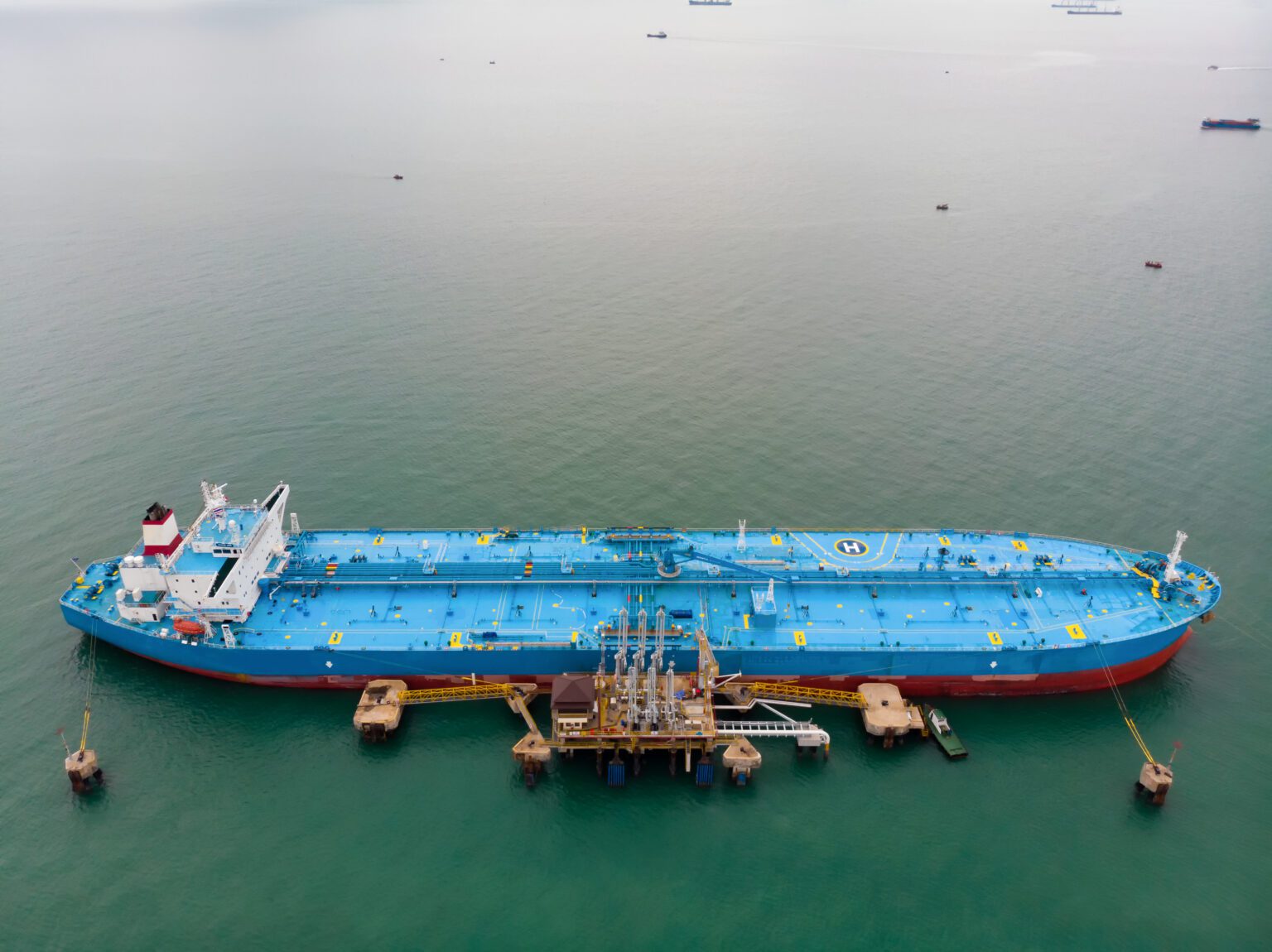
In this environment, some vessels have begun to proactively adjust their behavior to reduce risk. Some oil tankers have chosen to turn off their AIS signals, “disappearing” from public tracking systems; others have altered their routes, adopting more complex navigation paths. While these practices improve safety, they also reduce the transparency of global energy transportation.
The impact on the supply side has already become apparent. As a key node in global energy transport, the Strait of Hormuz currently sees about 20% of liquefied natural gas (LNG) supplies stranded in the Persian Gulf region, unable to be shipped out smoothly. This situation has directly pushed up energy prices in Asia and Europe and triggered natural gas supply tensions in some markets.
Against the backdrop of disrupted transport, individual successful transits have drawn significant attention. A Qatari LNG carrier named “Mihzem” is currently sailing towards Pakistan and is regarded as an important case for testing the current transit environment. The vessel’s ability to depart is related to a special arrangement previously reached between Pakistan and Iran.
If the ship completes its voyage, it will be the second batch of Qatari LNG to successfully traverse the strait since the escalation of the situation at the end of February. Such individual cases are becoming important references for assessing whether the channel has limited recovery capabilities.
Overall, the current situation in the strait is characterized by a coexistence of confrontation and gaming. On one hand, a state resembling a “blockade-counter-blockade” is maintained between the United States and Iran; on the other hand, Asian countries dependent on energy imports are negotiating bilaterally to secure passage space for specific routes.
Shipping tracking information shows that although most routes remain stalled, a small number of Very Large Crude Carriers (VLCCs) were active in the Gulf of Oman on Monday, with destinations concentrated in countries such as Vietnam and Pakistan. These vessels show long, straight-line movements in their tracks, indicating that they turned off positioning signals on certain segments of their voyages.
For Asian economies highly dependent on this channel, maintaining transport under signal interference has become a realistic choice. However, as the intensity of electronic confrontation continues to rise, this model of relying on “low-visibility navigation” is bringing higher uncertainty and cost pressures.
Disclaimer: This article is reproduced for the purpose of conveying more information. If there are errors in the source attribution or infringement of your legitimate rights and interests, please contact this website with the relevant certification documents, and we will promptly correct, delete it. Thank you.