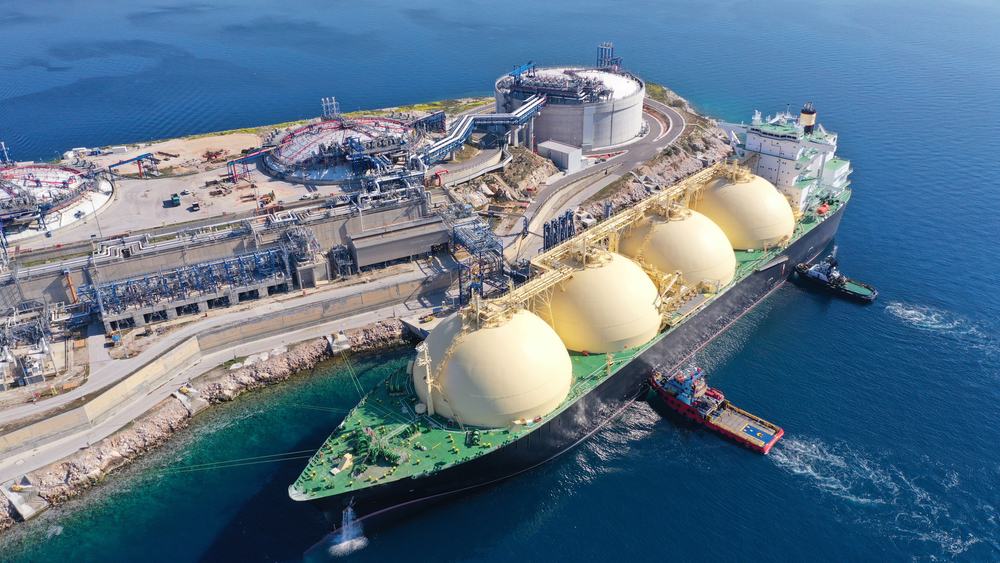
On May 13, HD Hyundai Group’s shipbuilding business holding company HD Korea Shipbuilding & Offshore Engineering announced that it had signed a contract with a North American shipowner for the construction of two LNG carriers.
These two LNG carriers will be built by HD Hyundai Samho, located in Yeongam-gun, South Jeolla Province, and will be delivered sequentially by July 2029. The total contract amount is 748.5 billion KRW (approximately 503 million USD, 3.413 billion RMB), equivalent to a unit price of 253 million USD per vessel.
For reference, data from Clarksons shows that the current price of a 174,000 cubic meter large LNG carrier is 248.5 million USD, a decrease of about 2.5% compared to 255 million USD in the same period last year.
HD Korea Shipbuilding & Offshore Engineering did not disclose the shipowner’s information. According to International Ship Network, this order comes from BW LNG and is an option order for the first two sister ships ordered by BW LNG at the end of last year.
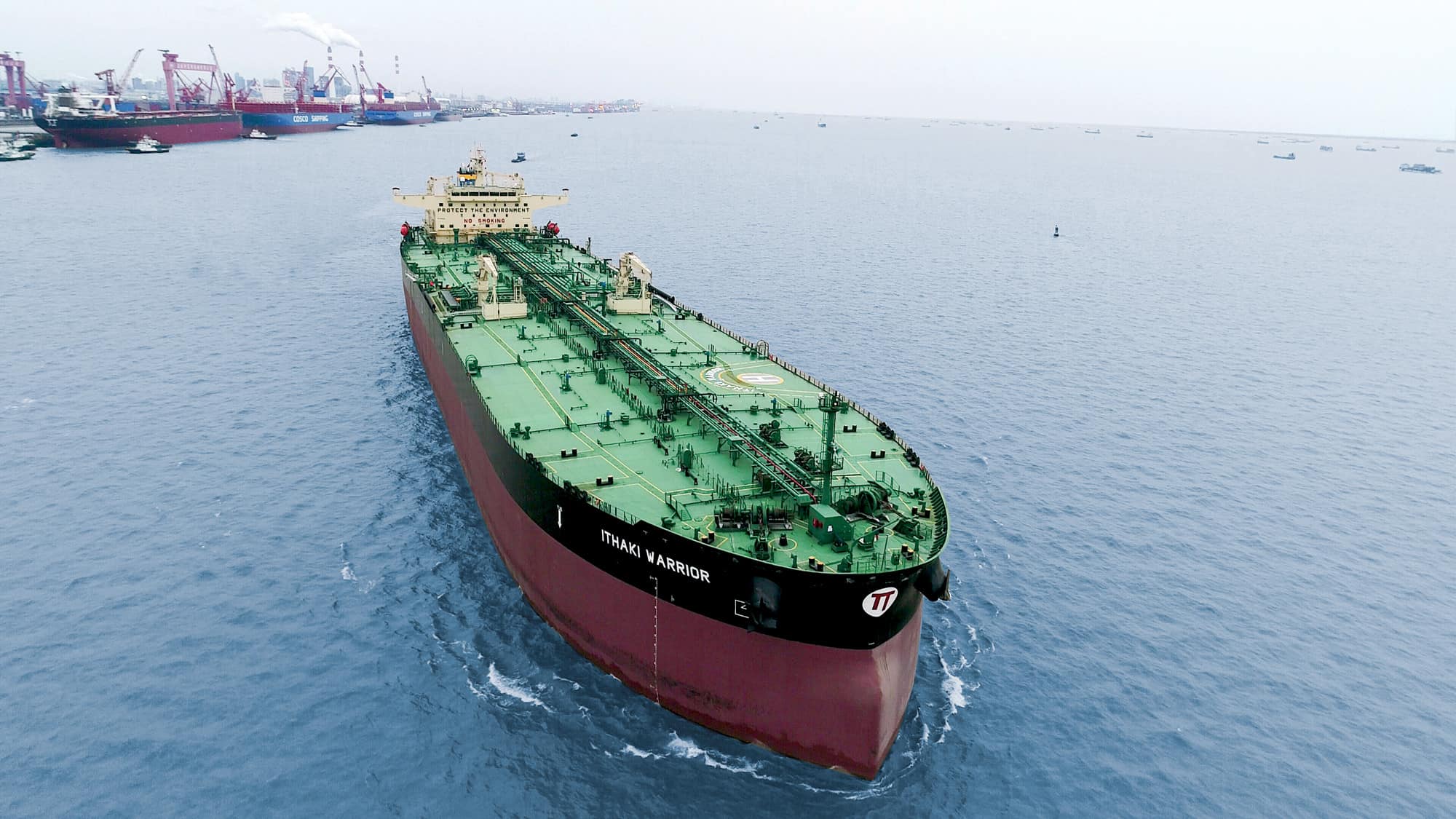
Including the two new vessel orders received this time, HD Korea Shipbuilding & Offshore Engineering has cumulatively secured 96 new ship orders totaling 11.32 billion USD (approximately 76.9 billion RMB) so far this year, achieving 48.6% of its annual order target of 23.31 billion USD. By vessel type, this includes 14 LNG carriers, 26 container ships, 20 ammonia carriers (including 2 liquefied CO2 carriers), 7 crude oil tankers, 26 /chemical tankers, 2 Pure Car and Truck Carriers (PCTC), and 1 dedicated icebreaker.
As of now, the three major South Korean shipbuilders have secured a total of 25 LNG carrier orders this year, including 14 by HD Korea Shipbuilding & Offshore Engineering, 6 by Samsung Heavy Industries, and 5 by Hanwha Ocean. In the whole of last year, the three major South Korean shipbuilders secured a total of 34 LNG carrier orders, with Hanwha Ocean securing 13, Samsung Heavy Industries 11, and HD Korea Shipbuilding & Offshore Engineering 8.
A representative from HD Korea Shipbuilding & Offshore Engineering stated: “In the second half of this year, as bidding for large-scale US LNG projects officially commences, demand for LNG carriers is expected to expand further. Leveraging our competitively advantageous technology, the company will continue its selective order-taking strategy centered on high value-added vessels, focusing on securing orders for high-value-added vessel types such as LNG carriers and VLGCs, while ensuring order volume and profitability.”
The South Korean shipbuilding industry states that with the International Maritime Organization (IMO) promoting new regulations to achieve zero carbon emissions, and with fossil fuel production expected to increase further after Donald Trump assumes the US presidency, this will become a driving force for global shipowners to increase orders for LNG carriers and other vessel types that are mainstays for South Korean shipbuilders.
At the same time, although charter rates for LNG carriers are weak in the short term due to the recent mass delivery of LNG carriers, considering the strengthening of environmental regulations and shipowners’ demands for improved vessel fuel efficiency, the demand for replacing aging LNG carriers is expected to persist in the medium to long term. Furthermore, with the full-scale launch of North American LNG projects and the resumption of the Mozambique LNG project, related transportation demand is expected to increase, keeping global demand for new LNG vessels high.
Therefore, the South Korean industry generally believes that LNG carriers will become the core area for order-taking by South Korean shipbuilders in 2026. Meanwhile, South Korean shipbuilding industry insiders judge that LNG carrier construction prices have entered a recovery phase and will continue to show a gradual upward trend this year.
In particular, the recent blockage incident in the Strait of Hormuz is profoundly impacting the global LNG transportation supply chain. South Korean industry insiders state that due to the obstruction of passage through the Strait of Hormuz and the interruption of LNG production in Qatar, the daily charter rate for LNG carriers has skyrocketed from approximately 40,000 /day to 300,000 /day, an increase of 650%. LNG traders, in order to lock in limited shipping capacity, are competing to sign spot or short-term charters, pushing up shipowner revenue expectations, which is expected to accelerate newbuilding order decisions. At the same time, influenced by the uncertainty of US policies towards Chinese shipbuilding (such as port fees, tariffs), shipowners may be more inclined to choose South Korean shipyards for building LNG carriers.
Additionally, due to the increased risk of LNG supply from the Middle East, Europe, Japan, and South Korea will accelerate the signing of long-term LNG supply agreements with countries such as the US, Canada, and Africa, promoting the accelerated implementation of non-Middle East LNG projects. These new projects will also drive demand for new vessels. It is estimated that from 2026 to 2030, 180 million tons per year of new LNG production capacity will come online globally. If part of this shifts to non-Middle East sources, it will continuously drive the expansion of the LNG carrier fleet. This will significantly boost the LNG carrier construction market, particularly benefiting the South Korean shipbuilding industry, and may reshape the global LNG carrier order landscape.