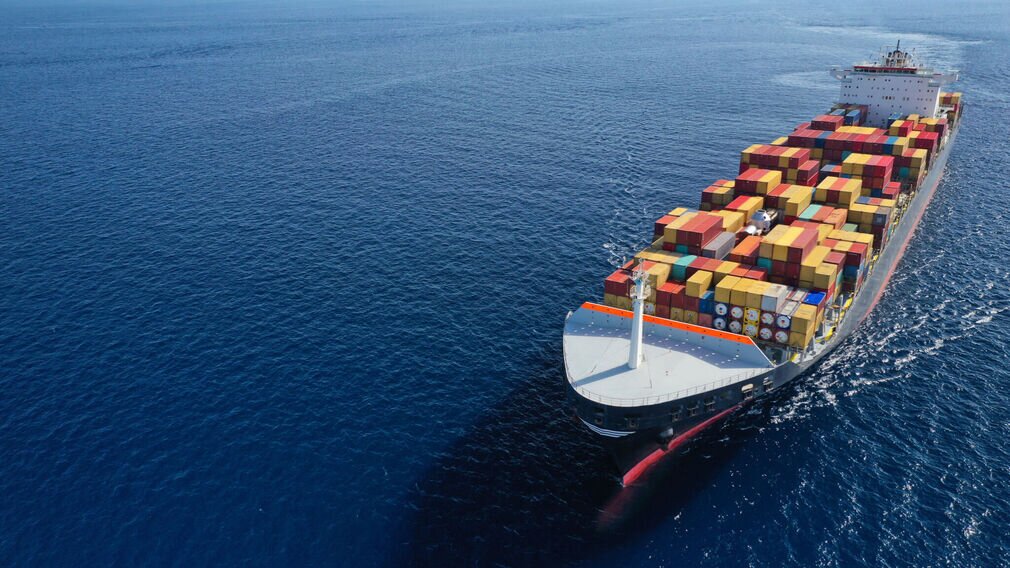
A ship was reported seized by Iranian personnel off the United Arab Emirates and headed for Iranian waters on Thursday while the White House said U.S. President Donald Trump and Chinese President Xi Jinping had agreed on the need to keep the nearby Strait of Hormuz shipping lane open.
China is close to Iran and is the main buyer of its oil. Iran has largely shut the strait to ships apart from its own since the U.S.-Israeli war on Iran began on February 28, causing the biggest-ever disruption to global energy supplies.
The U.S. paused its attacks on Iran last month but added a blockade of the country’s ports.
In the latest incidents on the trade route, an Indian cargo vessel carrying livestock from Africa to the United Arab Emirates was sunk on Wednesday in waters off the coast of Oman.
India condemned the attack and said all 14 crew members had been rescued by the Omani coast guard. Vanguard, a Britishmaritimesecurity advisory firm, said the vessel was believed to have been hit by a missile or drone which caused an explosion.
Separately, Britishmaritimesecurity agency UKMTO reported on Thursday that “unauthorised personnel” had boarded a ship anchored off the coast of the United Arab Emirates port of Fujairah, and were steering it towards Iran.
Vanguard said a company security officer had reported that “the vessel was taken by Iranian personnel while at anchor.”
After talks between Trump and Xi on Thursday, the White House said the leaders had agreed that the strait should be open and that Xi made clear China’s opposition to the militarization of the strait and any effort to charge a toll for its use.
He also expressed interest in purchasing more American oil to reduce China’s future dependence on the strait and the leaders agreed that Iran should never obtain nuclear weapons, the readout said.
DIPLOMACY ON HOLD
Trump is keen to elicit Chinese support to end a war that has become an electoral liability as it drags on towards key U.S. midterm elections in November. But analysts doubt Xi will be willing to push Iran hard or end support for its military, given its value as a strategic counterweight to the U.S.
In an interview with CNBC from Beijing, U.S. Treasury Secretary Scott Bessent said he believed China would “do what they can” to help open the strait,something”very much in their interest.” Before the war, about a fifth of global oil and liquefied natural gas supplies passed through the waterway.
But diplomacy has been on hold since last week when Iran and the U.S. each rejected the other’s most recent proposals.
Fujairah is the UAE’s sole oil port,on the Gulf of Oman just outside the Strait of Hormuz, and enables some shipments to reach markets without passing through the chokepoint. Iran included that part of the coast on an expanded map it released last week of waters it claimed were under its control.
Still, Iran appears to be making more deals with countries to allow some ships to pass through the strait – if they accept Tehran’s terms.
A Japanese tanker crossed on Wednesday after Japan’s prime minister announced that she had requested help from the Iranian president.
A huge Chinese tanker also crossed on Wednesday, and Iran’s Fars news agency reported on Thursday that an agreement had been reached to let some Chinese ships pass.
Iran’s Revolutionary Guards said 30 vessels had crossed since Wednesday evening, still far short of 140 that were typical daily before the war, but a substantial increase if confirmed.
According to shipping analytics firm Kpler, some 10 ships had sailed through the strait in the past 24 hours, against five to seven that have crossed daily in recent weeks.
Iran’s Judiciary Spokesperson Asghar Jahangir said the seizure of “U.S. tankers” violating Iranian regulations was being carried out under domestic and international law.
IRAN’S THREAT ‘SIGNIFICANTLY DEGRADED’
Thousands of Iranians were killed in the U.S. and Israeli airstrikes in the first weeks of the war, and thousands more have been killed in Lebanon since the war reignited fighting between Israel and the Iran-backed group Hezbollah.
Lebanese and Israeli envoys were meeting with U.S. officials in Washington on Thursday in efforts to end those hostilities.
Trump said his aims in starting the war were to destroy Iran’s nuclear program, end its ability to attack neighbours and make it easier for Iranians to overthrow their government.
A senior U.S. admiral told a U.S. Senate committee on Thursday Iran’s ability to threaten its neighbours and U.S. regional interests had been “significantly degraded”.
“They no longer threaten regional partners, or the United States, in ways that they were able to do before, across every domain,” Admiral Brad Cooper said.
But Cooper declined to directly address reports by Reuters and other news organizations that Iran had retained significant missile and drone capabilities.
Iran’s rulers, who used force to put down anti-government protests at the start of the year, have faced no organised opposition since the war began. And their closure of the strait has given them additional leverage in negotiations.
Washington wants Tehran to hand over the uranium and forgo further enrichment. Iran is seeking the lifting of sanctions, reparations for war damage and acknowledgment of its control over the strait.
Trump wants China’s help on Iran. Beijing may have other ideas Read full story
Saudi warplanes struck militias in Iraq during war, sources say Read full story
Airlines tackle fuel cost surge with price hikes, outlook cuts Read full story
(Reuters)