The government will invest up to 525 billion won over five years to strengthen shipbuilding competitiveness and secure core technologies for seven types of vessels, including LNG carriers and ammonia carriers. Additionally, it will invest 1 trillion won by 2030 to secure an Artificial Intelligence (AI) shipyard capable of operating 24 hours a day. Furthermore, measures to maintain essential vessel production capacity will be pursued, such as having the public sector place orders for resource and energy vessels that have a significant impact on industrial security.
The Ministry of Trade, Industry and Energy held the ‘K-Shipbuilding Future Vision Forum’ on the afternoon of May 13 at the Hyundai Hotel in Ulsan to discuss strategies for leading the future shipbuilding market through strengthening the core of K-Shipbuilding and building a co-prosperity ecosystem.
At the forum, all members of the shipbuilding ecosystem, including large, medium, and small shipbuilders, internal and external partner companies, equipment manufacturers, workers, and financial institutions, gathered to deliberate on the future of K-Shipbuilding.
Prior to the discussion, Minister of Trade, Industry and Energy Kim Jeong-gwan announced the ‘K-Shipbuilding Future Vision: With Everyone’s Strength, Toward a Greater Future,’ and revealed a vision to continue making K-Shipbuilding a global leader through three major strategies:
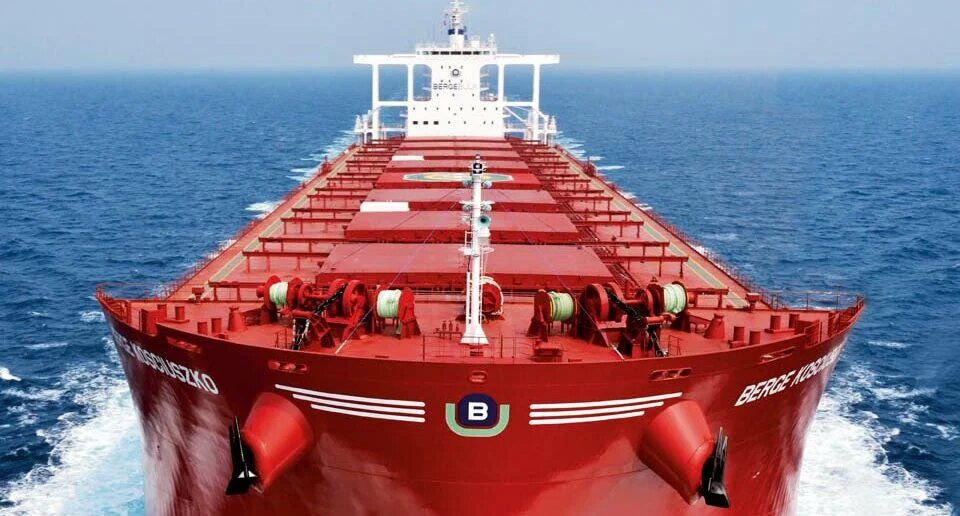
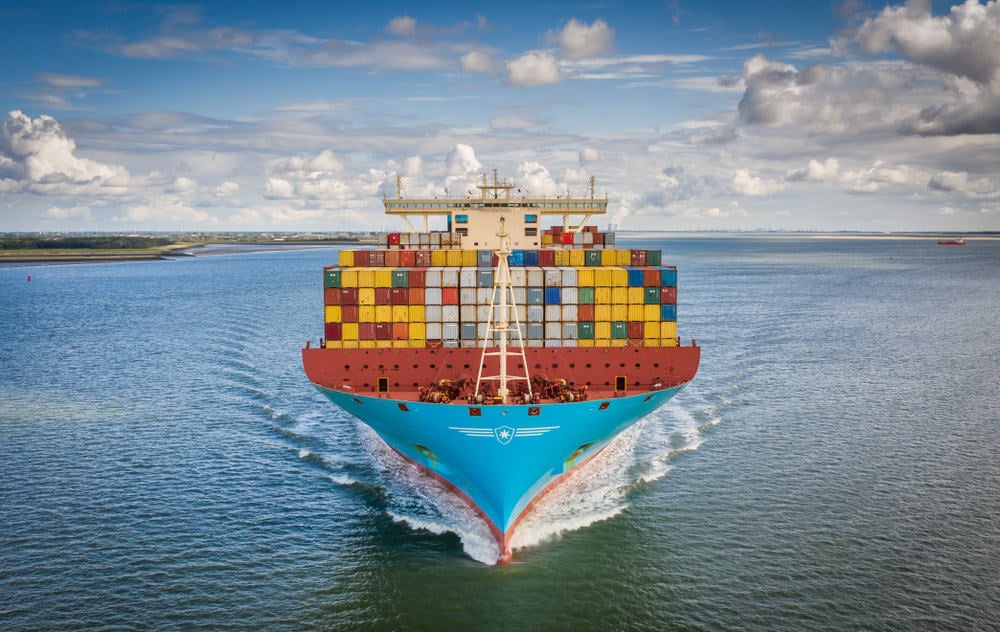
First, the plan is to promote domestic orders for essential vessels. As domestic shipbuilders focus on high-value-added selective orders, a situation has arisen where there is a reliance on foreign countries for vessels essential for transporting security-related materials, such as car carriers, bulk carriers, and small container ships.
In response, the shipbuilding and shipping industries launched the ‘Shipbuilding-Shipping Co-prosperity Council’ on April 28 and agreed to strengthen the strategic linkage between the two industries, including joint orders by shipping companies.
In particular, the government plans to specify related measures to enable the public sector to prioritize placing domestic orders for resource and energy-related vessels, such as LNG carriers and offshore wind farm support vessels.
The ‘7 Star-Ship Project’ will also be implemented. Up to 525 billion won will be invested over five years to secure core technologies for seven types of vessels that will become future growth engines for our shipbuilding industry. For vessels such as LNG carriers, ammonia carriers, hydrogen carriers, and liquefied CO2 carriers, the focus will be on securing cargo containment system technology specialized for each vessel type.
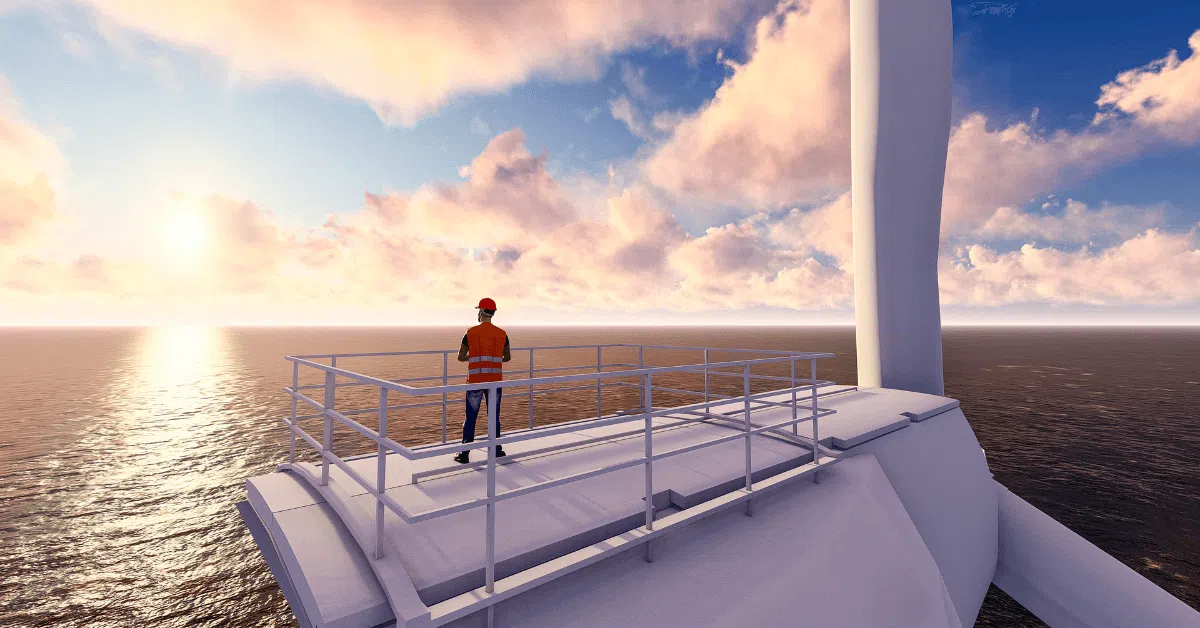
In particular, for LNG cargo containment systems, as technology demonstration has been completed for small vessels, demonstration for large vessels (174K and above) will also be pursued expeditiously. For electric propulsion ships, another type of eco-friendly vessel, an R&D project will be promoted to achieve self-reliance in large-scale propulsion technology. For offshore wind farm support vessels and polar icebreakers, which are expected to present opportunities with the expansion of renewable energy and the opening of the Arctic route, the development of a Korean-style proprietary model will be supported.
Artificial Intelligence (AI) will also be expanded across the board. By 2030, approximately 1 trillion won will be invested jointly by the public and private sectors to pursue the world’s first AI shipyard project capable of 24-hour autonomous operation.
The goal is to develop and widely apply automation technology using AI across all shipyard processes, including design, production, and operation, to increase shipyard productivity by up to 50% for each process.
Furthermore, up to 630 billion won will be invested over seven years starting this year to collect real-ship operational data essential for developing autonomous vessels and use it to develop fully autonomous navigation technology at IMO Level 4.
The government plans to identify corporate technology demands, centering on the autonomous navigation subcommittee of the M.AX Alliance, in which 47 organizations including shipbuilders and shipping companies are participating. It also intends to reflect the linkage of R&D-developed technologies to international standards like IMO from the planning stage.
The plan is to proactively apply special exemptions by actively utilizing the regulatory sandbox system for unclear regulations, such as those concerning data collection and the use of location information.
To expand the market, a ‘Shipbuilding Alliance’ will be established with countries highly interested in shipbuilding cooperation with Korea, such as India. India, Vietnam, the Philippines, and Saudi Arabia are countries with great interest in shipbuilding cooperation with Korea and a strong will to foster their own shipbuilding industries.
The plan is to have our companies strategically enter these countries to transfer the know-how accumulated by our shipbuilding industry—such as shipyard construction, training skilled personnel, and productivity diagnosis—thereby building a ‘Shipbuilding Alliance’ that inherits the technology of K-Shipbuilding.
Meanwhile, the MASGA project, which became a breakthrough in the Korea-U.S. tariff negotiations last August, will focus on discovering tangible cooperative outcomes this year.
The government plans to cooperate in rebuilding the foundation of the U.S. shipbuilding industry, including shipyards, workforce, and productivity, while also discovering various opportunities that can feed back into our shipbuilding orders and equipment exports. Based on the MOU signed between the Ministry of Trade, Industry and Energy and the Department of Commerce on May 9, the government plans to accelerate the creation of results by communicating closely with the U.S. side through the ‘Korea-U.S. Shipbuilding Cooperation Center’ to be established soon.
Minister of Trade, Industry and Energy Kim Jeong-gwan stated, “Just like the secret to victory in the Battle of Hansan Island over 400 years ago, now is the time for our K-Shipbuilding to equip itself with a solid home base, innovative strategies, and a strong state of readiness amid the global competition for orders.” He added, “The government will provide active support to open a greater future for K-Shipbuilding by implementing the 10 tasks promised today expeditiously.”
Source: Business Korea