/Agencia Anadolu
In the southwestern city of Gwadar, Pakistan, a thick layer of crude oil – likely spilled from vessels hit by US and Iranian attacks in and around the Strait of Hormuz – has covered a vast stretch of the coast, posing a serious threat to marine life and local fishing communities.
Government authorities and marine biologists are still trying to determine the exact cause and origin of the hydrocarbon spill, focusing on three possibilities, all linked to the war between the US and Iran.
According to Abdul Rahim, a marine scientist associated with the Gwadar Development Authority, the spilled oil may have reached the coast of Gwadar via a key shipping route in the Arabian Sea, about 200 nautical miles from Pakistan’s coastline, which is connected to the Strait of Hormuz.
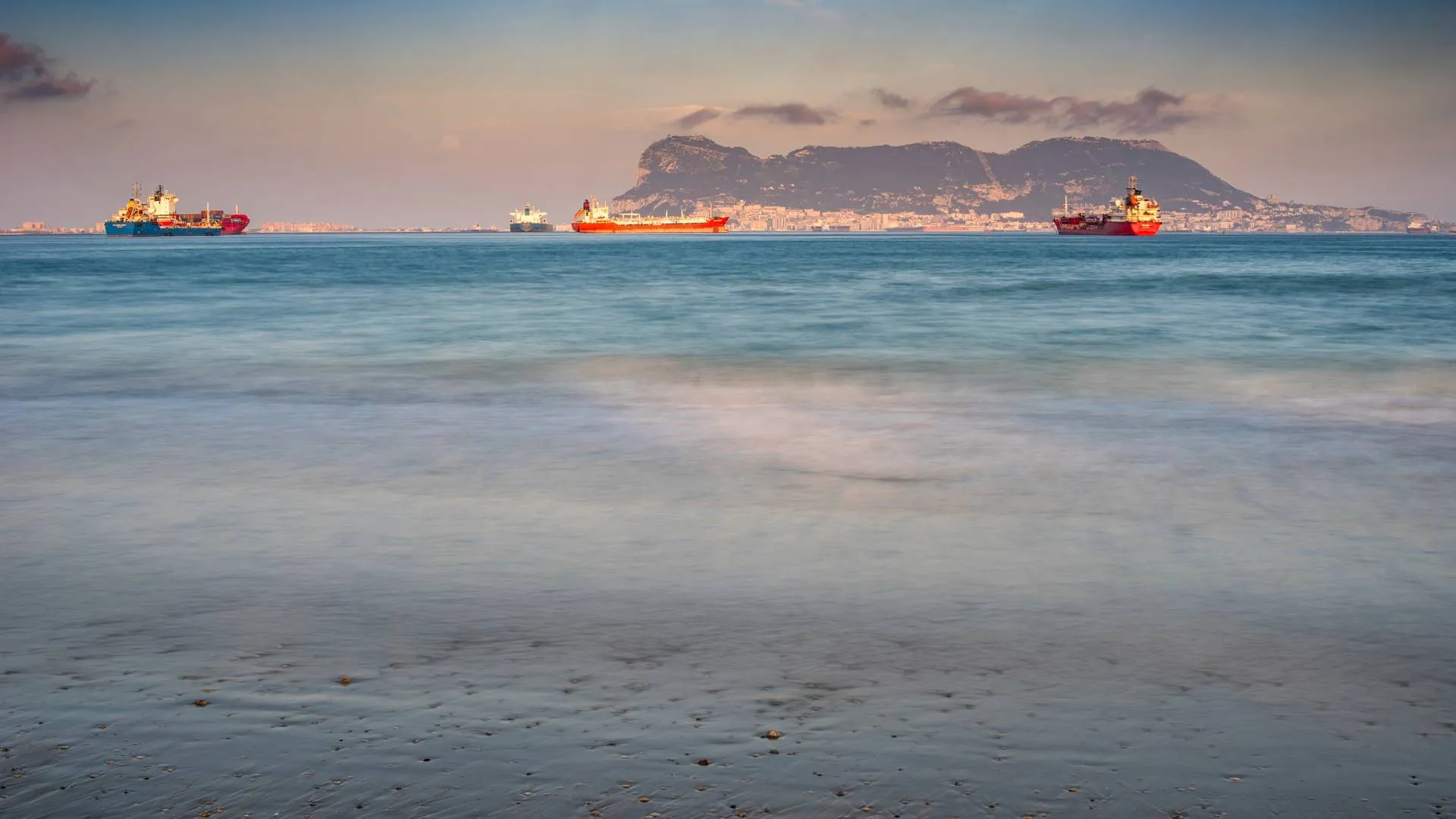
The second possibility, as he told Anadolu, could be leakage from tanker vessels that attempted to cross the Strait of Hormuz and were targeted by US or Iranian forces.
The third origin could be Kharg Island, Iran’s main oil export hub, which was bombed by the United States and Israel.
“We have collected water and sand samples to trace the possible source of the oil spill and its impact on the marine environment through carbon monitoring and remote sensing,” Rahim said.
The professional added that the oil layer has covered a 20-kilometer stretch of Gwadar’s west coast. Results are expected this week. According to him, westerly winds, combined with sea currents, have pushed the spilled fuel toward the Gwadar coast.
Sharing a similar opinion, Muhammad Asghar, a senior official from the Balochistan Department of Environment and Climate Change, stated that an investigation is underway to uncover the actual source of the spill, without ruling out the possibility that it is linked to the recent hostilities in the Strait of Hormuz.
“Every factor is being investigated. It could be the war between the US and Iran or the informal oil trade with Iran,” he said, referring to the illegal smuggling of petroleum products from Iran into Balochistan that has been ongoing for decades.
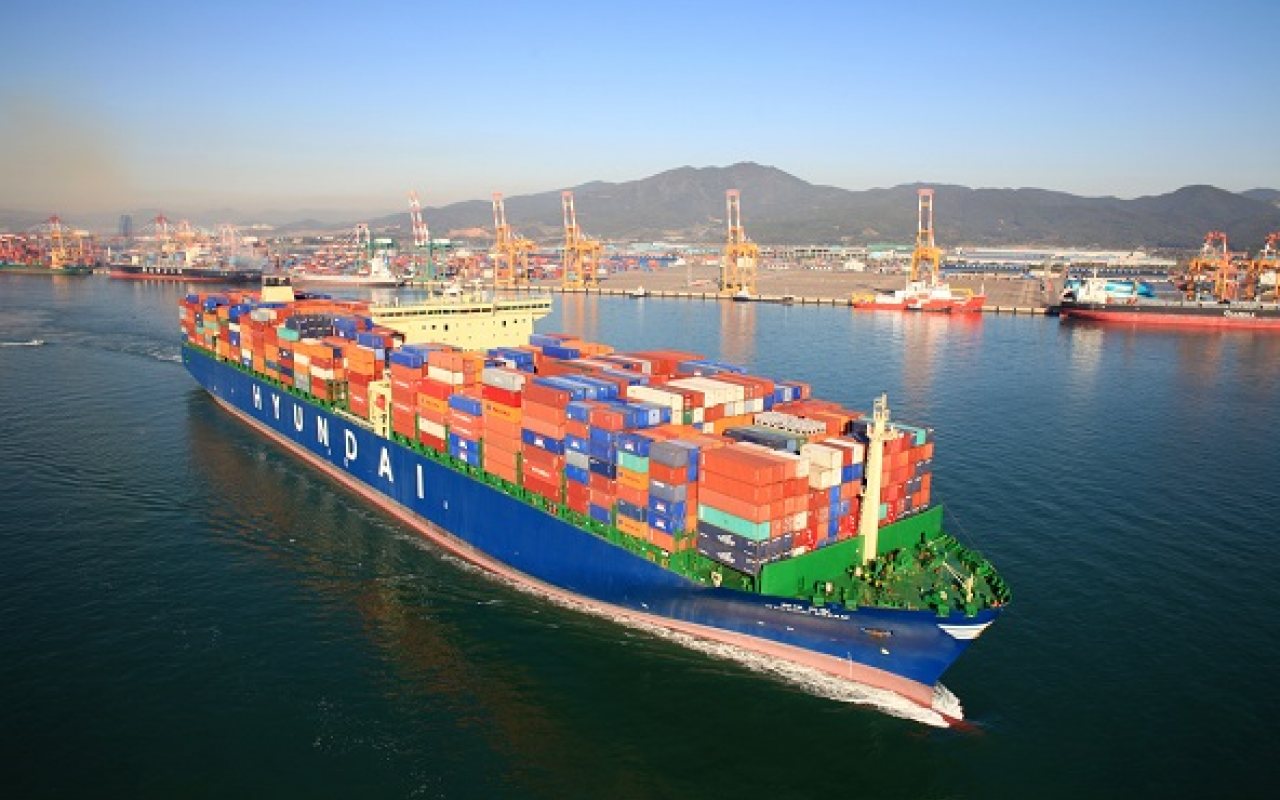
The Strait of Hormuz has been reopened to commercial shipping after being virtually restricted for several weeks amid the conflict between the United States and Iran.
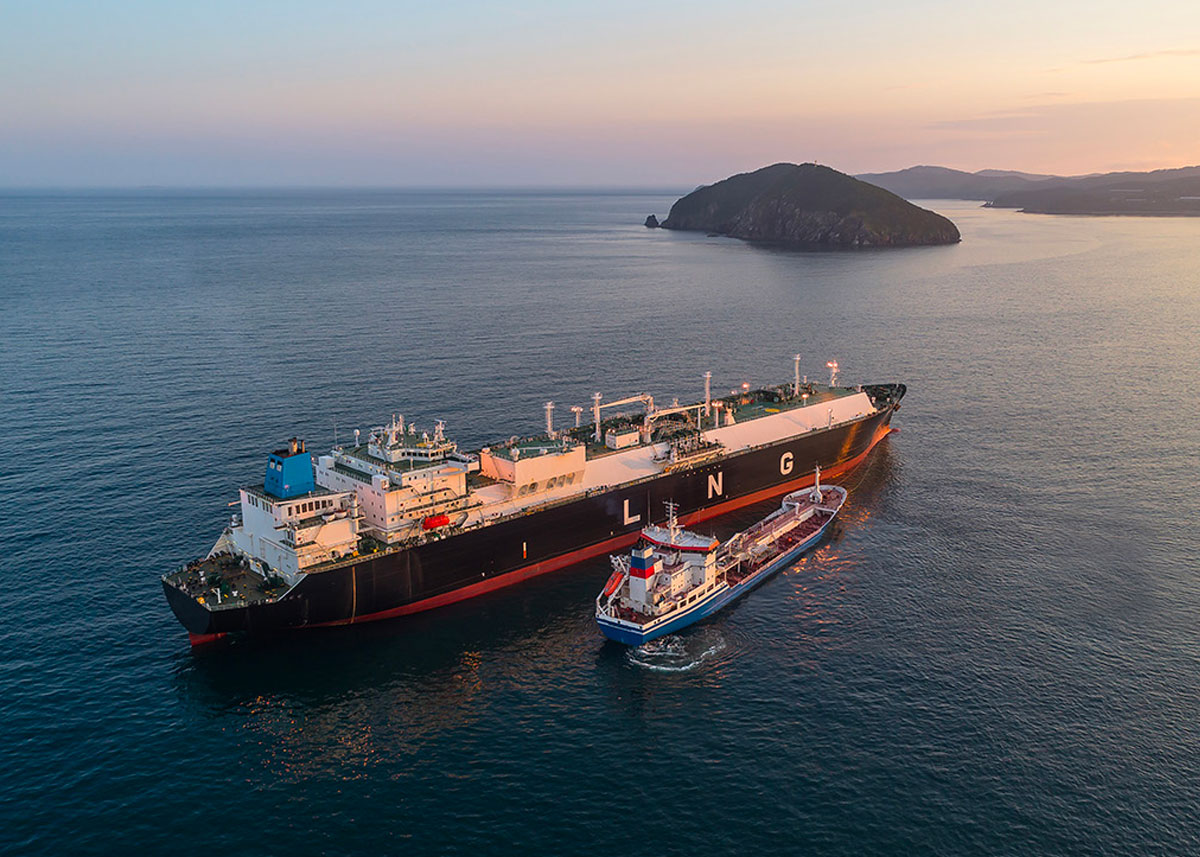
The narrow waterway, through which roughly one-fifth of global trade in oil and liquefied natural gas (LNG) normally passes, had suffered severe maritime traffic disruptions during the escalation.
Demand for cheaper smuggled Iranian oil has increased in recent months as a result of the disruption of crude flows following the US and Israel’s war against Iran.
Gwadar is a key route of the Belt and Road Initiative, a multi-billion dollar project that seeks to connect China with Central Asia and Europe through a network of roads, railways, and pipelines for transporting cargo, oil, and gas.
With its 600-kilometer coastline, Gwadar is an important deep-sea port currently operated by China.
Rahim explained that a cleanup operation is underway to clear the coast, but warned that the oil accumulation could leave long-term impacts on marine life.
“In fact, the impact is already noticeable,” he stated, adding that authorities have so far found at least four dead green sea turtles, an endangered species.
Supporting this stance, Rafi-ul-Haq, an ecologist based in Karachi, pointed out that the oil slick, which marks the beginning of a “transboundary ecological crisis,” is extremely harmful to marine fauna and acts as a poison for the ecosystem.
In statements to Anadolu, he stated that the slick could increase marine mortality rates, especially among hatchlings struggling to reach the sea and regulate their body temperature.
“While the immediate ecological damage of the war, which has already disrupted the global oil supply, is localized around the Persian Gulf, its long-term impacts spread outward through shared ocean currents, atmospheric pathways, and climate systems,” Haq explained.
“Pakistan will continue to pay the silent ecological price of a war it is not fighting, as environmental security in the northern Arabian Sea is inextricably linked to geopolitical stability in the Persian Gulf,” he stated.
He recalled that the southwestern Makran coast, which includes Gwadar, faced a similar crisis during the Gulf War in the 1990s. “The environmental devastation caused by the burning and dumping of millions of barrels of oil into the Persian Gulf did not remain contained, but moved eastward, severely affecting the Makran coast,” he said.
The International Maritime Organization (IMO) warned that attacks on ships could cause large-scale marine pollution, such as oil spills, harmful and potentially dangerous substances, as well as toxic residues from missiles, drones, fires, and explosions.
“We are aware of the reports, but we cannot confirm the source of the pollution at this time, nor whether it is linked to the incidents in and around the Strait of Hormuz,” an IMO spokesperson told Anadolu.