The former “world’s fifth-largest shipyard” has received its first VLCC order, officially returning to the newbuilding market seven years after declaring bankruptcy.
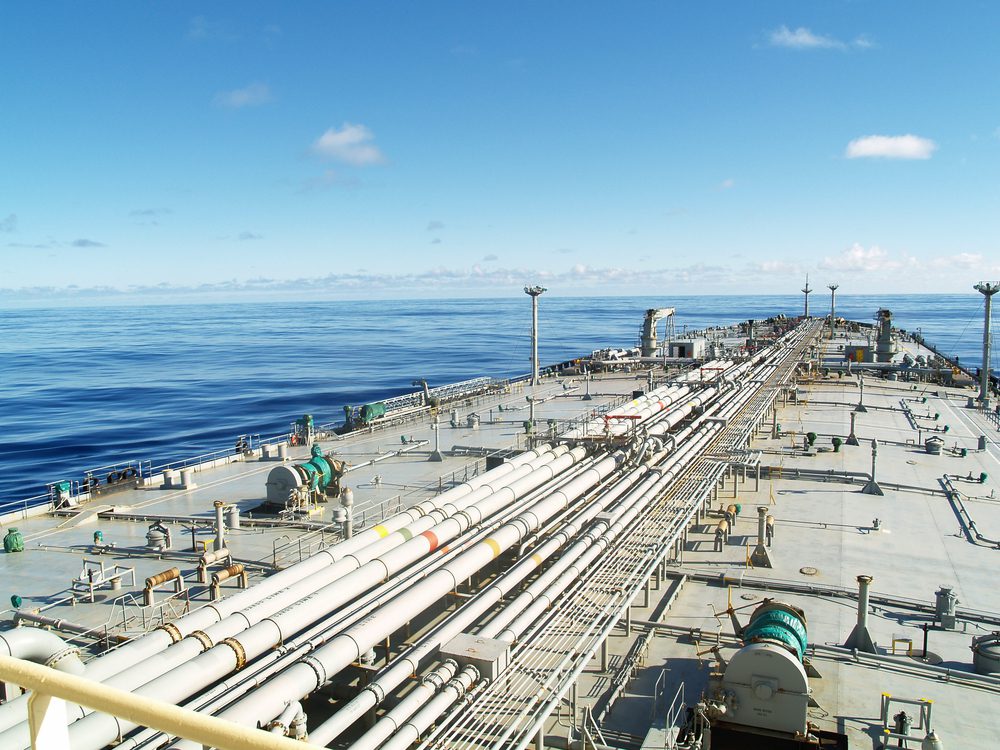
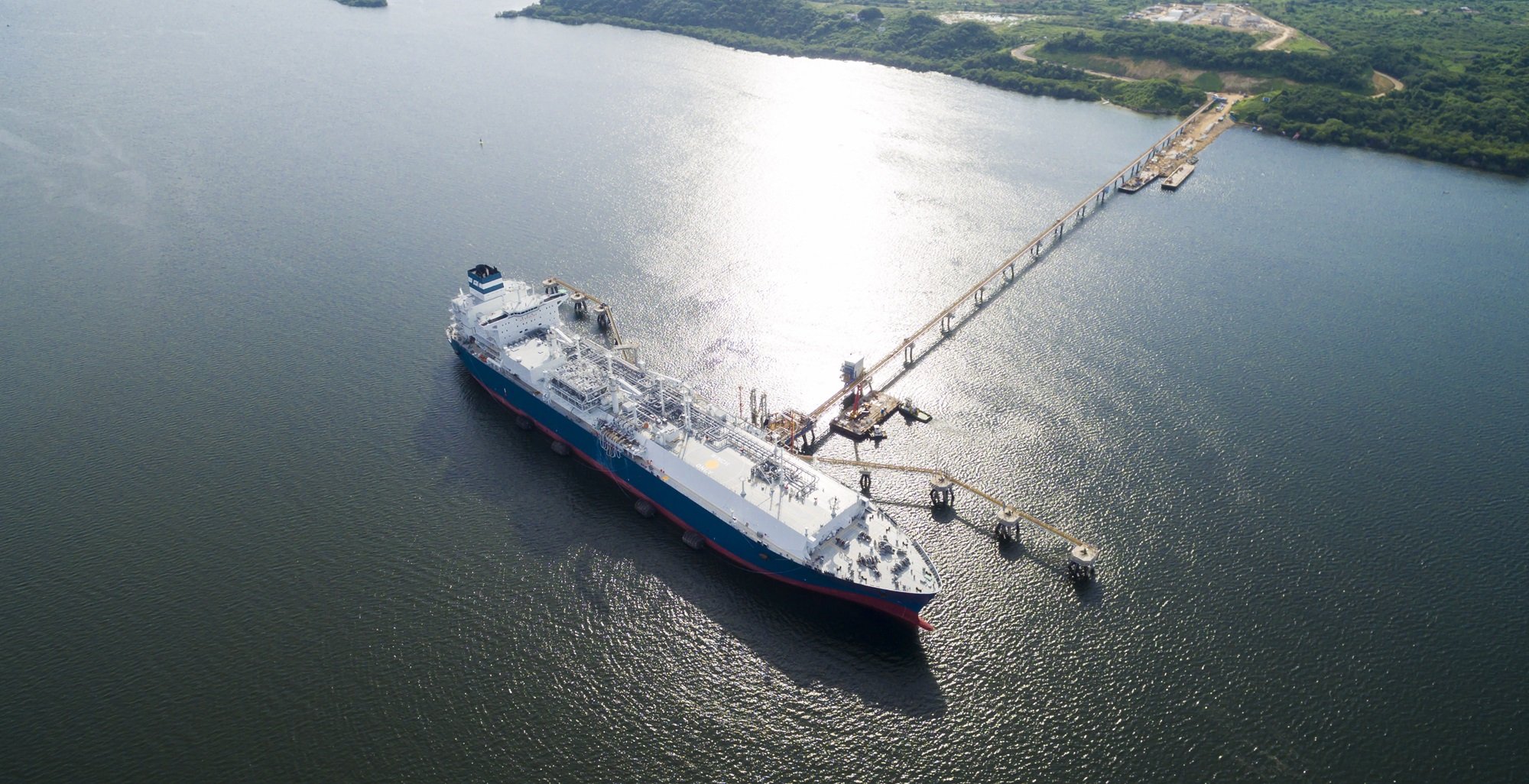
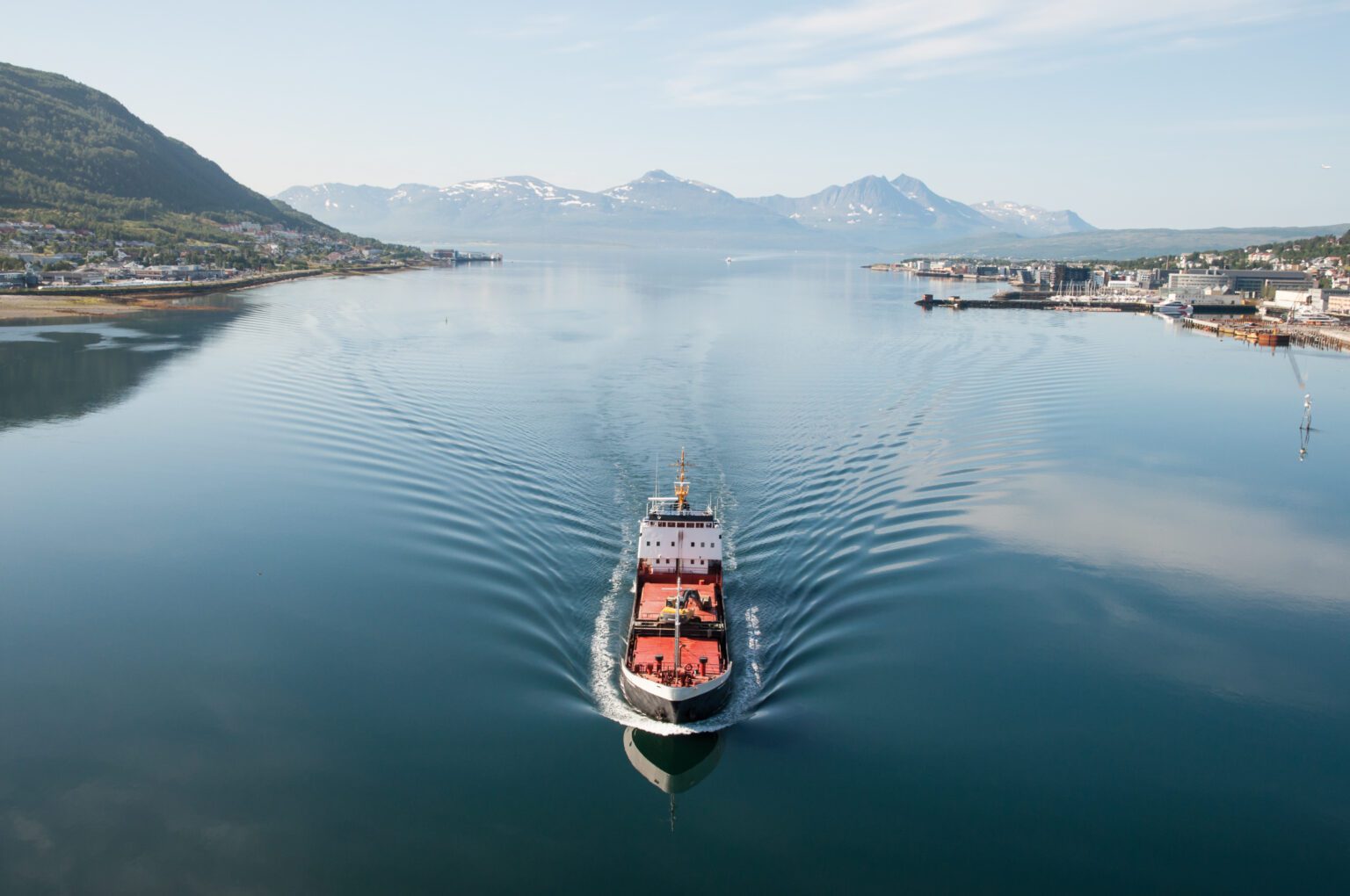
It is reported that Hong Kong-based Korean shipowner Cido Shipping recently placed an order with HD Hyundai for four 300,000 DWT VLCCs. The new vessels will be built at HD Hyundai Heavy Industries’ Philippines shipyard in Subic Bay, with delivery scheduled between 2029 and 2030.
Industry insiders point out that since the contract was negotiated directly between the shipowner and the shipyard, market information disclosed is limited. However, market rumors suggest that the unit price for each VLCC is approximately USD 130 million, with the total transaction value around USD 520 million (approximately RMB 3.535 billion).
For reference, Clarksons data shows that the current newbuilding price for a 315,000-320,000 DWT conventional fuel VLCC is approximately USD 130.5 million (approximately RMB 883 million), the highest level since USD 132 million in March 2009.
This is Cido’s first VLCC order in recent years. It is understood that the company’s last VLCC order dates back to 2020, when it ordered two 300,000 DWT tankers, “Melody Hope” and “Morning Hope,” from HD Hyundai Heavy Industries. Both vessels were delivered in 2022 and remain in operation within the company’s fleet.
This order is also HD Hyundai’s first VLCC newbuilding contract this year. According to Clarksons data, global VLCC newbuilding orders so far this year total 147 vessels, a record high, with almost all of these orders undertaken by Chinese shipbuilders; Korean shipbuilders have secured only 18 vessels, including 14 from Hanwha Ocean and 4 from HD Hyundai.
This signing also marks HD Hyundai Heavy Industries’ Philippines shipyard’s return to VLCC orders since 2014. In 2014, the shipyard’s predecessor, Hanjin Heavy Industries’ Subic Shipyard, undertook four VLCCs, which were delivered between 2017 and 2018.
It is understood that the Subic Shipyard, located in Subic Bay, 110 kilometers northwest of the Philippine capital Manila, was built by Hanjin Heavy Industries (now HJ Heavy Industries) in 2006. It was once the world’s fifth-largest shipyard, featuring an ultra-large dry dock measuring 550 meters long and 135 meters wide, capable of building two 20,000 TEU-class container ships simultaneously. Before its bankruptcy and closure in February 2019, the shipyard had built a total of 123 large container ships, bulk carriers, and crude oil tankers. Affected by the downturn in the global shipbuilding cycle, the shipyard eventually ceased operations.
In April 2022, U.S. private equity firm Cerberus Capital Management (CCM) acquired the Subic Shipyard from Hanjin Heavy Industries for USD 300 million, obtaining a 50-year lease on 300 hectares of the shipyard’s land. This transaction was also the largest public-private partnership in the 75-year history of U.S.-Philippines relations. Currently, part of the base is being used as facilities for the Philippine Navy.
To expand its offshore wind power business, HD Hyundai signed a lease agreement with CCM in May 2024 for part of the land and facilities at the Subic Shipyard, and jointly announced future operational plans, aiming to develop it into a key overseas production base.
According to the plan, HD Hyundai has committed to investing approximately USD 550 million over the next 10 years to build the Subic base into an overseas outpost for “K-Shipbuilding,” officially commencing operations in January 2026, with an expected creation of approximately 7,000 jobs within 3 to 5 years.
The base will be developed into a comprehensive maritime complex encompassing offshore wind power foundation structure manufacturing, hull block construction, and ship repair. Leveraging the Philippines’ geographical advantage as a core region for Asia-Pacific offshore wind power growth from 2030 to 2050, it will also serve as a wind power equipment manufacturing base.
Korean industry insiders analyze that by utilizing overseas shipyards for the complete construction of standard vessel types, HD Hyundai aims to enhance its price competitiveness against Chinese shipbuilders. For a long time, Korean shipyards have primarily focused on the high-value-added large vessel segment.
In September last year, the first vessel built by HD Hyundai Heavy Industries’ Philippines shipyard—a 115,000 DWT Aframax tanker—held a steel cutting ceremony, marking the official restart of full vessel construction at the Subic Shipyard. Philippine President Ferdinand Marcos Jr., diplomatic representatives from the U.S. and South Korea, and HD Hyundai executives attended the ceremony.
Kim Sung-joon, CEO of HD Korea Shipbuilding & Offshore Engineering, stated at the first vessel’s construction commencement ceremony: “The Philippines, with its得天独厚的 natural environment and excellent human resources, is emerging as a new shipbuilding nation with government support. The company will tap into the potential of HD Hyundai Heavy Industries’ Philippines shipyard to further strengthen global order competitiveness.”
As a core infrastructure capable of simultaneously supporting offshore wind power platform construction and shipbuilding, HD Hyundai Heavy Industries’ Philippines shipyard can build up to 10 new vessels annually. Currently, approximately 1,000 employees work here. Clarksons data shows that as of now, the shipyard holds orders for a total of 18 vessels totaling 2.81 million DWT. Apart from Cido’s four VLCCs, the remaining 14 are 115,000 DWT LR2 product tankers, with delivery schedules extending to 2030.