Brazil’s environmental agency Ibama is working on criteria for licensing offshore carbon capture and storage projects, a technology seen as a possible tool to reduce emissions from heavy industry and the energy sector.
Carbon capture and storage, or CCS, involves removing CO₂ from the atmosphere or from industrial facilities and injecting it into depleted oil and gas reservoirs. Another option is to store the gas in saline aquifers, porous rock formations filled with saltwater beneath the seabed.
Itagyba Alvarenga Neto, Ibama’s general coordinator for marine and coastal environmental licensing, told Folha that onshore storage projects should be licensed by state authorities, while offshore projects will fall under federal review.
“We are working to build a basic term of reference for what this licensing process would look like,” he said. “That means defining the process, the studies that will be required and the type of assessment to be carried out.”
Alvarenga said Ibama aims to make progress on the regulation this year, although the agency has not yet received any formal licensing requests.
The only case currently under review involves TotalEnergies, but the project is limited to drilling a well in the Campos Basin to study whether carbon could be stored at the site. The company confirmed the plan to Folha.
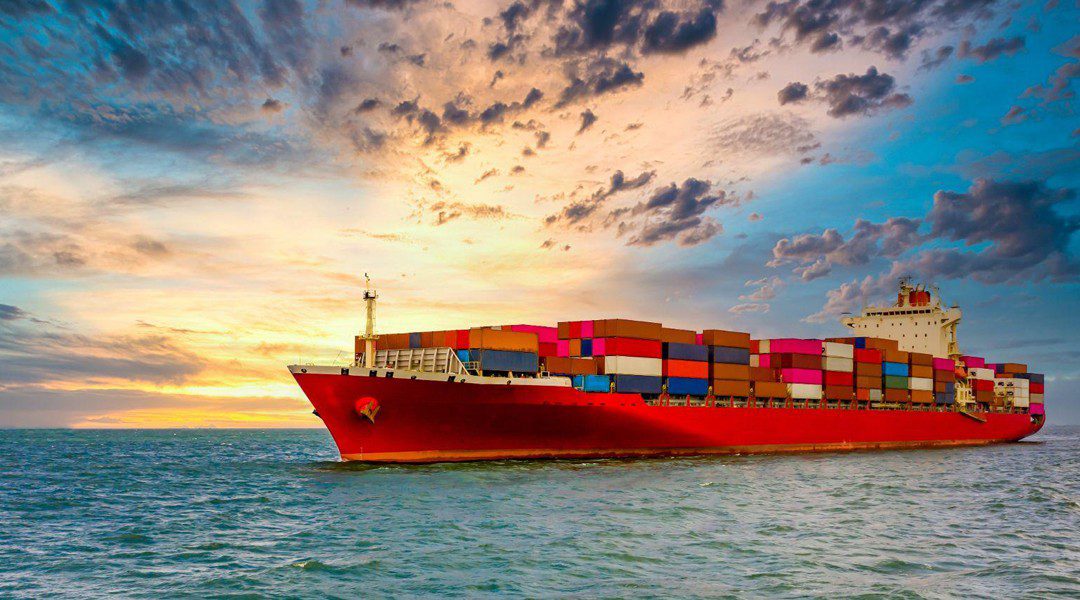
Offshore CCS is drawing particular interest from the fossil fuel industry, which sees the technology as a way to extend operations while reducing greenhouse gas emissions. CO₂ can be captured at onshore facilities and then transported offshore by ship.
Brazil’s Ministry of Mines and Energy had planned to publish a decree in March setting rules for the activity, including safety guidelines from oil and gas regulator ANP. The decree has not yet been released, but the ministry says it expects to complete the process in the first half of the year.
Brazil’s 2024 Future Fuel Law established that carbon capture and storage will require authorization from ANP, but it did not create specific licensing rules.
Alvarenga said Ibama analysts visited the United Kingdom and Norway, where commercial-scale offshore CCS projects are already in operation, to study existing regulations.
“In CO₂ capture and storage, the main risk is a loss of containment and the release of CO₂,” he said. “But it does not pose an imminent risk even close to what would be involved in an oil spill or a chemical leak.”
He said geological reservoir monitoring will be one of the main environmental requirements for CCS projects, to ensure that the gas does not escape back into the atmosphere. Monitoring would continue even after CO₂ injection into the seabed ends.
For Alvarenga, carbon capture differs from almost all other projects licensed by Ibama because it can bring environmental benefits by reducing emissions.
“Unlike a thermal power plant, oil exploration or mining, which mostly have negative environmental impacts, a capture project is expected to improve environmental quality,” he said.
“That difference needs to be considered so we can move forward in a safe, fast and effective way, always assessing impacts and risks, but with the perspective that this is something that can deliver an environmental gain.”
Economic viability remains one of the main barriers to wider adoption of the technology, but Brazil already has experimental projects led by Petrobras and universities.
Brazil’s Climate Plan, which sets emissions targets for different areas of the economy, identifies carbon capture as a potential tool for reducing climate pollution from the energy sector. The technology is expected to have a measurable impact only after 2030.
Source: Folha de São Paulo