Waterways are gaining importance in Brazil’s export matrix and are already establishing themselves as strategic corridors for the transport of soybeans and corn. A large part of the production originates in the Central-West region, the country’s main agricultural center, and flows to the ports of the Arco Norte, which reduces logistical costs, shortens distances, and increases the competitiveness of the agribusiness globally.
From January to July of this year, the region moved 19.9 million tons of grains through ports organized in the Amazon, according to the National Waterway Transportation Agency (Antaq). Most of it traveled along the Amazon River waterway, with 10.26 million tons, followed by the Pará (4.65 million), Tocantins (4.59 million), and Tapajós (430,100) rivers.
The Minister of Ports and Airports, Silvio Costa Filho, highlighted that “inland navigation is a strategic vector for Brazil. With the work of the National Secretariat of Navigation and Waterways, we have invested in dredging, clearing, and logistical integration to transform rivers into key engines for grain exports. This reduces costs, increases competitiveness, and guarantees predictability for exporters.”
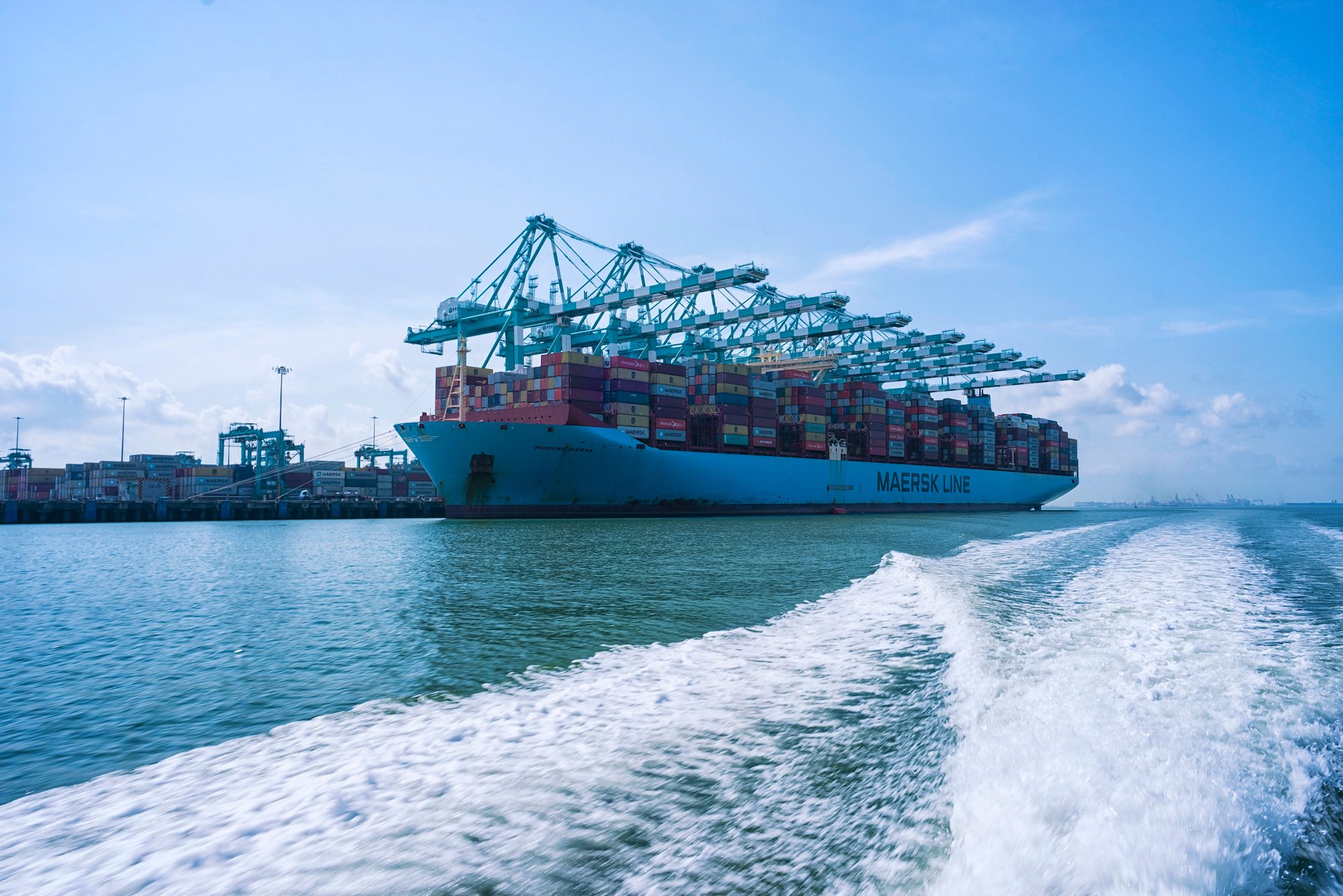
The shipments were concentrated in five main ports. In first place was the Vila do Conde Terminal (PA) with 3.94 million tons, followed by the Terminal Portuaria de Graneles de Barcarena with 3.79 million, the Terminal de Graneles Hermasa with 3.70 million, Santarém with 3.60 million, and the Terminal Portuaria Novo Remanso with 2.35 million.
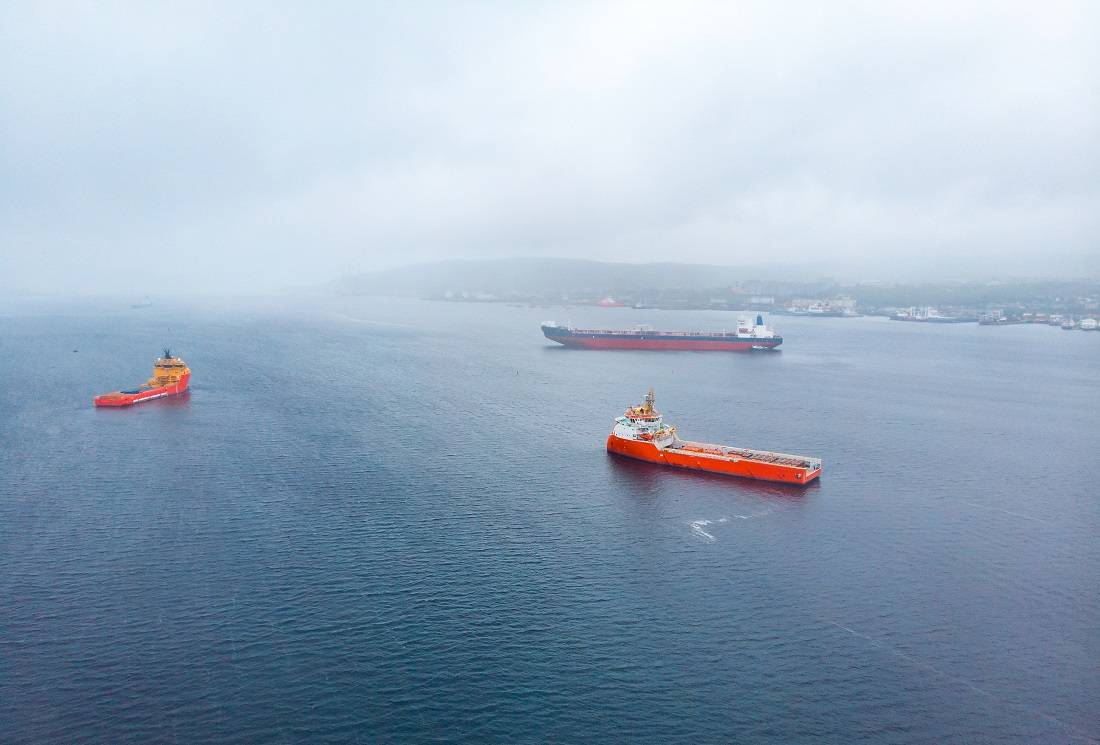
A large part of this volume traveled along four of the country’s main waterways. The Amazon River constitutes the main integration corridor, connecting various river terminals with the ports of the Arco Norte. The Pará River connects the Miritituba and Santarém regions with the port of Vila do Conde, one of the most important for grain exports, which will lead cargo movement in the Northern region by 2025.
The Tocantins River facilitates the flow of agricultural products from the Central-West region to the North, fostering logistical integration. The Tapajós River is crucial for cargo transport between Miritituba, Santarém, and Vila do Conde, consolidating the grain route through the region.
These water routes strengthen the role of the Arco Norte, which in 2024 accounted for 34.8% of soybean exports and 46% of corn exports, according to the Agrologistics Yearbook 2025, by the National Supply Company (Conab).
The National Secretary of Navigation and Waterways, Dino Antunes, emphasized that “waterways are a strategic asset with great potential. Each investment increases efficiency, brings producing regions closer to the ports of the Arco Norte, and ensures cleaner and more competitive transport. Our goal is for inland navigation to cease being an alternative and become a central axis of national logistics.”
China remains the main export destination, with 7.49 million tons up to July. It is followed by Spain (2.85 million tons), Turkey (1.63 million tons), Algeria (829,400 tons), and Mexico (768,900 tons), confirming the diversification of buyers and the robustness of the national logistical chain.