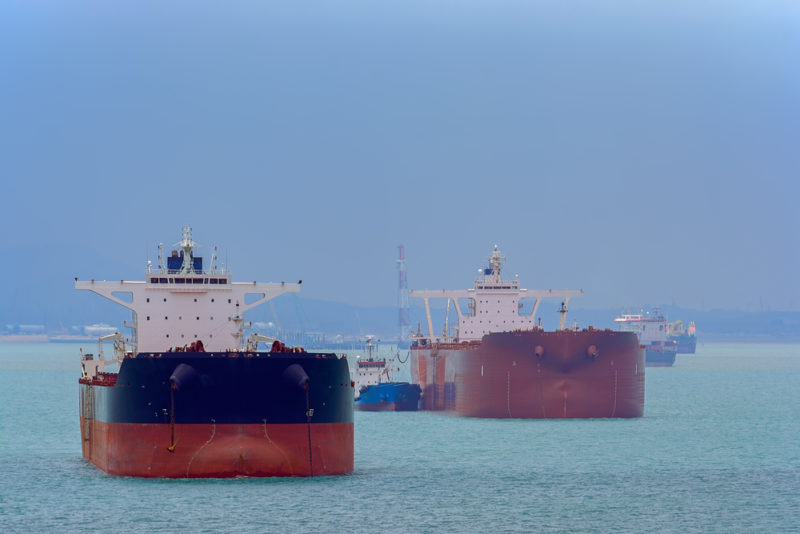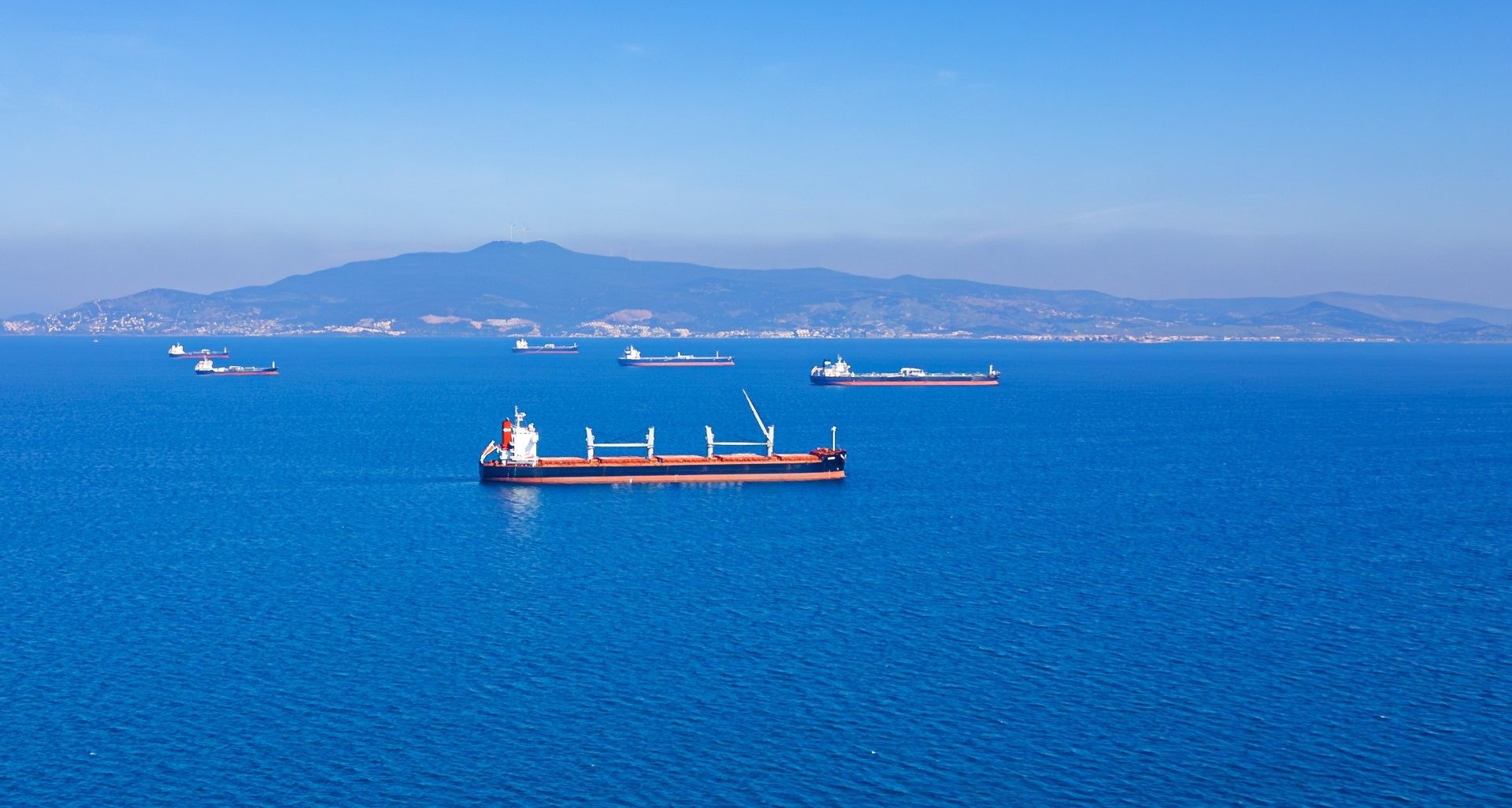
According to foreign media reports, due to “technical failures in the GPS system,” Qatari authorities issued an order last Saturday requiring all shipping companies to suspend navigation.
The Qatari Ministry of Transport stated that the order will be in effect indefinitely until the issue is resolved. However, the authorities did not disclose specific technical details. In fact, GPS interference incidents are not uncommon in the Arabian Gulf region, occurring more frequently especially when tensions rise between Iran and regional rivals. In recent months, Qatari citizens have repeatedly reported abnormal personal mobile phone locations, showing “virtual positions” within Iran.
Analysts point out that this type of “spoofing” is a typical electronic warfare tactic, often used to confuse the navigation systems of incoming weapons, and can also be employed as a “hybrid warfare” tool to disrupt normal commercial activities while obscuring the identity of the perpetrator.
However, the practical impact of this ban remains questionable. According to ship movement monitoring, as of Sunday evening, shipping activities within Qatari waters were still proceeding as usual, with dozens of commercial vessels maintaining normal speeds near Doha and Ras Laffan port. As a major global exporter of natural gas, any disruption to LNG transport from Qatar would inevitably impact the global energy market. However, observations from the loading terminals within Ras Laffan’s inner port indicate that berthing and loading operations are continuing normally.
Industry insiders generally believe that while GPS spoofing incidents increase operational risks, they are usually insufficient to cause a complete halt to shipping. For example, the central Baltic Sea has long experienced persistent GPS interference and spoofing, yet shipping has not been interrupted. Researchers believe that such large-scale interference originates from high-power GPS transmitters, most likely operated by state-level actors.
Currently, the international community is closely monitoring Qatar’s subsequent actions and their potential impact on the stability of energy transportation and the regional situation.