U.S. climate-tech firm Calcarea and Dutch naval architecture company Aurelia Design have agreed to collaborate on bringing ocean-based carbon capture technology to commercial shipping.
The partnership will combine Calcarea’s oceanic carbon-removal process with Aurelia’s expertise in sustainable vessel design and systems integration. At its core is Calcarea’s limestone weathering technology, which accelerates a natural reaction between carbon dioxide, seawater, and limestone to convert CO2 into stable bicarbonates stored safely in the ocean.
The system offers a nature-based and infrastructure-light approach to carbon sequestration suited to vessels that continuously circulate seawater during operations, the companies said.
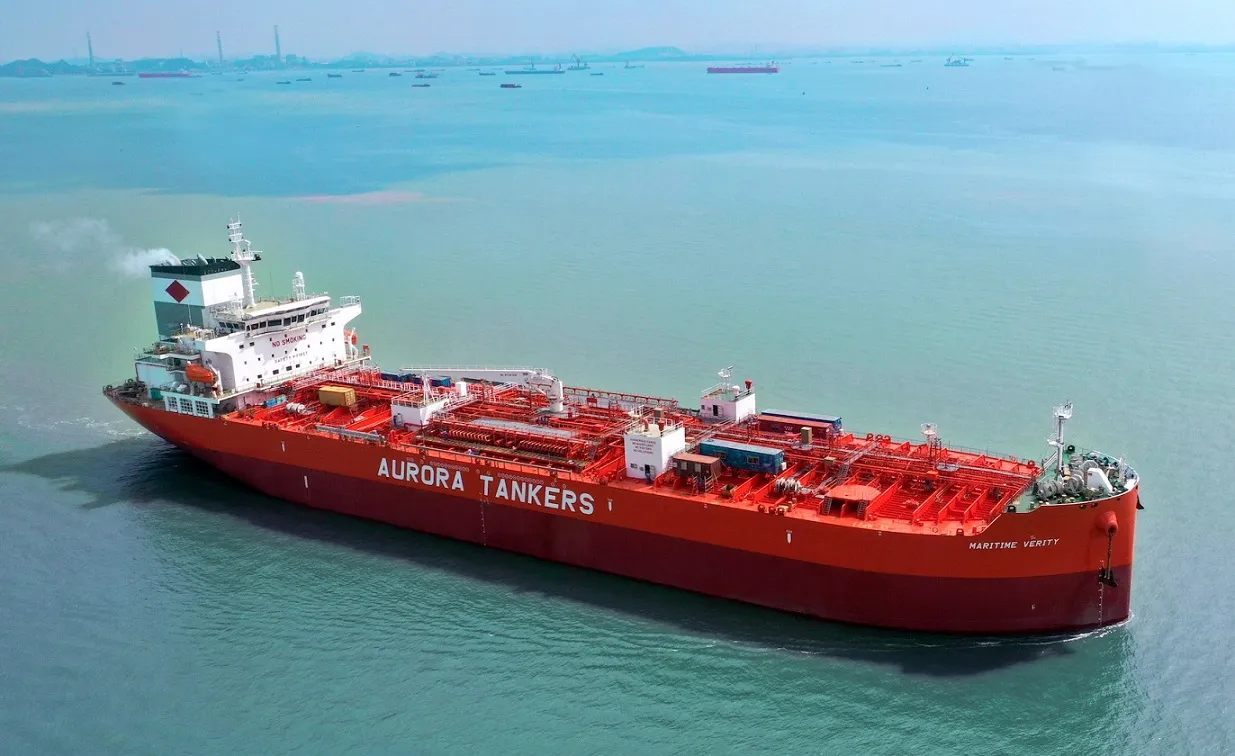
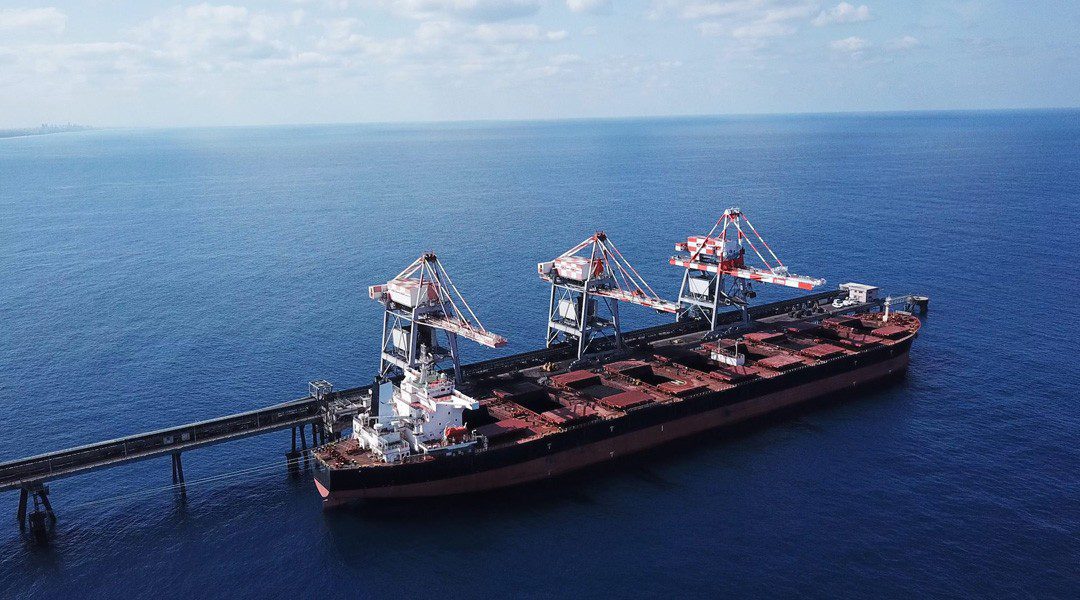
Under the collaboration, Calcarea and Aurelia plan to design a next-generation bulk carrier integrating the carbon-capture reactor and associated systems into the vessel’s architecture. Aurelia will lead naval architecture, integration, and class-compliance engineering, ensuring the system operates efficiently without reducing cargo capacity.
The initial study will examine seawater flow dynamics, intake and discharge arrangements, and hull design to maintain vessel performance and minimize fuel impact. The findings will form the basis for a scalable, class-ready newbuild platform.
“We see shipping as one of the most natural environments for large-scale carbon removal. Ships operate surrounded by seawater — the very medium our process uses. Partnering with Aurelia allows us to bridge science and engineering, and turn our technology into a deployable maritime system,” said Pierre Forin, co-founder and CTO of Calcarea.
“What makes this collaboration exciting is that it’s not just another retrofit – it’s a new generation of clean ship design built around a truly regenerative technology.
“Calcarea brings a breakthrough CO₂ capture process, and AURELIA brings the design and system expertise to make it practical, class-compliant, and ready for industry adoption,” added Raffaele Frontera, founder and CEO of Aurelia.
The collaboration’s Phase 0 Feasibility and Concept Study has begun and will be followed by additional engineering and validation stages leading toward Approval in Principle (AiP) and eventual demonstration.