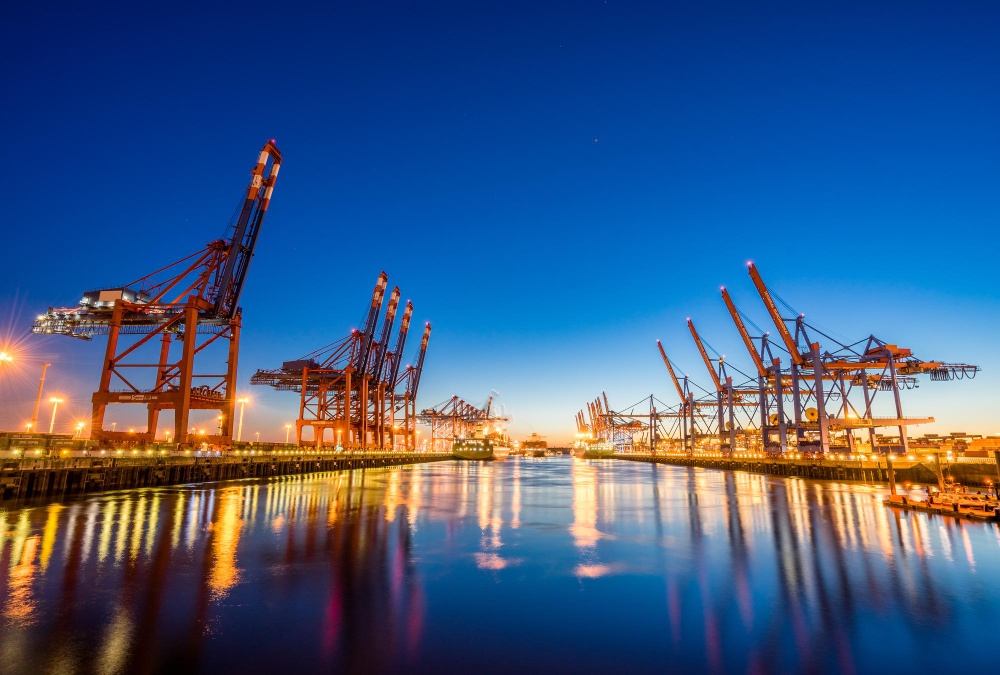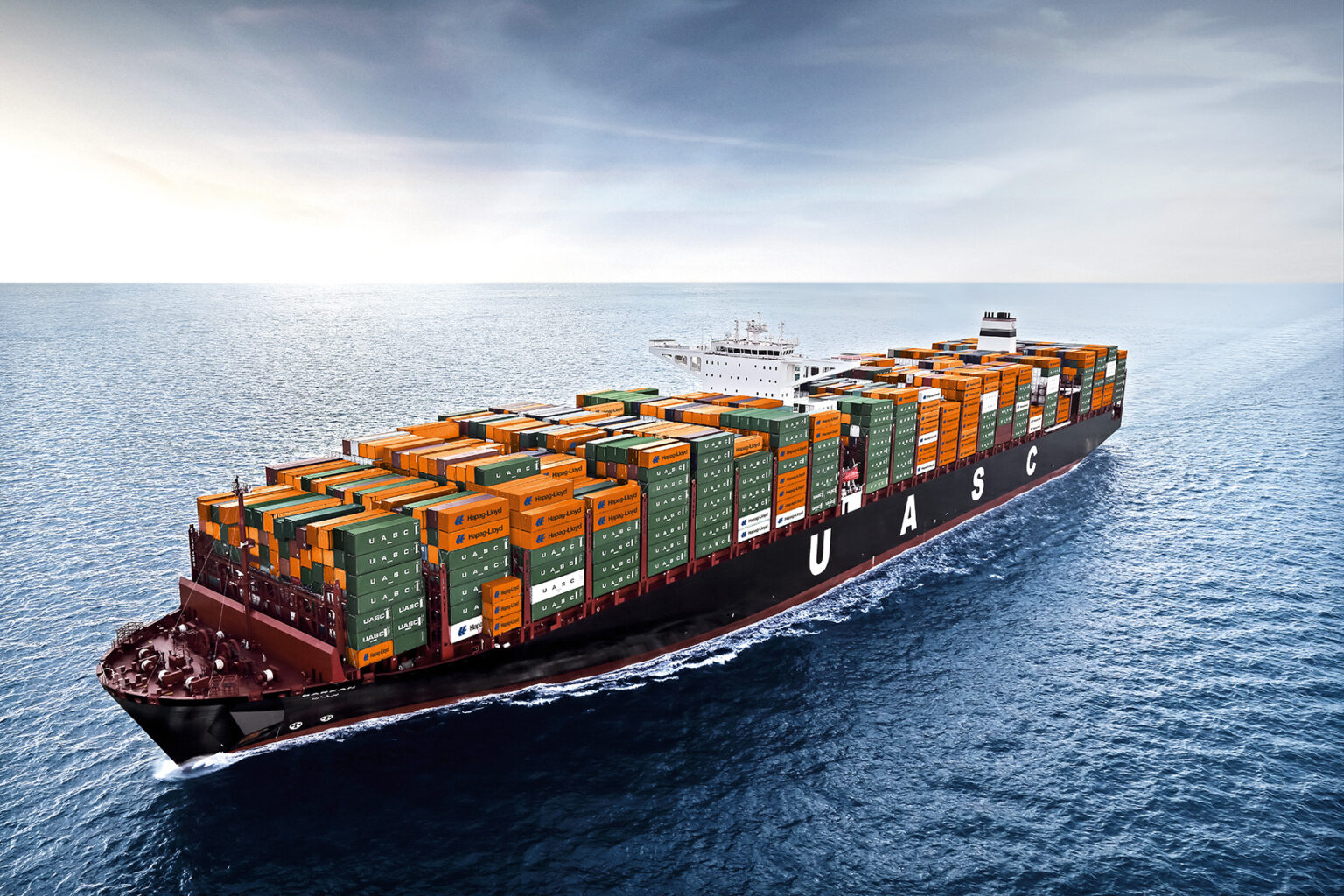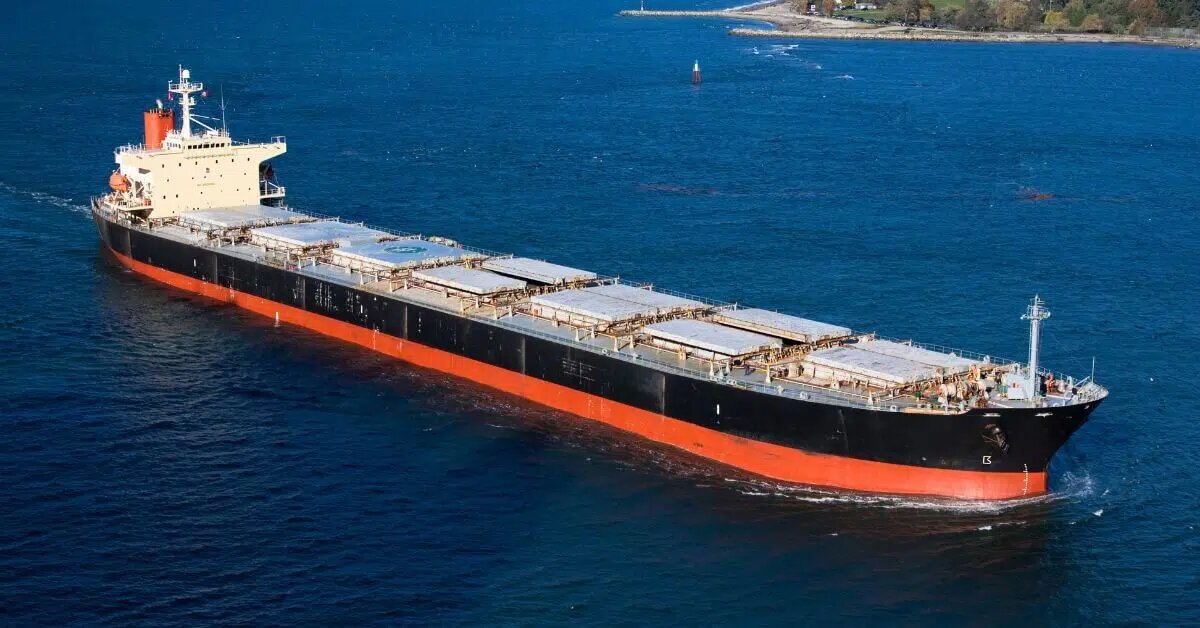
Ships owned or managed by U.S. companies and private individuals, or those built in the United States or flying the U.S. flag, will be subject to additional port fees in Chinese ports starting October 14. This was announced by the Chinese Ministry of Transport.
The fees represent a countermeasure to imminent U.S. port fees on Chinese ships, the Ministry stated on Friday. Also starting from October 14, ships built in China or managed or owned by Chinese entities will indeed have to pay a fee on their first call at a U.S. port. The fees could exceed $1 million for a ship carrying more than 10,000 containers and could increase annually until 2028, according to analysts’ estimates.
Ships owned or managed by a Chinese entity will be subject to a fixed fee of $80 per net tonnage per voyage to the United States. “It is clearly discriminatory and seriously harms the legitimate interests of the Chinese shipping industry, severely compromises the stability of the global supply chain, and seriously undermines the international economic and trade order,” stated the Chinese Ministry.
For U.S. ships docking in Chinese ports from October 14, the fee will be 400 yuan ($56.13) per net ton, declared the Chinese Ministry of Transport. It will increase to 640 yuan ($89.81) from April 17, 2026, and to 880 yuan ($123.52) from April 17, 2027. For ships docking in Chinese ports from April 17, 2028, the fee will be 1,120 yuan ($157.16) per net ton.
Tensions between China and the United States began to worsen in September, with the two superpowers appearing to have difficulty overcoming the current commercial tariff truce, a 90-day pause from August 11 that will end around November 9. The retaliatory tariffs in this year’s U.S.-China trade war have drastically reduced Chinese imports of U.S. agricultural and energy products.
“There will be no major repercussions on agricultural trade, but this decision shows that China is still irritated with the United States and will not allow imports of U.S. agricultural products in the short term,” an oilseed trader from an international company that sells soybeans to China told Reuters. “You don’t take measures like this if you are trying to resolve issues. This year, Chinese crushers might have to forgo U.S. beans.”
U.S. President Donald Trump and Chinese leader Xi Jinping are expected to meet at the Asia-Pacific Economic Cooperation meeting in South Korea at the end of this month.