Australia’s introduction of temporary price caps on domestic sales of gas and coal used for electricity generation will probably have limited direct near-term credit impact for energy-sector issuers rated by Fitch Ratings, according to the agency. However, the caps highlight that energy companies face mounting political risks that could influence investor perceptions of the sector and capex plans over the long term.
The caps have been proposed for 12 months, but even if they are extended, the direct impact should generally be limited if prices for coal and gas fall over the coming years, in line with Fitch’s base-case assumptions.
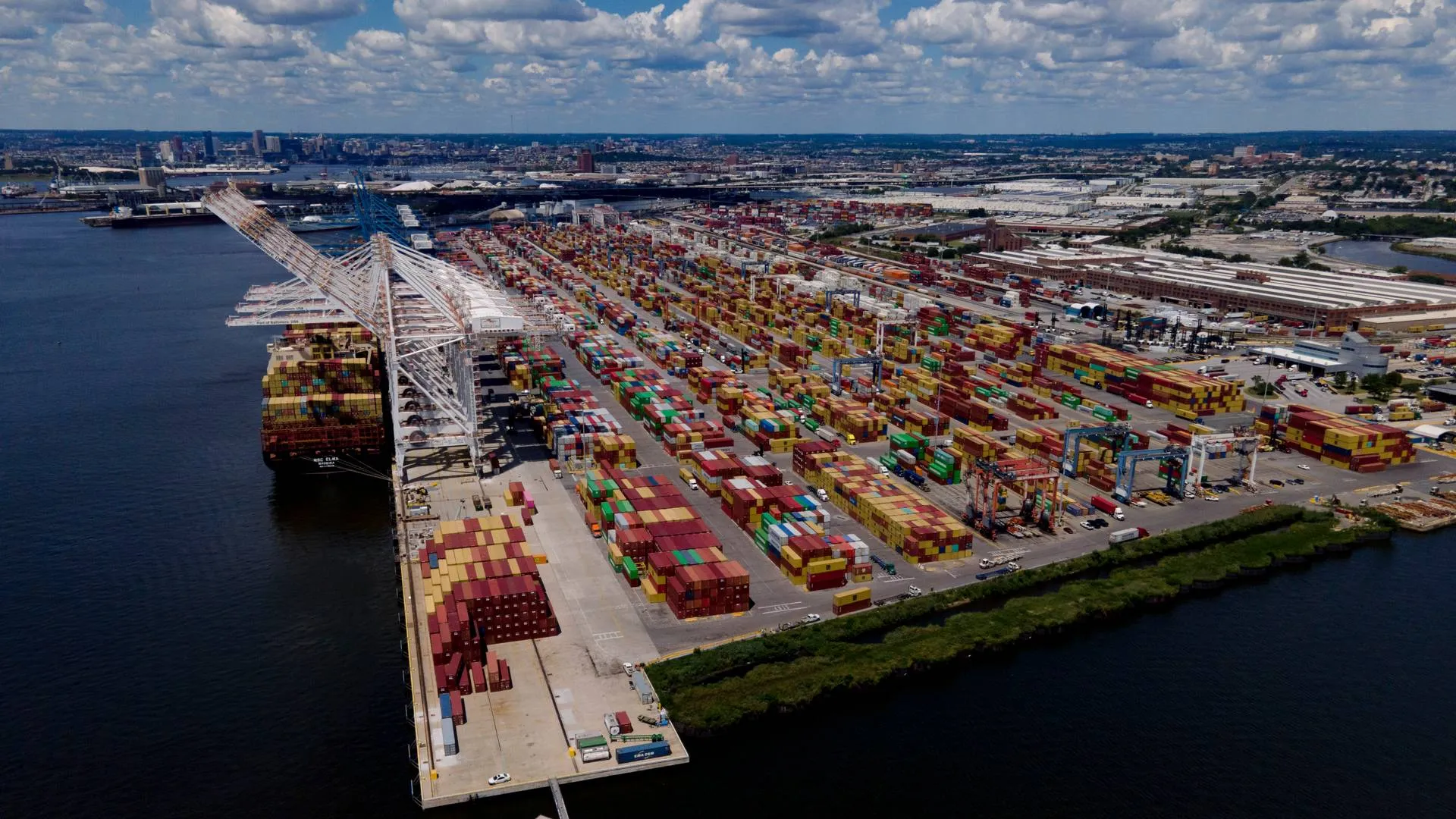
The near-term impact on Australian thermal coal miners’ financial profiles will be further mitigated, as typically around 80% of the thermal coal produced in the country is exported, and therefore is not subject to the cap.
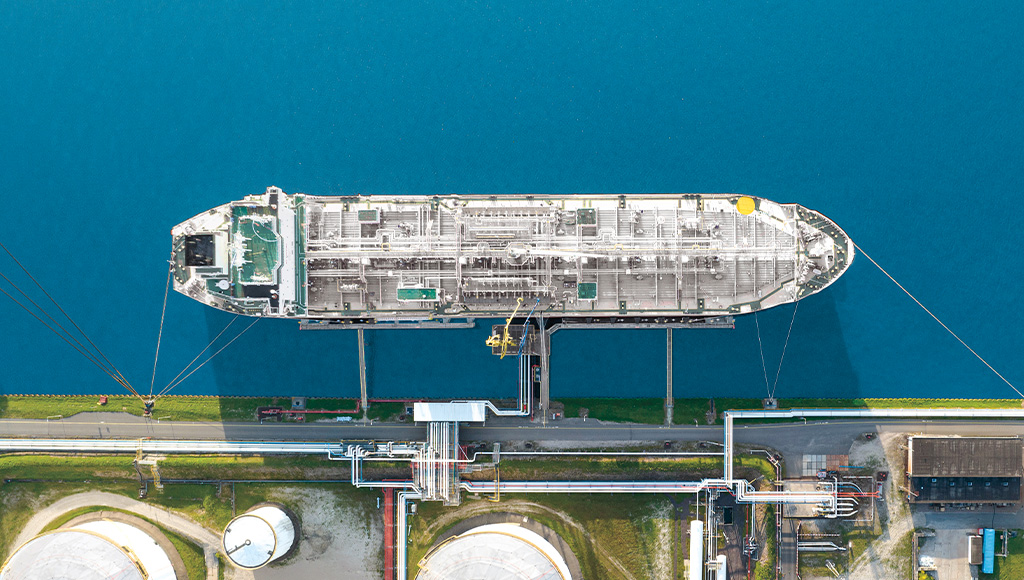
The natural gas sector will be more exposed, as domestic demand accounts for a larger share of supply. Santos (/Stable) and Woodside Energy Group (/Stable) are large suppliers of gas to the domestic market. Such sales account for more than 40% of Santos’s gas production, but we estimate that only around 15% of total production goes to the east coast markets that are exposed to the price cap.
Woodside’s domestic gas sales, including pipeline gas from the NWS Project, Pluto and Wheatstone, account for less than 6% of its gas production, with the rest exported as LNG. For both companies, most gas is already produced under long-term contracts, which will be unaffected by the caps, limiting the near-term impact. The proportion of output affected could nonetheless rise over time if the caps are extended beyond 12 months.
The prevalence of long-term supply contracts will also reduce the impact of the caps for most domestic electricity and gas retailers, including Origin Energy (/Stable). If global energy prices remain high, it is possible that the caps could offer a competitive advantage to some retailers that rely more on short-term supply contracts. That said, the superior sourcing ability and flexibility in contracts should limit downside risks for large retailers. For electricity sales, the highest-cost power generator generally determines the wholesale energy market price, and we anticipate a neutral to marginally positive financial effect for entities like Origin that have flexibility in their generation portfolio.
The price caps will add to a perception that Australia’s mining sector faces mounting political risk, even though we do not believe they will have a major impact on Fitch-rated issuers in the near term. For example, the government has announced plans to implement a new system to protect sites important to Australia’s indigenous peoples. Firms in the sector, as in other parts of the world, also face political risks associated with official efforts to promote the transition to renewable energy sources.

Mounting political risk may influence investors’ perceptions of the sector, and therefore the terms on which companies are able to access finance. This could also have ramifications for M&A plans or long-term capex strategies. Nonetheless, it is likely to take time to assess the impact, which may also be offset by other market developments.
Australia’s parliament on 16 December passed legislation empowering the government to regulate gas prices, alongside an AUD1.5 billion relief package for firms and households. It remains unclear how the relief package will affect power and gas market dynamics, but we expect its impact to be temporary. The authorities plan to cap domestic gas prices at AUD12 per gigajoule. Domestic thermal coal sales prices in New South Wales and Queensland will also be capped at AUD125 per tonne.
Source: Fitch Ratings