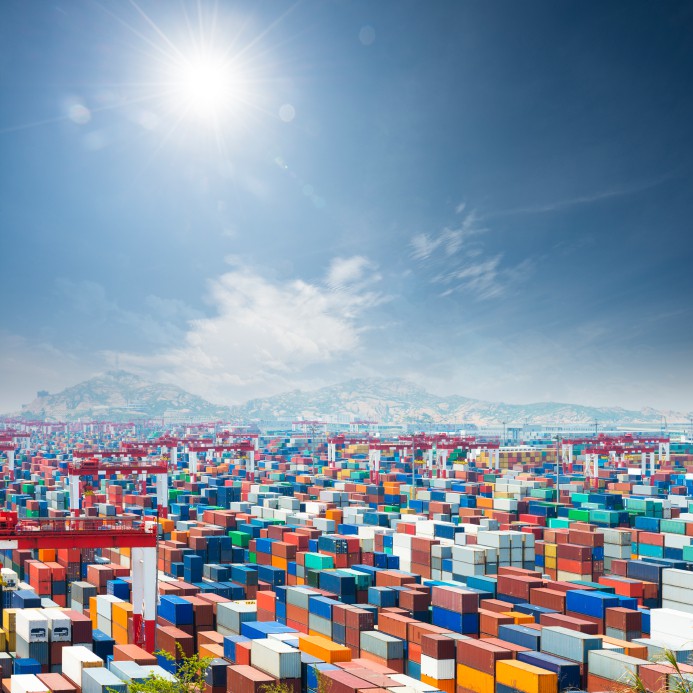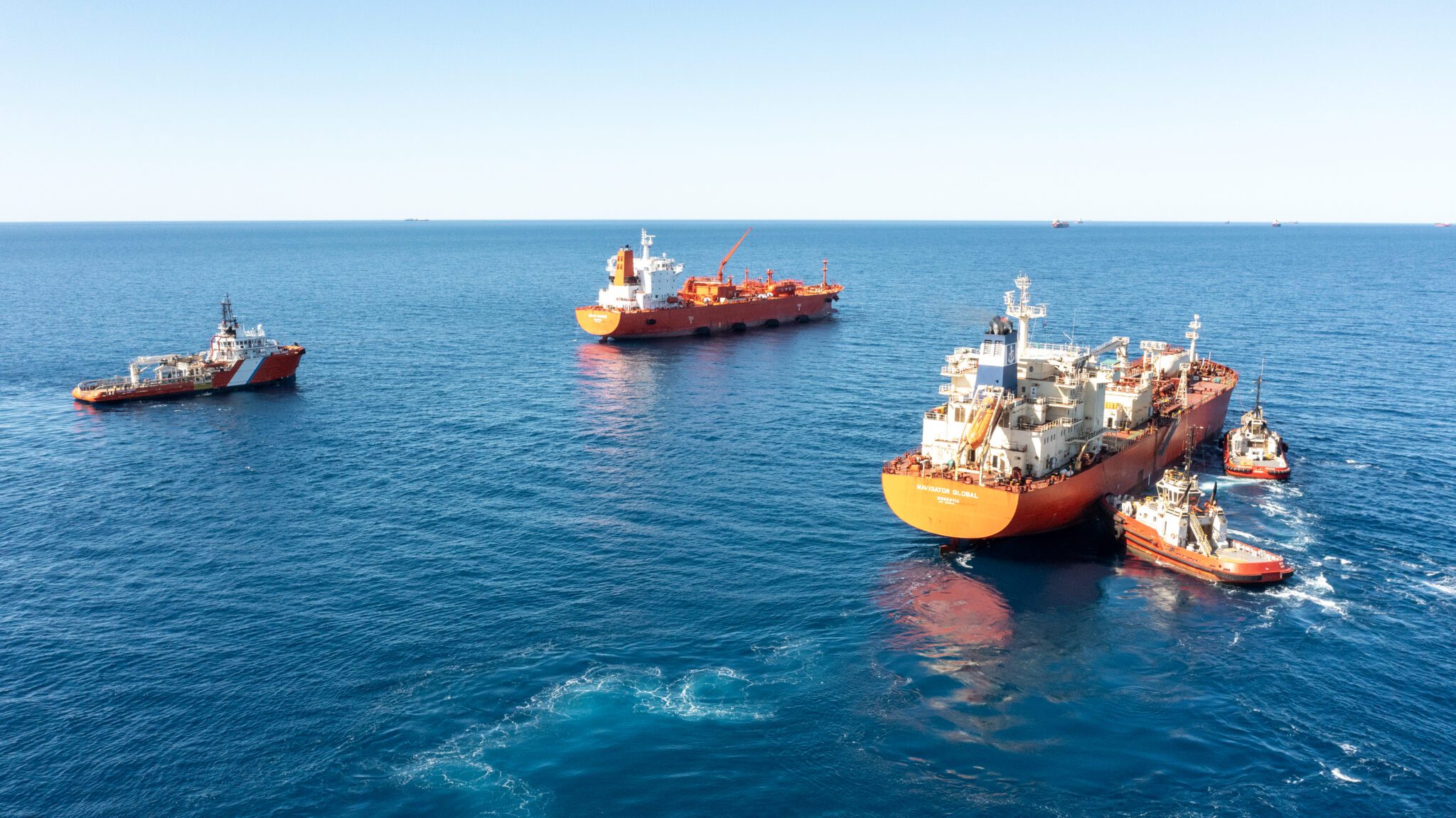
Container shipping has taken a leading role in the maritime fuel transition, according to BIMCO. By the end of August, shipowners had 534 containerships on order capable of running on alternative fuels, equal to about 53% of all boxships on order and 77% of the orderbook measured in TEU.
The concentration is strongest among larger vessels, where for ships of 8,000 TEU and above, 81% of orders and 85% of capacity are for alternatively fueled tonnage.
The orderbook also includes 321 ships set to run on conventional heavy fuel oil and another 155 vessels described as “alt-fuel-ready” for later conversion. This indicates that owners are hedging as fuel supply and bunkering infrastructure expand.
LNG has returned to the top spot among alternative fuels. “LNG remains the most popular alternative fuel,” said BIMCO chief shipping analyst Niels Rasmussen. LNG now accounts for about two-thirds of alternative-fuel boxship orders, compared with methanol’s share of about 31%. Methanol had briefly led in contracting during 2023, but LNG has regained ground this year amid stronger bunkering availability. Ammonia and hydrogen remain marginal in current orderbooks, though present in pilot projects.
Compared with other deep-sea trades, the container sector is markedly ahead. Alternative-fuel vessels represent about 8% of bulk carrier orders, 17% of crude tanker orders, and 9% of product tanker orders. Analysts attribute the contrast to the structure of the liner shipping industry, which is concentrated among large carriers with balance sheets and cargo-owner pressure to move first, while bulk and tanker markets are more fragmented and slower to commit to fuel choices.
If the current alternative-fuel fleet is not retired, deliveries already in the pipeline would increase the boxship fleet to about 837 ships and 10.9 million TEU by 2030, representing more than a quarter of projected in-service container capacity by that time.
Although industry data show a summer slowdown in new orders, longer-term expectations remain tied to regulatory pressures and the development of supply chains.
The Baltic and International Maritime Council (BIMCO) is the world’s largest international shipping association. It is a non-governmental organization with around 2,100 members across roughly 120 countries, representing between 60% and 64% of global merchant shipping tonnage. BIMCO is headquartered in Bagsværd, Denmark, and engages in industry regulation, standard contracts, and market analysis.