Cailianshe, November 9 (Reporter Hu Haoqiong) This year’s CIIE coincides with the first anniversary of the opening of COSCO SHIPPING Ports’ Chancay Port in Peru. At the 8th CIIE, a relevant person in charge of COSCO SHIPPING Group told a Cailianshe reporter in an interview: “With the continuous improvement of port infrastructure and the ongoing optimization of the functional layout, the cargo mix at Chancay Port will become more diversified and higher value-added.”
Chancay Port is located 80 kilometers north of Lima, the capital of Peru, and is a key project under the China-Peru joint construction of the “Belt and Road” initiative. After its opening, the one-way sea freight time between China and Peru will be shortened to 23 days, logistics costs will be reduced by over 20%, and it will create more than 8,000 direct jobs annually for Peru.
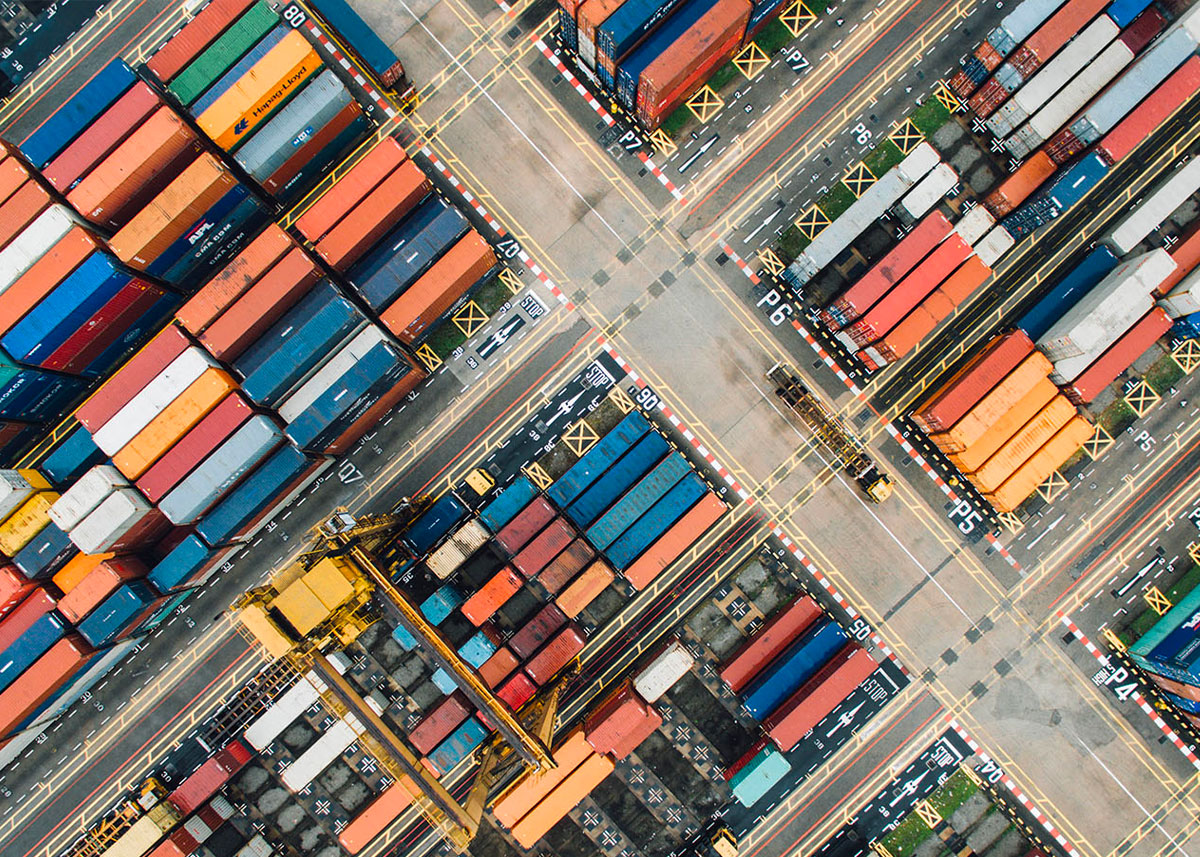
Cailianshe learned from COSCO SHIPPING Ports’ Peru Chancay Terminal Company that since the port’s opening, it has handled a cumulative container throughput of 237,000 TEUs, a cumulative vehicle handling volume of 15,657 units, and a cumulative bulk and general cargo throughput of 1.1157 million tons. As of September this year, the total export trade volume through Chancay Port reached USD 603 million, the total import trade volume reached USD 984 million, and it has generated cumulative tax revenue of 697 million Peruvian Soles.
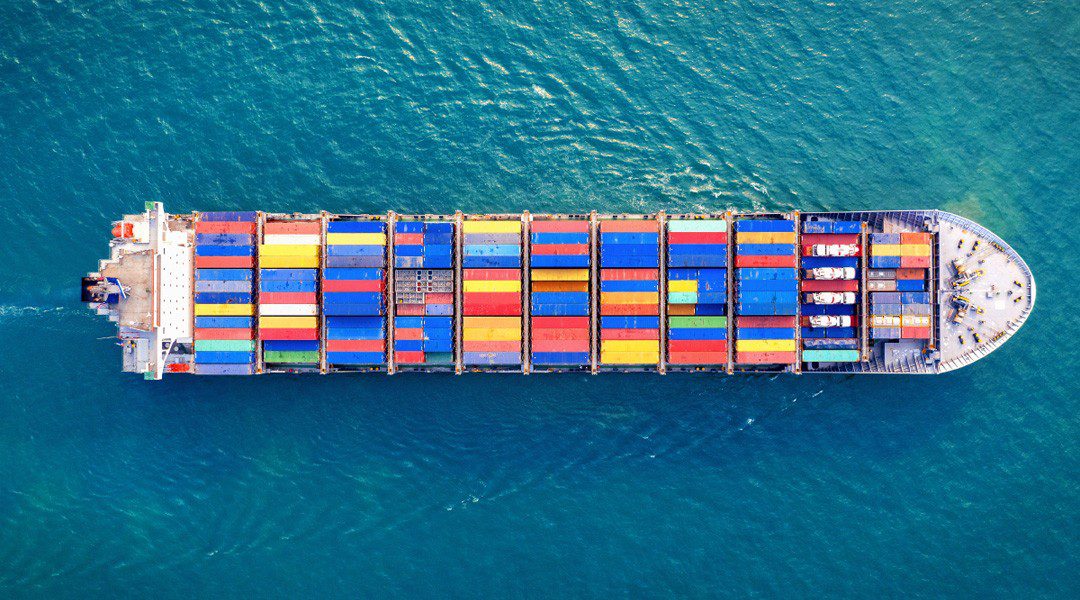
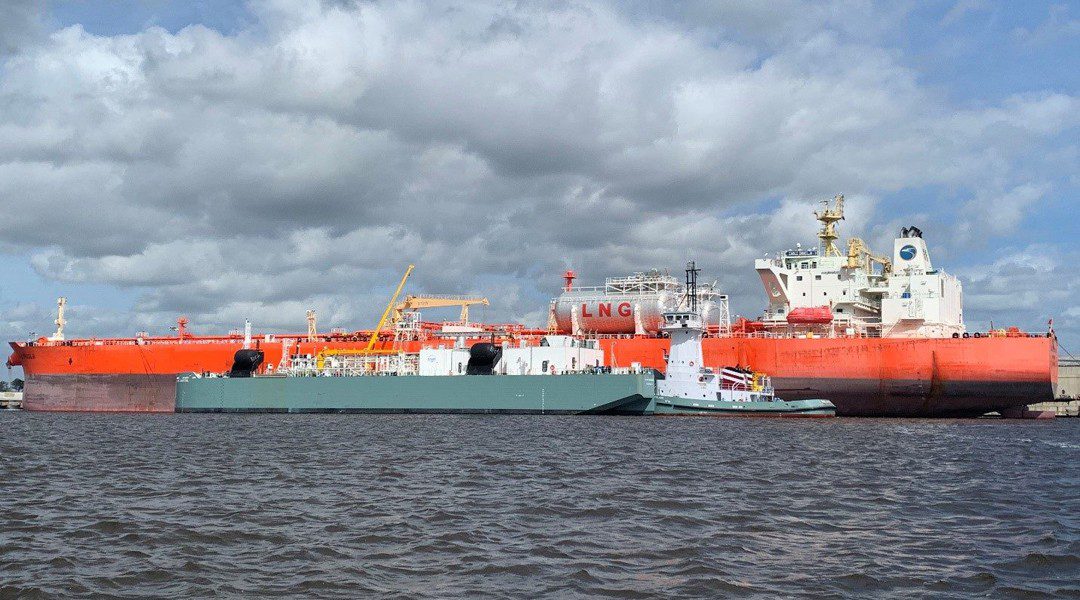
Cailianshe noted that unlike most ports, Chancay Port can achieve linerized operations for multiple types of vessels, including general cargo ships, car carriers, and special vessels. Currently, the Yala Land-Sea New Corridor at Chancay Port has opened 3 mainline and 4 feeder container routes. Additionally, there are the Zhangjiagang-Chancay general cargo liner service (32 days direct) and car carrier liner services (twice monthly), among others.
In practice, achieving linerized operations for various types of vessels involves many challenges. The aforementioned person in charge further explained that linerized operations require long-term market cultivation and continuous coordination with shippers and shipping companies regarding schedules and cargo volumes. Secondly, the operational standards for different cargo types vary significantly, placing higher demands on the port’s specialized equipment, personnel training, and safety management. Coordinating operations for multiple vessel types and cargoes also requires a powerful digital management system and real-time scheduling capabilities. “The fundamental reason why Chancay Port can achieve standardized operations for multiple vessel types lies in the overall positioning of ‘comprehensiveness, intelligence, and internationalization’ established from the very beginning of the port’s construction.”
According to the aforementioned person in charge, Chancay Port not only serves traditional container business but also focuses on building a diversified logistics system to meet the varied trade needs of the Latin American region. From the perspective of port functional layout, the planning phase of Chancay Port fully considered the handling requirements of different cargo types, supporting the construction of multi-purpose terminals, ro-ro berths for vehicles, storage yards for oversized cargo, and special cargo handling facilities. It is also equipped with intelligent scheduling systems and digital management platforms, enabling efficient connection and rapid turnaround for multiple vessel types. In the future, Chancay Port will further expand its diversified business and introduce more specialized non-liner services based on market demand and regional industrial layout.
“Currently, all production and market systems at Chancay Port are steadily advancing. According to the plan, based on achieving steady growth in throughput during the initial operational phase, we expect to reach the phased target of 1 million TEUs annual throughput within three to five years. This will mark a new stage for Chancay Port, transitioning from a ‘new regional port’ to an ‘important hub port in South America,’ injecting stronger momentum into China-Latin America economic and trade cooperation,” said the relevant person in charge.