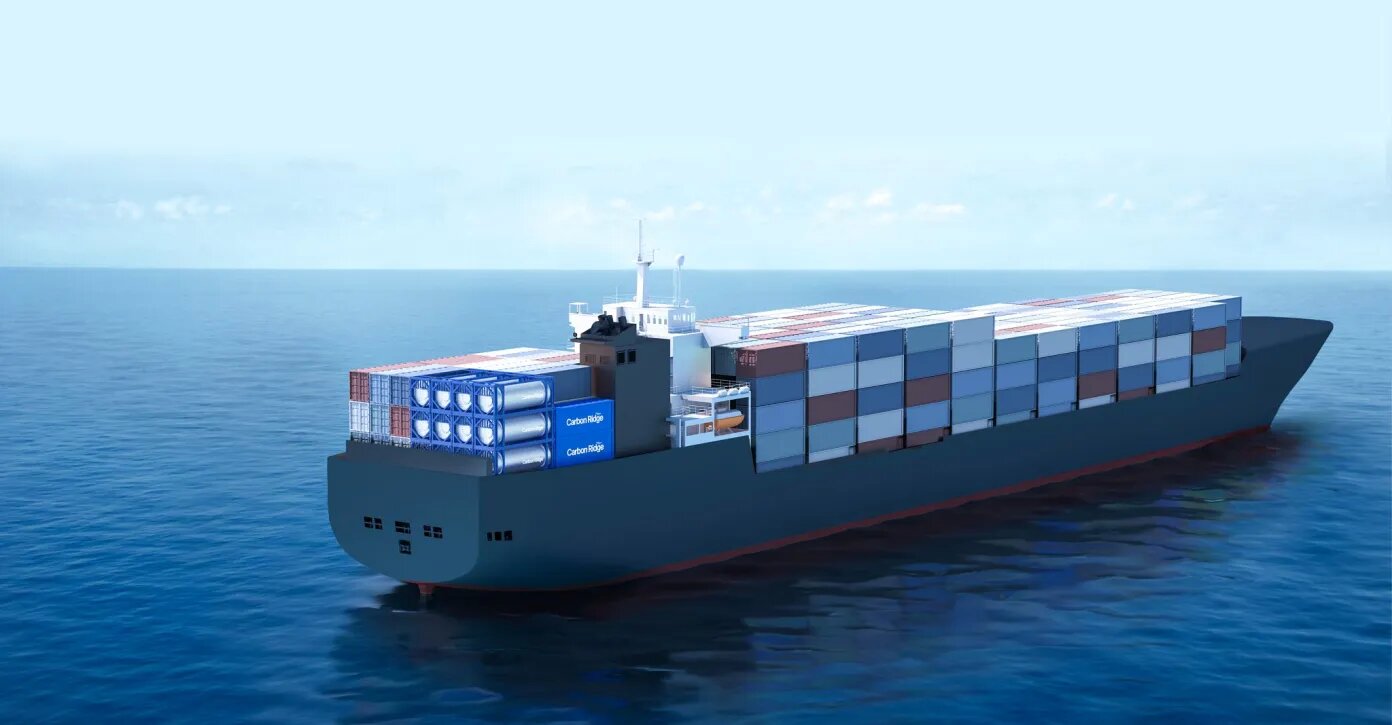
DNV granted an Approval in Principle (AiP) to HD Hyundai Heavy Industries (HHI) for its independent Type B LPG cargo tank design for very large gas carriers (VLGCs).
The Approval in Principle (AiP) covers HHI’s design for a new 90,000 m³ independent Type B containment system for LNG carriers. The use of Type B tanks in VLGCs aims to improve operational safety and accessibility for maintenance throughout the vessel’s service life, while providing shipyards with greater flexibility in the selection of inner hull materials during the design stage.
Hongryeul Ryu, HHI’s Chief Technology Officer, commented that “with our first LNG carrier design incorporating an independent Type B cargo tank, we are driving safer and more adaptable gas transport solutions. DNV’s AiP certification gives us greater confidence as we move toward its practical application.”
Vidar Dolonen, Regional Director for Korea and Japan at DNV Maritime, stated that “the introduction of new containment solutions in already established segments requires thorough technical analysis, so we are very pleased that HHI has trusted DNV’s engineering expertise for this exciting project. The Type B tank opens up new design and operational possibilities for the VLGC market, as shipowners seek longer asset life and compliance with stricter safety and efficiency requirements. We look forward to further strengthening this successful collaboration, supporting the development and realization of the project.”
The analysis of the new tank covers both crack propagation and fatigue analyses, in addition to the standard buckling and sloshing analysis performed for Type A tanks. The new design also aims to maximize structural reliability by preventing the propagation of surface defects through the tank wall during its service life. A partial secondary barrier, in the form of a leak channel acting as a protective splash shield in all welded areas, together with four specific drip trays per tank, enhances the overall safety of the design. This design package is conceived to contain leaks and protect the surrounding hull structure throughout the vessel’s service life.