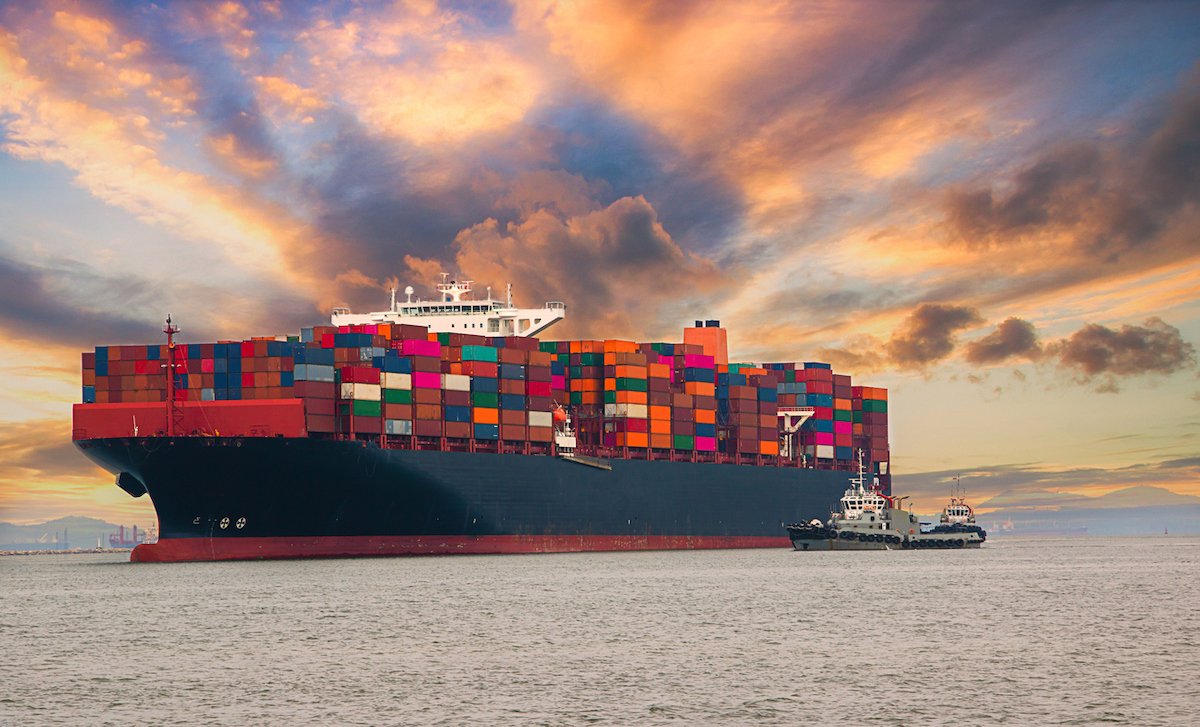
Chinese shipowners dominate orders at domestic shipyards, accounting for over 65%. Shipbroker Xclusiv noted in its latest weekly report that Chinese shipyards remain central to the global newbuilding landscape, securing the vast majority of bulk carrier and tanker orders. Out of 1,375 global bulk carrier orders, Chinese shipyards are building 939, representing 68%; of the 1,203 tanker orders, China is building 827, accounting for 69%. This not only highlights China’s unparalleled shipbuilding capacity and price competitiveness but also reflects its strategic focus on securing maritime supply chains.
According to Xclusiv’s analysis, among the 377 bulk carrier orders from Chinese shipowners, Supramax (110 vessels) and Kamsarmax (130 vessels) types are predominant, together constituting nearly two-thirds of their dry bulk orders. There are also orders for 41 Handysize bulk carriers and 23 small bulk carriers. The orders for 18 Very Large Ore Carriers (VLOCs) and 29 Newcastlemax vessels indicate that Chinese investors are reallocating capacity for long-haul iron ore import routes from Australia and Brazil. In contrast, the smaller Panamax and Post-Panamax fleets highlight a distinct dual strategy: utilizing small, flexible vessels for domestic and Asian trades on one end, while deploying massive capacity to secure raw material imports on the other. Japanese shipowners, traditionally known for their conservative and quality-focused approach, also tend to place orders at Chinese shipyards. They have 96 bulk carriers on order in China, primarily comprising 35 Supramax and 35 Kamsarmax vessels, along with 16 Handysize and 10 Newcastlemax ships. This arrangement reflects both their traditional strength in medium-sized, specialized bulk carriers and reveals a quiet trend of order shifting to China due to tight domestic capacity and high costs in Japan. For both China and Japan, the /Kamsarmax fleet remains a core competitive area, with a total of approximately 470 vessels, accounting for half of China’s new bulk carrier orders.
The tanker market exhibits a similar pattern. Among the 827 tanker orders at Chinese shipyards, Chinese shipowners account for 200 orders, covering all major vessel types. Their orders are primarily for small tankers—98 small tankers and 51 MR2 tankers—reflecting strong regional demand for refined products and the continued expansion of China’s independent refinery network. However, orders for 21 /LR2 tankers and 15 Very Large Crude Carriers (VLCCs) also demonstrate the ambition of Chinese energy companies to strengthen long-haul crude oil transportation logistics and control domestic supply chains. In contrast, Japanese shipowners have minimal tanker orders at Chinese yards, only 13 vessels, including 5 VLCCs and 4 MR2 tankers. This suggests Japanese owners prefer high-end and globally versatile designs, where delivery times and cost advantages now outweigh loyalty to domestic builders. This aligns with the trend of Japan gradually adapting to Chinese quality standards and acknowledging China’s competitive edge in large crude carrier construction.
The concentration of orders for medium-sized bulk carriers and product tankers reflects shipowners’ pursuit of operational flexibility, financing efficiency, and environmental compliance. Meanwhile, Japanese shipowners are increasingly recognizing the progress of Chinese shipyards and showing a growing willingness to place orders. Although Japan still adheres to quality and precision, China has become the core driver of global production. The deepening cooperation between the two countries heralds a new era of industrial synergy that will reshape the landscape of the next wave of fleet renewal.