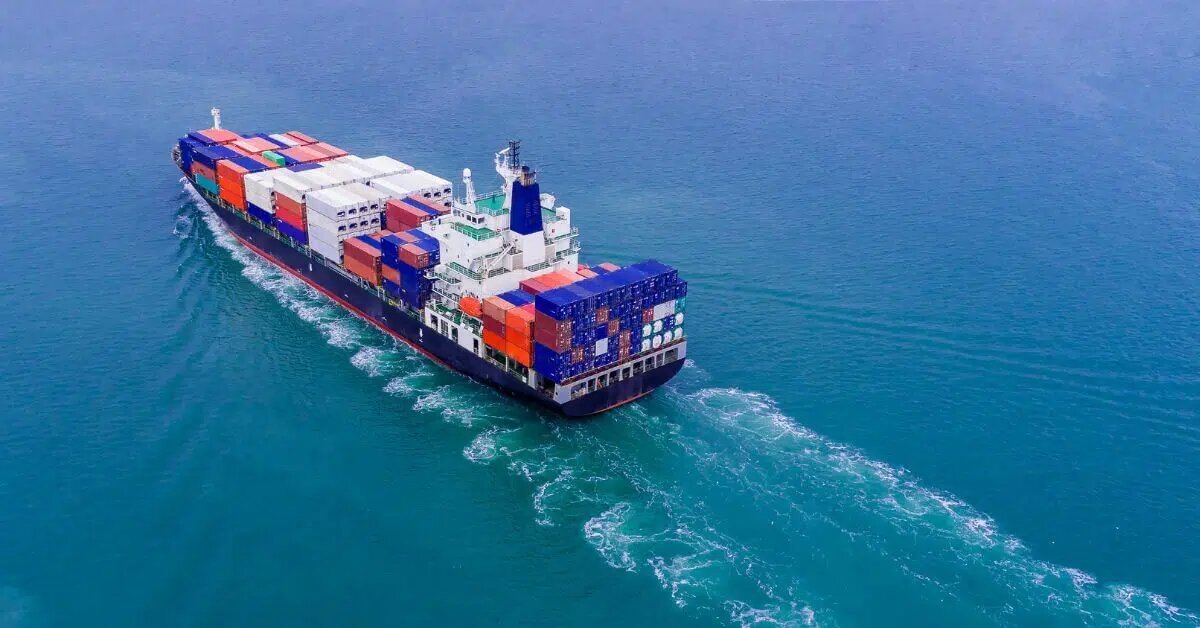
From 17 September, the inland vessel MS Den Bosch Max Groen will sail with exchangeable battery containers on board. With this electric propulsion system, no CO2, nitrogen or particulate matter is emitted. This marks a significant sustainable boost for inland shipping.
ZES offers an innovative solution for making inland shipping more sustainable through mobile, swappable battery containers (Zespacks). These large-scale batteries provide inland vessels with clean energy without long charging times.
Michael Beemer, CEO of ZES, said: “It is our mission to make inland shipping emission-free. We are achieving this with support from the National Growth Fund and the Province of South Holland.
“With our pay-per-use model, shipowners pay only for the energy they actually consume. This makes the switch to battery-electric sailing financially more attractive. In addition, a subsidy scheme is available for shipowners.”
Arne Weverling, Provincial Executive of South Holland, added: “We support this initiative with one clear goal: a healthier and more liveable province.
“At the same time, we ensure that inland shipping remains future-proof and competitive, so that waterborne transport continues to be a sustainable and attractive alternative in a province where road congestion is ever increasing.”
The launch of this service between Den Bosch and the port of Rotterdam marks an important milestone for ZES.
READ: Maritime Decarbonisation by 2050: Meeting Green Targets Without Opening Cybersecurity Risks
“Together with partners such as Heineken and CCT, we have optimised the operation of battery-powered vessels. With the introduction of ZES 2.0 we are ready for the next phase,” Beemer added.
“Vessels can now swap containers at three locations: Alphen aan den Rijn, Alblasserdam and Den Bosch. More terminals will soon follow in Rotterdam, Moerdijk and Nijmegen. This establishes a robust network that makes battery-electric inland shipping more accessible.”
Moreover, according to Eduard Backer, CEO of ITG, the project will cut CO2 emissions by 800 tonnes a year. He also reported that shippers can rapidly reduce their Scope 3 emissions by choosing waterborne transport.
MITSUI E&S Co., Ltd. and its subsidiary, PACECO CORP., have received an order from marine
The Panama Canal Authority (ACP) has officially launched the concessionaire selection process for its new
APM Terminals (APMT) Mexico has announced a phased 19-year, $160 million modernisation plan for its
Associated British Ports (ABP) is celebrating the success of ‘TURBO-METH’, a clean technology project which
German port operators are launching a phased digital release system for container imports. From 1