Sustainability advisory firm ERM has been awarded funding by the UK Government’s Department for Business, Energy & Industrial Strategy (BEIS) for three energy innovation projects
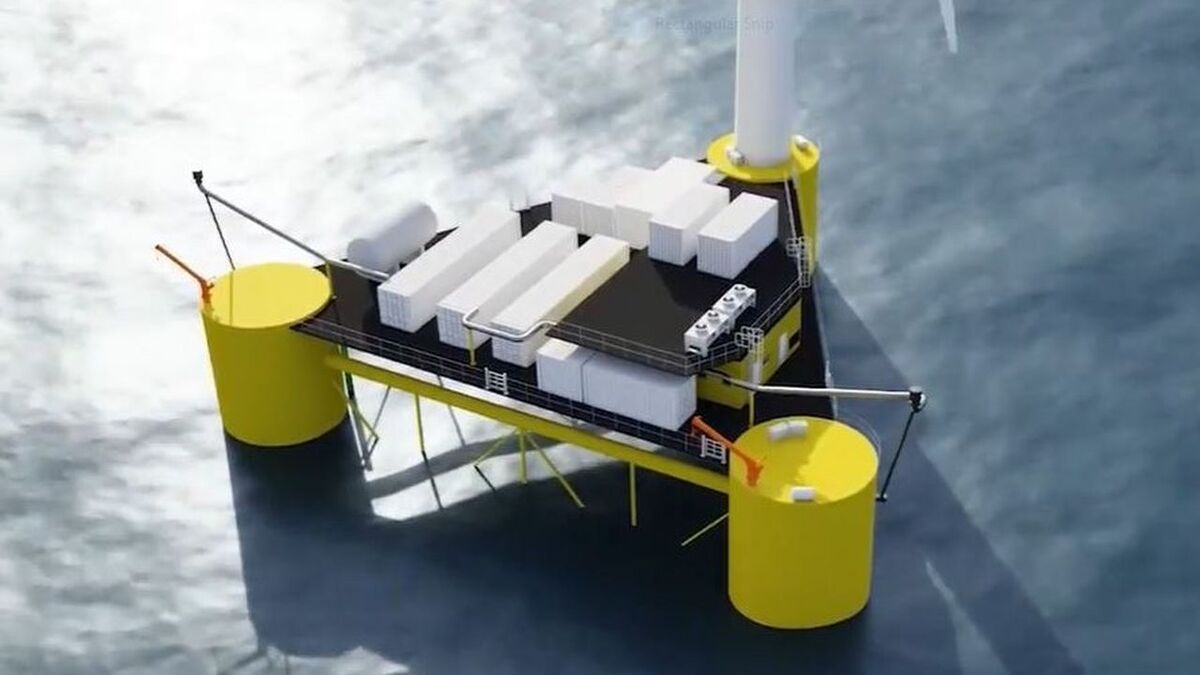
The funding comes from the ‘Net Zero Innovation Portfolio Low Carbon Hydrogen Supply 2 Competition’ and will help advance Dolphyn, a project to produce green hydrogen using floating offshore wind turbines.
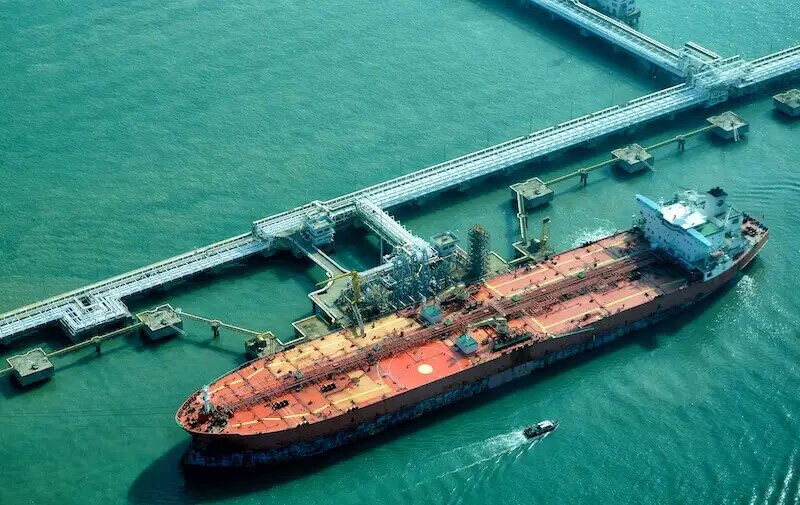
The funding will also support a feasibility study on the bulk storage of hydrogen using liquid organic hydrogen carriers (LOHC) at existing oil terminals and the design development of an LOHC tank system to reduce the footprint and cost of hydrogen storage.
Overall, the projects aim to provide affordable and safe low-carbon hydrogen solutions that can be deployed at scale, creating an opportunity for the UK to take a world-leading position in the rapidly emerging hydrogen economy.
The announcement follows the launch of the UK Government’s ‘British Energy Security Strategy,’ which builds on its ‘Ten point plan for a green industrial revolution’ and its Net Zero Strategy. The new strategy is designed to accelerate the transition away from fossil fuels and provide the UK with a clean, affordable and secure supply of energy for the long term.
The Energy Security Strategy sets out the UK Government’s plans to increase the proportion of electricity coming from renewables, including measures to support the growth of the UK’s hydrogen economy.
The UK Government has committed to double the UK’s low-carbon hydrogen production targets to up to 10 GW by 2030, with at least half of this being green hydrogen and will also research and build new models for the transport and storage of hydrogen.
ERM director hydrogen ventures Steve Matthews said, “We are delighted to receive this support from the UK Government for these innovative projects, which we believe will help transform the UK’s hydrogen landscape.
“The UK is at a critical point when it comes to our energy strategy, and we believe that low carbon hydrogen has a critical role to play on the journey to creating an energy system that is not only secure and efficient, but also capable of hitting our net-zero targets in an affordable way.”
Dolphyn combines electrolysis, desalination and hydrogen production on a floating wind platform. The hydrogen produced would be sent to shore via pipeline, where it can be used for power generation, transport, industrial use and heating.
“At the point of use, hydrogen produced from Dolphyn concept is zero carbon,” said the company. “It will be developed to multi-GW scale at multiple locations.