According to a report from Reuters, European Union leaders are set to discuss their approach to trade negotiations with the United States during a meeting in Brussels. The key question on the table is whether they should pursue a swift agreement that may favor Washington or escalate tensions in hopes of securing better terms. Many officials believe that reaching a speedy deal is the most favorable route, allowing the EU to implement its own measures for rebalancing.
The European Commission, which represents the EU in trade discussions, will seek guidance from leaders of its 27 member states regarding President Donald Trump’s looming July 9 deadline for an agreement. While aiming for a mutually beneficial outcome, there’s concern among EU diplomats about Washington’s steadfastness on maintaining high tariffs—10% on most goods and even higher rates if negotiations drag on.
German Chancellor Friedrich Merz emphasized in parliament that it’s crucial to avoid further escalation of trade conflicts with the U.S., expressing hope for an agreement by early July. Currently, U.S. tariffs include hefty charges: 50% on steel and aluminum imports from Europe and 25% on cars and parts.
Interestingly, while only one significant trade deal has been finalized between the U.S. and Britain—with those same tariffs still intact—EU leaders are wary of entering into economic warfare following their NATO summit discussions.
Some countries within the EU appear inclined toward accepting these baseline tariffs as part of their strategy to protect local businesses. However, there’s also debate about whether they should retaliate against these imposed tariffs with their own measures—a sentiment echoed by Merz who mentioned readiness for various options.
The bloc has already agreed (but not enforced) tariffs amounting to €21 billion against U.S. goods and is contemplating additional measures targeting up to €95 billion worth of imports from America. Yet some member states are hesitant about implementing these retaliatory actions due to concerns over potential backlash.
One proposed measure includes taxing digital advertising aimed at major American tech firms like Google and Apple—this could help balance out some service trade deficits between Europe and the U.S., where Europe currently enjoys a surplus in goods but faces challenges in services.
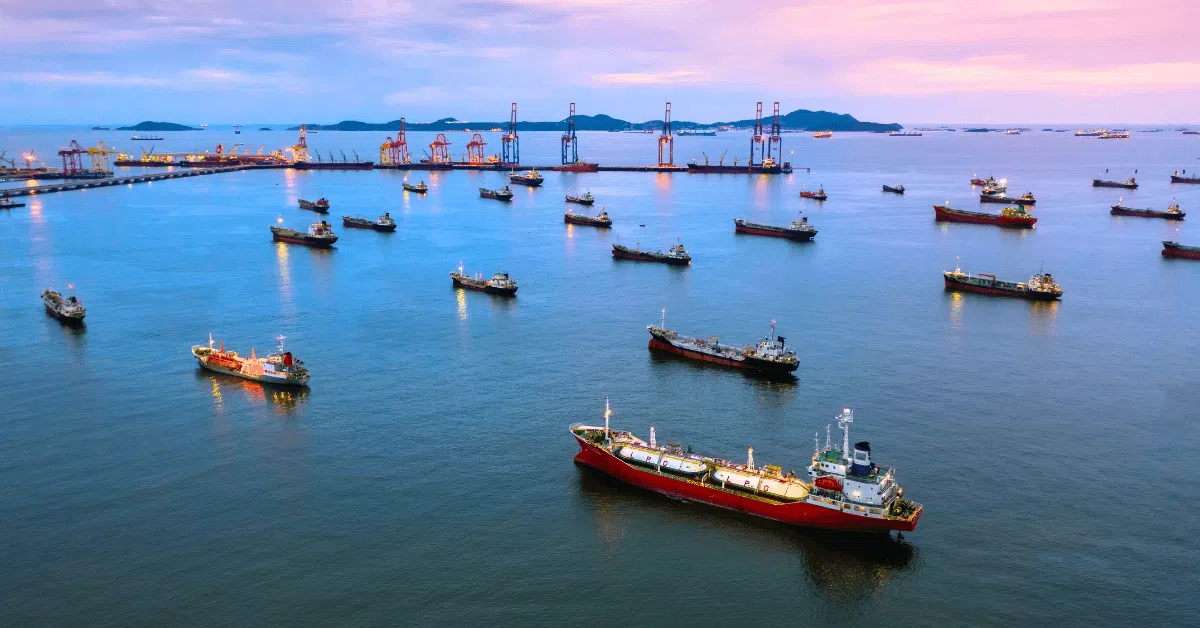
Additionally, there’s talk within the Commission about negotiating zero-tariff agreements specifically focused on industrial products while also considering increased purchases of liquefied natural gas (LNG) from America as part of broader economic strategies.
Though, Washington seems more interested in addressing perceived barriers such as environmental regulations rather than engaging deeply with tariff reductions proposed by Brussels. On another front during this summit, EU leaders will address concerns raised by Slovakia and Hungary regarding their reliance on Russian gas amid plans for phasing out all Russian imports by 2027—a move critical enough that assurances might sway these nations’ support towards new sanctions against Russia currently being debated among EU governments.
Yet complications arise as proposals like lowering price caps on Russian oil face resistance not just from within but also due to opposition from key players like Greece and Cyprus who have vested interests tied up in oil shipping industries.