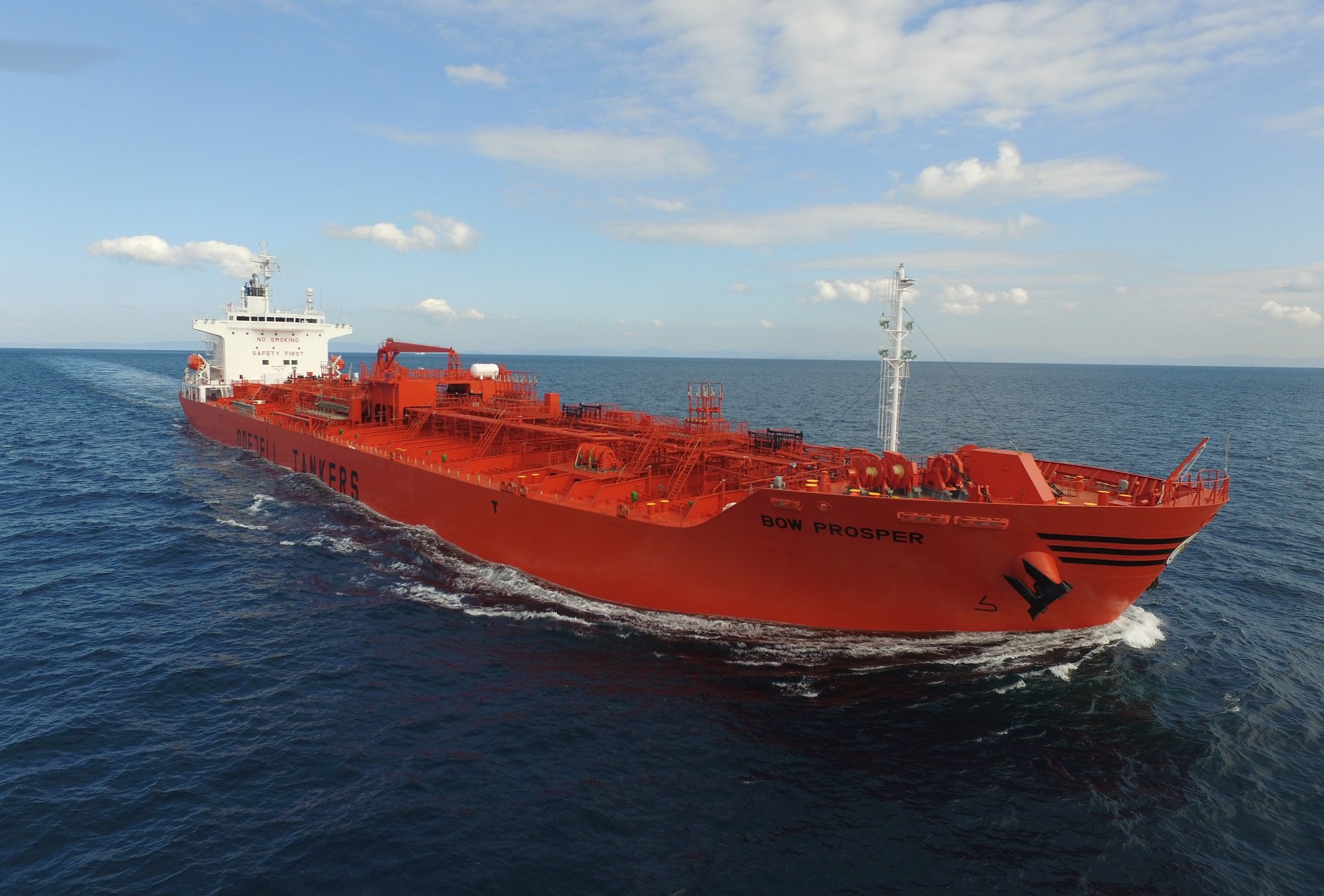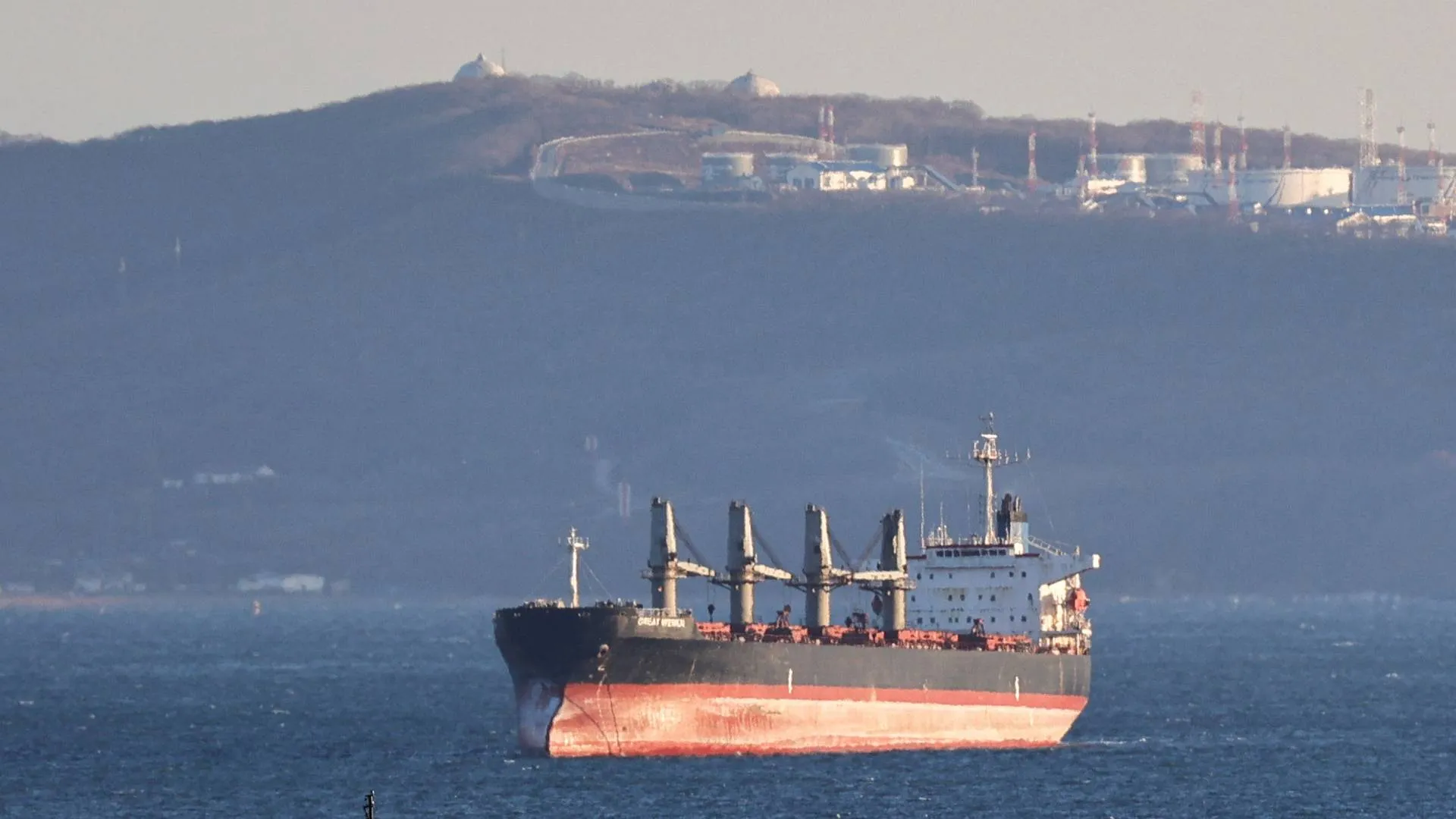
The captain’s license for the Volgoneft had expired, Russian authorities revealed, bolstering the charges against the managing company for the two maritime accidents in December 2024.
Russia’s state environmental agency, Rosprirodnadzor, claimed in court this week that the managing company of the two tankers that sank in December 2024 had multiple violations.
The latest charges concern expired licenses and certificates and came as the environmental agency seeks further compensation and action from the tanker’s managing company to address the environmental impacts caused by the two accidents.
Prosecution of the captain because his ship was split in half and caused pollution in Kerch
The tanker Volgoneft 212 sank during a storm in December 2024, carrying 4,300 tons of oil. A second tanker from the same managing company, the Volgoneft 239, ran aground around the same time in the area near the Kerch Strait.
Together, the two vessels were transporting approximately 9,200 metric tons of fuel. Authorities estimate that at least half of the fuel leaked into the sea from the two incidents, and a few days later, a third Volgoneft tanker, the 109, also reported a leak while in port.
The two tankers that shocked when they broke apart continue to pollute the Black Sea (video)
As part of the lawsuit, Russian authorities told the court that the captain of the Volgoneft 239 had an expired license even before the vessel departed from port.
Some media reports had previously claimed that the tanker’s helmsman was alone on the bridge, which has been repeatedly denied.
Russian authorities also stated that the managing company of the tankers was not certified to operate the vessels in open seas during the winter months, according to a Moscow Times report. The company attributes the two accidents to severe weather.
Reports highlight that the vessels relied on a Soviet-era design from the 1950s. They were primarily built to travel on rivers and calm waters.
The ships were approximately 133 meters long each and had a carrying capacity of 4,000 to 5,000 dwt. The ships were reportedly initially designed to handle waves less than 2.1 meters high, but reports claim the Volgoneft 239 faced waves reaching 7.62 meters in December 2024 when it sank.
Rosprirodnadzor filed a lawsuit against the tanker’s managing company, stating that it is responsible for paying for the cleanup and salvage of the tankers.
The bow section of the Volgoneft 239 remains submerged, leading to disputes over its condition. Court reports noted that the bow section continues to leak oil, and further recovery and sealing efforts are scheduled after October.
The agency, however, quickly issued a denial, stating that no leaks were detected.
However, it noted that the responsibility remains with the operator and acknowledged the potential environmental risks from further leaks.
Volgoneft has filed a lawsuit to prevent Russian authorities in Crimea from taking over the rescue efforts, as it argues this would lead to increased costs. The Russian authorities wanted to pump out the remaining fuel from the ship’s bow.
They told the court that the Anapa region has spent more than approximately $2.7 million on cleanup efforts. It reported that nearly 200,000 metric tons of contaminated sand have been removed and over 310 miles of coastline have been cleaned. The city has separately sued the operating company for its expenses.
Ukraine has also stated that it will seek to prosecute for the damages it suffered from the spilled oil.
Russian authorities launched an inspection program in February 2025 for all river-sea tankers from the Soviet era. Reports indicated there were over 500 tankers built in the 1960s and 1970s, and none could return to operation before being inspected.