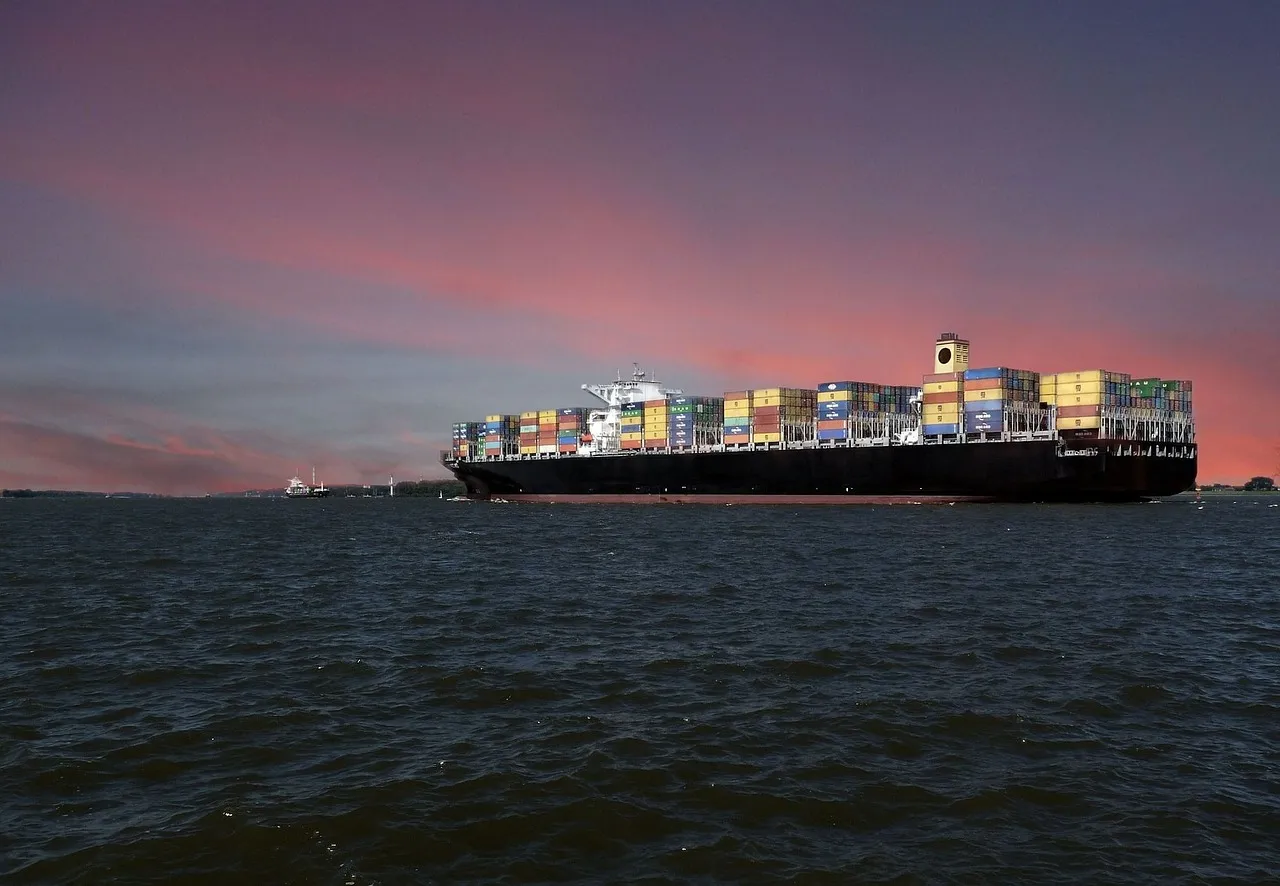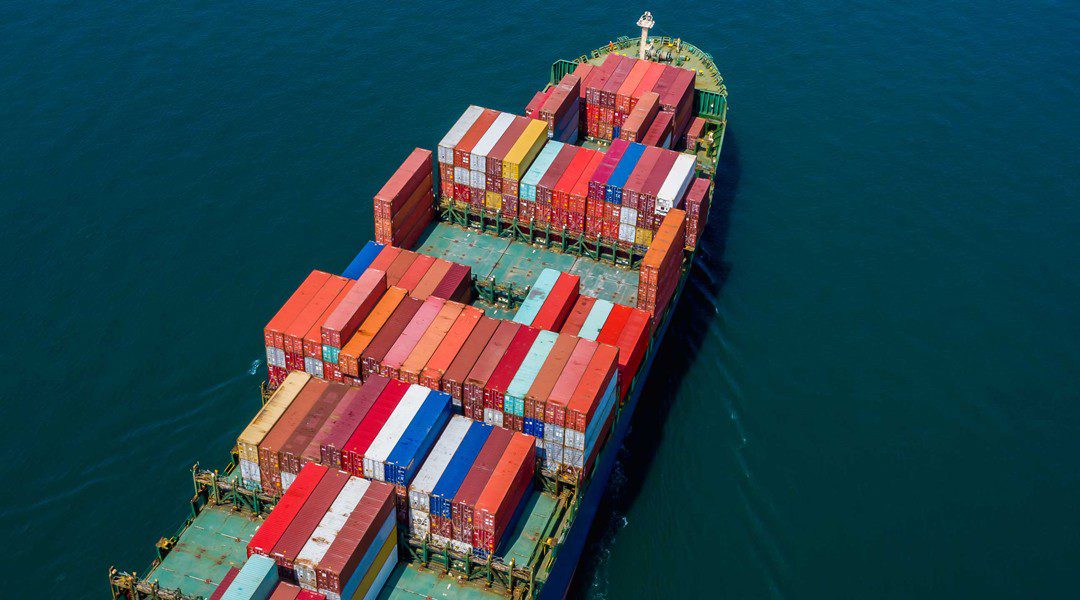
China News Service, Guangzhou, May 7 (Fang Weibin, Xu Xuyu, Liu Teng) The “Asia” vessel slowly docked at Xinsha Port, Guangzhou Port on May 7. The Second Duty Team of Guangzhou Huangpu Border Inspection Station efficiently facilitated the loading of over 900 domestically produced new energy vehicles. Data shows that since the beginning of this year, the export of new energy vehicles from Xinsha Port has exceeded 25,000 units, a year-on-year surge of 265%.
As a key automobile distribution hub in South China, Xinsha Port was once the largest automobile import port in the region. With the optimization of the industrial structure, the foreign trade landscape of the port has undergone a historic turning point. According to Huangpu Border Inspection Station, in February this year, Xinsha Port exported nearly 11,000 vehicles, surpassing the import volume of over 9,000 vehicles. For the first time, export volume exceeded import volume, and the overall port automobile handling volume increased by 93.2% year-on-year.
This turning point benefits from the shift in global market demand. Su Jieyu, head of Guangzhou Port Group Xinsha Port Co., Ltd., pointed out that demand for low-energy, high-intelligence vehicle models is surging in Europe, Southeast Asia, and other regions. Domestic brands such as BYD, GAC, and XPeng continue to lead with their advantages in the full industrial chain.
Industry macro data is equally impressive. In the first quarter of 2026, China’s automobile exports reached 2.226 million units, a year-on-year increase of 56.7%; among them, new energy vehicle exports reached 954,000 units, surging by 1.2 times. Since April, multiple giant vessels such as “Mogul Leader” have set sail from Xinsha Port, with the proportion of new energy vehicle loading on a single ship reaching up to 85%. The port’s overseas shipping frequency and volume have repeatedly broken records.
Facing the surging pressure of shipping schedules, the Second Duty Team of Huangpu Border Inspection Station tailored a guarantee plan, implementing 24-hour on-arrival inspection and opening a “green channel” for new energy vehicle exports. Through one-stop completion of entry and exit procedures, and全程跟进 loading and inspection processes, the station minimizes vessel berthing time, ensuring “zero backlog, zero delay” for vehicle exports, solving the pain point of “ships waiting for no one” for enterprises.
Currently, Xinsha Port has established a normalized overseas shipping route network covering Southeast Asia, Oceania, and Europe. With the continuous iteration of customs clearance facilitation measures, this established automobile hub is accelerating its transformation into an important gateway for new energy vehicles from the Guangdong-Hong Kong-Macao Greater Bay Area to deeply explore the global market. (End)