Following two orders placed at Jiangmen Nanyang Shipbuilding last week, Hong Kong-listed shipowner Jinhui Holdings announced this week that it has ordered two more bulk carriers, continuing to expand its fleet.
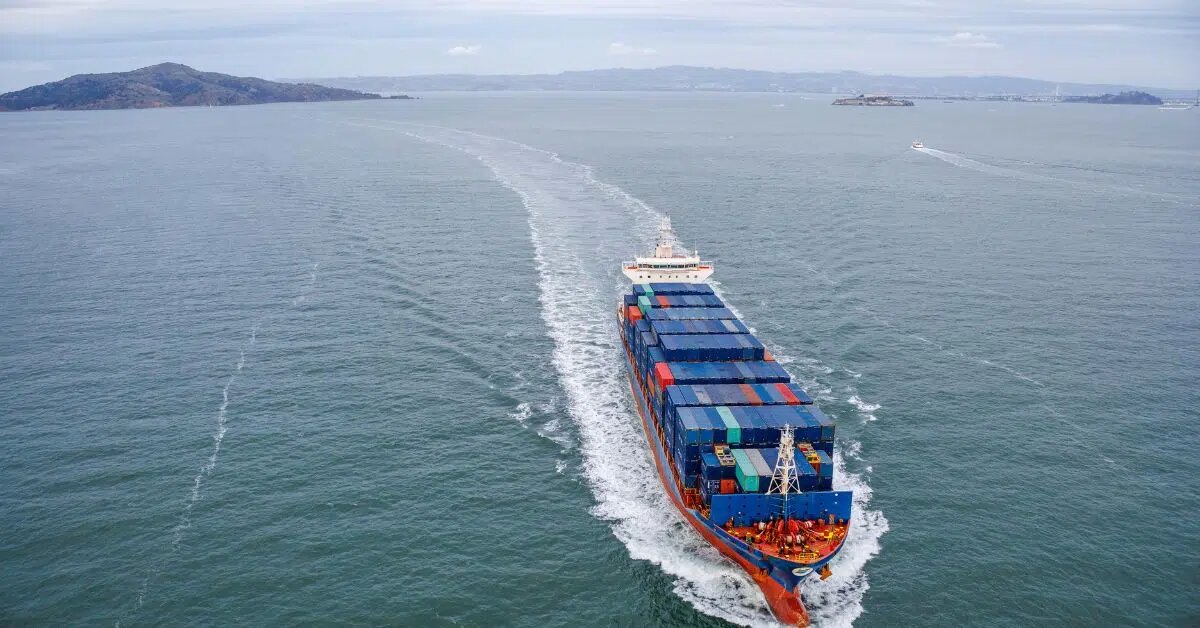
According to an announcement, a wholly-owned subsidiary of Jinhui Shipping, an indirect subsidiary in which Jinhui Holdings holds a 55.69% stake, signed shipbuilding contracts with Sumec Shipbuilding’s New Dayang Shipyard for two 64,100 dwt bulk carriers. The price per vessel is $34 million, bringing the total cost for the two ships to $68 million (approximately RMB 460 million). The new vessels are scheduled for delivery on or before May 31, 2030.
For reference, Clarksons data shows that the current newbuilding price for a 61,000-64,500 dwt bulk carrier is approximately $34.5 million (approximately RMB 233 million), a slight increase compared to $33.5 million in the same period last year.
Jinhui Holdings stated that the contract amount will be paid in US dollars in cash. Approximately 55% of the total expected contract price will be financed through bank loans, with the remainder funded from the group’s internal resources. The payment for the vessels is divided into four installments, with 60% being the final delivery payment. The pricing was determined through fair negotiation, taking into account the shipyard’s quotation, delivery schedule, and recent market transaction prices for similar vessels.
Jinhui Holdings noted that the group’s principal business is international ship leasing and ship ownership. The acquisition of these two new vessels aligns with the group’s ongoing strategy to renew its fleet with modern, larger, and higher-quality vessels, gradually phasing out older tonnage and replacing it with newer, younger vessels. The availability of suitable, modern, low-age vessels on the second-hand market fluctuates significantly. Currently, the company has been unable to find quality, low-age second-hand vessels with suitable specifications, favorable delivery timelines, and reasonable prices on the market. The company has referenced transaction prices of comparable vessels in recent market transactions and decided to order new vessels that comply with the latest maritime regulations and incorporate specially designed features.
Compared to other bulk carriers currently operated by the group, these newly ordered vessels offer higher fuel efficiency and operational efficiency, meeting the latest environmental regulations and current code requirements of the shipping industry. This decision supports the company’s long-term goal of maintaining a young and modern fleet to provide better service to its customers and meet the specific needs of their cargo trades and destinations. After delivery, the new vessels will be chartered to third-party companies for the transportation of dry bulk commodities, generating charter hire and providing the group with recurring freight and hire income.
Currently, Jinhui Holdings operates 21 vessels, including 18 owned vessels and 3 chartered vessels, with a total capacity of approximately 1.7 million dwt. Among the owned vessels, two have been arranged under sale and leaseback agreements, and two have been sold. The directors believe that now is an opportune time to further expand the fleet size to increase the group’s operating revenue.
This is Jinhui Holdings’ second order at Sumec Shipbuilding’s New Dayang Shipyard this year. In February of this year, Jinhui Holdings placed its initial order for two 64,100 dwt bulk carriers at New Dayang. Including the latest order, Jinhui Holdings currently has orders for ten Ultramax bulk carriers, comprising six 64,500 dwt vessels at Jiangmen Nanyang Shipbuilding and four at New Dayang Shipyard. These new vessels will be delivered sequentially between 2028 and 2030.
Just last week, on June 3, Jinhui Holdings announced an additional order for the fifth and sixth 64,500 dwt bulk carriers at Jiangmen Nanyang Shipbuilding, with a price of approximately $34.15 million per vessel. These new ships are scheduled for delivery on or before December 31, 2030.
It is understood that Jinhui Holdings is an investment holding company that operates a global shipping business through its 55.69%-owned subsidiary, Jinhui Shipping. The group’s shipping business began in the 1980s, and it currently operates a modern bulk carrier fleet ranging from Supramax to Capesize vessels. In 1991, Jinhui Holdings was listed on the Hong Kong Stock Exchange as a holding company for several ship-owning and ship-leasing subsidiaries. In 1994, Jinhui Shipping was listed on the Oslo Stock Exchange in Norway.
Excluding the latest orders, Clarksons data shows that New Dayang Shipyard currently holds an orderbook totaling 82 vessels with 4.71 million dwt, including 58 bulk carriers, 14 container ships, 6 multi-purpose vessels, and 4 tankers, with delivery schedules extending to 2029.