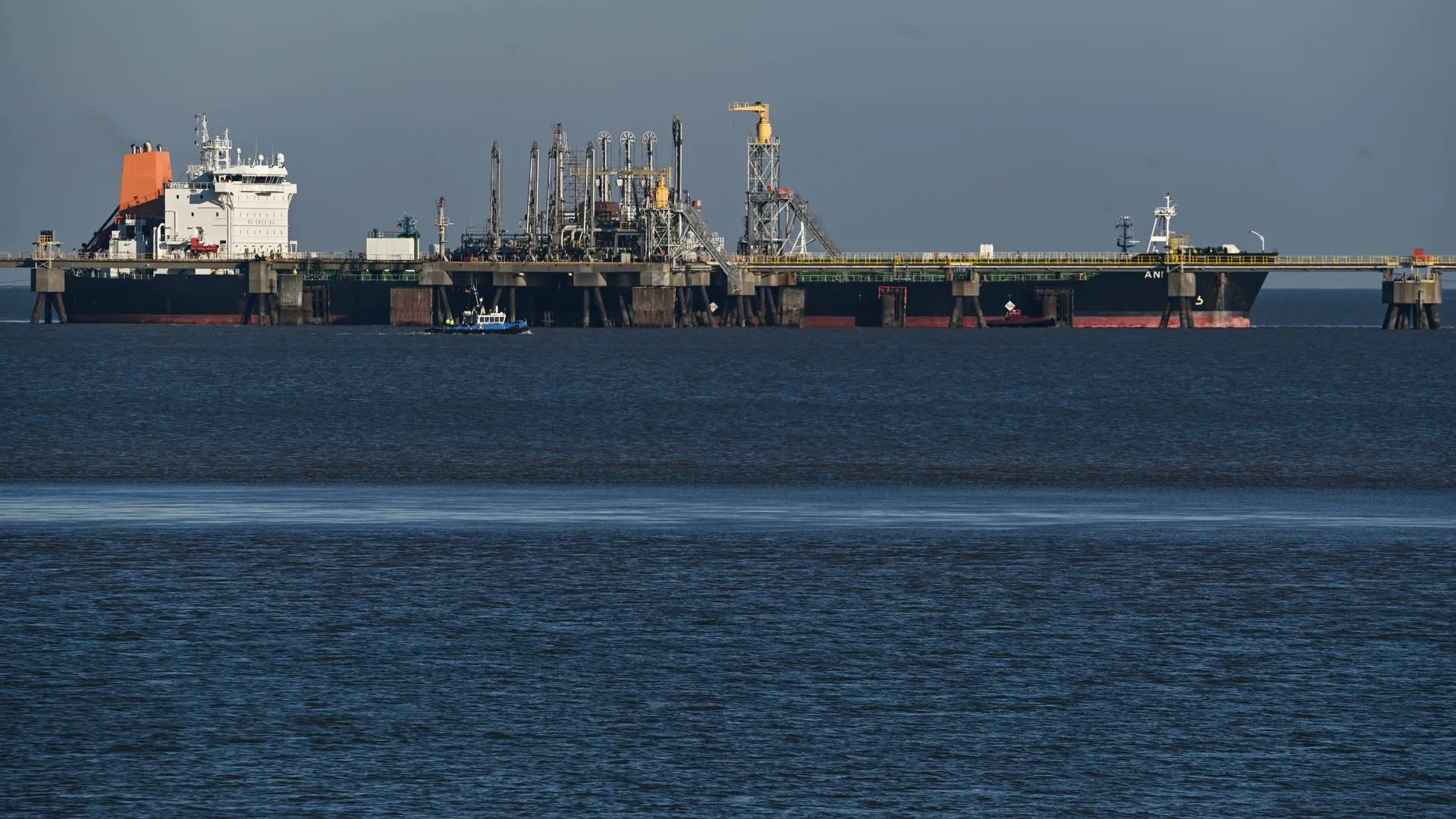
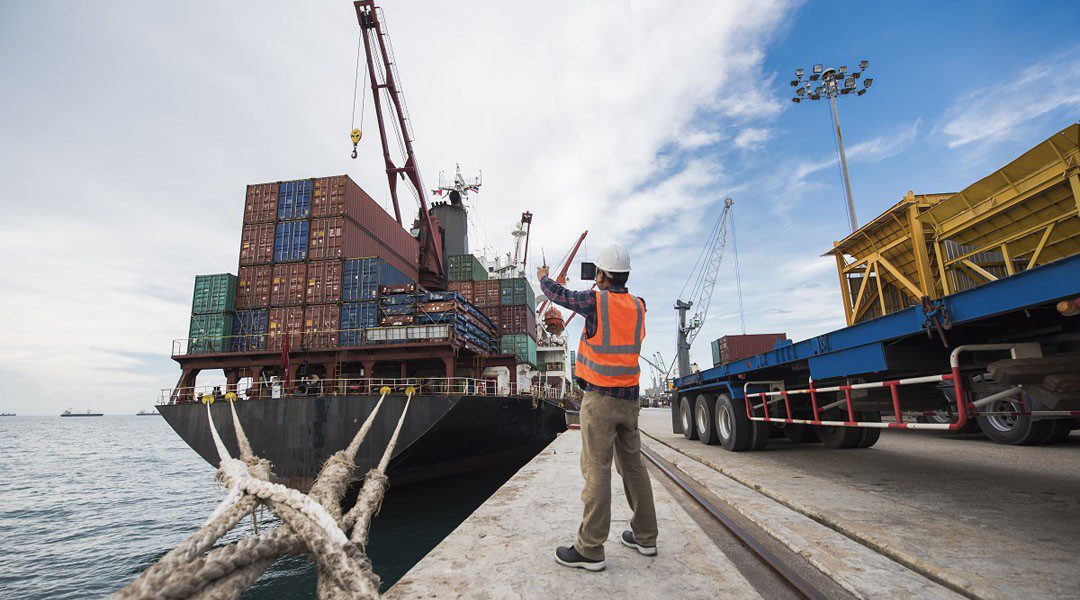
Disruptions in global supply chains due to the pandemic had turned the container crisis into one of the biggest problems for international trade. Although freight rates have decreased since then, container circulation has not been fully balanced. Supply-demand imbalances, geopolitical risks, energy costs, and sustainability pressures are reshaping maritime transport. Ali Demircan, Operations Director of Lanes Logistics, says this transformation signals a critical turning point for the future of global trade.
With the reopening of the global economy, a normalization process began in maritime shipping. However, the imbalance in the regional distribution of containers continues. While congestion at Asian ports has decreased, stocks of empty containers at European and American ports are increasing. This situation necessitates a re-evaluation of planning and routing strategies in global supply chains.
Geopolitical impacts and new routes
The Russia-Ukraine war, security issues in the Red Sea, and the declining water level in the Panama Canal are affecting traditional maritime shipping routes. These developments are directing cargo towards safer and more predictable routes. In this sense, the Middle Corridor, in which Turkey is located, stands out as an alternative route to maritime transport.
Costs and Freight Balance
Although global freight rates have decreased significantly compared to the pandemic period, energy prices and carbon taxes are creating new cost pressures on the sector. Now, not only speed but also energy efficiency and carbon footprint are at the center of logistics planning. This leads carriers and supply chain managers to consider sustainability criteria more in their decision-making processes.
Digitalization: The key to the new balance
To balance container circulation on a global scale, not only physical but also digital infrastructures need to be strengthened. Real-time tracking systems, AI-powered route optimization, digital customs processes, and data integration enable more efficient management of container traffic. This transformation increases operational transparency and customer trust in the logistics sector.
Sustainability-focused transformation
The European Green Deal and carbon regulations are directing logistics companies towards low-emission transport models. Intermodal transport, fleet management that ensures energy efficiency, and eco-friendly logistics solutions are now becoming fundamental elements that create a competitive advantage.
Logistics’ new equilibrium point
Although full balance in global container circulation has not yet been achieved, the sector is evolving towards a more resilient structure based on hybrid transport, digital integration, and sustainability. Ali Demircan emphasizes that this transformation also holds significant opportunities for Turkey with these words: “This restructuring in global trade supports Turkey’s vision of becoming a logistics hub. As Lanes Logistics, we are at the center of this transformation to offer our customers faster, greener, and smarter solutions.”
7DENIZ