Although at an institutional level the member states of the International Maritime Organization have not managed to agree on a sustainable “path” for the decarbonization of shipping, which combines both emission reduction and serving the needs of the planet, given that more than 80% of cargo is transported by ships, the shipping industry, operating in real time, is systematically investing in ships with conventional fuels, with state-of-the-art technologies that reduce consumption by even more than 40% compared to five years ago, or in dual-fuel engines with LNG.
Nevertheless, conventional fuels continue to represent over 90% of the active and under-construction global fleet.
This is shown by the latest report from Lloyd’s Register (LR), according to which, by March 2026, the fleet of dual-fuel LNG ships has reached 1,665 vessels, with an additional 982 on order, expanding the fleet of ships using gas as fuel.
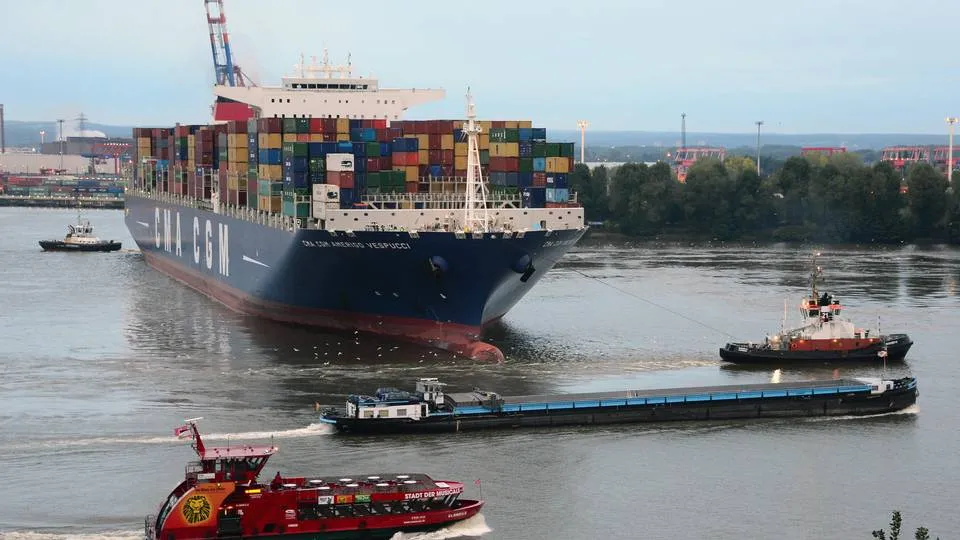
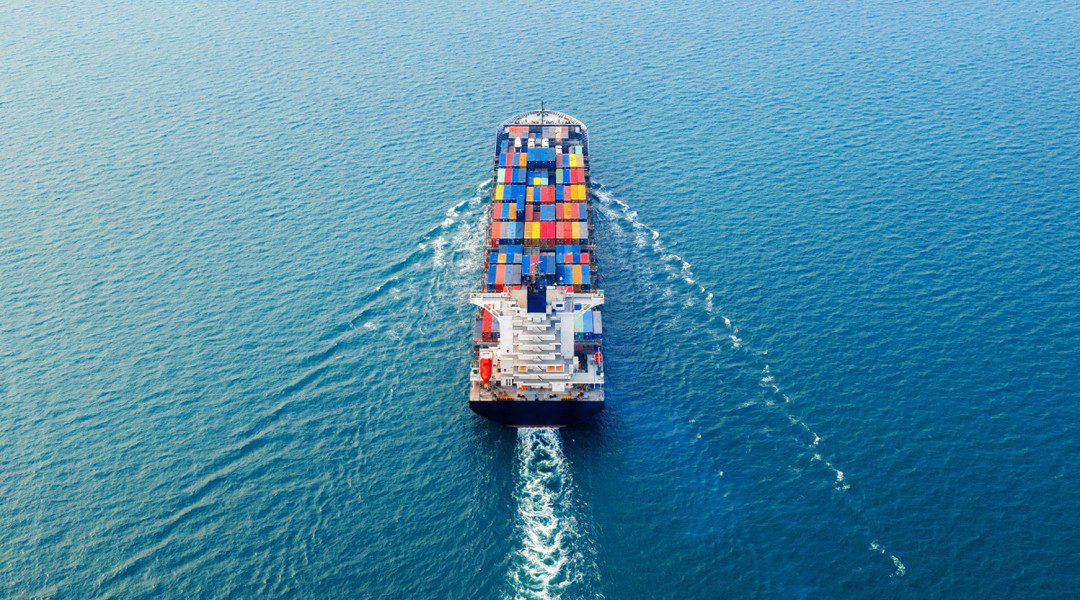
LNG continues to be the main alternative fuel in the current order book. Growth is particularly driven by the container ship sector, which is heading towards more than doubling its fleet with LNG capability, while cruise ship, tanker, and RoRo operators are also accelerating its adoption.
According to IHS data, dual-fuel LNG ships represent almost a quarter of the installed power in the orderbook.
In all ship segments, the percentage of installed power concerning LNG-capable ships is much higher. For example, in containerships, LNG-capable ships currently represent 3.8% of installed power. Upon completion of existing orders, this percentage will rise to 46.3%.
The clear message from the data is that demand for LNG-capable ships is increasing dramatically, both in terms of the number of orders and the size of LNG dual-fuel applications – a fact that suggests growing maturity of both the technology and the global availability of the fuel.
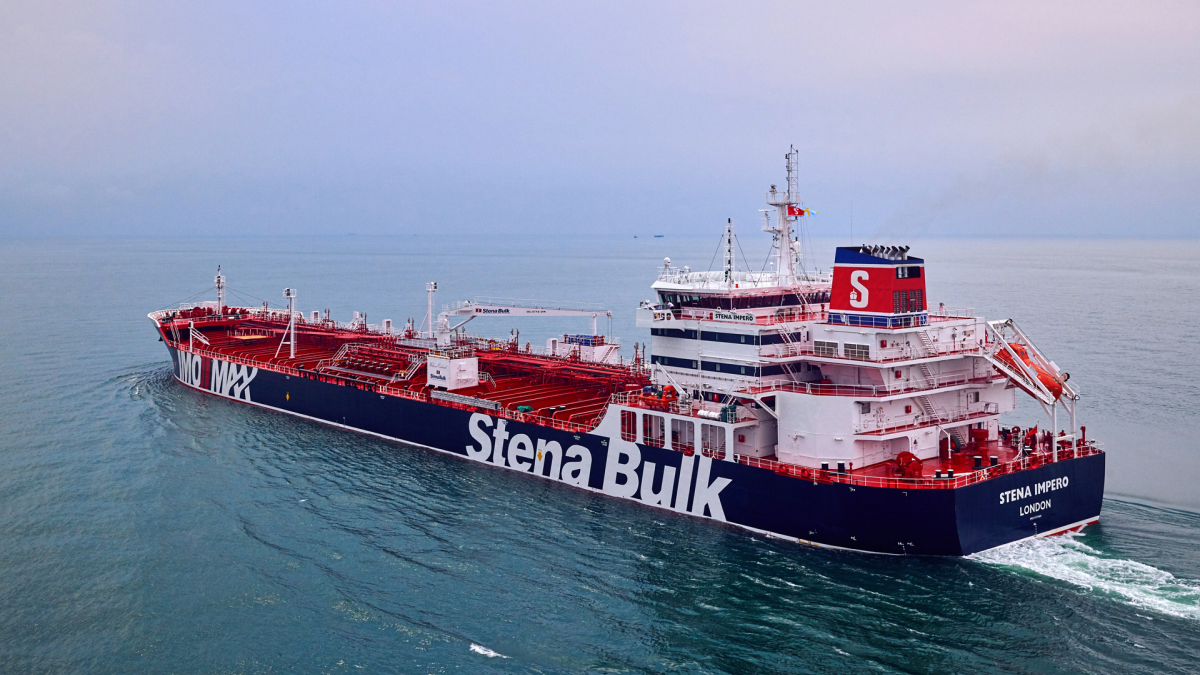
The large tanker segment of VLCCs represents a small but growing niche market for LNG as a marine fuel, with 22 ships in operation and 13 on order (as of December 2025).
In 2023, four VLCCs were built by Hanwha Ocean (formerly Daewoo Shipbuilding & Marine Engineering) for tanker operator Advantage Tankers.
The ships were built under the Neptune project, in which the first ten dual-fuel VLCCs were delivered – all under LR class -, with the Advantage Verdict being the first.
Alongside the four Advantage vessels, three were built for AET and another three for International Seaways.
Furthermore, according to LR, LNG remains the most cost-effective alternative fuel pathway until 2050, under any proposed regulatory framework to date.
The report also shows that blending LNG with bioLNG and e-LNG could further enhance this advantage, allowing LNG-powered vessels to generate compliance surpluses during the early years of the new regulatory regimes.
A key focus of the updated report is the significant progress in reducing methane slip.
According to the research, high-pressure two-stroke engines now achieve emissions as low as 0.2 g/kWh, while low-pressure engines with installed exhaust gas recirculation systems achieve reductions of over 60%.
However, these improvements are not yet reflected in the emission factors of both the European FuelEU Maritime regulation and the International Maritime Organization (IMO) life cycle assessment guidelines.
The report argues that updating these factors is essential so that regulations reflect current technology and reward real emission reductions, rather than penalizing early investors.
The report also highlights the importance of fuel certification. Cleaner LNG production, reduced methane leakage, and the development of independently verified certification systems are critical prerequisites for shipowners to fully exploit the emission reduction potential of cleaner supply chains.
Furthermore, operational issues for LNG-fueled vessels during drydocking are examined, with recommendations for planning, execution, and safety.
Konstantinos Chaelis, Global Gas Segment Director at Lloyd’s Register, stated: “LNG is a readily available and well-established fuel in the transition period, aligning with both operational requirements and emerging regulatory demands.
As the global bunkering infrastructure continues to expand, renewable gas supply chains mature, and emission control technologies are more widely adopted, LNG is expected to remain a cornerstone of the maritime energy transition landscape.”
For his part, Panos Mitrou, SVP Shipping Strategy at Lloyd’s Register, stated: “The findings of our new report underscore that the continued interest in LNG is not merely a bridge to other fuels, but a strategic response to the tightening of global and regional regulations. We must intensify our focus on methane emissions, cleaner forms of LNG, and improving the greenhouse gas footprint across the LNG value chain.”
To have more articles from Naftemporiki appear easily and quickly in your searches, you need to add the site to your preferred sources. You can do this by going here.