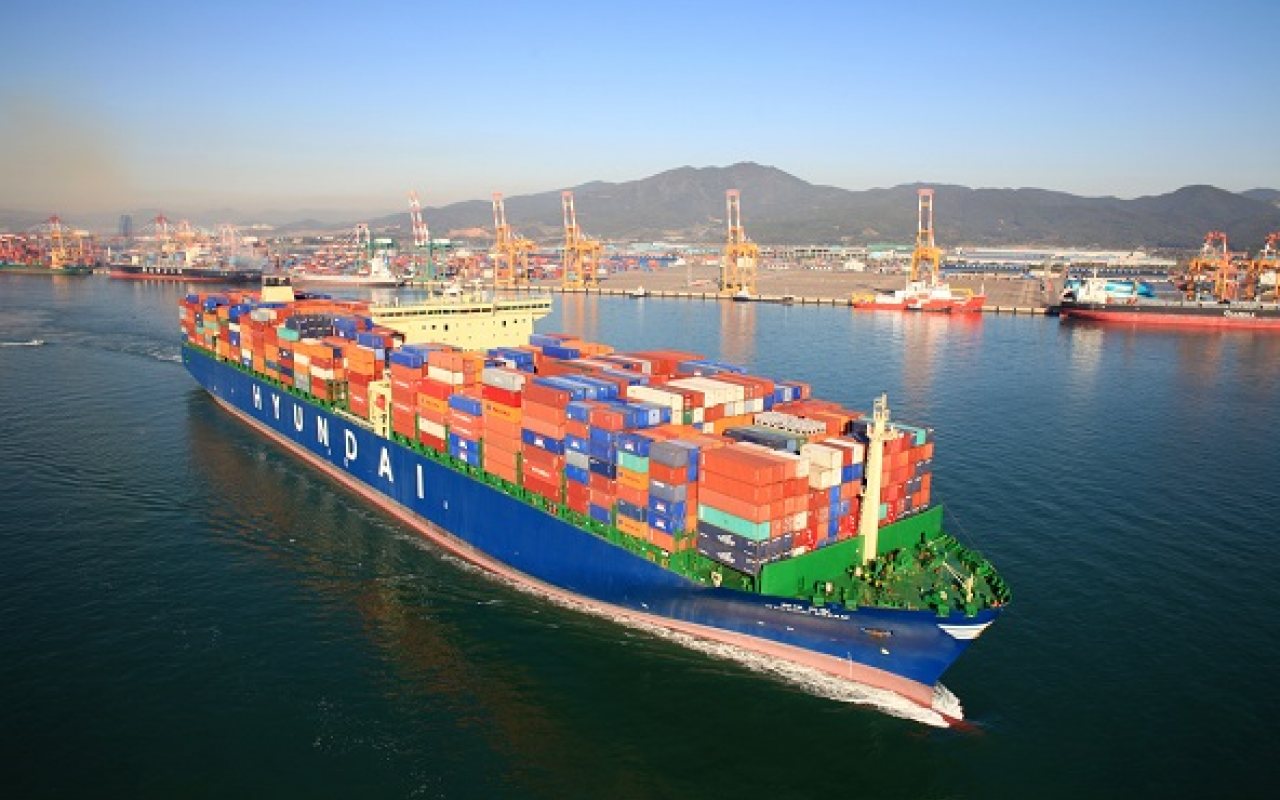
The Maritime Anti-Corruption Networks (MACN) published its annual report for 2021 describing the events that have led to seismic changes in the maritime, raising the need for a renewed focus on anti-corruption.
Compliance, eLearning, and Training
If incident reporting helps identify the presence and scale of corruption, training and compliance education – on shore and at sea – are a key part of building a solution. Over the last ten years MACN has developed training programs both for the private and public sector and we have reached thousands of port staff, seafarers, and onshore shipping company employees. We are now in dialogue with maritime academies to developed specific course for the next generation of seafarers.
As a result of industry feedback, we recognize there is also a need to better tie third party risk assessment into capacity building. We are in the process of developing a third-party risk management platform that will also support capacity building at the industry supplier level.
Lessons Learned from Establishing a Global Reporting System
In 2021, with external support from the Danish Ministry of Foreign Affairs, MACN worked on optimizing and improving its incident reporting functionalities and by developing a robust data visualization capability of the reported data. In addition, MACN progressed with the development of the first ever Global Port Integrity Platform (GPIP) – a platform to measure and compare integrity in ports worldwide. GPIP will draw upon MACN’s anonymous incident data as well as other data sources to capture and display integrity risks at the port and operational level and will be launched in 2022.
The most significant outcomes of the reporting system, based on feedback from MACN members, collective action partners, and other stakeholders are as follows:
Over the course of developing the anonymous incident reporting system MACN believes the following lessons have been key to the platform’s success:
Collective action strategy
Over the years MACN has built-up hands-on experience in successfully driving change in countries with a high risk of corruption, and we have also received recognition as a leader in developing and implementing international collective action initiatives.
Moreover, MACN actively seeks member support and external funding to initiate and drive further collective actions in line with the 2025 strategy. In MACN’s updated and revised in-country strategy we reflected on changes in our membership’s trade patterns and to the world in which we have been operating.
The collective action strategy also aimed to be more dynamic, with MACN asking the industry (nonmembers and members) for input on relevant countries through these perspectives: