Summary: North American supply chains remain relatively fluid overall, but conditions are becoming more dynamic across key ocean, gateway, and inland corridors. An early, compressed peak shipping season, frontloaded imports, tariff and fuel uncertainty, tightening inland capacity, and regulatory changes are placing greater emphasis on planning discipline, routing flexibility, and execution reliability. Read more in this month’s North American Market Update from Maersk.
The Situation
North American supply chains are entering mid-2026 with overall fluidity, but also with sharper pressure across specific ocean, gateway, and inland corridors.
For customers in North America, these developments matter because energy costs continue to influence transportation expenses, inflation, and broader demand conditions.
Ocean & Gateway Update
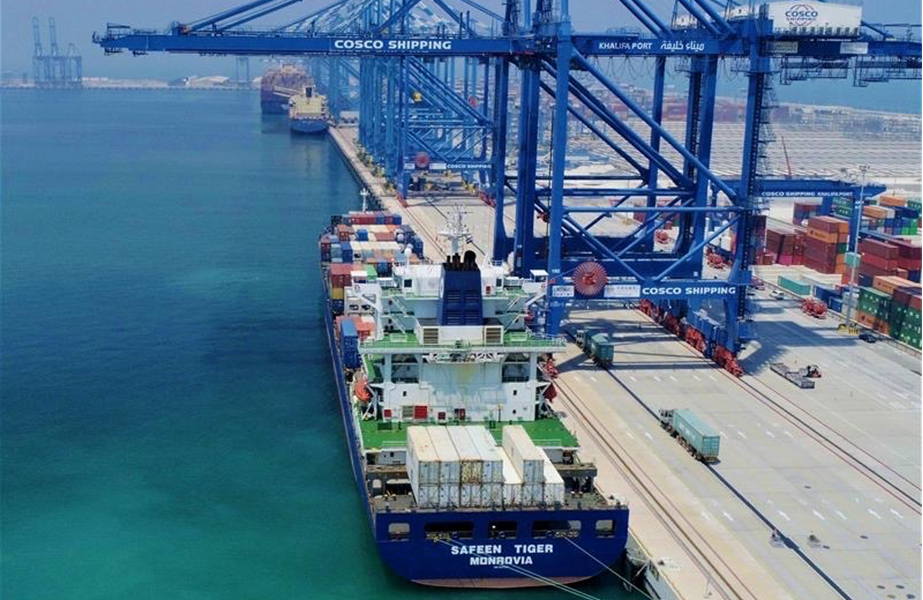
The ocean market is experiencing selective capacity compression across key trade lanes, with early peak season frontloading impacting global asset availability.
Maersk has introduced seasonal Transpacific capacity through the TPX service to support peak-season demand. The service is expected to operate through the end of September, subject to demand. Customers moving cargo from relevant origins should review available routing options with their Maersk representative.
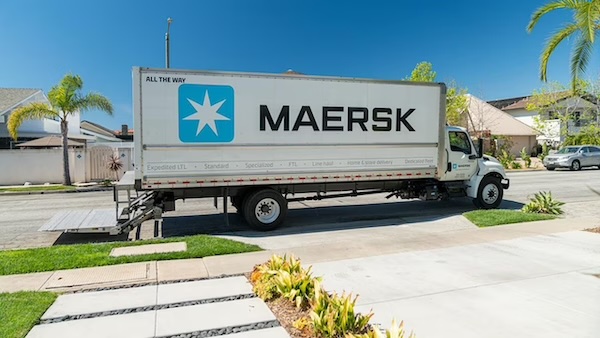
Maersk’s Gemini network continues to show improved schedule reliability across several major east-west corridors. Schedule reliability has improved notably across Asia–North Europe, Asia–Mediterranean, Asia–U.S. West Coast, and Asia–U.S. East Coast trades, with several services maintaining strong performance levels.
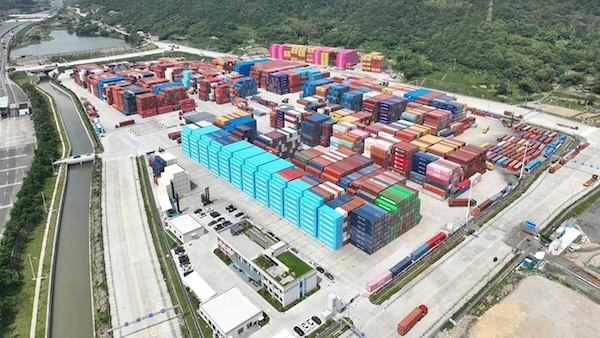
Less-than-Container Load (LCL) Update
Less-than-container load (LCL) demand is being shaped by customers’ need for reliability, speed, and end-to-end control during a more volatile early peak season. With vessel capacity tightening and spot rates climbing across major gateways, some customers are using LCL to keep critical inventory moving instead of waiting to consolidate full-container loads or exposing urgent shipments to avoidable delays. We advise using LCL selectively for priority cargo, inventory gaps, seasonal replenishment, and diversified sourcing flows to ensure predictable freight movement.
Air Freight Update
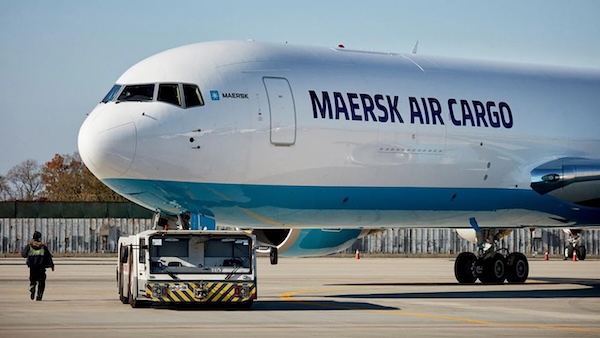
Air freight demand in North America remains supported by high-value and time-sensitive cargo, including AI-related equipment and technology infrastructure. While capacity has recovered from earlier disruption, market rate levels remain elevated compared with last year. Some shippers are evaluating Sea-Air conversions to mitigate extended ocean transit times, contributing to intermittent capacity constraints at major transshipment hubs like Dubai and Singapore.
Customers are advised to use air freight deliberately with clear prioritization of critical cargo, stronger forecasting windows, and alternative routing plans for shipments where speed, security, or launch timing is non-negotiable.
Landside Update (Inland, Depot, Warehouse, Ground Freight)
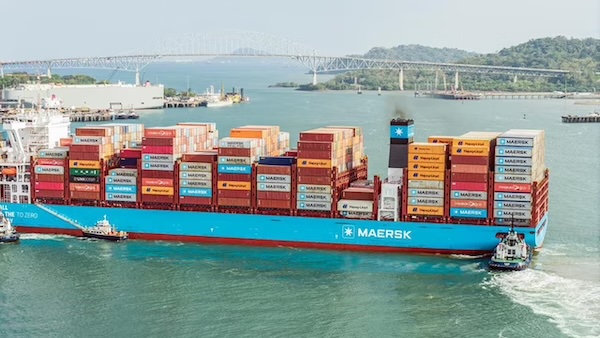
Shifting ocean demand patterns, compressed discharge windows, and uneven cargo flow are creating more variability after cargo reaches the port. Consequently, landside execution has become an increasingly important differentiator for North American supply chains.
Inland Update (First Mile and Rail)
Inland networks have evolved from simple operational infrastructure into primary competitive differentiators for supply chain health. As detailed in our recent featured strategic analysis, Why inland freight networks are the new battleground for supply chain resilience, the post-port landscape requires deep cross-modal orchestration to isolate freight from unexpected macro friction and localized surges.
Drayage conditions are shifting from relatively available to more constrained as peak-season pressure builds directly into Q3. Shippers should expect greater volatility in appointment availability, rail coordination, container flow, and accessorial exposure. Capacity constraints, driver availability, and ongoing fuel volatility mean managing total landed cost, including accessorial costs such as detention, storage, and chassis splits, will be crucial to protecting margins.
Depot Update
Depot capacity is serving as an important buffer for customers managing inbound volume surges, warehouse constraints, or port disruptions. Staging cargo at secure inland depot locations provides a reliable alternative to improve flow control, reduce exposure to avoidable costs, and create more flexibility during compressed arrival windows. To maximize this flexibility, Maersk’s regional depot infrastructure operates as a fully carrier-agnostic network, allowing shippers to consolidate their multi-carrier portfolio into a single, unified landside staging footprint.

Warehousing Update
North American warehousing and distribution environments are stabilizing, but demand remains uneven – driving a shift towards more disciplined, data-led planning. Shippers are becoming more selective, with a focus on flexibility, cost control, and resilience. They face an environment where Q3 supply chain positioning decisions will define Q4 peak performance across cost, service, and capacity.
Consequently, the priorities are shifting from broad capacity expansion towards precision in execution, targeted automation tied to clear ROI, and proactive optimization between dedicated white space and 3PL services for greater agility. Shippers are advised to reassess network design using data-driven network modeling, SKU-level inventory discipline, and leverage scenario-based planning instead of relying on single demand forecasts.
Ground Freight
Capacity across full truckload and less-than-truckload (LTL) remains relatively soft, though early signs of rebalancing are emerging.
Spot market rates continue to experience volatility, while contract rates are demonstrating early signs of stabilization.
In a market defined by change, Maersk’s integrated logistics capabilities are helping customers navigate landside complexity with greater resilience and control. By combining specialized ground freight expertise with end-to-end supply chain solutions, advanced digital tools, and robust cross-border capabilities, we are enabling more efficient, flexible, and sustainable transportation operations. Reach out to your Maersk representative to explore how to best support your transportation needs.
Customs and Compliance Update
Customs enforcement remains central to U.S. trade policy, with recent administrative updates introducing heightened scrutiny and administrative changes for North American supply chains. To stay informed on shifting regulatory frameworks, shippers can monitor the latest updates on global adjustments via Maersk’s dedicated U.S. Tariff Changes Information Hub.
The best way to prepare is through a structured compliance readiness approach. Maersk’s Trade & Customs Consulting team can support you with compliance readiness assessments, importer structure reviews, identification of data and documentation gaps, and broader trade compliance advisory support. For tailored guidance, please contact your Maersk Trade & Customs Consulting representative or fill out the Contact Us form on our website to reach us.
Logistics Ecosystem Update (E-Commerce, Cold Chain, Lead Logistics)
Modern supply chains are becoming more complex to manage through traditional, rigid operational silos—increasing the need for better visibility, flexibility, coordination, and digital decision-making.
E-Commerce Logistics Update
E-commerce parcel networks are moving away from fixed, single-carrier models toward more flexible, multi-carrier networks built to absorb global transit shocks. For retailers preparing for seasonal surges, the operational priority has evolved beyond speed to include predictability, network resilience, exception visibility, and the dynamic ability to shift volume when conditions change.
Lead Logistics Update
The market is shifting from fragmented logistics execution to orchestrated, digital supply chain control. A recent Maersk survey of North American supply chain executives found that nearly 70% of respondents prioritize end-to-end supply chain visibility as the top area where they want a lead logistics provider’s AI and automation efforts focused. However, only 5% of companies consider their own internal logistics AI readiness to be “advanced”. As a result, shippers are increasingly looking for integrated partners who can embed advanced analytics, AI-enabled decision support, automated execution management, and vendor coordination directly into their platform.
Cold Chain Update
Customers are navigating structural shifts in sourcing patterns, safety regulations, population-driven demand, and geopolitical uncertainty. These dynamics require more agile, end-to-end cold chain visibility to protect product freshness and control transit times. Explore how these macro realities are altering temperature-controlled food logistics in our featured deep-dive: The new protein dynamics redefining global poultry trade.
Source: Maersk