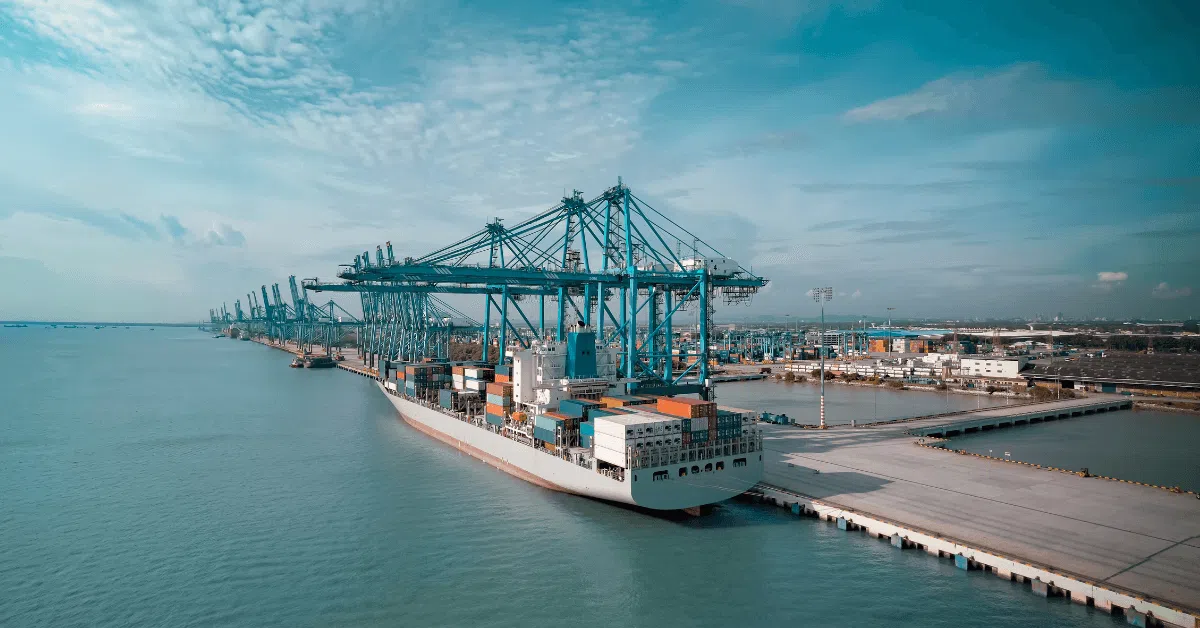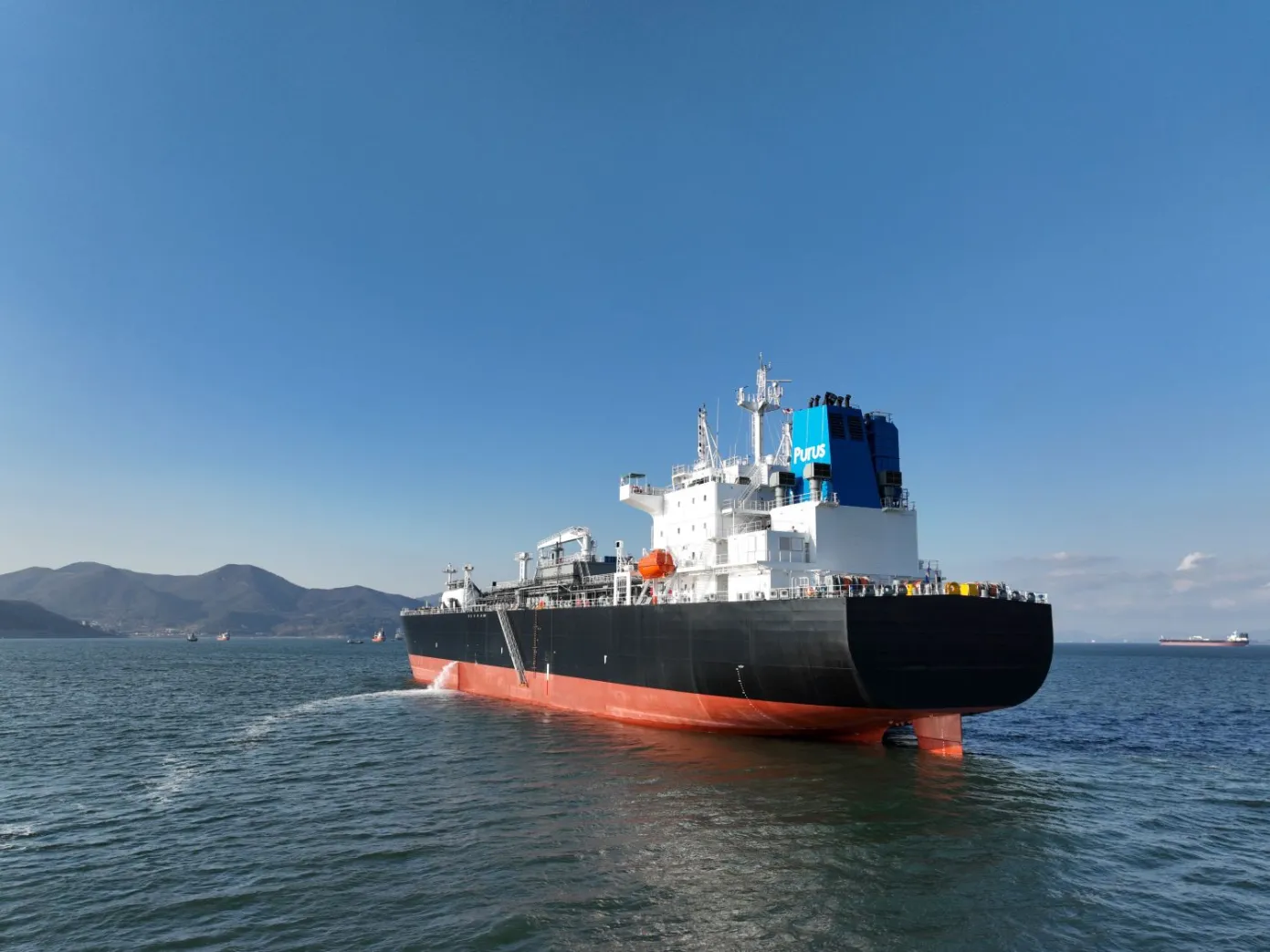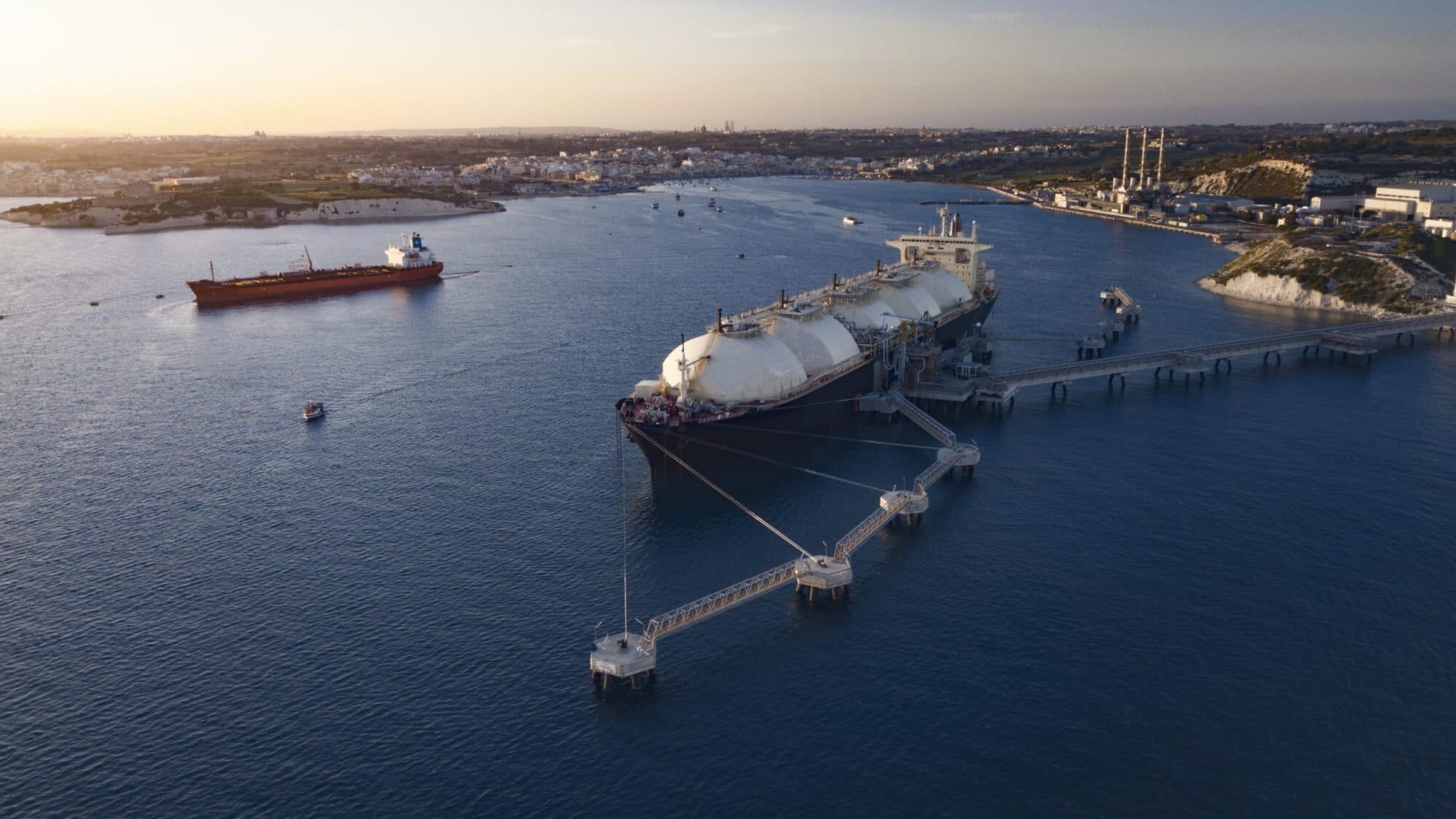
Prinos, APOLLOCO2 and Callisto initiatives highlight maritime terminals’ role in delivering captured CO2 across borders to stockage facilities
The eastern Mediterranean is emerging as a focal point for carbon capture and storage (CCS) development as projects connect dispersed capture sites and limited storage locations. In Greece, the Prinos CO2 Storage Project, led by EnEarth (an Energean subsidiary), is positioning itself as the region’s first full-scale storage hub. To the west, Italy’s Ravenna CCS facility anchors the Callisto Mediterranean CO2 network, while ECOLOG’s APOLLOCO2 concept offers a complementary hub model centred on Attica. Combined, these ventures underline the importance of EU-backed infrastructure, regulatory harmonisation and port connectivity to overcome pipeline constraints. These developments follow the pioneering Northern Lights JV, which has begun storing CO2 beneath the Norwegian North Sea.
Prinos CO2 Storage exploits a depleted oil field in northern Greece for permanent sequestration. Dr Pantelis Vogiatzis, project director, speaking at Riviera’s CO2 Shipping, Terminals & CCS Conference in Milan, which took place on 8 September 2025, said: “Prinos represents the only known CO2 storage in Greece; it is one of just two storage options in southern Europe, alongside Ravenna.” This highlights the facility’s unique status.
A Competent Person Report by the National Standards Authority of Ireland, an independent third-party assessment, confirmed a contingent storage capacity of 66.4MT CO2, providing confidence in long-term volume requirements. The project is included in both the first and second European Union lists of Projects of Common Interest (PCI), and 15 non-binding memoranda of understanding with emitters represent over 6M tonnes per annum (mtpa) of potential supply.
Critically, Prinos CO2 will receive both compressed and liquefied streams. This reflects a flexible approach to maritime delivery. A new jetty and six spherical buffer tanks will accommodate vessels carrying up to 30,000–m³ of liquid CO2, before onshore heating and pumping inject the supercritical fluid more than 4,000 m below the seabed. In outlining the commercial model, Dr Vogiatzis noted that the facility will use a cost-plus tariff model, offering firm capacity contracts for up to 15 years and allowing emitters to choose between direct shipment or aggregator services.