
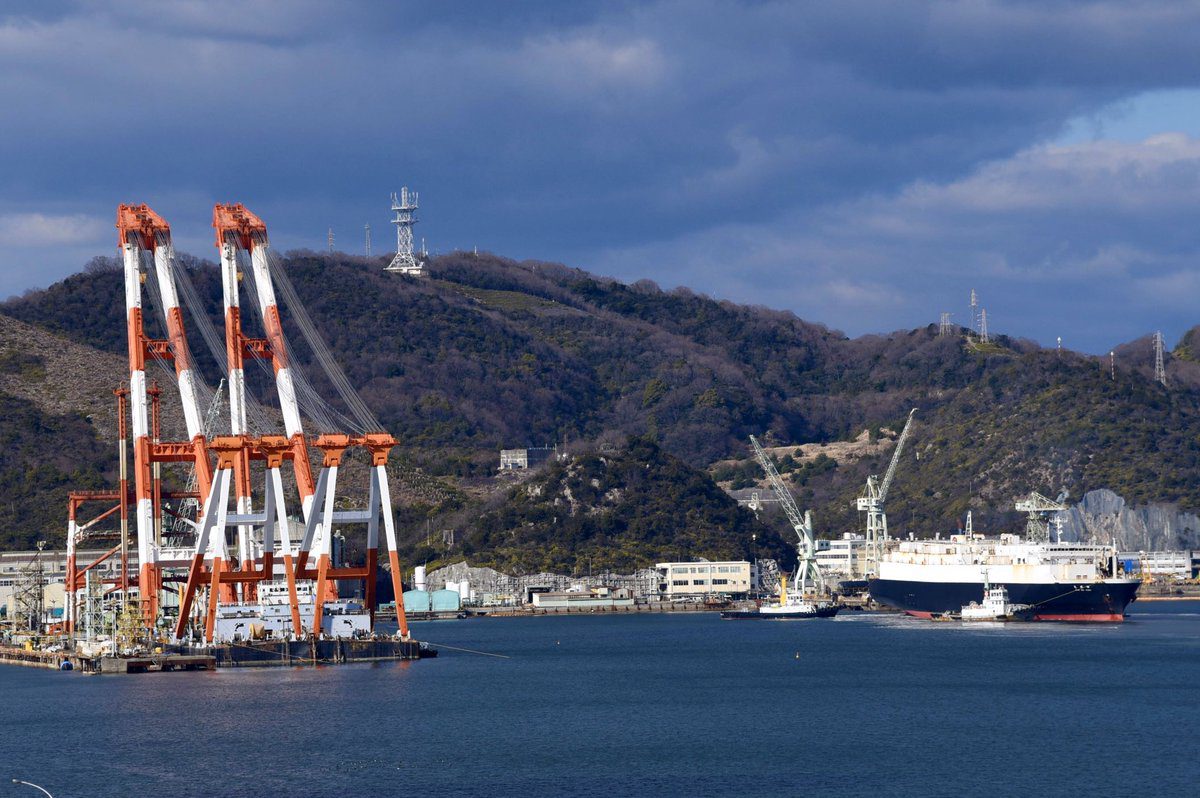
1. Port and Terminal Information
1.1 Aioi Port operates 24/7, but specific terminals may have restricted hours based on cargo type (e.g., hazardous materials handling limited to daylight hours per Japan Coast Guard Regulation No. 52).
1.2 Main commercial terminals:
– East Terminal: Max LOA 200m, draft 12.5m (chart datum), 2 x 30-ton gantry cranes (ISO 4301 certified), equipped with fenders compliant with OCIMF MEG4 standards.
– West Terminal: Max LOA 150m, draft 9m, RO-RO ramp capacity 150 tons (ClassNK certified), dedicated for vehicles and breakbulk cargo.
– Oil Terminal: Private berth for vessels up to 180m LOA, draft 11m, with vapor recovery systems (compliance with IMO MSC.1/Circ.1481).
1.3 Bunkering: Available at East Terminal, max flow rate 200m³/h (Marine Fuel Supply Agreement No. AOP-2023-12).
1.4 Port dues: Calculated per GT (Hyogo Prefecture Port Tariff Schedule 2024), with 10% discount for vessels using shore power (verified by MLIT Notice No. 2023-45).
1.5 New addition: Container Terminal (North Side) operational since March 2024, equipped with 2 STS cranes (50-ton capacity each), max draft 13m (Port Development Plan 2023).
2. Navigation and Pilotage
2.1 Mandatory pilotage zone starts at 2nm from breakwater (Hyogo Prefecture Maritime Ordinance Art. 17). Pilot boarding area: 34°48’12″N 134°27’36″E (WGS84).
2.2 Pilotage requirements:
– Vessels >500 GT or LOA >50m must take pilots (SOLAS Chapter V/23).
– Advance notice: 48h for hazardous cargo, 24h otherwise (Aioi Port Rule 5-3).
2.3 Channel dimensions:
– Main channel: Width 200m, depth maintained at -13m CD (2023 hydrographic survey data).
– Secondary channel: Width 100m, depth -9m CD, restricted to vessels <10,000 DWT.
2.4 Tidal data:
– Mean tidal range: 1.8m (Japan Coast Guard Tide Tables 2024).
– Highest recorded tide: +2.3m CD (2022 typhoon season).
2.5 AIS mandatory: Vessels must transmit AIS continuously within port limits (IALA Recommendation R-129).
2.6 New addition: Night navigation restrictions apply for vessels >20,000 DWT in secondary channel (Port Navigation Safety Bulletin 2024-03).
3. Anchorage Regulations
3.1 Designated anchorage areas:
– Anchorage A: 34°47’00″N 134°26’00″E, soft mud bottom, holding power 3:1 in 20m depth, max occupancy 5 vessels.
– Anchorage B: 34°46’30″N 134°28’00″E, prohibited for vessels carrying Class 1 explosives (IMDG Code).
3.2 Anchor watch:
– Engine on standby and bridge manned (Port Rules Section 5.2).
– VHF Ch 16/12 monitoring mandatory.
3.3 Emergency anchorage: 34°45’00″N 134°25’00″E (reserved for distress situations only).
3.4 New addition: Dynamic positioning vessels must maintain 500m clearance from anchored ships (Port Marine Notice 2024-05).
4. Cargo Operations
4.1 Steel coils:
– Must use spreader bars with minimum SWL 32 tons (JIS B 8801 standard).
– Stacking height limit: 3 layers (Port Cargo Handling Guidelines 2023).
4.2 Hazardous cargo:
– IMDG Code segregation rules strictly enforced.
– Storage zone 500m west of East Terminal (MLIT Approval No. HY-2022-78).
4.3 Grain elevators:
– Dust explosion prevention measures mandatory (ISPM 15 compliant).
– Max loading rate: 800 MT/hour (terminal capability certificate).
4.4 Container operations:
– Twin-lift operations permitted for boxes ≤20 tons (OCIMF guidelines).
– Refrigerated containers: Power supply 440V/60Hz (IEC 60309-2 standard).
4.5 New addition: Bulk cement handling requires prior dust control plan approval (Environmental Protection Ordinance 2024).
5. Safety and Emergency
5.1 Emergency contacts:
– Port Control: VHF Ch 16/12 (license No. HY-MA-2023-048).
– Medical: Aioi Port Clinic (JIS Q 9100 certified), 5-minute response time.
5.2 Safety equipment:
– Minimum 2 x 1000ppm oil spill kits for vessels >500GT (OSPR Japan regulation).
– Firefighting boats stationed at East/West terminals (capacity 5,000m³/hour).
5.3 Typhoon procedures:
– Mandatory double mooring lines when wind forecast exceeds 15m/s (Port Ordinance 34-2).
– Evacuation protocol activated at Beaufort 10 (Port Disaster Prevention Plan).
5.4 Security:
– ISPS Level 1 implemented (Port Facility Security Plan v5.2).
– Armed guards prohibited (Japan Firearms Law Article 5).
5.5 New addition: Monthly emergency drills required for all berthed vessels >10,000 GT (Port Safety Regulation Amendment 2024).
6. Environmental Compliance
6.1 Emissions control:
– Sulfur cap: 0.10% in port waters (Japan Air Pollution Control Law Art. 29-2).
– Shore power: 3 connections available (ISO/IEC 80005-1 compliant).
6.2 Ballast water:
– Must submit management plan 24h before arrival (MLIT Form BWM-04).
– Zero discharge within 12nm (Japan Water Pollution Law).
6.3 Waste management:
– Plastic waste must be segregated (MARPOL Annex V).
– Incineration at sea prohibited within port limits.
6.4 New addition: Mandatory use of low-VOC paints for hull cleaning operations (Environmental Protection Act 2023 Revision).
7. Crew Requirements
7.1 Shore leave:
– Crew must carry passport and landing permit (issued by port immigration).
– Curfew: 2200-0600 hrs for non-essential personnel.
7.2 Health protocols:
– Yellow fever vaccination required if arriving from endemic zones (WHO IHR 2005).
– Drug testing: Random checks per Japan Narcotics Control Law.
7.3 Training:
– Port-specific safety induction required (STCW Code Section A-VI/6).
7.4 New addition: Mental health first aid training recommended for all officers (Japan Seafarers’ Welfare Act 2023).
8. Special Notices
8.1 Annual closure: December 29-January 3 for maintenance (2024 schedule confirmed).
8.2 Underwater operations:
– Diving prohibited within 500m of active berths without harbor master approval.
– Permits require 72h notice (Diving Safety Ordinance No. 12).
8.3 New regulations:
– Carbon intensity reporting mandatory from 2024 (IMO DCS Phase 3).
– Biofouling management records required for vessels >400GT (MLIT 2023-89).
8.4 New addition: Port-wide Wi-Fi coverage now available (secure network “AioiPort-NET” with IMO cybersecurity guidelines compliance).


