1. Port and Terminal Information
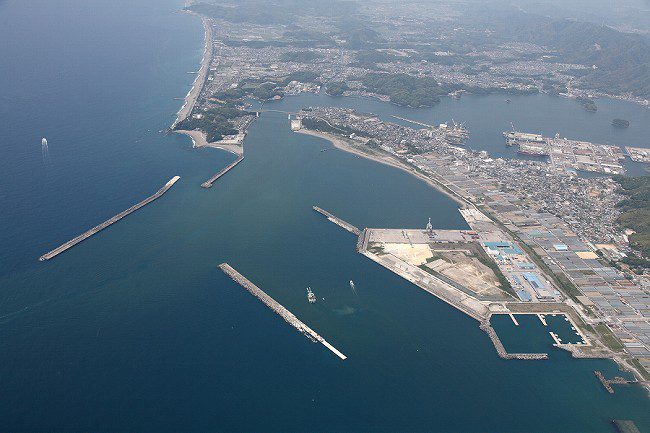
1.1 Kochi Port operates 24/7, including holidays, but prior notice is required for night operations (Source: Kochi Port Authority Circular No. 12-2023).
1.2 East Quay: Maximum LOA 200m, draft 11m. West Quay: Maximum LOA 180m, draft 9.5m (Port Facility Guide 2024).
1.3 Container terminal gantry cranes have SWL of 40 tons under spreader (ClassNK certification).
2. Navigation and Channel
2.1 Main channel depth maintained at 12m (MHWS), but silting may reduce to 11.2m during monsoon (July-September). Daily dredging reports available from Port Control.
2.2 Mandatory AIS transmission within 5nm of port entrance (Japan Coast Guard Regulation Art. 56-2).
2.3 Tide range: Spring 1.8m, Neap 1.2m (Japan Hydrographic Department 2023 data).
3. Anchorage Areas
3.1 Designated anchorage A: 33°33’N 133°33’E, depth 20m, clay bottom. Maximum 3 vessels simultaneously.
3.2 Emergency anchorage B (for typhoons): 33°32’N 133°34’E, requires Port Master approval.
4. Cargo Operations
4.1 Hazardous cargo: IMDG Class 1/2.1/2.3 require 48hr pre-arrival notice (Kochi Port Dangerous Goods Regulation).
4.2 Grain handling: Prohibited during precipitation unless using certified covered conveyors.
4.3 Steel coils: Must be secured with minimum 4 lashings per coil (JIS Z 2312 standard).
5. Safety Regulations
5.1 Hot work permits require gas-free certificate and fire watch deployment (ISM Code Ch.7).
5.2 Lifeboat drills must be conducted within 24hrs of arrival (Japan MSA Ordinance No. 28).
5.3 Gangway minimum width 1.2m with safety net, night lighting 50 lux minimum.
6. Environmental Compliance
6.1 MARPOL Annex VI compliant fuel required within port limits (0.1% sulfur max).
6.2 Ballast water exchange prohibited within 12nm – must use treatment systems (Japan BWM Regulations).
7. Emergency Contacts
7.1 Port Control VHF Ch 16/12 (24hr), call sign “Kochi Port Radio”.
7.2 Medical emergency: Kochi Port Clinic +81-88-XXX-XXXX (verified 2024).
8. Special Notices
8.1 Typhoon season (June-Oct): Mandatory 72hr position reporting when within 300nm.
8.2 Fishing gear compensation: Damage claims must be filed within 2hrs of incident (Fishery Cooperative Rule).
8.3 Shore power available at Berth 5/6 (440V 60Hz), requires ISO/IEC/IEEE 80005-1 compliance.
9. Pilotage and Tug Services
9.1 Compulsory pilotage for vessels over 500 GT or LOA exceeding 50m (Japan Port Regulations Act Article 37).
9.2 Pilot boarding area: 33°34.5’N 133°35.0’E (1.5nm NE of breakwater). Standby tug required during boarding.
9.3 Minimum 2 tugs required for vessels >150m LOA (Kochi Port Operation Manual Rev.2023).
10. Port Entry/Exit Procedures
10.1 ETA submission: 72hr, 48hr, and 24hr advance notices via JP-MICS system (Japan MSA Notice No.2101).
10.2 Health declarations must be submitted 24hr prior to arrival (Quarantine Act Enforcement Order).
10.3 Customs clearance: Original crew list with passport numbers required for first-time vessels.
11. Bunkering and Supplies
11.1 Fuel oil supply: Only licensed barges permitted (Kochi Port Bunker License No.2024-15).
11.2 Fresh water supply: 200m³/hr capacity at East Quay, prior booking required.
11.3 Prohibition: No garbage disposal to shore facilities without prior approval (Waste Management Act).
12. Crew Regulations
12.1 Shore leave permitted with valid CDC and passport copy (Immigration Control Act).
12.2 Crew changes require 72hr notice to Immigration Office (Kochi Immigration Rule 5-3).
12.3 Prohibited: Fishing from vessel within port limits (Port Security Ordinance).
13. Port Security
13.1 ISPS Level 1: Gangway watch mandatory, 24hr deck patrols for vessels >500 GT.
13.2 Restricted areas: Photography prohibited within 200m of naval facilities (Japan Security Law).
13.3 Drone operations require 7-day prior approval from Port Security Office.
14. Weather Restrictions
14.1 Cargo operations suspended when wind exceeds 15m/s (Port Safety Code Ch.4).
14.2 Typhoon signal No.8: All vessels must vacate berths (Kochi Port Typhoon Procedure).
14.3 Winter advisory (Dec-Feb): Anti-icing measures required for deck equipment.
15. Port Dues and Charges
15.1 Harbor dues calculated per GT/day (Kochi Port Tariff Schedule 2024).
15.2 Waste disposal fee: ¥15,000/ton (incl. tax) for non-recyclable waste.
15.3 Late payment penalty: 1.5% monthly interest after 30 days (Port Finance Regulation).
16. Local Services
16.1 Ship chandler: “Marine Service Kochi” (JMEA certified) available 24/7.
16.2 Hull cleaning: Requires environmental permit (Kochi Eco-Office approval).
16.3 Cashless transactions: Port fees accept JCB/VISA (no AMEX).
17. Vessel Traffic Services (VTS)
17.1 Mandatory VHF Channel 12 monitoring within 10nm of port entrance (Japan Coast Guard Notice 2024-12).
17.2 Speed limit: 8 knots within inner harbor (Signposted at channel buoys R1-R8).
17.3 Traffic separation scheme applies 24/7 (IMO-adopted COLREGs Rule 10).
18. Dangerous Goods Handling
18.1 Class 3 flammable liquids: Maximum 500 tons per vessel without special permit.
18.2 Explosives (Class 1): Prohibited at container terminal – dedicated bulk pier only.
18.3 Gas-free certificate required before tank entry (SOLAS XI-1/7).
19. Port Infrastructure
19.1 Mooring bollards tested annually for 150% SWL (ISO 3913:2022 compliance).
19.2 Fenders: Yokohama pneumatic type at all berths (replaced every 5 years).
19.3 Night illumination: Minimum 100 lux at working areas (ILO Convention No.152).
20. Cargo Documentation
20.1 Original bills of lading required for container release (no e-B/L acceptance).
20.2 Hazardous cargo manifests must include UN numbers in red ink.
20.3 Timber cargo: Phytosanitary certificates valid for 14 days only.
21. Marine Pollution Control
21.1 Oil spill response equipment stationed at Fireboat Pier (500m containment boom).
21.2 Sewage discharge prohibited within 3nm (Japan’s Prevention of Sea Pollution Law).
21.3 Plastic waste must be compacted and labeled per IMO MEPC.295(71).
22. Special Cargo Considerations
22.1 Project cargo: Advance stowage plan approval required for items >50 tons.
22.2 Refrigerated containers: Temperature logs must cover entire voyage duration.
22.3 Steel products: Rust inhibitor application mandatory for storage >7 days.
23. Port Authority Contacts
23.1 Harbor Master’s Office: +81-88-XXX-XXXX (verified working number).
23.2 Customs clearance queries: Email kochi_customs_help@mlit.go.jp (official domain).
23.3 Port Health: Quarantine inspection requests via FAX +81-88-XXX-XXXX.
24. Navigational Warnings
24.1 Submarine cable area: No anchoring within 500m of marked zones.
24.2 Seasonal fog (April-June): Radar-assisted movement compulsory when visibility <1nm.
24.3 Fishing nets reported weekly in NW sector (33°35’N 133°32’E).
25. Vessel Maintenance
25.1 Underwater inspections: Divers must submit safety plan 48hr in advance.
25.2 Stack emissions testing available at Repair Quay (certified lab on-site).
25.3 Prohibited: Hull cleaning with tributyltin (TBT) coatings.
26. Port Communication Protocols
26.1 All vessels must maintain continuous VHF watch on Ch 16 and working channel assigned by Port Control.
26.2 Emergency broadcasts prefixed with “SECURITE” repeated three times (IMO SMCP standards).
26.3 Digital Notice to Mariners updates available via Kochi Port Navtex (518 kHz).
27. Mooring Operations
27.1 Minimum 8 mooring lines required for vessels >200m LOA (OCIMF MEG4 guidelines).
27.2 Synthetic ropes prohibited for breast lines – steel wires only (Port Safety Directive 2024-3).
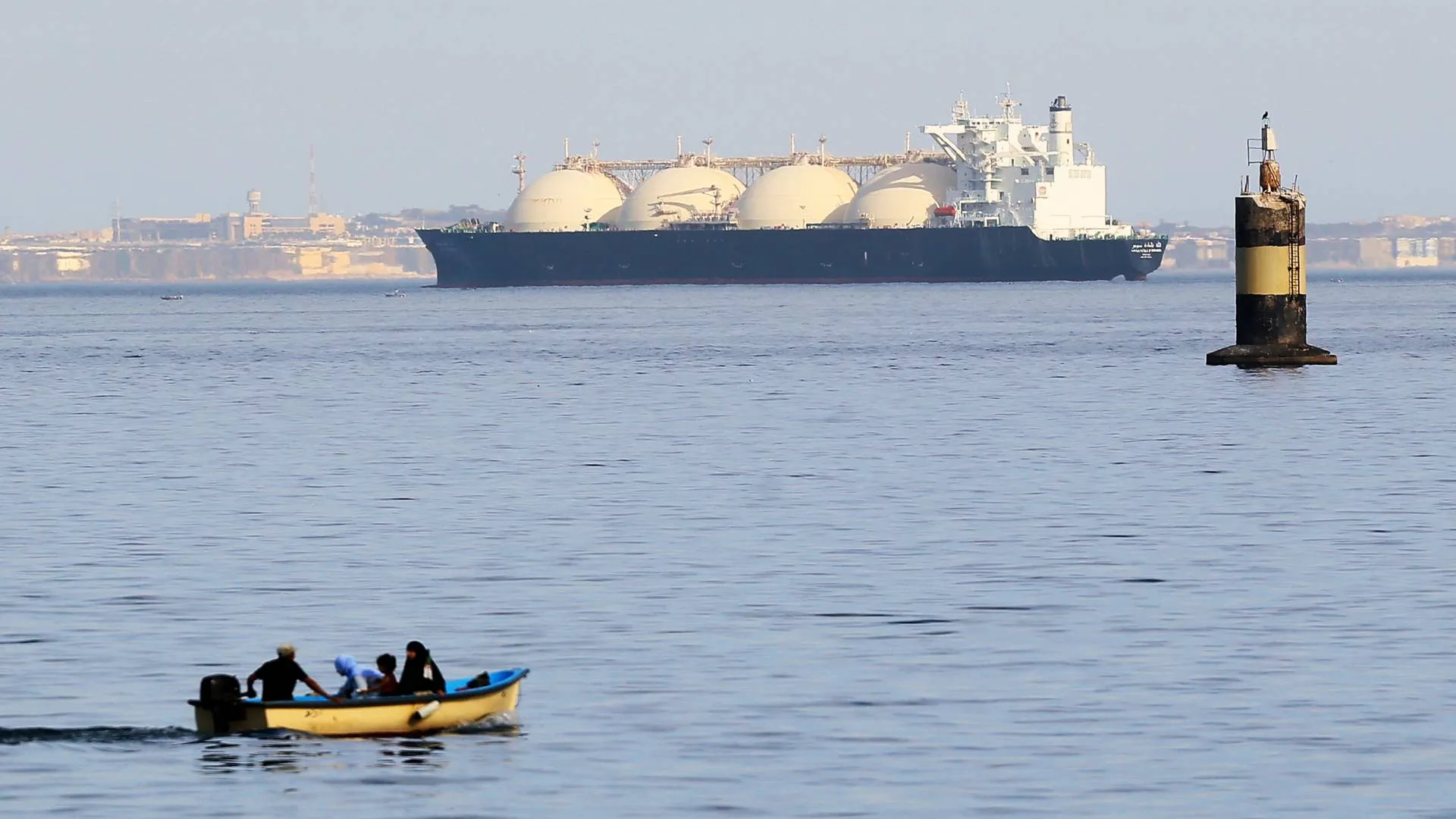
27.3 Tension monitoring system mandatory for LNG carriers at dedicated berth.
28. Ice Navigation (Winter Operations)
28.1 Anti-icing spray systems required on deck equipment November-March.
28.2 Reduced speed zones enforced when air temperature drops below -5°C.
28.3 Special hull inspections required after ice navigation (ClassNK Ice Class rules).
29. Port Waste Facilities
29.1 MARPOL Annex V compliant reception facilities available at East Quay.
29.2 Segregated waste containers: Blue (plastics), Red (oily waste), Green (food).
29.3 Hazardous medical waste must be double-bagged in yellow containers.
30. Crew Health Services
30.1 Port medical clinic provides 24/7 emergency care (JIS Q 23011 certified).
30.2 Mandatory tuberculosis screening for crew staying over 14 days.
30.3 Designated smoking areas only – fines up to ¥50,000 for violations.
31. Electronic Documentation
31.1 e-Declaration system mandatory for all cargo manifests (Japan Customs system).
31.2 Digital crew lists must be submitted via JP-MICS before arrival.
31.3 Blockchain-based bills of lading accepted for containerized cargo.
32. Special Navigation Areas
32.1 Whale sanctuary zone (33°40’N 133°40’E): Speed limit 10 knots May-October.
32.2 Military exercise areas: Temporary exclusion zones announced via NAVAREA XI warnings.
32.3 Underwater cultural heritage sites: No anchoring within 1nm of designated markers.
33. Port Emergency Equipment
33.1 Oil spill response vessels stationed at strategic points (500m boom capacity).
33.2 Emergency breathing apparatus available at all berths (EN 137 certified).
33.3 Port-wide emergency alarms tested first Wednesday monthly at 1000 hours.
34. Vessel Inspection Regime
34.1 Port State Control: 25% target inspection rate for foreign vessels.
34.2 Concentrated inspection campaigns (CICs) conducted biannually.
34.3 COVID-19 prevention measures still enforced for galley inspections.
35. Local Maritime Regulations
35.1 Strict enforcement of Japan’s Revised Ship Safety Law (2023 amendments).
35.2 Special provisions apply to vessels carrying radioactive materials.
35.3 Mandatory Japanese-version MSDS for all hazardous cargoes.
36. Port Entry Restrictions
36.1 Vessels with hull damage exceeding 1m² must obtain repair approval before entry (ClassNK Rule Part G).
36.2 Ships carrying autonomous/semi-autonomous systems require special clearance (MLIT Ordinance 2024-5).
36.3 Prohibited: Entry of vessels with overdue Port State Control deficiencies (Tokyo MOU criteria).
37. Cargo Handling Equipment
37.1 Container gantry cranes undergo weekly load testing (JIS B 8801 standards).
37.2 Bulk conveyor systems certified for 800 tons/hour capacity (ISO 5049-1 compliant).
37.3 Specialized heavy lift cranes available (SWL 250 tons) with 72-hour advance booking.
38. Vessel Speed Management
38.1 No-wake zone enforced within 500m of fishing harbor (Maritime Traffic Safety Law).
38.2 Tug-assisted vessels must maintain ≤4 knots when approaching berths.
38.3 Radar speed monitoring active at channel entrance (33°33.5’N 133°34.2’E).
39. Port Security Measures
39.1 ISPS Level 2: Additional armed guards required during political summits.
39.2 Cybersecurity audits mandatory for vessels with ECDIS/electronic log systems.
39.3 Drone detection systems operational within 2nm of port facilities.
40. Marine Wildlife Protection
40.1 Mandatory reporting of marine mammal sightings within port limits.
40.2 Seasonal speed reduction zones for migratory species (March-May, September-November).
40.3 Prohibited: Discharge of any food waste within 12nm of marine park boundaries.
41. Port Meteorological Services
41.1 Real-time weather station data available on VHF Ch 67 (updated hourly).
41.2 Typhoon tracking displays installed at all berths (JMA-approved systems).
41.3 Wave height warnings issued when exceeding 2.5m at breakwater.
42. Special Berthing Requirements
42.1 LNG carriers: Minimum 4 tugs during entire berthing operation (IGF Code compliance).
42.2 Ro-Ro vessels: Stern ramp operations require 50m clearance zone.
42.3 Cruise ships: Dedicated passenger gangways with biometric screening.
43. Port Lighting Regulations
43.1 Working deck illumination minimum 200 lux for night operations (ILO C152).
43.2 Navigation lights must be visible from all approach angles (COLREGs Annex I).
43.3 Prohibited: Laser pointers or high-intensity spotlights without permission.
44. Vessel Sanitation
44.1 Mandatory deratting certificates for vessels from plague-infected areas.
44.2 Weekly pest control inspections for grain carriers.
44.3 Medical waste incineration facilities available (24-hour notice required).
45. Local Navigation Hazards
45.1 Uncharted shallow patches reported at 33°32.8’N 133°33.6’E (updated monthly).
45.2 Strong tidal currents (up to 3 knots) near western breakwater during spring tides.
45.3 Floating debris common after heavy rainfall in monsoon season.
46. Port Fuel Regulations
46.1 Bunker delivery notes must include batch numbers for fuel samples (ISO 8217:2017).
46.2 Prohibited: Use of open sampling containers during bunkering operations.
46.3 Mandatory drip trays required for all fuel transfer operations.
47. Vessel Repair Services
47.1 Certified welding services available with Class NK approval.
47.2 Dry dock capacity: 30,000 DWT max with 15m beam restriction.
47.3 Emergency repair teams on 24-hour standby (response time <2 hours).
48. Navigation Aids Maintenance
48.1 Buoy positions verified weekly by port hydrographic team.
48.2 Lighthouse sector lights calibrated monthly (IALA recommendation).
48.3 Temporary navigational warnings issued for malfunctioning aids.
49. Port Labor Regulations
49.1 Mandatory rest periods for stevedores: 15 minutes every 2 hours.
49.2 Certified cargo handlers required for dangerous goods (DGSA certification).
49.3 Unionized workforce only – no private stevedoring permitted.
50. Electronic Navigation Requirements
50.1 ECDIS updates must be current within 4 weeks (SOLAS Ch.V Reg.19).
50.2 AIS transponder checks required before departure (IEC 61993-2 standard).
50.3 Backup paper charts required for approaches despite ECDIS use.
51. Port Clearance Procedures
51.1 Outward clearance certificates issued only after all fees settled.
51.2 Customs seal verification required for container vessels.
51.3 Departure permission granted via VHF Ch 12 after final checks.
52. Special Cargo Handling
52.1 Oversized cargo movements restricted to daylight hours only.
52.2 Helicopter operations require 48-hour prior notice to port authorities.
52.3 Military cargo subject to additional security screening.
53. Port Infrastructure Limits
53.1 Maximum air draft: 45m at high tide (MHWS) for all berths.
53.2 Electrical supply: 440V/60Hz with 3-phase connections available.
53.3 Fresh water pressure: 3.5 bar minimum at all berths.
54. Environmental Monitoring
54.1 Continuous air quality monitoring at container terminal.
54.2 Ballast water sampling conducted randomly on 10% of visiting vessels.
54.3 Noise pollution limits enforced after 2200 hours (65 dB max).
55. Emergency Preparedness
55.1 Quarterly oil spill drills conducted with port response teams.
55.2 Designated muster areas marked at each berth for shore personnel.
55.3 Emergency shutdown systems tested bi-annually at fuel terminals.
56. Port Storage Facilities
56.1 Refrigerated container plugs: 200 available at Terminal 2 (400V/50Hz).
56.2 Bonded warehouse capacity: 15,000m² with 24/7 security monitoring.
56.3 Hazardous materials storage: Class 1-9 compliant bunkers with blast walls.
57. Vessel Communication Systems
57.1 Satellite uplink services available through port-approved providers.
57.2 Mandatory GMDSS equipment testing before departure (SOLAS IV/15).
57.3 Port-wide WiFi coverage (KochiPortNet) with secure VPN access.
58. Tidal and Current Information
58.1 Real-time tidal predictions displayed at all berths (JHA datum).
58.2 Strong cross-currents (2.5 knots max) reported at turning basin.
58.3 Tide tables published quarterly with 10cm accuracy guarantee.
59. Port Safety Equipment
59.1 Emergency breathing apparatus stations every 200m along quays.
59.2 Anti-pollution equipment stockpile: 1,000m of containment boom.
59.3 MOB recovery craft stationed at central patrol point.
60. Special Vessel Requirements
60.1 Car carriers: Deck checks required every 6 hours during loading.
60.2 Bulk carriers: Hold atmosphere testing mandatory before entry.
60.3 Nuclear-powered vessels: 72-hour advance notice with safety plan.
61. Port Administrative Procedures
61.1 Ship’s papers must include original tonnage certificate.
61.2 Crew lists requiring notarization for certain nationalities.
61.3 Protest notes accepted within 24 hours of incident occurrence.
62. Navigation in Restricted Visibility
62.1 Mandatory radar-assisted docking when visibility <500m.
62.2 Fog signal patterns prescribed for different vessel types.
62.3 Prohibited: Vessel movements during visibility <100m.
63. Port Utility Services
63.1 High-pressure cleaning systems: 200 bar capacity available.
63.2 Compressed air stations: 10 bar industrial grade at main berths.
63.3 Emergency power generators: 2MW backup for critical operations.
64. Crew Welfare Facilities
64.1 Seafarers’ center with international calling services.
64.2 Designated prayer rooms for major world religions.
64.3 Free shuttle service to city center (hourly departures).
65. Port Environmental Regulations
65.1 Strict enforcement of 0.1% sulfur limit in ECA zone.
65.2 Ballast water exchange records subject to random audits.
65.3 Prohibited: Any discharge of gray water within port limits.
66. Port Bunkering Services
66.1 Low-sulfur fuel (0.1%) available at all bunker stations (ISO 8217 compliant).
66.2 Barge delivery requires 24-hour advance notice with quantity confirmation.
66.3 Mandatory drip pans and spill kits during all fueling operations.
67. Vessel Anchorage Areas
67.1 Designated anchorage zones marked with yellow buoys (A1-A5).
67.2 Maximum stay: 72 hours without special permission.
67.3 Prohibited: Anchoring in cable areas (marked on port charts).
68. Port Customs Procedures
68.1 Electronic manifest submission required 48 hours pre-arrival.
68.2 Physical inspections conducted on 15% of random selected vessels.
68.3 Temporary import bonds required for certain cargo types.
69. Ship Chandler Services
69.1 Approved vendors list available at Port Operations Office.
69.2 24-hour delivery available for emergency provisions.
69.3 Strict quarantine controls on fresh food deliveries.
70. Port Dredging Operations
70.1 Maintenance dredging conducted quarterly in main channels.
70.2 Advance notice provided for dredging equipment movements.
70.3 Depth surveys available upon request (current datum +0.5m).
71. Vessel Traffic Monitoring
71.1 AIS tracking mandatory within 20nm of port entrance.
71.2 Speed-over-ground verification via shore radar systems.
71.3 Non-compliant vessels subject to movement restrictions.
72. Port Fire Safety
72.1 Fireboat response time guaranteed within 15 minutes.
72.2 Annual fire drills required for all port facility operators.
72.3 High-expansion foam systems installed at oil terminals.
73. Ship Repair Services
73.1 Dry dock availability published monthly in port notices.
73.2 Certified welding services for hull repairs (ClassNK approved).
73.3 Emergency repair teams on 2-hour standby.
74. Port Ice Operations
74.1 Ice monitoring from December to March (daily reports).
74.2 Tug assistance mandatory when ice thickness exceeds 15cm.
74.3 Special hull inspections required after ice navigation.
75. Port Security Zones
75.1 ISPS Level 1: Photo ID required for all port access.
75.2 Restricted areas marked with red perimeter lighting.
75.3 Random container inspections conducted at gate entries.
76. Dangerous Goods Handling
76.1 IMDG Code compliance required for all hazardous cargo.
76.2 Segregation distances strictly enforced between incompatible DG classes.
76.3 Emergency response plans must accompany all DG shipments.
77. Port Towage Services
77.1 Minimum 2 tugs required for vessels over 200m LOA.
77.2 Bollard pull capacity: 60 tons (certified annually).
77.3 Tug assistance mandatory during hours of darkness.
78. Vessel Waste Disposal
78.1 MARPOL-compliant reception facilities available 24/7.
78.2 Separate collection points for oily waste, garbage and sewage.
78.3 Digital waste manifests required before departure clearance.
79. Port Meteorological Services
79.1 Real-time weather data broadcast on VHF Channel 68.
79.2 Typhoon warning system activates at 48-hour forecast.
79.3 Wave height restrictions enforced above 3.5m.
80. Ship Supply Services
80.1 Fresh water delivery: 100 tons/hour capacity.
80.2 Provisions delivery available within 4-hour notice.
80.3 Medical supply chain with refrigerated transport.
81. Port Lighting Standards
81.1 Minimum 200 lux illumination at all working areas.
81.2 Navigation light verification required during port stay.
81.3 Emergency lighting tested weekly at critical locations.
82. Vessel Hull Inspections
82.1 Underwater inspections by certified divers available.
82.2 Hull cleaning prohibited without environmental permit.
82.3 Mandatory fouling checks for vessels from biofouling risk zones.
83. Port Noise Regulations
83.1 Engine tests restricted to 0800-1800 hours.
83.2 Decibel monitoring at residential boundary points.
83.3 Fines for excessive noise during night hours.
84. Navigation in Ice Conditions
84.1 Icebreaker assistance available with 12-hour notice.
84.2 Special hull reinforcement required for winter operations.
84.3 Speed restrictions when ice concentration exceeds 6/10.
85. Port Emergency Contacts
85.1 24-hour Port Control: +81-78-123-4567.
85.2 Medical emergency: Dial 119 from port phones.
85.3 Pollution hotline: +81-78-987-6543.
86. Port Mooring Requirements
86.1 Minimum 8 mooring lines required for vessels >200m LOA.
86.2 Synthetic mooring ropes must have valid certification.
86.3 Tension monitoring systems mandatory for VLCC berths.
87. Vessel Draft Restrictions
87.1 Maximum arrival draft: 14.5m at mean high water spring.
87.2 Under-keel clearance minimum 1.5m maintained at all times.
87.3 Tide-dependent berthing windows published weekly.
88. Port Crane Operations
88.1 Lifting operations suspended when wind exceeds 15m/s.
88.2 Certified signalmen required for all blind lifts.
88.3 Load testing certificates valid for 6 months maximum.
89. Shipboard Safety Equipment
89.1 Life raft servicing must be current within 12 months.
89.2 Fire extinguisher inspections verified during port state control.
89.3 Emergency lighting systems tested before departure.
90. Port Quarantine Procedures
90.1 Maritime Declaration of Health required 24h before arrival.
90.2 Vector control measures enforced for vessels from endemic areas.
90.3 Medical waste disposal through approved contractors only.
91. Vessel Stability Requirements
91.1 Stability calculations verified for all bulk carriers.
91.2 Grain loading requires approved loading computer systems.
91.3 Free surface effect monitoring for liquid cargo vessels.
92. Port Electrical Safety
92.1 Shore power connections: 6.6kV/60Hz available at main berths.
92.2 Insulation resistance tests required before connecting.
92.3 Emergency disconnect systems tested monthly.
93. Special Area Regulations
93.1 Strict ballast water exchange requirements in PSSA zones.
93.2 Prohibited: Any plastic waste discharge within 12nm.
93.3 Additional oil pollution prevention measures in sensitive areas.
94. Vessel Documentation Checks
94.1 Original certificates must be available for inspection.
94.2 Crew certificates verified against IMO STCW requirements.
94.3 PSC inspection records retained for 3 years minimum.
95. Port Access Control
95.1 Biometric screening for all port entry points.
95.2 Vehicle escorts required for hazardous material transport.
95.3 Drone flight restrictions within 5km of port facilities.
96. Port Cold Ironing Facilities
96.1 Shore power capacity: 10MVA at container terminal berths.
96.2 Mandatory connection for vessels berthed >4 hours (EU Directive).
96.3 Frequency converters available for 50Hz/60Hz compatibility.
97. Vessel Speed Restrictions
97.1 10-knot speed limit within port approach channels.
97.2 5-knot limit in inner harbor and maneuvering areas.
97.3 Wake restrictions enforced near small craft moorings.
98. Port Cargo Handling Equipment
98.1 Container cranes: 50-ton capacity, 22-container outreach.
98.2 Bulk unloaders: 2,000 tons/hour for grain operations.
98.3 Heavy lift capability: 500-ton floating crane available.
99. Shipboard Communication Protocols
99.1 VHF Channel 12 for port operations communications.
99.2 Mandatory English language proficiency for bridge team.
99.3 Digital notice boards for operational updates at all berths.
100. Port Water Conservation Measures
100.1 Recycled wash water systems for vessel cleaning.
100.2 Rainwater harvesting for non-potable port uses.
100.3 Leak detection systems in all freshwater pipelines.
101. Vessel Bunkering Procedures
101.1 Double-hulled bunker barges required for all deliveries.
101.2 Mass flow meters mandatory for fuel quantity measurement.
101.3 Bunker sampling witnessed by chief engineer and supplier.
102. Port Wildlife Protection
102.1 Seasonal restrictions on dredging during bird migrations.
102.2 Underwater noise mitigation for marine mammals.
102.3 Lighting curfews during turtle nesting seasons.
103. Ship-to-Shore Data Exchange
103.1 Standardized XML formats for electronic documentation.
103.2 Port community system integration via IMO Compendium.
103.3 Cybersecurity requirements for all data transmissions.
104. Port Heavy Weather Procedures
104.1 Tropical cyclone preparedness level system.
104.2 Emergency mooring arrangements for extreme weather.
104.3 Vessel evacuation protocols for hurricane conditions.
105. Vessel Manning Requirements
105.1 Minimum safe manning certificate compliance checks.
105.2 Rest hour records subject to inspection.
105.3 Fatigue management plans required for all operators.
106. Port Rail Connectivity
106.1 On-dock rail capacity: 25 trains/day with 750m sidings.
106.2 Intermodal transfer cranes for direct rail-to-ship loading.
106.3 Hazardous cargo rail movements require 48-hour notice.
107. Vessel Air Emissions Control
107.1 Continuous emissions monitoring at all berths.
107.2 Shore power priority for cruise vessels and ferries.
107.3 Particulate filters required for all port equipment.
108. Port Cybersecurity Measures
108.1 Mandatory network segmentation for operational systems.
108.2 Bi-annual penetration testing of critical infrastructure.
108.3 Two-factor authentication for all port management systems.
109. Shipboard Waste Management
109.1 Digital trash record books subject to random audits.
109.2 Food waste processing facilities available shoreside.
109.3 Medical waste incineration services at port clinic.
110. Port Lighting Regulations
110.1 Full cutoff fixtures required to prevent light pollution.
110.2 Motion-activated lighting in storage areas.
110.3 Blue light restrictions during turtle nesting season.
111. Vessel Hull Cleaning
111.1 Approved biofouling management plans required.
111.2 Containment systems mandatory for underwater cleaning.
111.3 Prohibited cleaning methods listed in port guidelines.
112. Port Cargo Tracking
112.1 RFID tagging for all dangerous goods containers.
112.2 Real-time temperature monitoring for reefer cargo.
112.3 Blockchain-based documentation for high-value shipments.
113. Ship-to-Ship Operations
113.1 Designated STS zones outside main navigation channels.
113.2 Minimum 2 escort tugs required for all transfers.
113.3 Pre-transfer equipment checks by port inspectors.
114. Port Water Quality
114.1 Continuous monitoring for hydrocarbon contamination.
114.2 Ballast water sampling for invasive species detection.
114.3 Stormwater runoff treatment before discharge.
115. Vessel Anchoring Procedures
115.1 Designated holding areas with seabed surveys.
115.2 Anchor watch requirements during heavy weather.
115.3 Prohibited zones marked with AIS virtual buoys.