
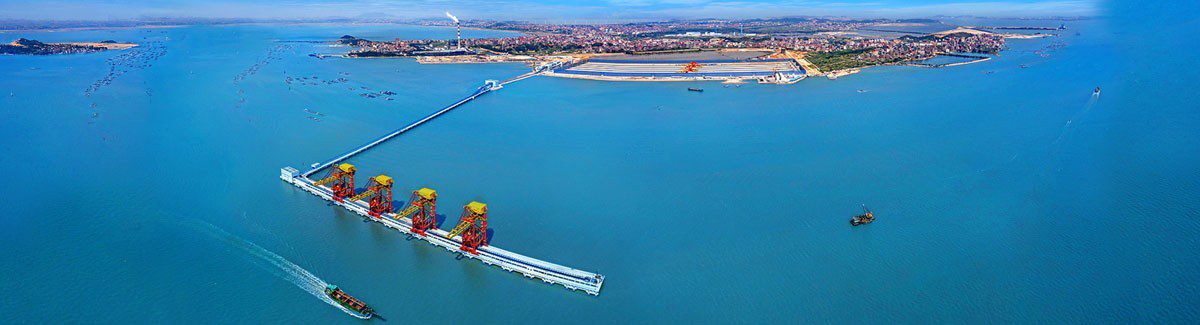
- Navigation and Pilotage
- Mandatory pilotage zone extends 3nm from port entrance (25°10’N 119°08’E)
- Pilot boarding area: 25°09’30″N 119°09’15″E (VHF CH 12)
- Pilot transfer prohibited when wind exceeds Beaufort 6 or swell >2.5m
- Daylight transit only for vessels >250m LOA through main channel
- New AIS virtual fairway established (see MSA Notice 2023-15)
- Channel depth monitoring: Daily dredging reports available at VTS
- Radar blackout zones exist near Gulei Peninsula (consult port charts)
- Port Security
- ISPS Level 1: 72h pre-arrival security information required
- Restricted areas marked by red flashing lights (no approach within 100m)
- Weapons declaration mandatory (including signal pistols)
- Underwater hull inspections require 24h notice to Port Security
- Cyber security audit required for vessels built after 2021
- Face recognition system in use for all crew shore passes
- Cargo Operations
- Dangerous goods manifests must follow IMDG Code Amendment 41-22
- Coal cargoes: Maximum 12% moisture content enforced
- Grain shipments: Fumigation certificates must specify chemicals used
- Container weight verification (VGM) must use Method 1 or 2 per SOLAS
- Iron ore: Mandatory moisture content testing for Brazilian imports
- LNG operations: Gas detection system must be ISO 28460 compliant
- Project cargo: Advance stowage plan approval required (72h prior)
- Environmental Compliance
- Open-loop scrubber discharge prohibited within 12nm of port
- MARPOL Annex VI fuel samples retained for 12 months minimum
- Ballast water exchange must occur >200nm from coast (D-1 standard)
- Plastic waste discharge absolutely prohibited (zero tolerance)
- VOC recovery mandatory for tankers loading Class A chemicals
- Underwater noise mitigation required for cetacean migration season
- Emergency Procedures
- Oil spill response plan must be compatible with China MSA format
- Emergency towing lines (100m x 76mm) must be rigged for tankers
- Hospital contact: Putian First Hospital (+86 594 229 1111)
- Diving operations require harbor master approval
- Medical waste disposal: Only through licensed contractor (list at CIQ)
- Helicopter landing: Pre-coordination with Fujian Air Traffic Control
- Port Services
- Fresh water supply: 200t/hr capacity (advance booking required)
- Garbage disposal: Compulsory for all vessels staying >24h
- Slop reception: Available only at designated oil berths
- Bunkering: Licensed suppliers only (list available from port authority)
- Crew changes: Minimum 48h notice with complete documentation
- Provisions: Halal/kosher food requires 72h pre-order
- Documentation Requirements
- Original crew vaccination records (yellow fever/malaria)
- Ship sanitation control exemption certificate (valid >6 months)
- Cargo gear certificates (including loose gear certification)
- ECDIS backup arrangements must be demonstrated
- Noon reports must include fuel ROB for carbon accounting
- SEEMP Part III must be submitted for vessels >5,000 GT
- Special Circumstances
- Typhoon season (June-Oct): Mandatory evacuation when Signal #8 issued
- Fog procedures: Vessels must maintain 500m separation
- Military exercises: Monitor VHF CH 16 for exclusion zone notices
- Chinese New Year: Reduced labor availability (plan accordingly)
- Monsoon season: Additional mooring lines required Nov-Feb
- Fishery moratorium: Increased patrols May-August
- Inspection Regime
- Port State Control: 25% inspection rate for foreign vessels
- Customs: Random narcotics detection sweeps (K9 units deployed)
- MSA: Special focus on lifeboat maintenance records
- CIQ: Strict quarantine for vessels from plague-infected areas
- CCS: Enhanced structural surveys for bulkers >15 years
- Fire safety: Monthly drill records must be originals
- Local Regulations
- Mandatory use of low-sulfur fuel (<0.5%) within port limits
- Noise restrictions: No unnecessary engine tests 2200-0600
- Drones prohibited without prior authorization
- Fishery protection zones: 1nm clearance from marked aquaculture areas
- Local holidays: No hot work permitted during Qingming Festival
- Data reporting: AIS must remain active throughout port stay
- Technical Requirements
- Mooring lines: Minimum MBL 125% of ship’s requirements
- Gangways: Must be illuminated at night with safety nets
- Radar: X-band must be operational during restricted visibility
- VHF: Dual-channel capability required (CH 16 + working channel)
- ECDIS: ENC updates must be less than 8 weeks old
- Crew Welfare
- Shore leave: Curfew 2300-0500 for non-officers
- Internet: VPN registration required for crew communications
- Medical: Prescription medications must have English/Chinese labels
- Training: Anti-piracy drills must be documented
Important Contacts (24/7):
– Port Control: +86 594 269 3000 (VHF CH 16/12)
– Medical Emergency: +86 594 269 3120
– Pollution Reporting: +86 594 269 3150
– Agent Coordination: +86 594 269 3180
– Security Hotline: +86 594 269 3170
– Customs Clearance: +86 594 269 3190
Safety Reminders:
– Verify all coordinates using WGS-84 datum
– Tide tables must be China MSA approved version
– Local notices to mariners updated weekly at VTS office
– Bunker quality disputes require independent sampling


