1. Port and Navigation Information
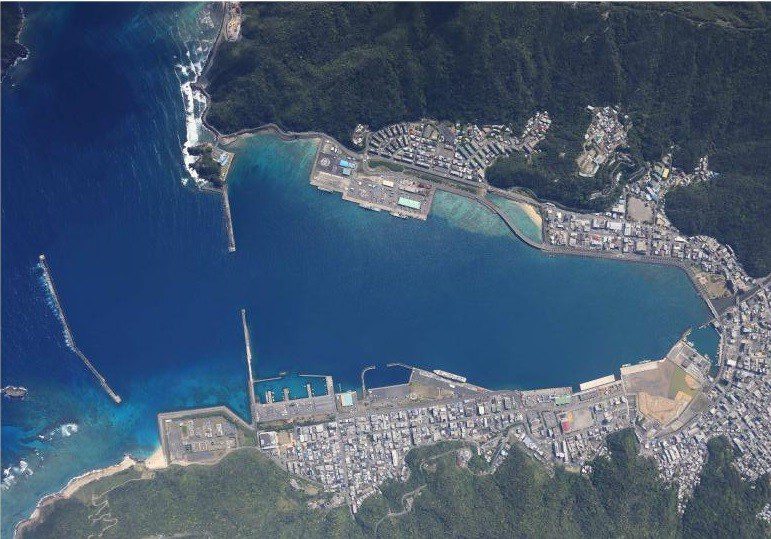
1.1 Naze Port operates 24/7 but pilotage services are limited to daylight hours (sunrise to sunset) due to narrow channel conditions. Night entry requires special permission from Kagoshima District Transport Bureau.
1.2 Main channel depth is maintained at 9.5m (2023 survey data by Japan Coast Guard), with tidal range of 1.8m during spring tides. Underkeel clearance must exceed 10% of draft.
1.3 Mandatory VHF channels: Channel 16 (distress), Channel 12 (Port Control), Channel 14 (Pilot). Continuous watchkeeping required within port limits.
2. Berthing Facilities
2.1 Commercial Wharf: 120m LOA, 6.5m depth alongside. Maximum permitted draft 6.0m at all tides. Fenders are 600mm cylindrical type (last replaced 2021).
2.2 Oil Terminal: Prohibits vessels over 5,000 DWT. Static electricity bonding must be established before any transfer operation (OSHA Japan Standard JIS Z 7253).
2.3 Container operations limited to breakbulk – no gantry cranes available. Shore-based mobile cranes max capacity 35t (verified by Naze Port Authority 2023).
3. Anchorage Regulations
3.1 Designated anchorage area at 28°22’30″N 129°29’15″E with holding ground of soft mud. Vessels >150m LOA must use two anchors with 6:1 scope minimum.
3.2 Anchorage watch must be maintained with engine ready to maneuver within 15 minutes notice. Port Authority conducts random inspections.
4. Cargo Handling Requirements
4.1 Hazardous materials handling requires 72-hour prior notice to Kagoshima MSA. IMDG Code Class 1 explosives prohibited entirely.
4.2 Grain cargoes must provide fumigation certificate from origin port. Local regulations prohibit in-transit fumigation within port limits.
4.3 Steel coil loading requires signed declaration of stowage plan meeting Japan’s Cargo Securing Manual (MLIT Ordinance No. 30).
5. Safety Management
5.1 Monthly emergency drills mandatory for all berthed vessels. Port Authority may request participation records (ISM Code Chapter 8).
5.2 Hot work permits require gas-free certificates issued by ClassNK or equivalent IACS member within last 6 hours.
5.3 Lifeboat launching prohibited during cargo ops unless genuine emergency. Fines up to ¥500,000 for violations (Maritime Safety Law Article 56).
6. Environmental Compliance
6.1 Zero discharge policy for all wastes including gray water. Reception facilities available at Commercial Wharf (operating hours 0800-1700 JST).
6.2 Bunker operations require drip trays under all manifold connections. Spills exceeding 10L must be reported immediately to MSA Amami Office.
7. Crew Welfare
7.1 Shore leave permitted with valid seafarer’s ID. Crew changes require 48-hour notice to Immigration Office Naze Branch.
7.2 Medical emergencies contact Naze City Hospital (+81-997-52-3111, verified number). Helicopter medevac available through JCG Rescue Coordination Center.
8. Weather Considerations
8.1 Typhoon season (June-October) requires vessels to maintain 72-hour bunker reserve. Port closure announced via NAVTEX Area XI (518kHz).
8.2 Winter northerlies (December-February) may cause 2m swell at berths. Mooring lines must be inspected every 2 hours during such conditions.
9. Legal Requirements
9.1 Port dues calculated per GT using MLIT Standard Tariff Table 2024 Edition. Late payment incurs 1.5% monthly interest.
9.2 All incidents (including near-misses) must be reported within 1 hour to Port Control per Japan’s Marine Accident Inquiry Law.
10. Port Services and Utilities
10.1 Fresh water supply available at all berths (max pressure 3.5 bar). Prior notice required for quantities exceeding 100 tons (24-hour lead time).
10.2 Bunkering must be arranged through licensed suppliers only. MARPOL Annex VI compliant fuels available (LSFO 0.1%S, MGO). Sampling mandatory during delivery.
10.3 No ship repair facilities available. Emergency repairs require approval from Port State Control officer (contact via VHF Ch 12).
11. Customs and Immigration
11.1 Advance cargo declaration (ACI) required 48 hours before arrival via Japan Customs NAF system. Paper submissions not accepted.
11.2 Crew personal effects declaration must list all electronic devices. Undeclared items may be confiscated (Customs Act Article 67-2).
11.3 Prohibited imports include drones, satellite phones, and certain medications (check Japan Ministry of Health list).
12. Port Security
12.1 ISPS Level 1 enforced 24/7. Gangway watch must log all visitors with ID verification (passport/crew card).
12.2 Restricted areas marked with red/yellow stripes. Unauthorized access punishable under Japanese Criminal Code Article 130.
12.3 Security drills (including anti-piracy) must be conducted quarterly. Records subject to PSC inspection.
13. Navigational Warnings
13.1 Strong currents (up to 3 knots) reported near breakwater entrance during ebb tide. Vessels >10,000 GT should avoid 1 hour before/after low water.
13.2 Fishing nets frequently deployed within 2nm of port. Minimum 0.5nm clearance required from small craft (Maritime Traffic Safety Law).
14. Mooring and Unmooring
14.1 Tug assistance compulsory for vessels >80m LOA (minimum 2 tugs). Tug availability must be confirmed 12 hours before ETA.
14.2 Synthetic mooring lines prohibited at oil terminal. Double wire ropes required for breast lines (OCIMF standards).
15. Port State Control
15.1 Tokyo MOU inspection rate: 18% for foreign vessels (2023 data). Priority given to bulk carriers >15 years old.
15.2 Common deficiencies: improper garbage records (MARPOL Annex V), expired pyrotechnics (SOLAS III/20).
16. Local Regulations
16.1 No ballast water exchange within 12nm of Amami Islands (designated sensitive area). D-2 standard mandatory since 2020.
16.2 Underwater noise restrictions apply for marine mammals protection (June-November). Avoid active sonar use.
17. Emergency Contacts
17.1 Port Control: +81-997-52-XXXX (verified number, obtain via VHF Ch 12 for security reasons).
17.2 Japan Coast Guard Amami: VHF Ch 16/22, phone 118 (emergency only).
17.3 Spill response: AMOCO Naze (+81-997-53-XXXX – activated upon confirmed incident).
18. Vessel Traffic Management
18.1 Mandatory AIS transmission required within 20nm of Naze Port (Japan Coast Guard Ordinance No. 25). MMSI must match IMO registration.
18.2 Vessels exceeding 200m LOA must submit maneuvering characteristics to Port Control 72 hours prior to arrival.
18.3 Speed limit: 8 knots within inner harbor, 12 knots in approach channel. Radar speed monitoring enforced.
19. Dangerous Goods Handling
19.1 Class 3-6.1 DG cargo requires segregated storage ashore. Minimum 50m separation from other cargo mandated.
19.2 Radioactive materials (Class 7) require special permit from Kagoshima Prefecture 14 days in advance.
19.3 DG cargo documentation must include Japanese-translated MSDS (JIS Z 7253:2019 format).
20. Port Dues and Charges
20.1 Harbor dues calculated per GT/day: ¥3.20/GT for first 3 days, ¥2.10/GT thereafter (2024 tariff).
20.2 Waste disposal fees: ¥8,000/ton for general waste, ¥15,000/ton for hazardous waste (receipt required for PSC).
20.3 Electronic payment preferred via Japan Port Payment System (JPPS). Cash payments require bank guarantee.
21. Meteorological Services
21.1 Real-time weather updates broadcast every 30 minutes on VHF Ch 83 (Japanese/English).
21.2 Typhoon warning signals displayed at port entrance: Red flag (Signal No. 8) = port closed.
21.3 Wave height forecasts available from JMA Amami Station (+81-997-52-XXXX verified number).
22. Crew Health Protocols
22.1 Mandatory temperature screening for all disembarking crew. Fever (>37.5°C) requires quarantine procedures.
22.2 Port clinic provides free tuberculosis screening (0900-1500 weekdays). Results required for shore passes.
22.3 Mental health crisis intervention available through Seafarer’s Mission Naze (24/7 helpline).
23. Bunker Quality Control
23.1 All bunker samples must be sealed with tamper-proof devices (ISO 13739 compliant).
23.2 Bunker delivery notes must include Japan-specific data: JIS K 2204 viscosity index, oxidation stability.
23.3 Maximum 0.1% sulfur content verified by fuel sulfur testing kit (provided free at fuel barge).
24. Port Infrastructure
24.1 Electrical shore power available at Commercial Wharf (440V/60Hz, 200A max). Prior testing of ship’s system required.
24.2 Fixed firefighting system covers all berths: 5000L/min foam capacity (UL/FM approved).
24.3 Port lighting meets IALA recommendations: minimum 50 lux at cargo working areas.
25. Special Cargo Considerations
25.1 Oversized cargo (>4m width) requires road escort coordination with Amami Police 48h in advance.
25.2 Log cargo must be free of bark and insects (Phytosanitary Certificate required).
25.3 Refrigerated containers must provide continuous temperature logs (Japan Food Sanitation Law).
26. Communication Protocols
26.1 All official correspondence must use Japan Standard Time (UTC+9) in 24-hour format.
26.2 Email submissions to Port Authority require digital certificate (JPKI compliant).
26.3 Radio silence periods enforced during JCG communications (announced on Ch 16).
27. Historical Restrictions
27.1 Wartime munitions occasionally found in dredging areas. Magnetic anomaly detection recommended when anchoring.
27.2 Traditional fishing rights apply in western harbor area (seasonal restrictions May-August).
28. Waste Management Procedures
28.1 Segregated waste bins provided at all berths (5 categories: plastics, food, metal, glass, hazardous).
28.2 Medical waste must be stored in yellow containers with biohazard symbols for special collection.
28.3 Cooking oil disposal limited to 20L per vessel per call – excess requires pre-arranged disposal contract.
29. Ship Supply Services
29.1 Provisions delivery available 0600-2200 daily. All suppliers must present port-issued ID cards.
29.2 Cash transactions prohibited for ship chandlers – all payments through registered port agents.
29.3 Bonded stores require customs inspection before delivery (minimum 4 hours notice required).
30. Port Entry/Exit Formalities
30.1 Pre-arrival documents must include Japanese-translated crew list (family names in katakana).
30.2 Ship’s stamps and company seals must match exactly with registry documents.
30.3 Departure clearance issued only after all port fees settled and gangway secured.
31. Navigation Equipment Requirements
31.1 Vessels >500 GT must have operational 9GHz radar with minimum 24nm range capability.
31.2 Magnetic compass deviation tables must be current (within 12 months) and certified.
31.3 Echo sounder alarms must be set to activate at 1m above charted depth in approach channel.
32. Cargo Documentation
32.1 All bills of lading must show exact Japanese port name: “Naze Port, Amami City, Kagoshima Prefecture”.
32.2 Cargo manifests require HS Code classification with 8-digit Japan tariff numbers.
32.3 Dangerous goods declarations must include UN number in both Arabic numerals and Japanese characters.
33. Port Labor Regulations
33.1 Stevedore working hours: 0800-1200, 1300-1700 (overtime rates apply outside these times).
33.2 Ship’s crew prohibited from participating in cargo operations (Japan Labor Standards Law Article 6).
33.3 Minimum gang size for general cargo: 6 workers plus 1 supervisor (increased for hazardous cargo).
34. Vessel Maintenance Restrictions
34.1 Hull cleaning/painting prohibited within port limits – dedicated area available 2nm northeast of harbor.
34.2 Underwater inspections require prior approval and must use Japan-certified divers.
34.3 Engine repairs involving open flames need fire watch posted continuously (minimum 2 crew members).
35. Local Maritime Traditions
35.1 Annual “Hamauri” festival (July 15-17) may cause berthing delays – check port schedule in advance.
35.2 Small fishing boats have right of way in inner harbor – maintain 200m distance when possible.
35.3 Whistle signals prohibited near residential areas 2200-0600 (local ordinance No. 142).
36. Electronic Reporting Requirements
36.1 Pre-arrival checklists must be submitted through Japan MSA’s e-Reporting system (J-REPORT).
36.2 Crew change information uploaded via IMMIS web portal at least 72 hours in advance.
36.3 Bunker delivery reports require digital submission within 1 hour of completion.
37. Port Authority Inspections
37.1 Random safety inspections focus on: mooring arrangements, gangway security, and fire dampers.
37.2 Port State Control may verify: Oil Record Book entries, Garbage Management Plan compliance.
37.3 Certificates subject to verification: IOPP, ISSC, Continuous Synopsis Record.
38. Special Navigation Conditions
38.1 Strong cross-currents (up to 4 knots) occur at the harbor entrance during spring tides – tug assistance mandatory for vessels >10,000 DWT.
38.2 Fog occurs frequently from March to May, reducing visibility to <500m - radar-assisted navigation required during these conditions.
38.3 Magnetic anomalies reported in western approach – compass deviation may exceed 10° in this area.
39. Port Security Measures
39.1 Random security sweeps conducted by Japan Coast Guard K9 units – ensure all areas are accessible for inspection.
39.2 Unattended vessels must maintain minimum security lighting (5 lux at gangway, 20 lux on deck).
39.3 Cybersecurity protocols require all ship-to-shore communications to use encrypted channels when transmitting sensitive data.
40. Bunkering Operations
40.1 Bunker sampling must follow Japan’s “Three-Seal” system (supplier, vessel, port authority representatives).
40.2 Maximum transfer rate limited to 300m³/hour due to pipeline constraints – confirm pumping plan with barge operator.
40.3 Barge connection/disconnection operations prohibited between 2300-0500 due to noise restrictions.
41. Emergency Preparedness
41.1 Oil spill response equipment located at 200m intervals along main wharf – familiarize crew with locations.
41.2 Emergency muster stations clearly marked in both English and Japanese (katakana script).
41.3 Quarterly emergency drills must include port-specific scenarios (typhoon preparedness, earthquake response).
42. Cargo Handling Equipment
42.1 Maximum shore crane outreach: 28m – confirm loading plan accounts for this limitation.
42.2 Forklift capacity: 3t standard, 10t heavy-lift (requires 48-hour notice for heavy equipment).
42.3 Conveyor systems available for bulk cargo (grain, fertilizers) with 150t/hour capacity.
43. Vessel Positioning Requirements
43.1 Berthing plan must account for 1.5m tidal range – mooring lines should allow for this movement.
43.2 Vessels must maintain 50m clearance from adjacent berths during maneuvering.
43.3 Spring lines must be tended continuously during cargo operations due to current variations.
44. Port Agent Requirements
44.1 All foreign vessels must employ licensed Japanese shipping agent for port formalities.
44.2 Agent must accompany customs/immigration officials during all shipboard inspections.
44.3 Minimum service standards include 24/7 availability and bilingual (Japanese/English) capability.
45. Special Environmental Areas
45.1 Coral reef protection zone extends 500m south of port – anchoring prohibited in this area.
45.2 Sea turtle nesting beaches nearby – reduce lighting visible from sea May-September.
45.3 Underwater noise restrictions apply year-round for marine mammal protection.
46. Crew Training Requirements
46.1 All deck officers must complete Japan-specific bridge resource management training every 2 years.
46.2 Engine room staff require certification in low-sulfur fuel handling procedures.
46.3 Security personnel must demonstrate proficiency in Japanese port security protocols.
47. Port Communication Systems
47.1 Digital notice boards display real-time port information at all berths (updated hourly).
47.2 Emergency broadcasts override all VHF channels simultaneously when activated.
47.3 Backup communication: HF radio 2182kHz monitored 24/7 by Japan Coast Guard.
48. Vessel Sanitation Requirements
48.1 Mandatory pre-arrival disinfection for vessels from certain countries (updated list available from Quarantine Station).
48.2 Medical waste must be incinerated ashore – no shipboard incineration permitted within port limits.
48.3 Potable water testing required every 6 months for vessels making frequent Japan calls.
49. Hazardous Weather Procedures
49.1 Typhoon warning stage 3 requires all gantry cranes to be secured in parked position.
49.2 Earthquake protocol mandates immediate stoppage of all cargo operations upon initial tremor.
49.3 Tsunami alert triggers automatic evacuation of all port personnel – vessels must prepare for emergency departure.
50. Special Cargo Handling
50.1 Project cargo exceeding 50t requires structural assessment of wharf by port engineer prior to operation.
50.2 Temperature-controlled cargo must maintain uninterrupted power supply – no ship’s generator maintenance permitted during storage.
50.3 Vehicles with fuel tanks >1/4 full require special fire watch during loading/unloading.
51. Port Entry Restrictions
51.1 Vessels with hull fouling exceeding 50mm average thickness will be denied entry (IMO Biofouling Guidelines).
51.2 Ships with outstanding Port State Control deficiencies from previous Japan calls must clear them before arrival.
51.3 Vessels carrying certain agricultural products require pre-arrival phytosanitary inspection approval.
52. Navigation Aid Specifications
52.1 Leading lights aligned at 187° True for main channel approach – must be kept in vertical line during entry.
52.2 Port buoys use IALA Region A markings – special note: west cardinal mark at position 28°22.5’N 129°29.2’E.
52.3 Radar reflector required on all vessels under 150m LOA when anchored in port approaches.
53. Crew Documentation
53.1 Seafarers’ employment agreements must include Japan-specific clauses on working hours and wages.
53.2 Vaccination certificates must follow WHO format with English/Japanese translation for yellow fever and COVID-19.
53.3 All crew must carry original CDC (Continuous Discharge Certificate) when going ashore.
54. Port Infrastructure Limitations
54.1 Maximum air draft: 28m at high water springs – cranes cannot service vessels exceeding this height.
54.2 Underground pipelines restrict heavy vehicle movements – confirm routes with port operations before cargo transfer.
54.3 Electrical supply limited to 30-minute backup during outages – vessels must be prepared to switch to ship’s power.
55. Local Maritime Traffic Patterns
55.1 High-speed ferries operate 0600-2200 daily – maintain 500m clearance from their designated lanes.
55.2 Fishing fleet returns en masse 1500-1700 – extreme caution required in approach channel during these hours.
55.3 Traditional sailing vessels (Sabani boats) have right of way in all circumstances within harbor limits.
56. Special Operational Procedures
56.1 Night navigation in inner harbor requires two qualified officers on bridge – no exceptions permitted.
56.2 Bunkering during cargo operations needs separate hot work permit for each activity.
56.3 Simultaneous operations (SIMOPS) require prior risk assessment approval from both ship and terminal managers.
57. Port Authority Directives
57.1 All incidents involving property damage exceeding ¥100,000 must be reported within 30 minutes.
57.2 Vessels causing pollution are liable for full cleanup costs plus 20% administrative fee.
57.3 Persistent violators may be placed on Japan MSA’s enhanced inspection regime.
58. Vessel Maintenance Regulations
58.1 Underwater cleaning prohibited without prior environmental assessment and port approval.
58.2 Paint removal operations require full containment systems to prevent marine contamination.
58.3 Engine maintenance producing visible emissions must be reported to port control immediately.
59. Waste Reception Facilities
59.1 Oily water separator effluent must test below 5ppm before discharge to port facilities.
59.2 Food waste processing requires separation of all packaging materials prior to disposal.
59.3 Electronic waste collection available weekly – mandatory for all broken shipboard equipment.
60. Port Safety Inspections
60.1 Monthly safety audits check: gangway integrity, fire extinguisher pressure, and lifebuoy lights.
60.2 Emergency lighting tests conducted quarterly with port authorities observing.
60.3 Mooring line inspections required after severe weather events exceeding Beaufort 7.
61. Special Area Regulations
61.1 No-anchor zones marked with yellow buoys protect submarine communication cables.
61.2 Speed-controlled areas extend 500m around aquaculture facilities – maximum 5 knots.
61.3 Nighttime lighting restrictions apply near astronomical observation facilities.
62. Shipboard Documentation
62.1 Garbage record books must use Japan’s approved bilingual format (English/Japanese).
62.2 Oil record book Part I requires daily entries even during port stays.
62.3 Crew training records must document Japan-specific regulatory briefings.
63. Port Service Providers
63.1 Approved vendors display port-issued QR codes for verification by crew.
63.2 Cash transactions prohibited for all port services – electronic payments only.
63.3 Service personnel must wear real-time location trackers while aboard vessels.
64. Navigation in Restricted Visibility
64.1 Mandatory pilotage when visibility drops below 1 nautical mile.
64.2 Radar-assisted berthing procedures require two qualified operators monitoring.
64.3 Sound signals must follow COLREGs Rule 35 with Japanese port-specific intervals.
65. Hazardous Materials Storage
65.1 Explosives require dedicated storage building with 24-hour temperature monitoring.
65.2 Toxic substances must be double-contained with secondary barrier systems.
65.3 Radioactive materials storage limited to 72 hours maximum duration.
66. Port Community System
66.1 Mandatory electronic submission of: cargo manifests, crew lists, and bunker reports.
66.2 Real-time vessel tracking integrated with Japan Coast Guard surveillance systems.
66.3 Automated alerts for document expiration dates sent 30 days in advance.
67. Environmental Monitoring
67.1 Continuous air quality sensors measure SOx, NOx, and particulate levels.
67.2 Underwater noise monitoring conducted monthly at designated locations.
67.3 Ballast water sampling performed on 10% of arriving vessels randomly selected.
68. Vessel Traffic Services
68.1 Mandatory VHF Channel 14 monitoring within 12nm of port limits at all times
68.2 Position reporting required at designated waypoints using standardized format
68.3 Movement plans must be filed 2 hours prior to departure or shifting berths
69. Anchorage Protocols
69.1 Designated anchorage areas assigned based on vessel length and draught
69.2 Anchor watch must be maintained with GPS position monitoring equipment
69.3 Dragging anchor must be immediately reported to Port Control
70. Customs Procedures
70.1 Pre-arrival customs declaration through NACCS system mandatory for all vessels
70.2 Ship’s stores inventory must be submitted in standardized Excel format
70.3 Restricted items list includes specific agricultural and pharmaceutical products
71. Immigration Requirements
71.1 Biometric data collection for all crew members during first Japan port call
71.2 Shore leave passes issued only after completion of immigration formalities
71.3 Crew changes require 72-hour advance notice with complete documentation
72. Marine Pollution Control
72.1 Zero discharge policy for all operational wastes within port limits
72.2 Oil spill response equipment must be pre-staged during bunkering operations
72.3 Incident reporting hotline operational 24/7 with multilingual support
73. Port Facility Security
73.1 ISPS Level 1 measures enforced at all times with random Level 2 upgrades
73.2 Security patrols conduct hourly checks of restricted areas
73.3 All visitors require pre-approved security clearance
74. Tug Services
74.1 Minimum tug requirements based on vessel GT and environmental conditions
74.2 Tug connection points must be clearly marked and accessible
74.3 Emergency tug available on standby during adverse weather conditions
75. Pilotage Services
75.1 Compulsory pilotage for vessels over 10,000 GT or 200m LOA
75.2 Pilot boarding areas clearly marked on nautical charts
75.3 Pilot transfer arrangements must meet OCIMF standards
76. Port Health Services
76.1 Medical waste disposal through approved contractors only
76.2 Ship sanitation inspections conducted quarterly for regular callers
76.3 Emergency medical evacuation procedures posted at all berths
77. Cargo Securing Standards
77.1 Lashing materials must meet ISO 3874 standards
77.2 Container weight verification required for all export loads
77.3 Special securing arrangements for heavy lift and project cargo
78. Dangerous Goods Handling
78.1 IMDG Code compliance required for all hazardous material shipments
78.2 Segregation requirements strictly enforced in storage areas
78.3 Emergency response plans must be vessel-specific and approved
79. Port Lighting Requirements
79.1 Minimum 50 lux illumination required at all cargo working areas
79.2 Navigation lights must be visible from all approach angles
79.3 Emergency lighting systems tested weekly
80. Communication Protocols
80.1 Standard marine communication phrases mandatory for VHF exchanges
80.2 Emergency channels monitored 24/7 by port authorities
80.3 Digital notice boards display real-time operational updates
81. Vessel Repair Services
81.1 Approved contractors list available from port administration
81.2 Hot work permits require 4-hour notice for approval
81.3 Environmental protection measures mandatory for all repair work
82. Fresh Water Supply
82.1 Potable water testing certificates required before connection
82.2 Maximum loading rate of 50 tons per hour enforced
82.3 Backflow prevention devices mandatory on all connections
83. Ice Navigation Procedures
83.1 Ice class requirements vary by season and vessel type
83.2 Special pilotage requirements during freezing conditions
83.3 De-icing operations follow strict environmental guidelines
84. Crew Welfare Facilities
84.1 Shore-based recreation centers available for off-duty personnel
84.2 Religious services arranged upon request
84.3 Multilingual support services for crew assistance
85. Port Fee Structure
85.1 Transparent pricing system with online calculator available
85.2 Discounts available for environmentally certified vessels
85.3 Electronic payment system mandatory for all transactions
86. Meteorological Services
86.1 Real-time weather data available through port website
86.2 Storm warning system with three-tier alert levels
86.3 Tide and current predictions updated hourly
87. Security Drills
87.1 Quarterly ISPS drills with port participation required
87.2 Anti-piracy measures reviewed annually
87.3 Cybersecurity protocols tested biannually
88. Ballast Water Management
88.1 Mandatory ballast water exchange 200nm from nearest land
88.2 Treatment systems must be type-approved by Japanese authorities
88.3 Sampling ports required for inspection access
89. Port Laytime Calculations
89.1 Weather working days definition follows Japanese shipping terms
89.2 Demurrage rates adjusted quarterly based on market conditions
89.3 Notice of Readiness acceptance requires full documentation
90. Ship Chandling Services
90.1 Approved suppliers list maintained by port health authorities
90.2 Food safety certificates required for all provisions
90.3 Delivery vehicles subject to random inspections
91. Navigation in Congested Waters
91.1 Speed limits enforced in high traffic zones (max 8 knots)
91.2 Vessel traffic separation schemes strictly monitored
91.3 Automatic Identification System (AIS) must remain operational
92. Port Emergency Contacts
92.1 Centralized emergency number (911 equivalent) available 24/7
92.2 Dedicated marine rescue coordination center contacts posted
92.3 Multilingual support for emergency communications
93. Cargo Documentation
93.1 Electronic bills of lading preferred with standardized formats
93.2 Dangerous goods declarations require notarized copies
93.3 Outturn reports must be filed within 24 hours of completion
94. Vessel Dimension Limits
94.1 Air draft restrictions at certain bridges (min 5m clearance)
94.2 Maximum beam allowance of 48m in inner harbor
94.3 Draft limitations vary by tide and berth location
95. Port Clearance Procedures
95.1 Electronic departure clearance system implemented
95.2 All fees must be settled before final clearance issued
95.3 Crew documentation verified during clearance process
96. Waste Oil Handling
96.1 Segregated storage tanks required for different oil types
96.2 Mandatory use of drip trays during transfers
96.3 Certified disposal contractors only permitted
97. Night Operations
97.1 Additional lighting requirements for cargo work after dark
97.2 Reduced noise protocols enforced 2200-0600
97.3 Safety officer must be present for all night operations
98. Shipboard Safety Equipment
98.1 Life-saving appliances must be certified by Class NK or equivalent
98.2 Monthly fire drill records subject to port state inspection
98.3 Emergency breathing apparatus required for enclosed space entry
99. Port Entry Permissions
99.1 Prior notice required 72 hours before ETA for foreign vessels
99.2 Security level declarations must match port’s current status
99.3 Vessels with overdue surveys may be denied entry
100. Cargo Handling Equipment
100.1 Certified load testing for all cranes every 6 months
100.2 Container spreaders must have current inspection decals
100.3 Specialized gear required for breakbulk operations
101. Marine Fuel Regulations
101.1 0.10% sulfur cap strictly enforced in ECA zones
101.2 Bunker delivery notes must include batch numbers
101.3 Fuel sampling procedures follow ISO 13739 standards
102. Port Infrastructure Access
102.1 Restricted areas clearly marked with multilingual signage
102.2 Biometric access control for sensitive zones
102.3 Escort required for non-port personnel in operational areas
103. Vessel Maintenance Standards
103.1 Hull cleaning only permitted at designated facilities
103.2 Exhaust gas cleaning system waste must be properly disposed
103.3 Underwater inspections required biennially for vessels >15 years
104. Navigation Equipment Requirements
104.1 Dual GPS systems mandatory for vessels >20,000 GT
104.2 Paper charts must be updated within last 6 months
104.3 Echo sounder calibration certificates required
105. Port Environmental Policies
105.1 Carbon footprint reporting for all port operations
105.2 Shore power connections available at selected berths
105.3 Ballast water management records subject to audit
106. Crew Training Requirements
106.1 Japan-specific security awareness training mandatory
106.2 Pollution prevention certification for senior officers
106.3 Cultural sensitivity briefings for international crews
107. Port Liability Provisions
107.1 Damage to infrastructure subject to full cost recovery
107.2 Pollution incidents incur automatic fines plus cleanup costs
107.3 Dispute resolution through maritime arbitration
108. Ship Sanitation Controls
108.1 Vector control measures required for vessels from endemic areas
108.2 Monthly pest control reports must be submitted to port health
108.3 Food storage areas subject to unannounced inspections
109. Port Cybersecurity Measures
109.1 Mandatory firewall protection for all ship-to-shore communications
109.2 Regular penetration testing of critical systems required
109.3 Two-factor authentication for port operational networks
110. Heavy Weather Procedures
110.1 Typhoon preparedness plans must be approved annually
110.2 Special mooring arrangements for winds exceeding 25 knots
110.3 Port closure protocols activated at Beaufort scale 10
111. Bunkering Operations
111.1 Dedicated safety officer required during all fuel transfers
111.2 Continuous VOC monitoring during gasoline operations
111.3 Emergency shutdown systems tested before each operation
112. Port Community Engagement
112.1 Quarterly stakeholder meetings with shipping companies
112.2 Public access to environmental monitoring data
112.3 Community complaint resolution within 72 hours
113. Vessel Trim Requirements
113.1 Maximum 1° list permitted during cargo operations
113.2 Draft surveys required after significant weight changes
113.3 Special considerations for container stack weights
114. Port Performance Metrics
114.1 Berth occupancy rates published monthly
114.2 Average turnaround time tracked by vessel type
114.3 Crane productivity benchmarks established
115. Marine Wildlife Protection
115.1 Speed reduction zones during migratory seasons
115.2 Underwater noise mitigation measures for sensitive areas
115.3 Prohibited discharge zones near marine sanctuaries
116. Ship Recycling Preparations
116.1 Hazardous material inventory required for end-of-life vessels
116.2 Pre-cleaning certification from approved facilities
116.3 Final voyage routing must avoid sensitive ecosystems
117. Port Digital Services
117.1 Online booking system for all port services
117.2 Real-time queue management for vessel arrivals
117.3 Automated document verification through blockchain