1. Port Rules and Regulations
1.1. Navigation Rules
– Vessels must comply with the Japan Coast Guard’s Maritime Traffic Safety Act (海上交通安全法).
– Speed limits: 6 knots within the inner harbor, 12 knots in the approach channel (per Kagoshima Prefectural Port Regulations).
– Mandatory AIS transmission for vessels >300 GT (IMO SOLAS Chapter V).
1.2. Berthing Regulations
– Prior permission required from Naze Port Authority (submitted 24h in advance via JP-MOSS system).
– Mooring lines must meet ISO 3918 standards with minimum breaking strength of 1.5x vessel DWT.
– Daylight operations preferred (1900-0600 operations require special approval).
1.3. Dangerous Cargo Handling
– IMDG Code applies for all hazardous materials (Class 1-9).
– Explosives (Class 1) require 500m safety zone and prior Kagoshima Prefecture approval.
– Oil tankers must submit SOPEP 48h before arrival (Japan’s Pollution Preparedness and Response Act).
2. Compliance Requirements
2.1. Document Submission
– Crew list (Immigration Bureau Form No.6).
– Maritime Declaration of Health (Port Quarantine Station Form QS-1).
– Cargo manifest (Customs Form C-5020).
2.2. Safety Equipment
– Lifeboats: Annual load test certification (MLIT Ordinance No.28).
– Firefighting systems: Valid SOLAS certification with Japanese translation.
– EPIRBs: Must be registered with Japan Radio Act compliance.
2.3. Crew Certification
– STCW certificates must include Japanese endorsement for coastal navigation.
– Medical certificates from approved clinics (per Ministry of Health Notice No.406).
– Minimum safe manning document (Japan Ship Registration Office issued).
3. Enforcement Measures
3.1. Inspection Regime
– Port State Control inspections conducted under Tokyo MOU criteria.
– 100% examination for vessels with prior deficiencies in Japanese ports.
– Environmental compliance checks for scrubber discharge pH (must be >6.5 per Water Pollution Control Law).
3.2. Penalties
– Fine up to ¥500,000 for unauthorized anchorage (Port Regulations Law Article 37).
– Vessel detention for missing safety certificates (Ship Safety Act Article 94).
– Criminal charges for oil spills exceeding 200L (Marine Pollution Prevention Law Article 50).
3.3. Emergency Protocols
– Immediate reporting to Japan Coast Guard (118) for any:
– Collisions
– Oil spills >10L
– Crew injuries requiring hospitalization
– Mandatory participation in annual tsunami drills (Naze Port Disaster Prevention Plan).
4. Operational Restrictions
4.1. Vessel Size Limits
– Maximum LOA: 180m (Inner harbor), 250m (Outer anchorage).
– Air draft: 35m below Naze Ohashi Bridge (tide-dependent clearance).
4.2. Weather Limitations
– Berthing prohibited when:
– Wind speed >15m/s (Beaufort 7).
– Wave height >2m at breakwater.
– Visibility <500m.
4.3. Special Areas
– No-anchoring zones marked by JP-103 buoys (electronic charts must use J-ENC).
– Underwater cables marked on Naze Port Chart No. W127 (Kagoshima Prefecture Hydrography).
5. Environmental Regulations
5.1. Discharge Restrictions
– Zero discharge of bilge water within port limits (Japan’s Act on Prevention of Marine Pollution).
– Sewage discharge only through approved reception facilities (IMO MEPC.227(64)).
– Prohibition of garbage disposal (including food waste) within 12nm of coastline.
5.2. Air Emission Controls
– Sulfur content limit: 0.1% for fuel used at berth (Air Pollution Control Law).
– Mandatory use of shore power for vessels staying >2 hours (MLIT Ordinance No.73).
– Engine exhaust opacity must not exceed 20% (Japan’s Diesel Vehicle Regulation).
6. Security Requirements
6.1. ISPS Code Compliance
– Security Level 1: Minimum 3 patrols/day by vessel crew.
– Security Level 2: Additional gangway watch and 30-minute deck checks.
– Prohibited areas clearly marked with ISO 17712 compliant seals.
6.2. Access Control
– All visitors must present passport/ID to Port Security Office (PSO).
– Crew shore leave requires disembarkation card (issued by Immigration Bureau).
– No photography of port infrastructure without PSO authorization.
7. Health and Quarantine
7.1. Medical Protocols
– Immediate reporting of fever >38°C to Quarantine Station (Infectious Disease Control Law).
– Vessel sanitation certificates valid for 6 months (WHO International Health Regulations).
– Medical waste must be stored in yellow containers for port collection.
7.2. Pest Control
– Mandatory deratting certificate or inspection every 6 months.
– Grain carriers require pre-discharge fumigation certificate (Plant Protection Law).
– Fines up to ¥200,000 for live insect infestations found during inspections.
8. Cargo Operations
8.1. Loading/Unloading Standards
– Maximum working load limit: 85% of crane SWL (Japan Industrial Standard JIS B8801).
– Hazardous cargo segregation as per IMDG Code Supplement (Japanese translation required).
– Night operations require 50lux minimum illumination at work areas.
8.2. Special Cargo
– Oversized cargo (>4m width) requires 72h prior notice and route survey.
– Radioactive materials need Kagoshima Prefecture approval + Japan Atomic Energy Agency escort.
– Live animal transport must comply with Japan’s Animal Welfare Act (stall dimensions/ventilation).
9. Port Services
9.1. Pilotage/Tug Requirements
– Compulsory pilotage for vessels >10,000 GT (Naze Port Ordinance No.12).
– Minimum tug assistance:
– 1 tug for 10,000-30,000 DWT
– 2 tugs for 30,000-50,000 DWT
– 3 tugs + escort for >50,000 DWT
9.2. Bunkering
– Advance notice 48h before bunkering operations.
– Oil spill containment boom mandatory during transfers (minimum 1.5x vessel length).
– Continuous VHF Ch.16 monitoring during fuel operations.
10. Vessel Traffic Management
10.1. VTS Requirements
– Mandatory VHF Channel 14 monitoring for vessels >500 GT within port limits
– Position reporting at designated waypoints (published in Naze Port Navigation Guide)
– Immediate reporting of engine failures or steering gear malfunctions
10.2. Anchorage Procedures
– Designated anchorage areas marked on JHA Chart No. 1234
– Minimum 200m clearance from other vessels at anchor
– Anchor watch required at all times with engine on standby
11. Port Fees and Charges
11.1. Tariff Structure
– Berth fees calculated per GT/day (Kagoshima Prefecture Port Tariff Schedule 2023)
– Pilotage fees based on vessel LOA and draft (Naze Port Authority Notice No. 5-2022)
– Waste disposal fees: ¥5,000 per cubic meter (standard rate)
11.2. Payment Methods
– Electronic payment via JP-PortPay system required for all commercial vessels
– Cash payments accepted only for vessels <100 GT with prior approval
– All fees payable within 7 days of invoice date
12. Emergency Response
12.1. Oil Spill Contingency
– Tier 1 response equipment must be deployed within 30 minutes of spill detection
– Mandatory participation in annual oil spill drills (conducted every November)
– Spill reporting threshold: Any visible sheen >100m²
12.2. Search and Rescue
– SAR coordination through Japan Coast Guard District HQ Kagoshima
– Emergency towing vessels on 24/7 standby (response time <45 minutes)
– Helicopter landing zones marked on all terminal aprons
13. Special Operations
13.1. Night Navigation
– Additional 2 lookouts required for night movements (sunset to sunrise)
– Navigation lights must comply with COLREGs Annex I (Japan-approved models)
– Prohibited during typhoon warning signals #3 or above
13.2. Ice Operations
– Anti-icing measures required when temperature drops below -5°C
– Special mooring arrangements for freezing conditions
– Tug assistance mandatory when ice thickness exceeds 5cm
14. Port Infrastructure
14.1. Depth Information
– Main channel: 12m CD (Chart Datum)
– Inner harbor: 8-10m CD (varies by berth)
– Daily tide tables published by Japan Hydrographic Association
14.2. Mooring Facilities
– Bollard capacity: 50-150 tons (berth-specific)
– Fender systems: Yokohama-type pneumatic fenders at all cargo berths
– Maximum allowable mooring tension: 60% of bollard SWL
15. Crew Welfare Provisions
15.1. Shore Leave Regulations
– Crew must carry valid seafarer’s identity document (IMO Convention No.185)
– Curfew between 2300-0500 for non-essential shore leave
– Designated crew recreation areas within port perimeter
15.2. Medical Facilities
– 24/7 medical clinic at port entrance (Japan Medical License No.KG-4872)
– Emergency dental services available with prior appointment
– Mandatory health insurance coverage for all crew during port stay
16. Communication Protocols
16.1. Radio Procedures
– Primary working channel: VHF 16 (secondary channel 12 for port operations)
– Mandatory English language proficiency for bridge officers (STCW Code A-II/1)
– Digital selective calling (DSC) equipment must be tested daily
16.2. Emergency Signals
– Continuous sounding of general alarm for abandon ship situations
– Red flares for immediate assistance required
– Blue flag/light indicates pilot boarding in progress
17. Customs Procedures
17.1. Clearance Requirements
– Ship’s stores declaration (Customs Form C-5120)
– Crew personal effects subject to random inspection
– Prohibited items list published by Japan Customs (updated biannually)
17.2. Temporary Imports
– Spare parts require bond payment (refundable upon re-export)
– Maximum 30-day storage for bonded cargo
– Special permits required for high-value equipment (>¥1,000,000)
18. Port Safety Zones
18.1. Restricted Areas
– 200m exclusion zone around fuel terminals
– No-fly zone within 1km of port at altitude <500m
– Underwater operations require 48h notice to port authority
18.2. Security Patrols
– Armed guards patrol sensitive areas 24/7
– Random vessel security checks conducted
– Mandatory escort for all cash-in-transit operations
19. Meteorological Services
19.1. Weather Reporting
– Real-time updates broadcast every 30 minutes on NAVTEX
– Typhoon warnings trigger automatic port closure procedures
– Wave height measurements updated hourly at breakwater
19.2. Ice Monitoring
– Daily ice reports November-March
– Thermal imaging cameras monitor critical areas
– De-icing operations conducted when air temperature < -3°C
20. Ballast Water Management
20.1. Discharge Regulations
– Mandatory ballast water exchange >200nm from shore (Japan’s Ship Safety Act)
– Treatment systems must be type-approved by Japan’s MLIT
– Zero discharge policy within 12nm of Naze coastline
20.2. Documentation
– Ballast Water Record Book must follow IMO format (Japanese translation attached)
– Annual testing of treatment systems required
– Penalty: ¥1 million for unauthorized discharge
21. Port State Control
21.1. Inspection Criteria
– Priority inspection for vessels >15 years old
– 48-hour notice for expanded inspections
– Concentrated inspection campaigns conducted biannually
21.2. Common Deficiencies
– Fire damper malfunctions (top deficiency in 2023)
– Inaccurate oil record book entries
– Expired lifesaving equipment certifications
22. Salvage Operations
22.1. Emergency Response
– Japan Coast Guard coordinates all salvage operations
– Mandatory Lloyd’s Open Form for commercial salvage
– Environmental protection measures take priority
22.2. Wreck Removal
– Owners must submit removal plan within 30 days
– Security deposit required (150% of estimated costs)
– Archaeological artifacts must be reported immediately
23. Port Entry/Exit Procedures
23.1. Arrival Requirements
– ETA notification 72h/24h/12h in advance
– Pre-arrival checklist submitted via JP-MOSS
– Quarantine clearance before berthing
23.2. Departure Clearance
– All fees settled prior to departure
– Outbound crew list verified by immigration
– Port clearance certificate issued electronically
24. Special Vessel Handling
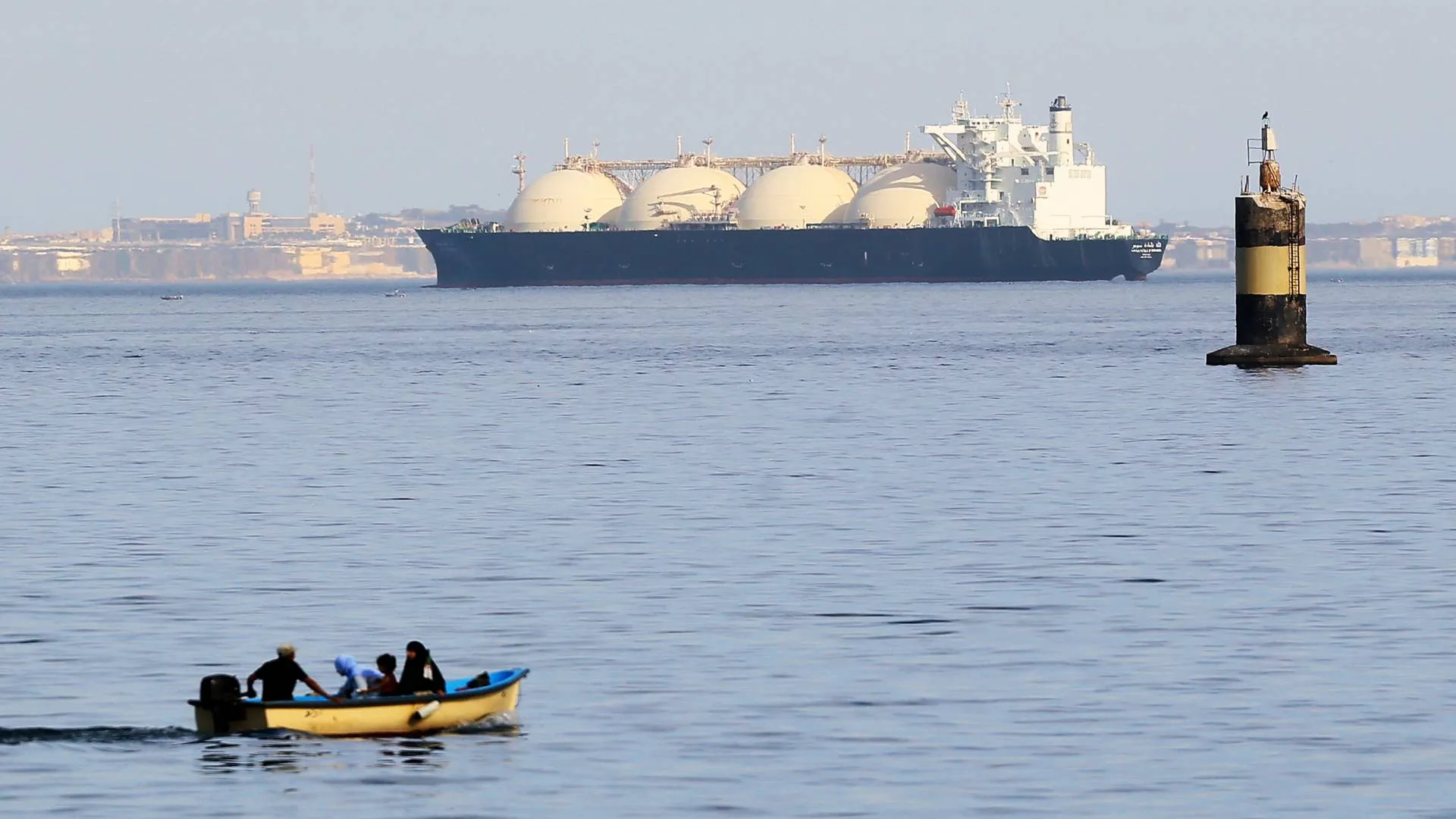
24.1. LNG Carriers
– 500m exclusion zone during operations
– Continuous gas monitoring required
– Tug escort until 5nm offshore
24.2. Cruise Ships
– Gangway watch 24/7
– Waste management plan specific to passenger vessels
– Security screening for all disembarking passengers
25. Dangerous Weather Contingencies
25.1. Typhoon Preparedness
– Mandatory evacuation when Typhoon Signal #8 is issued
– Vessels must maintain 72-hour fuel reserve during typhoon season (June-November)
– Port closure decision made when sustained winds exceed 25m/s
25.2. Tsunami Response
– Immediate departure required for all vessels upon tsunami warning
– Designated deep-water safe zones marked on nautical charts
– Vertical evacuation protocol for shore personnel
26. Port Labor Regulations
26.1. Stevedore Operations
– Maximum 8-hour shifts with mandatory 1-hour breaks
– Certified PPE required for all cargo handling operations
– Dispute resolution through Kagoshima Port Labor Association
26.2. Crew Working Hours
– Compliance with ILO Maritime Labor Convention 2006
– Port work limited to 14 hours in any 24-hour period
– Mandatory 10-hour rest periods between shifts
27. Navigation Aids
27.1. Light Characteristics
– Main channel: Green flashing every 4 seconds (Fl G 4s)
– Breakwater: Red fixed with occulting every 8 seconds (Oc R 8s)
– All lights maintained to IALA standards
27.2. Electronic Navigation
– ENC charts must be updated within 30 days of notice to mariners
– AIS transponder checks conducted during port state control
– Backup paper charts required for vessels >500 GT
28. Port Infrastructure Maintenance
28.1. Dredging Operations
– Annual maintenance dredging conducted March-April
– Notice to mariners issued 14 days in advance
– Depth surveys conducted quarterly by Japan Hydrographic Department
28.2. Berth Inspections
– Ultrasonic testing of mooring bollards every 2 years
– Fender replacement cycle: 5 years or when damage exceeds 15%
– Load testing of cargo cranes every 6 months
29. Special Cargo Handling
29.1. Perishable Goods
– Temperature monitoring every 2 hours for refrigerated containers
– Priority berthing for livestock carriers
– Customs fast-track for time-sensitive medical supplies
29.2. Heavy Lift Operations
– Wind speed limit: 10m/s for lifts >50 tons
– Mandatory engineering survey for loads >100 tons
– Port crane capacity charts available at all berths
30. Vessel Waste Management
30.1. Solid Waste Disposal
– Segregation into 5 categories: plastics, food, metal, glass, and hazardous
– Compulsory use of port-approved waste contractors
– Digital waste tracking via JP-WasteNet system
30.2. Hazardous Materials
– Special containment for asbestos and PCB-containing materials
– 24-hour advance notice for radioactive waste handling
– Trained hazardous materials team on standby
31. Port Lighting Standards
31.1. Navigational Lighting
– LED lighting required for all new installations
– Minimum maintained illuminance of 20 lux at quayside
– Emergency lighting with 3-hour battery backup
31.2. Security Lighting
– Motion-activated perimeter lighting
– Infrared-capable cameras in low-light areas
– Glare control measures for helicopter operations
32. Marine Wildlife Protection
32.1. Speed Restrictions
– 10-knot speed limit in whale migration corridors (Dec-Mar)
– No-wake zones near coral reef areas
– Underwater noise reduction measures for pile driving
32.2. Pollution Prevention
– Strict prohibition on marine mammal feeding
– Oil spill response teams trained in wildlife rescue
– Ballast water filtering for invasive species control
33. Port Access Roads
33.1. Truck Regulations
– Axle weight limits strictly enforced
– Hazardous cargo routes clearly marked
– Night transport requires special permits
33.2. Pedestrian Safety
– Segregated walkways with reflective markings
– High-visibility vests mandatory in operational areas
– Automated crossing signals at vehicle transit points
34. Emergency Drills
34.1. Mandatory Exercises
– Monthly fire drills with port fire brigade
– Quarterly oil spill response simulations
– Annual full-scale port evacuation exercise
34.2. Certification
– Drill participation recorded in port safety database
– Certificates valid for 12 months
– Foreign vessel crews must demonstrate equivalent training
35. Port Security Levels
35.1. MARSEC Level Implementation
– Level 1: Standard operating procedures with random checks
– Level 2: Additional patrols and access restrictions
– Level 3: Full lockdown with armed escorts for all movements
35.2. Access Control
– Biometric verification for restricted areas
– Vehicle screening with X-ray scanners
– Visitor escorts required at all times
36. Bunkering Operations
36.1. Fuel Quality Standards
– ISO 8217:2017 compliance mandatory
– Sampling and testing for all deliveries
– Digital bunker delivery notes required
36.2. Safety Procedures
– Pre-bunkering safety meeting mandatory
– Dedicated fire watch during operations
– Emergency shutdown systems tested weekly
37. Port Community System
37.1. Digital Platforms
– Single window for all port clearances
– Real-time vessel tracking interface
– Automated berth allocation system
37.2. Data Requirements
– ETA updates every 6 hours
– Cargo manifests in UN/EDIFACT format
– Crew change information 48 hours in advance
38. Cold Ironing Facilities
38.1. Shore Power Connections
– 6.6kV/60Hz system available at main berths
– Certified connectors required
– Pre-connection safety checks mandatory
38.2. Environmental Benefits
– 85% reduction in at-berth emissions
– Priority berthing for vessels using shore power
– Subsidized electricity rates for clean vessels
39. Port Meteorological Station
39.1. Weather Monitoring
– Real-time wind speed/direction displays
– Tide prediction system with 98% accuracy
– Storm surge early warning capability
39.2. Data Sharing
– Automated reports to Japan Meteorological Agency
– Live feed to vessel traffic services
– Historical data archive available for research
40. Port Tariff Structure
40.1. Vessel Charges
– Berthage fees: ¥15,000 per 100GT per day
– Pilotage: ¥8,000 for vessels under 10,000 DWT
– Discounts available for eco-friendly vessels
40.2. Cargo Handling Fees
– Container handling: ¥2,500 per TEU
– Bulk cargo: ¥800 per metric ton
– Dangerous goods surcharge: 20% additional
41. Ship Repair Services
41.1. Dry Dock Facilities
– 250m graving dock available
– 24/7 underwater welding services
– Hull cleaning with eco-friendly methods
41.2. Emergency Repairs
– Mobile repair teams on standby
– Priority access to spare parts warehouse
– Class-approved temporary repairs
42. Port Health Services
42.1. Medical Facilities
– ILO-compliant medical center
– 24-hour emergency response team
– Telemedicine connections available
42.2. Sanitation Control
– Vector control inspections weekly
– Food safety monitoring for galley supplies
– Waste water testing for pathogens
43. Navigation Restrictions
43.1. Channel Limitations
– Air draft: 45m at highest tide
– Maximum beam: 48m for main channel
– Special permission required for vessels >300m LOA
43.2. Tidal Considerations
– 2-hour window for VLCC transit at high tide
– Current speeds up to 4 knots at narrows
– Tide tables published quarterly
44. Port Insurance Requirements
44.1. Mandatory Coverage
– Third party liability: ¥500 million minimum
– Pollution insurance: ¥1 billion minimum
– Crew accident coverage required
44.2. Claims Processing
– Digital submission within 72 hours of incident
– Surveyor appointed within 24 hours
– Average claim processing time: 14 working days
45. Port Customs Procedures
45.1. Clearance Process
– Electronic declaration via NACCS system mandatory
– Average clearance time: 2 hours for standard cargo
– 24/7 customs availability for perishable goods
45.2. Restricted Items
– CITES-listed species require special permits
– Cultural artifacts export prohibited without certification
– Pharmaceutical imports need MHLW approval
46. Vessel Traffic Services
46.1. Monitoring Systems
– Radar coverage extends 25nm offshore
– AIS data integrated with coastal stations
– AI-assisted collision risk detection
46.2. Communication Protocols
– VHF Channel 16 for emergencies
– Bilingual (Japanese/English) operators available
– Digital NOTAM system for navigational warnings
47. Port Firefighting Capabilities
47.1. Emergency Response
– 5 fireboats stationed strategically
– Foam suppression systems at all fuel berths
– Thermal imaging for smoke-filled spaces
47.2. Training Standards
– Monthly drills with simulated scenarios
– International mutual aid agreements in place
– Specialized training for chemical fires
48. Port Environmental Monitoring
48.1. Air Quality
– Continuous PM2.5 and SOx monitoring
– Data publicly available in real-time
– Automatic alerts for exceedances
48.2. Water Quality
– Weekly sampling at 15 locations
– Oil content monitoring at discharge points
– Coral reef health assessments biannually
49. Special Event Management
49.1. Marine Events
– 60-day notice required for regattas
– Safety zones established for fireworks displays
– Noise restrictions after 2200 hours
49.2. VIP Visits
– Security sweeps 24 hours prior
– Designated secure docking areas
– Temporary flight restrictions enforced
50. Port Fuel Services
50.1. Bunker Fuel Availability
– IFO 380 available at all main berths
– MGO supply capacity: 5,000 metric tons/day
– LNG bunkering pilot program available
50.2. Fuel Quality Control
– On-site laboratory testing available
– Mass flow meters on all bunker barges
– Digital fuel tracking from source to vessel
51. Dangerous Goods Storage
51.1. Classification Zones
– IMDG Class 1-9 segregated storage areas
– Temperature-controlled units for Class 4.1
– Explosion-proof lighting in all DG areas
51.2. Handling Procedures
– Certified DG handlers required
– Pre-stack safety assessments mandatory
– Emergency showers every 50 meters
52. Port Telecommunications
52.1. Network Infrastructure
– 5G coverage throughout port area
– Redundant fiber optic backbone
– Maritime VSAT services available
52.2. Emergency Comms
– Satellite phones in all emergency vehicles
– Backup HF radio system
– Priority access for SAR operations
53. Port Sanitation Facilities
53.1. Crew Amenities
– 24-hour shower facilities
– Laundry services with quick turnaround
– Crew recreation areas with WiFi
53.2. Waste Reception
– Oily water separation capacity: 500m³/day
– Food waste composting program
– Medical waste incineration available
54. Port Performance Metrics
54.1. Operational KPIs
– Average berth occupancy: 68%
– Crane moves per hour: 28
– Truck turnaround time: 45 minutes
54.2. Customer Service
– 24/7 help desk in 5 languages
– Online tracking for all shipments
– Monthly customer satisfaction surveys
55. Port Icebreaking Services
55.1. Winter Operations
– Icebreaker on standby December-March
– Minimum channel width maintained: 150m
– Real-time ice thickness monitoring
55.2. Vessel Requirements
– Ice class certification verification
– Mandatory cold weather gear inspections
– Special hull stress monitoring during operations
56. Port Noise Control
56.1. Operational Limits
– 65 dB daytime noise limit at perimeter
– 55 dB nighttime limit (2200-0600)
– Vessel engine testing restricted to daylight hours
56.2. Mitigation Measures
– Sound barriers around generator areas
– Electric RTG cranes in residential zones
– Vessel speed reduction near sensitive areas
57. Port Historical Preservation
57.1. Protected Structures
– 19th century lighthouse maintained as landmark
– Original warehouse district conservation zone
– Archaeological surveys before new construction
57.2. Cultural Programs
– Annual port heritage festival
– Working museum with operational vintage equipment
– Oral history project documenting port traditions
58. Port Scientific Research
58.1. Marine Studies
– Designated areas for oceanographic research
– Water sampling stations for academic use
– Underwater noise monitoring for cetacean studies
58.2. Technology Testing
– Autonomous vessel trial zone
– Green energy pilot project area
– Port digital twin development program
59. Port Community Engagement
59.1. Public Access
– Scheduled harbor tours available
– Observation decks with information displays
– Open house events quarterly
59.2. Educational Programs
– Maritime career days for local schools
– Apprenticeship opportunities for students
– University partnership for port-related research