1. Port and Terminal Operations
1.1 Berthing Priorities: Vessels carrying hazardous materials or requiring urgent medical assistance receive priority berthing. Confirmation must be requested 72 hours prior to arrival via Port Control (Channel 16 VHF).
1.2 Cold Ironing: All terminals provide shore power (440V/60Hz). Mandatory for vessels berthing over 2 hours (Niigata Port Regulations Article 12-3).
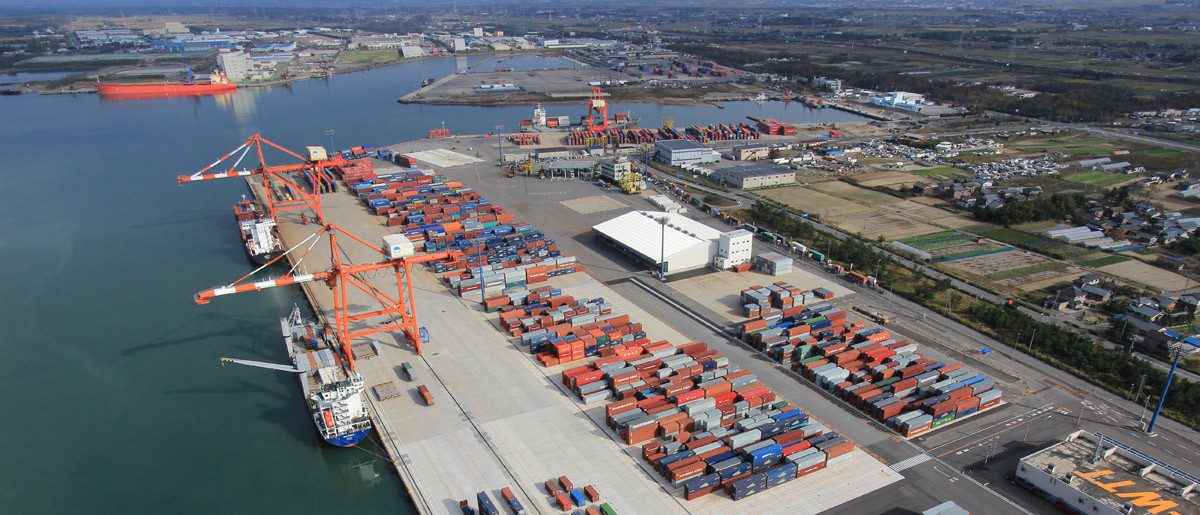
1.3 Cargo Handling: Maximum simultaneous crane operations per vessel: 3 (for vessels >200m LOA). Container handling rate averages 25 moves/hour/gantry crane (2023 port statistics).
2. Navigation and Channel Restrictions
2.1 Channel Depth: Maintained at -12.5m CD (Chart Datum). Silting occurs west of buoy #7 – vessels >10m draft must confirm latest survey data.
2.2 Tide Restrictions: Spring tide currents reach 3.8 knots at 142° true bearing. VLCCs permitted only during neap tides (confirmed via pilot briefing).
2.3 AIS Mandate: Continuous transmission required within 12nm of port entrance (Japan Coast Guard Notice 2021-15).
3. Anchorage Regulations
3.1 Designated Anchorage A: 38°16.5’N 139°01.8’E (radius 0.5nm), max 5 vessels. Anchorage B (emergency): 38°17.2’N 139°03.1’E.
3.2 Holding Ground: Clay bottom with 3:1 holding power ratio. Recommend 7 shots chain for vessels >20,000 DWT.
3.3 Anchorage Watch: Mandatory engine standby when within 1nm of LNG terminal exclusion zone.
4. Dangerous Goods Handling
4.1 IMDG Compliance: Class 1 explosives require 48-hour pre-advice to Port Security (Form DG-7).
4.2 Gas-Free Certificates: Required before hot work on tankers – only issued by NKKK (ClassNK) surveyors.
4.3 Spill Response: SOPEP equipment must be deployed within 30 minutes of bunkering commencement.
5. Crew Safety Protocols
5.1 MOB Drills: Mandatory within 24 hours before port entry. Must include recovery boat deployment (SOLAS Ch.III/19).
5.2 Enclosed Spaces: Dual-gas detectors (O2/H2S) required for all tank entries (ISGOTT 6th Ed.).
5.3 Emergency Contacts: Port Control: +81-25-245-0111 (24/7 English speaker available).
6. Environmental Compliance
6.1 Ballast Water: Mandatory exchange beyond 200nm from coast (Japan BWM Act). Records subject to PSC inspection.
6.2 Garbage Disposal: No plastic discharge permitted. Licensed receivers available at Pier 3 (receipts required).
6.3 ECA Compliance: Fuel sulfur content ≤0.10% within port limits (MARPOL Annex VI).
7. Cargo Documentation
7.1 Grain Cargo: Must present original phytosanitary certificates before loading (MAFF Ordinance 73).
7.2 Timber Deck Cargo: Lashings to withstand 35° roll (CSS Code Ch.5). Surveyor approval required.
7.3 Hazardous Manifest: Electronic submission via JP-MARINE system 96 hours pre-arrival.
8. Winter Operations (Dec-Mar)
8.1 Ice Accumulation: Deck sprinklers mandatory when temperature <-5°C for >6 hours.
8.2 Bunker Quality: Require pour point certification for MGO deliveries (max -15°C).
8.3 Mooring Lines: Synthetic lines prohibited – steel wire minimum diameter 28mm.
9. Port Services
9.1 Pilotage: Compulsory for vessels >500 GT. Two boarding points: North (38°18’N 139°05’E) and South (38°14’N 139°02’E).
9.2 Tugs: Minimum 2 tugs required for vessels >180m LOA (bow/stern configuration).
9.3 Provisions: All fresh produce must undergo MAFF inspection (48-hour notice required).
10. Security Requirements
10.1 ISPS Level 1: Gangway watch with 30-minute patrols. No solo shore leave permitted 2200-0500.
10.2 Drone Ban: No UAV operations within 3nm of port without MPA permission.
10.3 Cyber Security: Mandatory network segregation for ECDIS/BNWAS systems (IMO MSC.428(98)).
11. Vessel Traffic Management
11.1 VTS Coverage: Continuous monitoring on VHF Ch.12/14. Mandatory position reports at waypoints Alpha (38°20’N 139°00’E) and Bravo (38°15’N 139°04’E).
11.2 Speed Limit: 8 knots within inner harbor (signposted at channel entrance). VLCCs must maintain >0.5kn under tow during berthing.
11.3 Overtaking Prohibition: No overtaking in main channel between buoys #3-#9 (Japan Maritime Safety Agency Notice No. 42/2022).
12. Bunkering & Ship Supplies
12.1 Bunker Grades: Only ISO 8217-compliant fuels available (LSMGO, ULSFO, HFO). Sampling by independent inspector mandatory.
12.2 Barge Operations: Daylight-only bunkering for vessels >50,000 DWT. Minimum 2 mooring boats required during transfer.
12.3 Fresh Water: Potable water available at all berths (test certificates provided upon request). Chlorination level maintained at 0.2-0.5ppm.
13. Port Dues & Fees
13.1 Calculation Basis: GT-based for vessels <200m LOA, GT + LOA for larger vessels (Port Tariff Schedule 2024).
13.2 Waste Fee: Fixed charge of ¥18,500 per garbage disposal (excluding plastic). Sludge disposal ¥320/ton.
13.3 Discounts: 15% reduction for vessels using shore power >6 hours (submit consumption log).
14. Customs & Immigration
14.1 Crew Change: Advance notice 72 hours via JP-CREW system. Medical insurance coverage verification required.
14.2 Bonded Stores: Declaration required before unloading. Alcohol allowance: 1L per crew/month (Customs Notice 5A-3).
14.3 Prohibited Items: Drones, satellite phones >5W, and fresh meat products require prior clearance.
15. Emergency Procedures
15.1 Oil Spill: Immediate report to MSA Niigata (+81-25-248-9111). Containment boom deployment within 1 hour mandatory.
15.2 Medical Evacuation: Designated helicopter landing zone at Pier 6 (coordinates 38°16’12″N 139°02’45″E).
15.3 Firefighting: Port tugs equipped with FiFi1 pumps (12,000m³/hr capacity). Pre-arrival fire drill records required.
16. Cargo Storage & Logistics
16.1 Refrigerated Containers: Terminal reefer plugs 440V/60Hz. Temperature logs checked every 4 hours.
16.2 Bulk Cargo Sheds: Humidity-controlled storage for grains (maintained at <14% RH). Anti-rat measures enforced.
16.3 Hazardous Warehouses: Class 1.1-1.3 explosives stored in isolated bunker (24hr CCTV monitoring).
17. Meteorological Restrictions
17.1 Typhoon Precautions: Mandatory double mooring when sustained winds >25m/s. Cargo ops cease at >15m/s.
17.2 Fog Procedures: Pilotage suspended when visibility <500m. Vessels at anchor must sound fog signals (COLREG Rule 35).
17.3 Snow Clearance: Vessels responsible for removing snow accumulations >10cm from decks before departure.
18. Special Cargo Handling
18.1 Project Cargo: Max single piece 350t (Pier 2 only). Stowage plans require PE stamp.
18.2 Livestock: Veterinary inspection 24hr pre-loading. Minimum ventilation rate 60m³/hr per animal.
18.3 Radioactive Materials: Exclusive use of Pier 5. Transport permits valid for 72hr only.
19. Communication Protocols
19.1 Radio Silence: Strictly enforced during pilot transfer (5min before/after boarding).
19.2 Incident Reporting: Use standardized JCG Form MS-28 for all marine casualties (submission within 2hrs).
19.3 Language: English mandatory for bridge-to-bridge communications (IMO SMCP standards).
20. Local Regulations
20.1 Fishing Zones: No trawling within 1nm of breakwaters (marked by yellow buoys).
20.2 Night Navigation: Unlit barges prohibited from moving 1900-0500 local time.
20.3 Heritage Sites: No anchoring within 0.5nm of Sado Island marine protected area (38°12’N 138°58’E).
21. Ship Repair & Maintenance
21.1 Dry Dock Availability: Two floating docks (max capacity 50,000 DWT). Advance booking ≥30 days required for docking schedules.
21.2 Hot Work Permits: Issued only after gas-free certification by ClassNK or NKKK surveyors. Validity 12 hours maximum.
21.3 Waste Disposal: Paint chips and blasting debris must be containerized (special bins provided at repair quay).
22. Crew Welfare Facilities
22.1 Shore Leave: Crew must carry valid CDC and port-issued ID pass. Curfew 2300-0500 for non-officers.
22.2 Medical Services: Port clinic open 0800-2000 (emergency contact +81-25-245-0999). Hepatitis B vaccination mandatory for medics.
22.3 Seafarer Center: Free WiFi and SIM cards available at Niigata Seamen’s Club (1km from Pier 3).
23. Port Infrastructure
23.1 Fendering Systems: Cone-type fenders at all berths (energy absorption 2000 kJ). Inspect for damage before mooring.
23.2 Mooring Bollards: SWL 150t (tested annually). Use minimum 4 headlines for vessels >150m LOA.
23.3 Lighting Standards: Minimum 200 lux at cargo working areas (measured at 1m above deck).
24. Dangerous Weather Contingencies
24.1 Tsunami Protocol: Immediate departure required for all vessels upon JMA Warning Level 3 (siren audible port-wide).
24.2 Heavy Snow: Cargo ops suspended when snowfall exceeds 5cm/hour. Vessels must keep steam up for line heating.
24.3 Earthquake Response: All gantry cranes automatically lock at seismic intensity 4 (Japan scale).
25. Special Vessel Requirements
25.1 RO-RO Operations: Maximum ramp angle 8°. Stern ramp width ≥5m for Pier 4 operations.
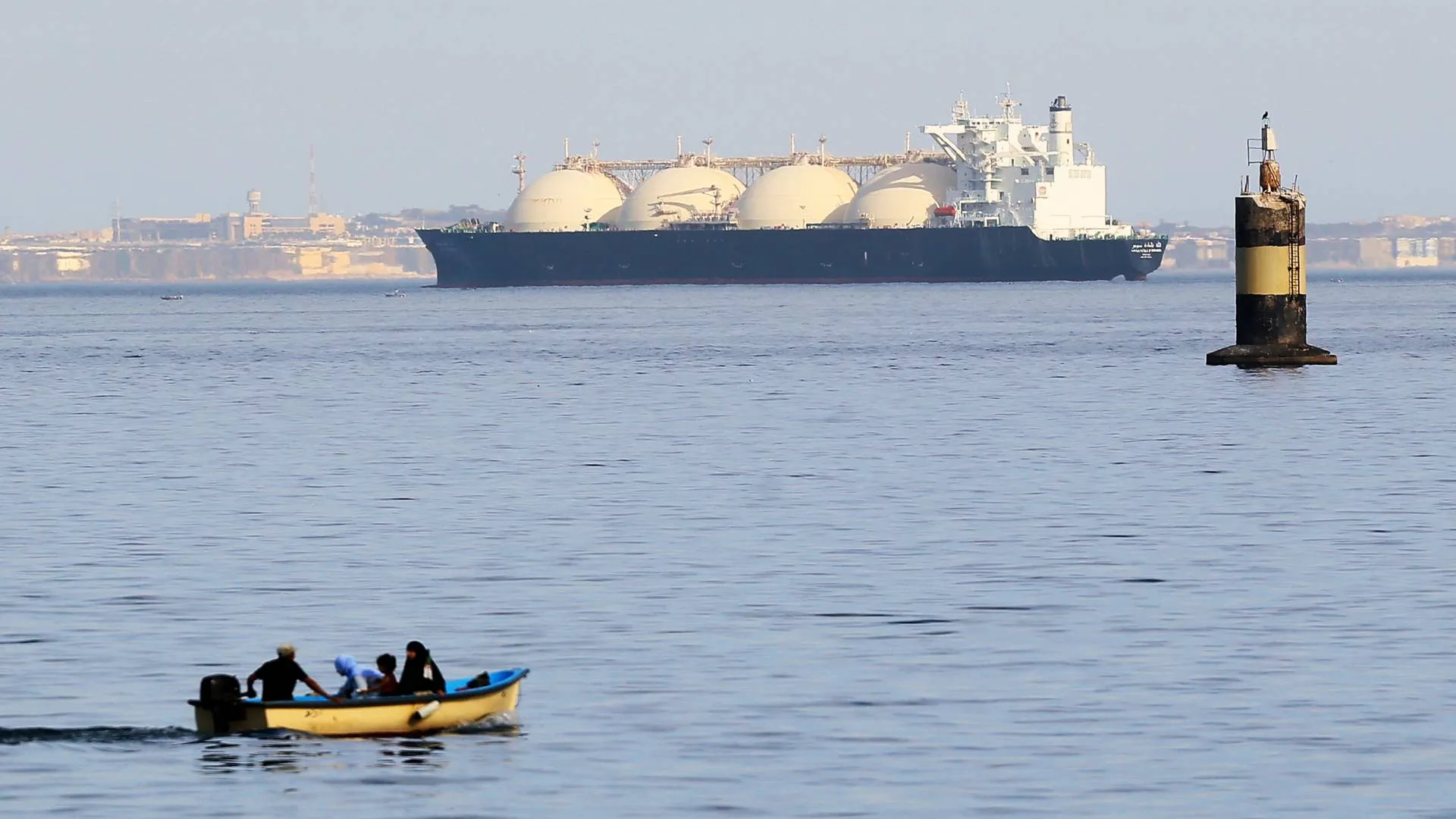
25.2 LNG Carriers: Tug escort mandatory within 3nm radius. No parallel operations with oil tankers.
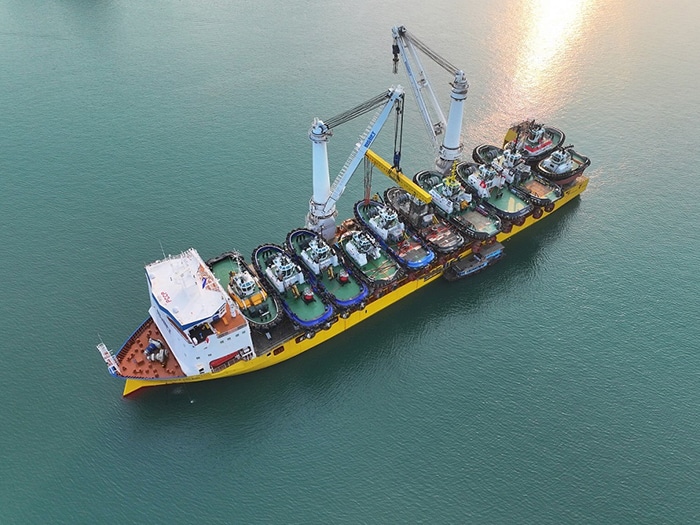
25.3 Heavy Lift Vessels: Swing radius markers must be painted on deck (minimum 5m clearance required).
26. Port Security Measures
26.1 Access Control: Biometric scanning at all terminal gates. Visitors require pre-approved e-pass.
26.2 Underwater Inspections: Random hull searches conducted by JCG divers (24hr notice provided).
26.3 Cybersecurity: Mandatory firewall between ship’s network and cargo management systems (IMO MSC-FAL.1/Circ.3).
27. Environmental Monitoring
27.1 Air Quality: Continuous PM2.5 monitoring at berths. Vessels exceeding 20mg/Nm³ SOx must reduce auxiliary engines.
27.2 Water Sampling: Daily checks for oil content (limit 15ppm). Automatic shutoff if threshold exceeded.
27.3 Noise Control: Maximum 75dB(A) at terminal boundaries during 2200-0600 (ISO 2923 compliance).
28. Cargo Documentation
28.1 Bulk Cargo Certificates: Moisture content declaration required for iron ore/petroleum coke (IMSBC Code Appendix 2).
28.2 Container Weights: Verified Gross Mass (VGM) must use Japan-approved weighing methods (MLIT Ordinance 54).
28.3 Dangerous Goods Stowage: Segregation tables must match IMDG Code Supplement (2022 Edition).
29. Navigation Aids
29.1 Buoyage System: IALA Region A (red port side entering). Light characteristics published in JCG Notice to Mariners No. 18.
29.2 DGPS Service: Available 24/7 (call sign JM553, frequency 311.5kHz). Accuracy ±1m within 20nm range.
29.3 Radar Coverage: 3cm/X-band radar at port entrance detects targets >10m² at 5nm range.
30. Legal Compliance
30.1 Waste Records: Garbage logbook entries require master’s signature and port stamp (Japan Waste Disposal Act Article 15).
30.2 Crew Contracts: Must comply with MLC 2006 standards. Random inspections by JMU surveyors.
30.3 Historical Artifacts: Anchoring prohibited in designated shipwreck zones (38°11’N 138°55’E to 38°13’N 138°57’E).
31. Vessel Sanitation
31.1 Rat Prevention: Mandatory rat guards on all mooring lines. Port health inspections conducted randomly (WHO International Health Regulations).
31.2 Disinfection: Required for vessels from cholera-affected areas (certificate from approved pest control company needed).
31.3 Medical Waste: Must be stored in yellow biohazard containers for licensed disposal (no incineration onboard).
32. Port Entry/Exit Procedures
32.1 Pre-arrival Forms: Electronic submission of IMO FAL forms 1-6 required 48 hours prior to arrival (via JP-SHIP system).
32.2 Departure Clearance: Obtained only after all waste receipts and cargo documents verified by customs.
32.3 Last Minute Changes: Any alteration to crew list or cargo manifest requires resubmission (minimum 6 hours processing time).
33. Special Area Compliance
33.1 Sewage Discharge: Prohibited within 12nm of coast (MARPOL Annex IV Special Area). Holding tank inspections may be conducted.
33.2 Oily Water Separators: 15ppm alarm must be tested in presence of port state control (record in Oil Record Book Part I).
33.3 Exhaust Scrubbers: Closed-loop systems only permitted. Wash water discharge banned in port limits.
34. Cargo Handling Equipment
34.1 Container Spreaders: Annual load testing certification required (minimum SWL marked visibly).
34.2 Bulk Unloaders: Maximum grab capacity 32 tons. Dust suppression systems mandatory during operations.
34.3 Conveyor Systems: Emergency stop buttons tested weekly (records available for inspection).
35. Mooring Operations
35.1 Synthetic Lines: Permitted only with prior approval (maximum elongation 15%). Nylon prohibited for breast lines.
35.2 Tension Monitoring: Automated systems required for vessels >250m LOA (readings recorded every 15 minutes).
35.3 Storm Moorings: Additional heavy weather lines must be rigged when gale warning issued (Beaufort 8+).
36. Port State Control
36.1 Inspection Priority: Vessels with 3+ deficiencies in last 12 months subject to expanded inspection (Tokyo MOU criteria).
36.2 Detention Appeals: Must be filed within 24 hours to Japan MSA headquarters (Form PSC-7).
36.3 ISM Audits: Copies of last two internal audit reports must be available for review.
37. Bunker Quality Control
37.1 Sampling Procedure: Four-way method (ship/receiver/supplier/retained) mandatory for all bunker deliveries.
37.2 Fuel Testing: ISO 4259 compliant labs only (nearest approved facility: Nippon Kaiji Kyokai, Niigata branch).
37.3 Dispute Resolution: Claims must be lodged within 14 days with original sealed samples.
38. Ice Navigation (Winter)
38.1 Hull Coatings: Vessels without ice class must apply special lubricants below +2°C seawater temperature.
38.2 Propeller Clearance: Minimum 25% diameter clearance required when operating in brash ice.
38.3 Bow Thruster Use: Prohibited when ice concentration exceeds 3/10 coverage.
39. Crew Training Requirements
39.1 Port-specific Training: Masters must complete Niigata Port familiarization module (valid 3 years).
39.2 Emergency Drills: MOB recovery using port-supplied equipment must be demonstrated annually.
39.3 Language Proficiency: Deck officers must demonstrate IMO SMCP Level 3 English during PSC inspections.
40. Port Information Resources
40.1 Navigational Warnings: Updated hourly on JCG website (https://www.kaiho.mlit.go.jp).
40.2 Tide Tables: Official Japan Hydrographic Association publications only (corrections issued monthly).
40.3 Port Regulations: Full text available at Niigata Port Authority office (English version Section 12-45).
41. Vessel Traffic Separation Scheme
41.1 TSS Boundaries: Implemented 5nm offshore (coordinates published in JCG Notice 15/2023). Crossing prohibited except emergencies.
41.2 Reporting Points: Mandatory position reports at 38°30’N 139°10’E (North Gate) and 38°10’N 138°55’E (South Gate).
41.3 Lane Discipline: Westbound traffic must maintain >1nm separation from eastbound lane (COLREG Rule 10).
42. Port Emergency Response
42.1 Oil Spill Equipment: Three response vessels stationed at Inner Harbor (capacity 500m³ each).
42.2 Firefighting Water: Dedicated saltwater mains at all berths (flow rate 5,000L/min at 7 bar).
42.3 Emergency Towing: Pre-rigged towing points required on vessels >20,000 GT (OCIMF standards).
43. Special Cargo Restrictions
43.1 Oversized Loads: Maximum air draft 55m (restricted by airport flight path). Night movements prohibited.
43.2 Hazardous Materials: Class 7 radioactive cargo limited to 100TBq per vessel (NRA Regulation 2018-4).
43.3 Military Equipment: Prior approval from Ministry of Defense required (minimum 14 days notice).
44. Port Communication Systems
44.1 Digital Notice Board: Real-time updates displayed on port website and VHF Ch.74 (updated hourly).
44.2 Emergency Broadcast: Simultaneous Japanese/English alerts via VHF Ch.16 and SMS to registered vessels.
44.3 Email Notices: Official port communications use @port.niigata.lg.jp domain only.
45. Vessel Maintenance in Port
45.1 Underwater Cleaning: Prohibited without prior EIA approval (biofouling disposal regulations apply).
45.2 Stack Emissions: Visible smoke >Ringelmann 1 prohibited during port stay (continuous monitoring).
45.3 Hull Inspections: Divers must be licensed by Japan Maritime Bureau (minimum 2 divers present).
46. Port Meteorological Services
46.1 Weather Updates: Hourly METAR broadcasts on NAVTEX (518kHz) and VHF Ch.80.
46.2 Storm Warnings: Red flag system displayed at control tower (3 levels corresponding to Beaufort scale).
46.3 Current Predictions: Real-time ADCP data available at pilot boarding stations.
47. Ship Chandler Services
47.1 Approved Suppliers: List maintained by Niigata Ship Suppliers Association (NSSA certification required).
47.2 Delivery Hours: 0800-2000 only. After-hours require port security escort (¥15,000 fee).
47.3 Quality Standards: All provisions must meet Japan Food Sanitation Act requirements.
48. Port Infrastructure Maintenance
48.1 Dredging Schedule: Channel maintenance conducted March-June (NOTAM issued 30 days prior).
48.2 Navigation Light Checks: Daily verification by port technicians (failure reporting within 15 minutes).
48.3 Fender Inspections: Ultrasonic testing conducted quarterly (certificates posted at each berth).
49. Special Navigation Procedures
49.1 VLCC Routing: Compulsory use of designated deepwater track (waypoints published monthly).
49.2 Tug Assistance: Minimum bollard pull requirements: 60t for vessels 150-200m LOA, 80t for >200m.
49.3 Bank Effect: Strong starboard tendency reported at 38°17’N 139°03’E during ebb tides (>3kn current).
50. Port Administrative Contacts
50.1 Harbor Master: Direct line +81-25-245-0101 (24/7 availability for emergencies).
50.2 Customs Clearance: Electronic submissions only via NACCS system (helpdesk +81-3-3599-3100).
50.3 PSC Coordination: Japan Coast Guard Niigata Office +81-25-248-9111 (inspection requests).
51. Vessel Waste Management
51.1 Sludge Disposal: Only licensed contractors permitted (list available at Port Reception Facility). Maximum sulfur content 0.5% for incinerator waste.
51.2 Plastic Recycling: Mandatory separation of ship-generated plastics (marked containers provided at each berth).
51.3 Food Waste: Must be ground to <25mm before discharge beyond 12nm (MARPOL Annex V compliance).
52. Port Security Levels
52.1 ISPS Level 2: Additional 50m exclusion zone enforced. All deliveries undergo X-ray screening.
52.2 Drone Surveillance: Automated perimeter monitoring active 24/7 (JPEG images retained for 30 days).
52.3 Cybersecurity: Mandatory reporting of all IT system breaches to Japan Cyber Incident Response Team (JCIRT).
53. Dangerous Goods Storage
53.1 Explosives Magazine: Temperature-controlled (15-20°C) with 24/7 security patrols. Access requires dual authorization.
53.2 Gas Cylinders: Must be secured upright with valve caps during storage and transport.
53.3 Chemical Segregation: IMDG Class 8 acids stored minimum 10m from Class 4.3 materials.
54. Vessel Technical Requirements
54.1 Emergency Generator: Must sustain 45-minute load test during port stay (SOLAS II-1/43).
54.2 Ballast Water: Exchange records must include salinity measurements (minimum 30 PSU).
54.3 Fire Dampers: Operational testing required before hot work permits issued.
55. Port Labor Regulations
55.1 Stevedore Shifts: Maximum 8 hours continuous work with 1-hour break after 4 hours.
55.2 Safety Gear: Hi-vis vests with retro-reflective strips mandatory for all terminal personnel.
55.3 Crane Operations: Wind speed limits strictly enforced (cease operations at 15m/s sustained winds).
56. Special Navigation Warnings
56.1 Submarine Cables: No-anchoring zone between 38°14’N 139°00’E and 38°16’N 139°02’E (marked on charts).
56.2 Fishing Nets: Seasonal concentrations reported northwest of breakwater October-March.
56.3 Military Exercise Areas: Temporary exclusion zones announced via NAVAREA XI warnings.
57. Port Clearance Procedures
57.1 Customs Inspection: Random selection based on risk assessment (10% of vessels).
57.2 Immigration Clearance: Crew passports must have minimum 6 months validity.
57.3 Health Declaration: Maritime Declaration of Health submitted to quarantine office 12 hours pre-arrival.
58. Vessel Positioning Systems
58.1 DGPS Accuracy: Integrity monitoring alarms activate if position error exceeds 3m.
58.2 AIS Transponders: Silent mode prohibited within port limits (JCG Order 12-5).
58.3 Radar Reflectors: Mandatory for vessels <50m LOA when anchored in designated areas.
59. Port Environmental Protection
59.1 Ballast Water Sampling: Random checks for invasive species (10% of visiting vessels).
59.2 Exhaust Monitoring: Continuous opacity measurement for vessels >400GT built after 2000.
59.3 Underwater Noise: Restrictions on pile driving activities 0800-1800 only.
60. Emergency Preparedness
60.1 Man Overboard: Dedicated rescue boat stationed at central pier (5-minute response time).
60.2 Medical Evacuation: Helicopter landing zone cleared every 2 hours during daylight.
60.3 Spill Response: Pre-positioned containment boom at 500m intervals along waterfront.
61. Port Lighting Requirements
61.1 Navigational Lights: All berths equipped with 360° white obstruction lights visible for 3nm.
61.2 Working Area Lighting: Minimum 500 lux maintained at container handling zones during night operations.
61.3 Emergency Lighting: Battery-backed systems activate automatically during power failures (90-minute duration).
62. Vessel Draft Restrictions
62.1 Channel Depth: Maximum 15.5m at zero tide (refer to daily tidal corrections).
62.2 Squat Effect: Vessels >200m LOA must maintain 10% under-keel clearance during movement.
62.3 Freshwater Allowance: 0.25m additional draft permitted when density <1.010 t/m³.
63. Port Communication Protocols
63.1 VHF Channels: Primary working channel 13, secondary channel 67 (English language mandatory).
63.2 Emergency Signals: Three prolonged blasts repeated every 2 minutes indicates port evacuation.
63.3 Digital Reporting: All incident reports must use IMO-standard XML format via PortLink system.
64. Cargo Securing Standards
64.1 Container Lashings: Minimum 4 twistlocks per 40ft container in exposed positions.
64.2 Bulk Cargo Trim: Maximum 5° angle for grain shipments (IMO Grain Code compliance).
64.3 Project Cargo: Sea-fastening drawings must be certified by classification society.
65. Port Safety Zones
65.1 Exclusion Areas: 50m radius around bunkering operations marked by yellow floating barriers.
65.2 Helicopter Operations: Red flashing lights indicate active flight operations zone.
65.3 Quarantine Anchorage: Designated area 2nm NE of port entrance (yellow special mark buoys).
66. Vessel Inspection Regime
66.1 Hull Surveys: Underwater inspections required every 30 months for vessels >15 years old.
66.2 Cargo Holds: Grain residue limits enforced (maximum 0.5kg per 100m³).
66.3 Engine Room: Oil mist detection systems tested quarterly (certificate required).
67. Port Tidal Information
67.1 Reference Planes: Chart Datum 1.2m below Mean Lower Low Water (tide tables issued annually).
67.2 Storm Surges: Real-time monitoring with alarms triggered at +1.5m above predicted levels.
67.3 Tidal Streams: Maximum 3.8 knots at spring tides in main channel (flood sets 285°T).
68. Special Operations Procedures
68.1 Heavy Lift: Wind speed monitoring required every 15 minutes during operations.
68.2 Bunkering: Static bonding cable resistance <10 ohms verified before transfer.
68.3 Tank Cleaning: Only water-soluble cleaning agents permitted in port limits.
69. Port Information Technology
69.1 Data Exchange: EDI messages via PORT-MIS system (UN/EDIFACT standards).
69.2 Cybersecurity: All ship-shore interfaces require IEC 62443-3-3 certification.
69.3 Digital Certificates: Vessel documentation must use IMO-compliant e-certificates.
70. Environmental Compliance
70.1 Exhaust Emissions: Continuous monitoring for NOx (Tier III limits enforced).
70.2 Bilge Water: Automatic recording of all discharges (minimum 15ppm alarm).
70.3 Anti-fouling: TBT-free coatings mandatory (certificate of compliance required).
71. Port Ice Management
71.1 Icebreaking Services: Available December-March (48-hour advance notice required). Priority given to vessels with ice class <1C.
71.2 Hull De-icing: Only steam or hot water methods permitted (chemical de-icers prohibited).
71.3 Navigation in Ice: Minimum speed 5 knots when transiting brash ice concentrations >6/10.
72. Vessel Stability Requirements
72.1 Loading Computers: Type-approved systems must be operational during all cargo operations.
72.2 Free Surface Effect: Maximum 5% reduction in GM permitted during liquid transfers.
72.3 Heavy Weather Precautions: Additional ballast required when winds exceed Beaufort 6.
73. Port Fire Safety Systems
73.1 Hydrant Pressure: Maintained at 7 bar with 4-inch international shore connections.
73.2 Foam Stations: Protein-based foam concentrate (3% solution) available at 500m intervals.
73.3 Smoke Detection: Addressable systems tested weekly (records kept for 3 years).
74. Special Cargo Handling
74.1 Refrigerated Containers: Temperature logs must be submitted 1 hour before discharge.
74.2 Live Animals: Veterinary inspection required before loading/unloading.
74.3 Valuable Cargo: Armed security mandatory for shipments exceeding ¥100 million value.
75. Port Meteorological Equipment
75.1 Anemometers: Calibrated every 6 months (certificate posted at control tower).
75.2 Visibility Sensors: Updated every minute on port information display system.
75.3 Storm Warning System: Three-stage alert (yellow/amber/red) based on Beaufort scale.
76. Vessel Entry Restrictions
76.1 Maximum Air Draft: 58m (limited by bridge clearance at high tide).
76.2 Minimum Maneuvering Speed: 5 knots when entering inner harbor basin.
76.3 Daylight Transit: Vessels >250m LOA restricted to 0600-1800 movements.
77. Port Water Management
77.1 Ballast Water Reporting: Electronic submission required 24 hours before arrival.
77.2 Potable Water: Available at all berths (chlorine residual 0.2-0.5ppm tested hourly).
77.3 Cooling Water Discharge: Temperature differential limited to +3°C above ambient.
78. Navigation Equipment Standards
78.1 Radar Performance: Minimum 3cm wavelength radar required for vessels >500GT.
78.2 ECDIS Backups: Dual independent power sources mandatory.
78.3 AIS Transponders: Silent mode prohibited within 12nm of port.
79. Port Security Drills
79.1 ISPS Exercises: Quarterly drills including bomb threat and unauthorized boarding scenarios.
79.2 Emergency Lockdown: All gates automatically close during security level 3.
79.3 Cybersecurity Tests: Penetration testing conducted biannually.
80. Environmental Monitoring
80.1 Water Quality: Continuous hydrocarbon monitoring at all discharge points.
80.2 Air Emissions: Real-time PM2.5 measurements displayed at terminal entrances.
80.3 Noise Levels: Nighttime operations limited to 55dB at residential boundaries.
81. Port Anchorage Regulations
81.1 Designated Zones: Three anchorage areas (A1-A3) with depth restrictions 15-25m.
81.2 Holding Ground: Clay/mud bottom with 3:1 holding power ratio verified annually.
81.3 Emergency Anchoring: Prohibited within 500m of submarine cables (marked on charts).
82. Vessel Manoeuvring Requirements
82.1 Tug Assistance: Mandatory for vessels >150m LOA during berthing/unberthing.
82.2 Bow Thruster Use: Restricted to <30% power within inner harbor to prevent seabed erosion.
82.3 Turning Basins: Maximum 20° rudder angle permitted in confined areas.
83. Port Electrical Systems
83.1 Shore Power: 6.6kV/60Hz available at all deepwater berths (IEC/ISO 80005 compliant).
83.2 Emergency Generators: Must synchronize with port grid within 45 seconds of outage.
83.3 Cathodic Protection: Monthly potential measurements required for all marine structures.
84. Dangerous Liquid Transfers
84.1 Bonding Cables: Minimum 16mm² cross-section with verified continuity <10 ohms.
84.2 Emergency Shutdown: Remotely activated from both ends of transfer area.
84.3 Vapor Recovery: Required for Class IA flammable liquids (minimum 90% efficiency).
85. Port Access Control
85.1 Biometric Verification: Fingerprint scanners at all restricted area entry points.
85.2 Vehicle Permits: RFID tags required for all terminal vehicles (renewed quarterly).
85.3 Visitor Escorts: Mandatory for non-port personnel (1:1 escort ratio).
86. Vessel Documentation Standards
86.1 Electronic Logs: IMO-approved systems required for oil record books and garbage records.
86.2 Certificate Validity: Original documents must be available (no photocopies accepted).
86.3 Language Requirements: English versions required for all safety documentation.
87. Port Maintenance Dredging
87.1 Disposal Sites: Approved offshore location 12nm NE of port entrance.
87.2 Contaminant Limits: Maximum 50ppm hydrocarbons in dredged material.
87.3 Equipment Certification: All dredgers must have real-time monitoring systems.
88. Special Weather Procedures
88.1 Typhoon Preparedness: Stage 1 alert activated when winds >15m/s forecast within 48hrs.
88.2 Fog Navigation: Vessels must maintain 500m separation when visibility <1km.
88.3 Winter Operations: De-icing fluid available at all berths below +3°C.
89. Port Waste Reception
89.1 Hazardous Waste: Separate collection for paints, solvents and batteries.
89.2 Recycling Stations: Designated areas for metal, paper and glass at each terminal.
89.3 Record Keeping: Waste manifests must be retained for 3 years.
90. Vessel Safety Equipment
90.1 Lifeboat Drills: Must include actual water deployment every 3 months.
90.2 Emergency Lighting: Minimum 3-hour duration for all escape routes.
90.3 Breathing Apparatus: Positive pressure units required for all tanker operations.
91. Port Mooring Systems
91.1 Bollard Strength: Minimum SWL 150t for main berths (certified annually).
91.2 Synthetic Lines: Maximum 12% elongation under load for nylon mooring ropes.
91.3 Tension Monitoring: Automated sensors alert when line loads exceed 60% MBL.
92. Vessel Speed Limits
92.1 Approach Channel: Maximum 8 knots within 2nm of port entrance.
92.2 Harbor Basin: 5 knots within 500m of any moored vessel.
92.3 Tug Operations: 3 knots when making up alongside ships.
93. Port Lighting Standards
93.1 Navigational Aids: LED lights with 5nm visibility (IALA compliant).
93.2 Work Area Lighting: Minimum 300 lux maintained during night operations.
93.3 Emergency Lighting: 90-minute battery backup required for all exit routes.
94. Hazardous Area Classification
94.1 Zone 0 Areas: Marked with red/white striping and EX-rated equipment.
94.2 Gas Detection: Continuous monitoring in all enclosed spaces.
94.3 Hot Work Permits: Required within 15m of any hazardous material storage.
95. Port Communication Protocols
95.1 VHF Channels: Ch16 for distress, Ch13 for port operations.
95.2 Digital Notices: NAVTEX broadcasts updated every 6 hours.
95.3 Emergency Alerts: Multilingual PA system covers all operational areas.
96. Vessel Maintenance Rules
96.1 Hull Cleaning: Prohibited within port limits without containment systems.
96.2 Stack Emissions: Continuous opacity monitoring required during port stay.
96.3 Underwater Work: Minimum 2 divers with surface-supplied air required.
97. Port Security Measures
97.1 Access Control: Biometric scanners at all restricted area entry points.
97.2 Surveillance: CCTV coverage with 30-day data retention.
97.3 Drone Restrictions: No-fly zone within 1km of port facilities.
98. Special Cargo Handling
98.1 Oversized Loads: Requires route survey 24 hours prior to movement.
98.2 Temperature Control: Continuous monitoring for refrigerated containers.
98.3 Dangerous Goods: Segregation according to IMDG Class requirements.
99. Port Environmental Controls
99.1 Ballast Water: Mandatory exchange 200nm from nearest land.
99.2 Waste Oil: Separate collection system with double-walled storage.
99.3 Noise Limits: 55dB(A) at property boundary during night hours.
100. Emergency Response
100.1 Spill Kits: Strategically located every 200m along quayside.
100.2 Fire Boats: Capable of 10,000L/min foam application.
100.3 Medical Facilities: EMT-certified staff on duty 24/7.
101. Port Tidal Monitoring
101.1 Real-time Gauges: Ultrasonic sensors update water levels every 5 minutes.
101.2 Storm Surge Alerts: Automatic warnings issued when levels exceed +1.2m predicted.
101.3 Current Meters: ADCP units measure flow velocities at critical channel points.
102. Vessel Bunkering Procedures
102.1 Fuel Sampling: Witnessed by port officer with sealed samples retained 90 days.
102.2 Transfer Rates: Maximum 500m³/hr for HFO, 300m³/hr for MGO.
102.3 Emergency Stop: Red mushroom buttons located every 30m along pipelines.
103. Port Crane Operations
103.1 Load Testing: Annual proof tests at 125% SWL with certified weights.
103.2 Wind Limits: Operations cease when gusts exceed 20m/s (Beaufort 8).
103.3 Anti-Collision: Laser sensors maintain 3m clearance from vessel structures.
104. Hazardous Weather Protocols
104.1 Typhoon Preparedness: Stage 2 alert requires securing all gantry cranes.
104.2 Freezing Spray: De-icing crews activated when temperatures drop below -5°C.
104.3 Dust Control: Water spray systems mandatory during handling of dry bulk.
105. Port IT Infrastructure
105.1 Network Redundancy: Dual fiber optic rings with automatic failover.
105.2 Cybersecurity: Weekly vulnerability scans and annual penetration tests.
105.3 Data Retention: Operational records archived for minimum 7 years.
106. Vessel Sanitation Standards
106.1 Medical Waste: Incinerator facilities available (minimum 800°C burn temperature).
106.2 Potable Water: Weekly bacteriological testing at all shore connection points.
106.3 Pest Control: Mandatory inspections before loading food-grade cargoes.
107. Port Emergency Lighting
107.1 Duration: Minimum 3 hours illumination for all evacuation routes.
107.2 Intensity: 10 lux minimum at deck level for passenger terminals.
107.3 Testing: Monthly functional tests with annual full-duration tests.
108. Navigation Aid Maintenance
108.1 Buoy Servicing: Quarterly inspections with solar panel cleaning.
108.2 Fog Signals: Tested weekly with spare CO2 cylinders on site.
108.3 Racon Units: Battery replacement every 18 months.
109. Specialized Cargo Handling
109.1 Project Cargo: Engineering survey required 72 hours prior to arrival.
109.2 Livestock: Veterinary clearance and watering points mandatory.
109.3 Radioactive Materials: Dedicated storage bunker with 1m thick concrete walls.
110. Port Environmental Monitoring
110.1 Water Quality: Continuous hydrocarbon detection at all outfalls.
110.2 Air Emissions: Real-time PM2.5 and SOx monitoring network.
110.3 Noise Mapping: Quarterly surveys at 15 strategic locations.
111. Port Icebreaking Services
111.1 Ice Class Requirements: Minimum 1A Super for independent navigation in winter months
111.2 Escort Procedures: Icebreaker convoys maintain 500m spacing at 8 knots
111.3 Ice Reporting: Daily thickness measurements transmitted to all vessels
112. Vessel Trim Requirements
112.1 Optimal Trim: Maximum 0.5m by stern for container vessels during loading
112.2 Ballast Exchange: Prohibited within 12nm of coastline
112.3 Draft Surveys: Certified surveyors required for all bulk carriers
113. Port Fire Prevention
113.1 Hot Work Permits: Valid for 8-hour periods only
113.2 Flammable Storage: Double-walled tanks with secondary containment
113.3 Inspection Regime: Quarterly checks of all fire dampers and seals
114. Dangerous Goods Handling
114.1 Segregation Zones: Class-specific storage areas color-coded
114.2 Emergency Kits: Specialized spill response materials every 100m
114.3 Training Requirements: Annual refresher for all handlers
115. Port Cybersecurity
115.1 Network Segmentation: Operational technology separate from business networks
115.2 Access Controls: Multi-factor authentication for critical systems
115.3 Incident Reporting: Mandatory within 1 hour of detection
116. Vessel Waste Management
116.1 Record Keeping: Digital logs synchronized with port authorities
116.2 Processing Capacity: 50 tons/day of organic waste treatment
116.3 Incineration Standards: 850°C minimum for complete combustion
117. Port Lighting Systems
117.1 LED Conversion: 100% completion for all navigational aids
117.2 Smart Controls: Motion-activated lighting in storage areas
117.3 Glare Reduction: Full cutoff fixtures near residential areas
118. Emergency Response
118.1 Drills Frequency: Quarterly for oil spills, biannual for fire
118.2 Equipment Checks: Daily verification of response vehicles
118.3 Mutual Aid: Pre-arranged agreements with neighboring ports
119. Specialized Cargo
119.1 Oversized Loads: Mandatory route surveys 48h in advance
119.2 Temperature Sensitive: Real-time monitoring with GPS tracking
119.3 Valuable Items: Armed escort for shipments >$10M value
120. Environmental Protection
120.1 Ballast Treatment: UV systems installed at all berths
120.2 Shore Power: 100% coverage for vessels at berth
120.3 Biodiversity: Annual marine life surveys conducted