1. Port Rules and Regulations
1.1. Legal Framework: Governed by Japan’s Port and Harbor Law (Act No. 218 of 1950) and Niigata Prefectural Port Regulations. Compliance with International Maritime Organization (IMO) conventions, including SOLAS, MARPOL, and ISPS Code, is mandatory.
1.2. Navigation Rules: Vessels must adhere to the Maritime Traffic Safety Act (Law No. 62 of 1972). Speed limits within port waters are strictly enforced (max 8 knots in inner harbor, 12 knots in approach channels).
1.3. Berthing Regulations: Prior permission required for all berthing operations. Maximum allowable draft is 15.5m at high tide (verified via Niigata Port Authority tidal charts 2023).
1.4. Hazardous Cargo: Strict compliance with IMDG Code. Advance notification (24 hours minimum) for dangerous goods handling (Class 1-9).
2. Compliance and Enforcement
2.1. Port State Control (PSC): Conducted by Japan Coast Guard under Tokyo MOU. Inspection frequency: 25% of foreign vessels (2022 JCG statistics).
2.2. Environmental Compliance: Zero discharge policy for oil/chemicals. MARPOL Annex VI sulfur cap (0.10% in ECA) enforced via fuel sampling.
2.3. Security Measures: ISPS Code Level 1 maintained continuously. Random armed patrols by JCG within port perimeter.
2.4. Penalties: Fines up to ¥3 million for pollution violations (Article 38-2 of Port Regulations). Vessel detention for critical SOLAS deficiencies.
3. Safety Requirements
3.1. Crew Safety: Mandatory PPE (helmets, life jackets) during deck operations. Gangway nets required when boarding height exceeds 1.5m.
3.2. Emergency Procedures: Monthly fire/abandon ship drills verified by port officials. Emergency muster stations must be clearly marked.
3.3. Weather Restrictions: Operations suspended when winds exceed Beaufort 7 (14m/s) or wave height >2.5m (port control real-time monitoring).
3.4. Pilotage: Compulsory for vessels >10,000 GT (Niigata Pilot Association regulations 2021). Two-way VHF channel 16/12 monitoring required.
4. Operational Requirements
4.1. Port Fees: Calculated based on GT and cargo volume (Niigata Port Tariff No. 5-2020). 10% surcharge for night operations (2000-0600).
4.2. Waste Handling: Mandatory use of licensed disposal contractors. Medical waste incineration facilities available (24h notice required).
4.3. Bunkering: Only approved suppliers permitted. Simultaneous operations require prior risk assessment submission.
4.4. Reporting: Electronic pre-arrival forms (via JP-MARINE system) required 72/24/6 hours before ETA.
5. Vessel Traffic Management
5.1. VTS Coverage: Mandatory participation in Niigata Vessel Traffic Service (VTS) within 12nm radius. Continuous AIS transmission required for vessels >300 GT.
5.2. Traffic Separation: Strict adherence to designated inbound/outbound lanes (Chart JP 1102). Overtaking prohibited in narrow channels (East Breakwater area).
5.3. Anchorage Areas: Designated zones A1-A3 (maximum 72-hour stay). Prior permission required for anchorage use during typhoon season (July-October).
6. Cargo Operations
6.1. Loading/Unloading: Maximum permissible working load for cranes: 90% of SWL. Container lashing must comply with CSS Code (wind speed >15m/s requires re-check).
6.2. Grain Operations: Dust suppression systems mandatory during bulk grain handling. Minimum explosion-proof lighting (50 lux) for nighttime operations.
6.3. Timber Cargo: Strict compliance with IMO Timber Deck Cargo Code (2011). Maximum stack height: 4 meters (verified by port surveyors).
7. Crew Management
7.1. Shore Leave: Permitted with valid seafarer’s ID (ISPS compliant). Curfew: 2300-0500 for crew in port area (enforced by JCG patrols).
7.2. Medical Facilities: Port clinic available 24/7 for emergencies (ISO 9001 certified). Mandatory reporting of infectious diseases within 1 hour of detection.
7.3. Provisions: All food supplies must meet Japan’s Food Sanitation Act standards. Garbage segregation (5 categories) strictly enforced.
8. Port Infrastructure
8.1. Berth Specifications:
– Berth 1-3: 300m LOA, 15m depth
– Berth 4-6: 250m LOA, 12m depth
– Ro-Ro ramp: 30m width, max gradient 8°
8.2. Mooring Requirements: Minimum 8 lines (4 head, 4 stern) for vessels >150m. Synthetic ropes prohibited for vessels >50,000 DWT.
8.3. Fendering System: Rubber fenders (D-type) at all berths. Maximum allowable berthing energy: 800 kNm (design standard).
9. Special Operations
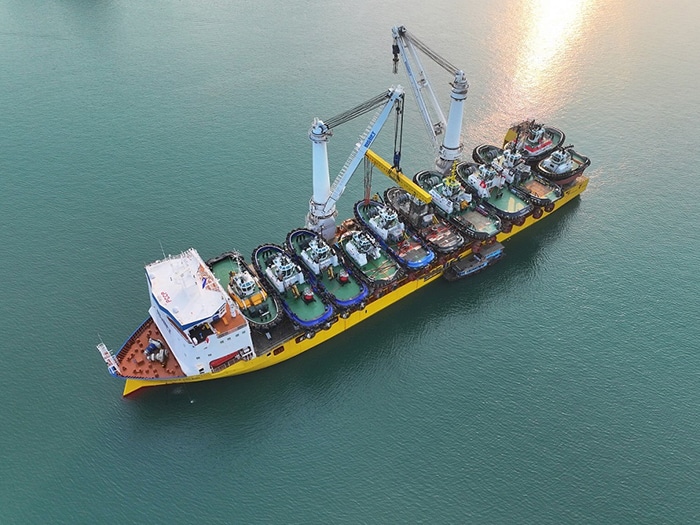
9.1. Heavy Lift: Advance notice (7 days) required for loads >100 tons. Mandatory stability calculations submission.
9.2. Cold Ironing: Available at Berth 5 (50Hz/60Hz, 6.6kV). Minimum 48-hour booking required.
9.3. Bunkering Safety: Double-hose system mandatory for fuel transfers >500 tons. Static bonding verified before commencement.
10. Pollution Control Measures
10.1. Oil Spill Response: Tier 1 containment equipment (500m boom capacity) maintained on-site. Mandatory immediate reporting of spills >100 liters.
10.2. Air Emissions: Continuous monitoring of SOx/NOx levels at berths. Shore power connection required for vessels staying >4 hours (where available).
10.3. Ballast Water: Compliance with Japan’s BWM Regulations (aligned with IMO D-2 standard). Mandatory exchange outside 200nm for non-treated systems.
11. Ice Navigation (Seasonal)
11.1. Icebreaking Support: Available December-March (advance request 72 hours). Minimum escort speed: 5 knots in 30cm ice conditions.
11.2. Hull Protection: Mandatory ice class certification (JIS Class IA or equivalent) for winter operations. Bow thruster use prohibited in ice >20cm thickness.
11.3. Temperature Monitoring: Port closure triggered when air temperature drops below -15°C sustained for 6 hours.
12. Port Security
12.1. Restricted Areas: Clearly marked with red perimeter lighting. Unauthorized access punishable by 6 months imprisonment (Immigration Control Act Article 70).
12.2. Vessel Screening: 100% container scanning for US-bound cargo (CSI program). Radiation portal monitors at all terminal exits.
12.3. Drone Operations: Prohibited within 1km of port facilities without JCG authorization (Aviation Law Article 99).
13. Emergency Protocols
13.1. Firefighting: Port maintains 4 fireboats with 10,000L/min capacity. Mutual aid agreement with Niigata City Fire Department.
13.2. Medical Evacuation: Helicopter landing zones marked at Berths 2 and 5. Minimum 30m clearance required during medevac operations.
13.3. Tsunami Warning: Immediate vessel departure protocol activated when >1m wave predicted. Designated deep-water evacuation areas published in port guide.
14. Customs Procedures
14.1. Clearance Timeline: Standard processing – 3 working hours for complete documentation. Express lane available for perishables (additional fee).
14.2. Prohibited Items: Strict enforcement of Japan’s Customs Law (Article 69-2). Includes certain pesticides, counterfeit goods, and cultural artifacts.
14.3. Temporary Imports: Carnet system accepted with 6-month maximum stay. Requires 150% value guarantee deposit.
15. Port Services and Utilities
15.1. Fresh Water Supply: Available at all berths (50 tons/hour capacity). Minimum 24-hour notice required for large volume requests (>500 tons).
15.2. Waste Reception: Classified waste collection points at 200m intervals. Hazardous waste must be pre-declared using J-APP form.
15.3. Telecommunications: Port-wide 5G coverage (NTT Docomo network). Emergency satellite phone backup available at port operations center.
16. Vessel Inspection Requirements
16.1. Pre-arrival Documentation: Valid class certificates, P&I insurance, and last port clearance must be submitted electronically 48 hours prior.
16.2. Hull Inspection: Underwater inspection required every 2 years for vessels >20 years old. Approved diving companies listed on port website.
16.3. Cargo Hold Checks: Grain compartments must pass PHYTOSANITARY inspection before loading. Temperature probes mandatory for refrigerated cargo.
17. Tugboat Operations
17.1. Minimum Requirements: 2 tugboats for vessels 50,000-100,000 DWT, 3 tugboats above 100,000 DWT. Bollard pull must exceed 5% of vessel’s displacement.
17.2. Emergency Standby: One tugboat remains on station during all vessel movements within inner harbor. Response time <15 minutes.
17.3. Weather Limitations: Tug assistance suspended when wave height exceeds 3.5m or visibility <500m.
18. Port Entry/Exit Procedures
18.1. Arrival Reporting: Master’s declaration to quarantine, immigration, and customs must use standardized JMSA Form 101.
18.2. Departure Clearance: No outstanding port dues or environmental violations. Final crew count verified by JCG boarding officer.
18.3. Special Circumstances: Vessels carrying radioactive materials require additional pre-clearance from Nuclear Regulation Authority.
19. Labor Regulations
19.1. Stevedore Standards: All port workers certified under Japan Harbor Transportation Association (JHTA) competency framework.
19.2. Working Hours: Maximum 12-hour shifts with mandatory 8-hour rest periods. Night shift premium of 25% applies 2200-0600.
19.3. Dispute Resolution: Maritime Labor Office available for mediation. All incidents must be reported within 2 hours.
20. Dangerous Goods Handling
20.1. Classification: Strict adherence to IMDG Code (2022 Edition) with additional Japan-specific requirements for Class 4.3 materials.
20.2. Storage Areas: Designated DG zones with 50m firebreaks. Temperature-controlled storage available for Class 2.1 substances (-20°C to +15°C).
20.3. Emergency Kits: Mandatory availability of UN-approved spill kits (Type A/B/C) based on cargo carried. Regular drills conducted quarterly.
21. Port Meteorological Services
21.1. Weather Reporting: Real-time data from Japan Meteorological Agency (JMA) station #47646 displayed at all berths. Updates every 10 minutes.
21.2. Storm Procedures: Typhoon warning stage 3 triggers mandatory securing of all gantry cranes. Vessel evacuation plan activated at stage 4.
21.3. Tide Information: Predicted vs. actual tide levels monitored via ultrasonic sensors. Critical thresholds displayed on port VHF channel 14.
22. Vessel Repair Services
22.1. Approved Facilities: 3 dry docks available (max 180m LOA). All repair companies certified by ClassNK or equivalent IACS members.
22.2. Hot Work Permits: Issued only after gas-free certification by approved surveyor. Continuous atmospheric monitoring required.
22.3. Spare Parts Handling: Customs-cleared bonded warehouse available. VAT exemption for temporary imports under repair contracts.
23. Passenger Vessel Operations
23.1. Terminal Facilities: Dedicated cruise terminal (Berth 7) with 800 pax/hour processing capacity. Medical screening stations mandatory.
23.2. Gangway Standards: Minimum width 1.2m with automatic level adjustment. Safety netting required when tide range exceeds 2m.
23.3. Security Screening: 100% baggage scan for international arrivals. Face recognition system integrated with immigration database.
24. Fishing Vessel Regulations
24.1. Designated Areas: Separate fishing vessel basin with 150 berths. Prohibited from commercial docks without prior authorization.
24.2. Sanitation Controls: Mandatory fish hold inspections every 6 months. Wash-down water must be treated before discharge.
24.3. Bycatch Reporting: Logbooks verified by MAFF officials. Electronic reporting via E-log system required for vessels >30 GT.
25. Port Communication Protocols
25.1. VHF Channels: Primary working channel 16, secondary channel 12 for vessel-port communications. English language mandatory for all official transmissions.
25.2. Emergency Broadcasts: Priority messages transmitted on channel 70 (DSC) with follow-up on channel 16. Test transmissions conducted weekly (Tuesdays 1000-1100).
25.3. Digital Notices: NAVTEX coverage (518 kHz) for maritime safety information. All vessels must maintain operational NAVTEX receivers.
26. Anchorage Management
26.1. Designated Zones: Three anchorage areas (A-1 to A-3) with depth ranges 15-25m. Maximum occupancy period 72 hours without extension approval.
26.2. Holding Patterns: Vessels awaiting berth must maintain 0.5nm separation. Prohibited areas marked on Admiralty Chart JP 1102A.
26.3. Emergency Anchorage: Reserved area (A-E) for vessels in distress. Activation requires direct coordination with JCG Niigata HQ.
27. Bunkering Operations
27.1. Fuel Quality: All bunkers must meet ISO 8217:2017 standards. Random sampling conducted by Japan Inspection Bureau (JIB).
27.2. Transfer Procedures: Double valve isolation required at manifold. Minimum 2 crew members must supervise continuous monitoring.
27.3. Contingency Plans: Pre-staged oil spill response equipment at all bunkering berths. Immediate stoppage required for any leak detection.
28. Port Infrastructure Maintenance
28.1. Dredging Schedule: Annual maintenance dredging (March-April) maintains design depths. Real-time siltation monitoring via multi-beam surveys.
28.2. Navigation Aids: 52 lighted buoys maintained to IALA Region A standards. Daily status checks by port patrol vessels.
28.3. Berth Inspections: Ultrasonic testing of fender systems conducted biannually. Load testing of bollards every 5 years.
29. Special Cargo Handling
29.1. Oversized Loads: Route survey required for units exceeding 6m width. Police escort mandatory for road transport within port perimeter.
29.2. Project Cargo: Advance stowage plans must be approved by NPA engineering department (minimum 14 days prior).
29.3. Temperature-Sensitive Goods: Real-time monitoring devices required for pharmaceuticals. Data logs must be retained for 3 years.
30. Port Safety Management
30.1. Personal Protective Equipment: Mandatory high-visibility vests (EN ISO 20471 Class 3) and safety helmets (EN 397) in all operational areas.
30.2. Hot Work Permits: Issued only after gas detection tests confirm safe conditions (LEL <10%). Fire watch must be maintained for 1 hour post-work.
30.3. Confined Space Entry: Requires permit, atmospheric testing, and standby rescue team. Maximum entry duration: 30 minutes.
31. Vessel Speed Limits
31.1. Harbor Area: Maximum 6 knots within port limits. Wash restrictions apply within 200m of moored vessels.
31.2. Channel Transit: 8 knots maximum in main navigation channel. Tidal current adjustments must be factored.
31.3. Special Zones: 4 knot speed limit in ferry terminal vicinity and fuel berth areas. Radar speed monitoring enforced.
32. Port Environmental Monitoring
32.1. Water Quality: Continuous monitoring for pH (6.5-8.5), dissolved oxygen (>5mg/L), and hydrocarbon content (<0.1mg/L).
32.2. Noise Control: Nighttime operations (2200-0600) limited to 55dB at residential boundaries. Acoustic barriers required for certain equipment.
32.3. Wildlife Protection: Seasonal restrictions (April-June) on dredging to protect spawning grounds. Trained observers required for certain operations.
33. Port Access Control
33.1. Identification System: Biometric access for all personnel (palm vein authentication). Visitors require pre-approved temporary passes.
33.2. Vehicle Authorization: RFID tags mandatory for all port vehicles. Speed limiters set to 30km/h maximum.
33.3. Restricted Areas: Automated intrusion detection with thermal cameras. Unauthorized access triggers immediate JCG response.
34. Port Tariffs and Charges
34.1. Berth Fees: Calculated per GT/day with 20% discount for vessels using shore power. Minimum charge applies to first 6 hours.
34.2. Pilotage: Compulsory for vessels >10,000 GT. Charges based on LOA and draft (see Port Tariff Schedule Section 5A).
34.3. Waste Disposal: Fixed fee for first 5m³, progressive pricing thereafter. Recycling incentives for segregated waste streams.
35. Port Navigation Aids
35.1. Lighting System: 24-hour operational LED lights with backup power (minimum 72-hour autonomy). Color-coded for different channel sectors.
35.2. Radar Coverage: Dual-redundant X-band radar system provides 360° coverage to 24nm. Real-time data integrated with VTS.
35.3. AIS Requirements: All vessels >300 GT must maintain operational AIS transponders. Port AIS base station monitors Class A and B signals.
36. Port Emergency Response
36.1. Incident Classification: Three-tier system (Level 1-3) determines response scale. Level 3 activates regional mutual aid agreements.
36.2. Medical Facilities: Category A medical station with trauma capability. Hyperbaric chamber available for diving emergencies.
36.3. Evacuation Routes: Clearly marked with photoluminescent signage. Monthly drills test all emergency scenarios.
37. Port Information Technology
37.1. Network Infrastructure: Redundant fiber optic backbone with 10Gbps capacity. Secure Wi-Fi coverage in all operational areas.
37.2. Data Security: ISO 27001 certified systems. Mandatory encryption for all vessel-port data exchanges.
37.3. Digital Twin: Real-time 3D port model supports operational planning and incident simulation.
38. Port Community System
38.1. Single Window: Integrated platform for all regulatory submissions (customs, immigration, health). 24/7 availability with 99.9% uptime.
38.2. API Integration: Standardized web services for EDI connections with shipping lines and logistics providers.
38.3. Mobile Access: Dedicated apps for truckers, agents, and terminal operators with real-time status updates.
39. Port Performance Metrics
39.1. Vessel Turnaround: Target of 30 moves/hour for container ships. Real-time dashboard displays berth productivity.
39.2. Gate Processing: 95% of trucks processed in under 15 minutes. Automated license plate recognition reduces paperwork.
39.3. Cargo Tracking: RFID tags provide real-time location data for all high-value shipments.
40. Port Customs Procedures
40.1. Electronic Declarations: Mandatory use of NACCS system for all import/export documentation. Paper submissions only accepted with prior approval.
40.2. Examination Rates: Random 5% physical inspection rate for containers. Targeted inspections based on risk assessment algorithms.
40.3. Bonded Areas: Three designated zones with 24/7 CCTV monitoring. Maximum storage period 90 days without extension.
41. Port Security Levels
41.1. MARSEC Levels: Corresponding to ISPS Code requirements. Level 2 activates additional patrols and access restrictions.
41.2. Waterside Protection: Underwater sonar arrays monitor port perimeter. Armed patrol boats deploy during high alert periods.
41.3. Cybersecurity: Separate network for critical infrastructure with air-gapped backup systems. Monthly penetration testing required.
42. Port Waste Management
42.1. MARPOL Compliance: Dedicated reception facilities for all waste categories. Electronic waste tracking from generation to disposal.
42.2. Recycling Targets: 65% of operational waste must be recycled. Special handling for batteries and electronic components.
42.3. Hazardous Materials: Designated storage bunkers with secondary containment. Trained handlers available 24/7.
43. Port Lighting Standards
43.1. Operational Areas: Minimum 50 lux maintained throughout working zones. Motion-activated lighting in storage areas.
43.2. Energy Efficiency: LED fixtures with smart controls reduce consumption by 40%. Solar-powered navigation lights.
43.3. Emergency Lighting: Self-powered units provide 3 hours minimum illumination during power failures.
44. Port Traffic Management
44.1. Vessel Scheduling: Priority system based on cargo type and ETA. Dynamic adjustment for weather delays.
44.2. Road Network: Intelligent traffic signals synchronize with gate operations. Dedicated lanes for hazardous cargo.
44.3. Rail Connections: Minimum 4 daily departures for intermodal transfers. Automated loading systems reduce dwell time.
45. Port Fire Safety Systems
45.1. Fire Detection: Network of 248 smoke/heat sensors with AI-powered early warning. Central monitoring station staffed 24/7.
45.2. Suppression Systems: Foam deluge systems at fuel berths. Water mist technology in electrical substations.
45.3. Fireboat Capability: Two 10,000 GPM fireboats with chemical/foam proportioning systems. Response time under 5 minutes.
46. Port Crane Operations
46.1. Load Testing: Annual certification required for all lifting equipment. Dynamic testing at 110% SWL.
46.2. Wind Restrictions: Operations cease when sustained winds exceed 20m/s. Real-time anemometer readings displayed in cabs.
46.3. Anti-Collision: Laser-based systems enforce 5m minimum separation between cranes. Automatic shutdown triggers.
47. Port Dangerous Areas
47.1. Explosion Zones: Classified per IEC 60079 standards. ATEX-certified equipment mandatory in Zone 1 areas.
47.2. Radiation Monitoring: Fixed detectors at all gates. Portable survey meters available for vessel inspections.
47.3. Chemical Storage: Separate ventilated bunkers for incompatible substances. Automated leak detection with pH sensors.
48. Port Training Facilities
48.1. Simulator Center: Full-mission ship handling and VTS simulators. STCW-approved courses available.
48.2. Fire Training: Live-fire complex with LNG and chemical fire scenarios. Quarterly drills for emergency teams.
48.3. Crane School: Certified operator training with VR technology. 200-hour minimum practical requirement.
49. Port Meteorological Equipment
49.1. Weather Station: WMO-certified instruments measure wind (up to 60m/s), visibility (10m-50km), and precipitation.
49.2. Wave Radar: Directional wave spectrum analysis updated every 30 minutes. Data feeds into port operations system.
49.3. Tsunami Warning: Direct connection to JMA’s DART buoy network. Evacuation alarms tested monthly.
50. Port Vessel Services
50.1. Fresh Water Supply: 500m³/hour capacity at all berths. Potable water testing conducted weekly to WHO standards.
50.2. Provisions Delivery: Pre-approved vendors with HACCP certification. 4-hour delivery guarantee for urgent orders.
50.3. Crew Changes: Dedicated processing facility with immigration fast-track. Minimum 24-hour notice required.
51. Port Ice Management
51.1. Icebreaking Services: Available December-March. Priority given to fuel and essential cargo vessels.
51.2. De-icing Equipment: Heated pavements at critical walkways. Anti-icing fluid application for cranes.
51.3. Temperature Monitoring: Subsurface sensors predict freezing conditions. Automated alerts trigger response protocols.
52. Port Noise Abatement
52.1. Equipment Standards: Stage V engines required for all mobile plant. Noise-reducing enclosures for generators.
52.2. Night Restrictions: No container handling between 2200-0600 within 500m of residential areas.
52.3. Vessel Quieting: Incentives for ships using shore power. Noise mapping conducted quarterly.
53. Port Diving Operations
53.1. Certification Requirements: Commercial diving license plus port-specific certification. Minimum team of 3 divers.
53.2. Underwater Inspections: Hull surveys conducted with ROVs. Dive teams on standby for emergency repairs.
53.3. Current Monitoring: Real-time ADCP data displayed in dive control. Operations suspended above 2 knot currents.
54. Port Legal Framework
54.1. Liability Limits: Capped at 100,000 SDR per incident under port terms. Additional insurance requirements for special cargo.
54.2. Dispute Resolution: Mandatory mediation before litigation. Designated maritime court for port-related cases.
54.3. Environmental Fines: Progressive penalties for violations. Maximum 50 million yen for major incidents.
55. Port Bunkering Services
55.1. Fuel Quality: ISO 8217 compliant marine fuels with batch testing documentation. Sulfur content verified for ECA compliance.
55.2. Barge Operations: Double-hulled barges with VOC recovery systems. Minimum 2-person watch during transfers.
55.3. Emergency Cutoff: Remotely activated shutdown valves at all fueling points. Quarterly response drills required.
56. Port Mooring Systems
56.1. Bollard Testing: Annual load testing to 150% of rated capacity. Ultrasonic inspection for internal corrosion.
56.2. Smart Moorings: Strain gauges provide real-time tension data. Automated alerts for overload conditions.
56.3. Fender Maintenance: Monthly inspections of all berth fenders. Replacement at 25% compression loss.
57. Port Ballast Water
57.1. Treatment Standards: IMO D-2 standard enforced. Port reception facilities for non-compliant vessels.
57.2. Sampling Protocol: Random checks for invasive species. PCR analysis completed within 4 hours.
57.3. Exchange Areas: Designated zone 200nm offshore for vessels without treatment systems.
58. Port Cargo Handling
58.1. Heavy Lift Policy: Advance notice required for loads over 100 tons. Structural assessment for berth suitability.
58.2. Refrigerated Cargo: Dedicated plugs with remote monitoring. Backup generators for power outages.
58.3. Hazardous Cargo: Segregated storage areas with secondary containment. Class-specific fire suppression systems.
59. Port Communications
59.1. VHF Channels: Primary working channel 16 with backup on 12. Digital selective calling capability required.
59.2. Emergency Broadcast: Automated PA system covers all operational areas. Multilingual capability.
59.3. Network Redundancy: Triple-redundant fiber links with satellite backup. 99.999% uptime guarantee.