1. Port and Terminal Operations
1.1 Tokachi Port operates 24/7 but requires prior notice for night operations. Vessels must submit ETA at least 48 hours in advance via JPNS MSA-approved channels.
1.2 Main commercial terminals: West Terminal (general cargo, max LOA 190m) and East Terminal (bulk cargo, max draft 12.5m). Confirm assigned berth with Port Control on VHF CH16 before entry.
1.3 Mandatory use of port-specified mooring lines (minimum breaking load 80 tons) with certified soft eyes. Daily mooring line inspections required during stay.
2. Navigation and Pilotage
2.1 Compulsory pilotage for vessels >500 GT. Pilots board at 42°17’30″N 143°19’15″E (1.5nm NE of breakwater). Maximum boarding wave height: 2.5m.
2.2 Main channel depth maintained at 13m (CD), but silting may reduce to 11.8m in NW monsoon season (Nov-Mar). Underkeel clearance must exceed 10% of draft.
2.3 No overtaking in channel between buoys #7-#12 (narrow section). Speed limit: 8 knots within port area, 5 knots within 500m of moored vessels.
3. Anchorage Regulations
3.1 Designated anchorage area: 42°16’00″N – 42°18’00″N / 143°15’00″E – 143°18’00″E (holding ground: clay with 3:1 holding power).
3.2 Anchoring prohibited within 0.5nm of submarine cables (marked on JPNS Chart 1212). Vessels >200m must deploy two anchors in standby position.
3.3 Mandatory anchor watch with GPS anchor alarm (0.1nm radius setting) and hourly position reporting to Port Control during gale warnings (Beaufort 7+).
4. Cargo Handling Requirements
4.1 Grain operations: Dust suppression system mandatory during loading. Maximum loading rate 800MT/hr with trimming every 2,000MT.
4.2 Timber cargo: Deck loads limited to 4m height. Required lashing materials (chains ≥10mm, wires ≥12mm) must be certified by ClassNK or equivalent.
4.3 Hazardous materials: Stowage plan must be approved by Tokachi Port Fire Department 72hrs prior to operations. No simultaneous hot work within 50m.
5. Safety and Emergency
5.1 Port emergency tug stationed at East Terminal (2,400kW bollard pull) with 15-minute response time. Emergency contact: VHF CH16/14 (call sign “Tokachi Port Ops”).
5.2 Monthly tsunami drills conducted (1st Wednesday 1000LT). Vessels must maintain hot engine readiness when tsunami alert level ≥2 (40cm wave forecast).
5.3 Winter operations (Dec-Feb): Ice accumulation monitoring required on decks/rigging. De-icing must commence when accumulation exceeds 5cm.
6. Environmental Compliance
6.1 Strict ballast water exchange zone: Beyond 20nm from coastline and >200m depth. Required documentation must include salinity measurements (min 30PSU).
6.2 No discharge of wash water from bulk carriers without prior treatment (tested pH 6-9). Penalties apply for oil sheen sightings within port limits.
6.3 Mandatory use of low-sulfur fuel (≤0.1%) within 1nm of port entrance. Exhaust gas cleaning systems require pre-approval from JPNS Environment Bureau.
7. Crew and Vessel Management
7.1 Shore leave restricted to designated crew change areas (West Terminal Gate 3). COVID-19 protocols may require additional testing (check JPNS Quarantine updates).
7.2 Freshwater supply: Available at all berths (max 50m³/hr). Prior water testing required for potable systems – coliform count must be <2.2MPN/100ml.
7.3 Garbage disposal: Segregated bins provided (no incineration allowed in port). Hazardous waste requires prior notification to Port Health Officer.
8. Special Notices
8.1 Annual port closure for maintenance: 3rd week of June (exact dates published in JPNS Notice to Mariners No.12 annually).
8.2 Magnetic anomaly zone near East Terminal (local variation up to 8°W). Compass checks required after cargo operations involving magnetic materials.
8.3 Fishing gear compensation: Vessels damaging fixed nets must report immediately to Tokachi Fisheries Cooperative (documented cases only).
9. Bunkering and Fuel Services
9.1 Bunkering available at East Terminal only (prior 24-hour notice required). Maximum transfer rate: 150m³/hr for IFO, 100m³/hr for MGO.
9.2 Mandatory drip trays under all bunker connections. Double hose sleeves required for fuel transfers exceeding 50m³.
9.3 Bunker samples must be jointly sealed (ship/Supplier/Port Authority) and retained for 90 days. Disputes require JIS M 8814 testing standards.
10. Port Dues and Charges
10.1 Harbor dues calculated per GT/day (0.15 JPY/GT for first 3 days, 0.10 JPY/GT thereafter). Minimum charge: 50,000 JPY per call.
10.2 Waste disposal fees: 8,000 JPY/m³ for general garbage, 25,000 JPY/m³ for hazardous waste (exact quantities measured by port scales).
10.3 Late payment penalty: 1.5% monthly interest applied after 15-day grace period. Vessels with outstanding fees may be denied departure clearance.
11. Vessel Inspection Requirements
11.1 Routine Port State Control inspections conducted by JPNS MSA (targeting vessels >10 years old or with high-risk flags).
11.2 Pre-departure checklist must include verification of: navigation lights (tested at 100% intensity), emergency steering gear, and bilge alarms.
11.3 Vessels carrying coal must demonstrate functional gas monitoring systems (O₂/CH₄/H₂S) with calibration certificates valid within 6 months.
12. Local Weather Considerations
12.1 Sudden williwaws (katabatic winds) possible from NNW direction in winter, reaching 40 knots within 10 minutes. Mooring lines must be adjusted preemptively.
12.2 Summer fog (May-Aug) reduces visibility to <500m on average 12 days/month. VHF position reporting mandatory when visibility drops below 1nm.
12.3 Typhoon preparedness: When Signal No.3 is hoisted (sustained winds ≥20m/s), all cargo ops must cease and gangways raised.
13. Ship Repair and Services
13.1 Limited repair facilities: Hull welding requires prior hot work permit (spark containment mats mandatory). No underwater repairs available.
13.2 Certified providers: Only Nippon Kaiji Kyokai-approved contractors permitted for electrical/engine repairs (list available at Harbor Master’s office).
13.3 Slop reception: Available at East Terminal (max 200m³/day). Advance booking required with exact quantity and IMO Class.
14. Customs and Immigration
14.1 Crew changes permitted with 72-hour prior e-notification via JPNS Immigration System. On-arrival nasopharyngeal PCR tests may be required.
14.2 Prohibited items: Drones, satellite phones exceeding 5W transmission power, and fresh produce without phytosanitary certificates.
14.3 Bonded stores declaration must separate alcoholic beverages (max 5L/crew member) and tobacco products (2 cartons/crew member).
15. Communication Protocols
15.1 Primary port working frequency: VHF CH12 (secondary CH14). All vessels must maintain continuous watch on CH16 when in transit.
15.2 Digital reporting: Nippon Automated Cargo and Port Consolidated System (NACCS) submissions required 24hrs before arrival/after departure.
15.3 Emergency signals: 3 prolonged blasts + 3 short blasts repeated indicates evacuation order (assemble at designated muster stations).
16. Ice Navigation (Winter Operations)
16.1 Ice class requirements: From Dec-Mar, vessels without Ice Class 1A or higher must consult Port Captain before entry.
16.2 Bow thruster usage prohibited when water temperature <2°C unless equipped with certified anti-icing systems.
16.3 Hull heating: Vessels carrying heated cargo (e.g., palm oil) must maintain outer shell temperature >5°C to prevent ice accumulation.
17. Dangerous Goods Handling
17.1 IMDG Class 1 (explosives) prohibited in Tokachi Port. Class 2.1 (flammable gases) require special berthing at East Terminal’s northernmost quay.
17.2 Radioactive materials (Class 7): Mandatory 72-hour pre-arrival notice with Japan Atomic Energy Agency clearance. Minimum 500m separation from other vessels.
17.3 Toxic vapors monitoring required during discharge of Class 6.1 goods (e.g., acrylonitrile). Portable gas detectors must be calibrated within last 30 days.
18. Port Security Measures
18.1 ISPS Level 1: All visitors require biometric ID verification. Crew access restricted to 300m radius from berthed vessel.
18.2 Underwater hull inspections by divers require 6-hour advance notice to Port Security Officer with diver credentials.
18.3 Unauthorized photography of port infrastructure (especially cranes/control towers) prohibited under JPNS Maritime Security Act Article 14.
19. Tidal and Current Data
19.1 Maximum tidal range: 1.8m during spring tides (predicted times published in JPNS Tide Tables Vol.3).
19.2 Strong W-setting current (max 2.8 knots) occurs 2 hours after HW at channel entrance. Vessels >150m should avoid transiting during this window.
19.3 Anomalous water levels: During “Yamase” wind events (NE winds >15m/s), water levels may drop 0.6m below predicted tides.
20. Vessel Traffic Services (VTS)
20.1 Mandatory AIS transmission: All vessels must maintain Class A AIS with 10-minute position reporting interval when within 12nm of port.
20.2 VTS clearance required before any movement exceeding 50m from berth (including shifting operations).
20.3 Radar-assisted navigation available upon request (VTS can provide relative positions to hazards during poor visibility).
21. Freshwater Supply
21.1 Potable water quality meets WHO standards (residual chlorine 0.2-0.5ppm). Daily bacteriological testing conducted by port authorities.
21.2 Maximum connection pressure: 3.5 bar. Vessels must install pressure reducers if ship systems cannot accommodate fluctuations.
21.3 Water rationing may be implemented during drought conditions (July-September). Priority given to passenger vessels and livestock carriers.
22. Waste Oil Handling
22.1 Sludge reception capacity: 150m³/day at East Terminal. Pre-booking mandatory with exact quantity and viscosity data.
22.2 Oil record book entries must include pump start/stop times verified by port staff. Discrepancies >5% trigger mandatory investigation.
22.3 Bilge water discharge prohibited unless processed through approved OWS with 15ppm monitoring (hardcopy records required for inspection).
23. Crew Health Services
23.1 Port medical clinic operates 0800-2000 daily (JST). Emergency cases contact JRCC Sapporo via VHF CH16.
23.2 Mandatory reporting: Any crew exhibiting fever (>37.5°C) or respiratory symptoms must be isolated and reported to Quarantine Office immediately.
23.3 Pharmacies: Controlled medications require original prescription with Japanese translation (narcotics prohibited without special import license).
24. Fishing Vessel Interactions
24.1 Seasonal fishing fleet congestion (May-July): 1nm exclusion zone around active squid fishing fleets (00:00-04:00 local time).
24.2 Drift net areas marked on JPNS Chart 1212 (updated annually). Vessels must maintain >0.5nm clearance during operations.
24.3 Compensation rates for damaged gear: 150,000 JPY per standard net (subject to verification by Fisheries Cooperative observers).
25. Electronic Navigation Updates
25.1 ENC coverage: JPNS ENC JP2U130 (Tokachi) updated weekly. Paper charts must be corrected within 24 hours of notice receipt.
25.2 Temporary NAVAREA warnings broadcast via NAVTEX (518kHz) and Inmarsat-C SafetyNET. Vessels must confirm receipt with Port Control.
25.3 Differential GPS available (Beacon ID 975, frequency 316kHz) with 1m accuracy within 20nm range.
26. Special Cargo Handling
26.1 Project cargo exceeding 50 tons single piece requires pre-approved stowage plan and loading sequence from port engineers.
26.2 Ro-Ro operations: Maximum ramp angle 8 degrees at all tidal states. Deck lashing points must withstand 10-ton lateral forces.
26.3 Refrigerated containers: Power supply limited to 400V/50Hz. Vessels must provide 24-hour advance notice for reefer plug requirements.
27. Port Emergency Procedures
27.1 Oil spill response: Containment boom deployment within 90 minutes for spills >1 ton. Vessels must maintain SOPEP equipment ready for inspection.
27.2 Firefighting capability: Port provides 2,000m³/hr seawater supply through 4 hydrant stations (100mm Storz connections).
27.3 Mass casualty incident plan: Designated triage area at West Terminal Warehouse 3 with helicopter landing zone coordinates 42°16’45″N 143°17’30″E.
28. Vessel Dimension Restrictions
28.1 Air draft limitation: 38m clearance under power lines at channel entrance (tidal allowance +1.5m at HAT).
28.2 Beam restriction: Maximum 32.2m for vessels using West Terminal turning basin (tug assistance mandatory beyond 28m beam).
28.3 Squat effect warning: Vessels with draft >10m experience up to 0.8m squat at 8 knots in main channel (speed reduction required).
29. Port Meteorological Services
29.1 Real-time weather data available via VHF CH67 automated broadcasts (updated hourly with wave height/period measurements).
29.2 Ice accretion warnings issued when air temperature ≤-5°C with wind speed ≥10m/s (vessels must commence de-icing procedures).
29.3 Tsunami detection buoys deployed at 42°20’N 143°25’E with 5-minute alert transmission to port VTS.
30. Ship Chandler Services
30.1 Approved provision suppliers must present JPNS Hygiene Certificates for all food items. No private deliveries permitted.
30.2 Bonded stores delivery requires customs escort (minimum 4-hour advance booking). Alcohol quantities strictly monitored.
30.3 Hazardous ship stores (paints, chemicals) require Material Safety Data Sheets in Japanese and English versions.
31. Diving Operations
31.1 Commercial diving prohibited without Port Master’s permit and dive plan submission 24 hours in advance.
31.2 Underwater inspections limited to daylight hours (visibility >2m) with standby diver and decompression chamber on call.
31.3 No diving within 200m of active berths or 500m of liquid cargo transfer operations.
32. Port Lighting Requirements
32.1 Working deck illumination minimum 50 lux during night operations. Spotlighting of cargo holds mandatory for breakbulk operations.
32.2 Navigation light verification: Port conducts random checks of sidelight intensity (minimum 2nm visibility required).
32.3 Prohibited lighting: Laser pointers or high-intensity strobes that may interfere with VTS radar systems.
33. Bunkering Safety
33.1 Static electricity control: All bunker hoses must have continuity wires with resistance <10 ohms verified before transfer.
33.2 Emergency shutdown system test required 1 hour prior to bunkering (audible/visual alarms must function).
33.3 Bunker sampling: Minimum 3 samples required (ship, supplier, port) sealed with tamper-proof tags.
34. Crew Training Requirements
34.1 Port-specific familiarization for deck officers covering local current patterns and emergency muster points.
34.2 Mandatory enclosed space entry drills using port-supplied gas detectors before cargo operations commence.
34.3 Mooring team certification: At least two crew members must hold JPNS-approved line handling certificates for vessels >10,000 GT.
35. Port Infrastructure Details
35.1 Bollard capacities: West Terminal 75t SWL, East Terminal 100t SWL (test certificates available for inspection).
35.2 Fender system: Cellulose rubber fenders (D1.5m×L3.0m) with maximum allowable berthing energy 350kNm.
35.3 Crane specifications: 2 × 50t SWL gantry cranes with anti-collision systems (outreach 35m).
36. Vessel Sanitation Control
36.1 Mandatory deratting certificates must be valid for entire port stay. Additional inspections required for vessels from plague-infected areas.
36.2 Medical waste disposal: Sharps containers must be sealed and labeled according to JPNS Medical Waste Regulation 2021 standards.
36.3 Galley inspections: Port health officers may conduct unannounced checks for food storage temperatures and pest control measures.
37. Heavy Weather Contingencies
37.1 Tropical cyclone preparedness: When Signal No. 8 is issued, all vessels must secure double mooring lines and deploy storm anchors if berthed >24 hours.
37.2 Blizzard procedures: Gangways must be heated and snow accumulation cleared every 2 hours when snowfall exceeds 5cm/hour.
37.3 Emergency bunker transfer capability: Port maintains 500m³ reserve of MGO for vessels unable to depart due to weather.
38. Port Communication Infrastructure
38.1 Digital Notice to Mariners updates broadcast via NAVTEX and port website every Thursday 0800 JST.
38.2 Backup communication: HF radio station (call sign JNT) maintains 24/7 watch on 2182 kHz and 4125 kHz for emergency traffic.
38.3 Pilot transfer communications: Dedicated UHF channel 467.775 MHz for pilot boat-to-bridge communications during boarding.
39. Dangerous Cargo Documentation
39.1 Multimodal Dangerous Goods Forms must include Japanese translation of proper shipping names (JIS Z 8303 format).
39.2 Radiation monitoring certificates for naturally occurring radioactive materials (NORM) required for bulk phosphate/shale cargoes.
39.3 Emergency response plans for hazardous cargo must include contact details for Tokachi Regional Environmental Protection Bureau.
40. Vessel Maintenance Restrictions
40.1 Hull cleaning/painting prohibited within port limits without prior environmental approval and containment systems.
40.2 Engine repairs involving fuel system opening require Port Engineer supervision and fire watch personnel.
40.3 Underwater hull cleaning restricted to approved non-toxic antifouling methods only (no scraping permitted).
41. Port Entry/Exit Formalities
41.1 Customs pre-clearance available via NACCS system for vessels with complete documentation submitted 6 hours before arrival.
41.2 Immigration crew lists must include passport numbers with expiration dates and seaman’s book endorsement pages.
41.3 Agricultural quarantine: All vessels from non-Japanese ports must display yellow “Q” flag until inspected.
42. Tug Assistance Requirements
42.1 Minimum tug power: 1 tug per 20,000 DWT with aggregate bollard pull ≥35% of vessel’s deadweight.
42.2 Emergency towing gear: Vessels >150m must demonstrate deployment capability of emergency towline within 15 minutes.
42.3 Tug connection points: All vessels must have clearly marked towing padeyes certified for 50% of ship’s displacement.
43. Special Navigation Warnings
43.1 Magnetic interference zone near ore terminal may affect compasses by up to 10°. Gyro checks required after departure.
43.2 Submerged pipeline area marked by special buoys (yellow with X-topmark) between West Terminal and anchorage.
43.3 Seasonal jellyfish blooms (July-September) may clog seawater intakes – strainer cleaning every 4 hours recommended.
44. Port Labor Regulations
44.1 Stevedore working hours: 0800-1700 standard shift with overtime rates applying after 8 hours continuous work.
44.2 Cargo surveyor access: Must be arranged through port agents with 12-hour notice for hatch inspections.
44.3 Dispute resolution: All labor disagreements must be referred to Tokachi Port Labor Committee before any work stoppage.
45. Environmental Monitoring
45.1 Continuous air quality monitoring for SOx/NOx at all berths. Exceedances trigger operational suspensions.
45.2 Ballast water sampling: Random checks for compliance with D-2 standard using approved rapid test kits.
45.3 Underwater noise restrictions: No sub-bottom profiling or echo sounder use beyond navigation requirements within port.
46. Vessel Speed and Maneuvering Restrictions
46.1 Speed limit in inner harbor: 5 knots within 500m of shore structures, 3 knots when passing moored fishing vessels.
46.2 Bow thruster use prohibited within 200m of passenger terminals due to underwater noise sensitivity.
46.3 Turning basin operations limited to vessels <220m LOA during daylight hours only (sunrise to sunset).
47. Port Security Zones
47.1 Restricted Area A (West Terminal): Requires biometric access cards for all personnel entering within 100m of fuel storage tanks.
47.2 Surveillance coverage: 24/7 CCTV monitoring with facial recognition at all gate entry points (data retained for 90 days).
47.3 Unmanned aerial vehicle (UAV) exclusion zone: No drone flights within 1km of port perimeter without JPNS Coast Guard authorization.
48. Cargo Documentation Requirements
48.1 Timber cargo certificates must include fumigation details (chemical, duration, concentration) for phytosanitary clearance.
48.2 Bulk mineral shipments require certified moisture content tests conducted within 7 days of loading.
48.3 Containerized dangerous goods must display Japanese hazard labels in addition to standard IMO placards.
49. Emergency Medical Support
49.1 Hyperbaric chamber located at Tokachi Central Hospital (coordinates 42°55’12″N 143°12’36″E) with 24/7 maritime emergency access.
49.2 Designated blood supply: O-negative and AB plasma reserves maintained for maritime emergencies at port medical center.
49.3 Telemedicine support: Real-time video consultation available with Sapporo University Hospital trauma specialists.
50. Special Berthing Arrangements
50.1 Research vessels: Dedicated berth at East Terminal Pier 4 with 480V/60Hz power supply for scientific equipment.
50.2 Livestock carriers: Mandatory 200m separation from food processing facilities during operations.
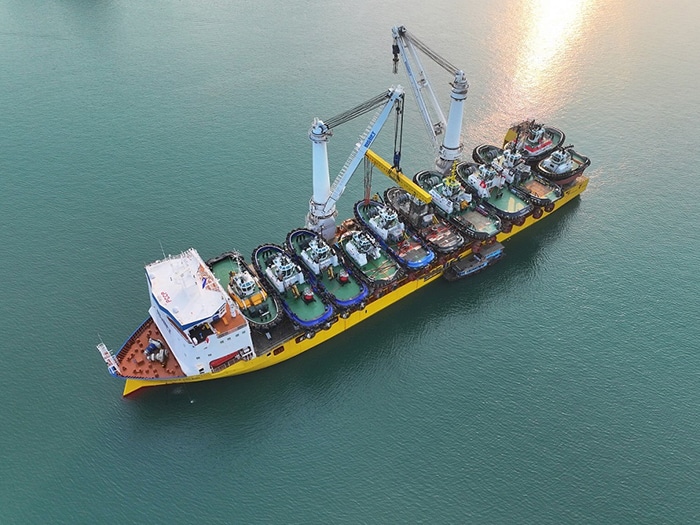
50.3 Heavy lift vessels: Requires seabed survey when using outriggers exceeding 15m extension from hull.
51. Port Utility Services
51.1 Electrical supply: 440V/60Hz with 500kVA capacity at all berths. Phase sequence verification required before connection.
51.2 Compressed air: Available at 7bar pressure for pneumatic equipment (usage charged per 15-minute intervals).
51.3 Sewage reception: Vessels must use port-approved macerator pumps for black water transfer (max 40mm hose diameter).
52. Navigation Aid Maintenance
52.1 Light buoy reliability: 99.2% annual availability guarantee. Malfunctions must be reported immediately to JPNS Hydrographic Department.
52.2 Leading lights alignment: Verified daily by port authorities. Temporary displacement notices issued via VHF CH12.
52.3 Radar reflector requirements: All buoys in approach channel equipped with 3.5m² RACON targets (X-band transponder).
53. Vessel Crewing Standards
53.1 Minimum safe manning: Bridge team must include 2 licensed officers during all port transits regardless of vessel size.
53.2 Language requirements: At least one deck officer fluent in Japanese or English for port communications.
53.3 Fatigue management: Work/rest hour logs subject to random inspection by port state control officers.
54. Port Clearance Procedures
54.1 Outward clearance: All documents must be submitted to Customs via NACCS system 2 hours before intended departure.
54.2 Crew declaration: Final headcount verification using biometric scanners at gangway removal point.
54.3 Port dues settlement: Electronic payment (JCB/UnionPay) preferred with 1% discount for prepayment 24 hours in advance.
55. Special Marine Wildlife Protections
55.1 Seasonal speed reduction (May-October): 8-knot limit within 1nm of seabird nesting colonies on eastern breakwater.
55.2 Marine mammal exclusion zone: No anchoring within 500m of designated Steller sea lion haul-out areas.
55.3 Ballast water exchange prohibition: Within 12nm of coastline to protect local kelp forest ecosystems.
56. Hazardous Weather Protocols
56.1 Typhoon Preparedness: Mandatory double mooring lines when sustained winds exceed 25 knots. Emergency generators must be tested and fueled.
56.2 Tsunami Alert Response: Immediate vessel departure required when alert level 3 issued (wave height >1m expected). Designated offshore holding area at 42°30’N 143°40’E.
56.3 Heavy Snow Contingency: All cargo operations suspended when snowfall exceeds 10cm/hour. Vessels must maintain heated mooring lines.
57. Specialized Cargo Handling
57.1 Oversized Machinery: Requires pre-approved load distribution plans certified by class society for weights exceeding 100MT.
57.2 Temperature-Sensitive Cargo: Refrigerated storage available at -25°C to +15°C (2-hour notice required for temperature changes).
57.3 Hazardous Material Storage: Dedicated Class 1.1 explosive magazine located 2km from main port area (24-hour armed guard).
58. Vessel Technical Requirements
58.1 Emergency Systems: All vessels must demonstrate functional emergency steering and backup radar within 1 hour of berthing.
58.2 Fuel Specifications: Maximum 0.1% sulfur content enforced in port waters. Sampling conducted randomly during bunkering.
58.3 Ballast Water: Mandatory exchange records showing >200nm offshore exchange or approved treatment system use.
59. Port Information Services
59.1 Real-Time Data: Port conditions, waiting times and berth availability published hourly on JPNS Maritime Portal.
59.2 Navigation Warnings: Automated SMS alerts for channel depth changes or temporary obstructions (subscribe via port website).
59.3 Tide Predictions: Certified tide tables available for purchase at Harbor Master’s office (electronic version approved).
60. Customs and Immigration Procedures
60.1 Crew Changes: Minimum 6-hour notice for embarkation/disembarkation. COVID-19 testing facilities available dockside.
60.2 Bonded Stores: Detailed inventory required 24 hours before arrival. Alcohol allowance strictly enforced (2L per crew member/month).
60.3 Prohibited Items: Strict ban on drone equipment, satellite phones, and certain medications without prior approval.
61. Environmental Compliance
61.1 Air Emissions: Continuous monitoring for SOx/NOx. Vessels exceeding limits must use shore power where available.
61.2 Waste Management: Segregated disposal facilities for 12 waste categories. Incorrect sorting incurs 200% surcharge.
61.3 Noise Control: Nighttime operations (2200-0600) limited to 65dB at property boundary. Acoustic monitoring conducted.
62. Port Infrastructure Specifications
62.1 Berth Dimensions: All quays certified for 10t/m² uniform load. Point loads require special approval.
62.2 Mooring Equipment: 100-ton SWL bollards spaced at 25m intervals. Vessels must provide mooring arrangement plans.
62.3 Electrical Supply: 6.6kV high-voltage shore connection available at Berths 5-8 (compatible with IEC/ISO 80005).
63. Safety and Security Measures
63.1 Access Control: Biometric verification at all entry points. Visitors require pre-approved QR codes.
63.2 Emergency Drills: Mandatory port-wide safety exercise conducted first Wednesday each month (1300-1400).
63.3 Cybersecurity: All vessel-to-shore data transfers must use encrypted channels (minimum AES-256 standard).
64. Special Operational Conditions
64.1 Ice Navigation: From December-March, vessels without ice class must accept tug escort at owner’s expense.
64.2 Fog Procedures: When visibility <500m, movement restricted to essential transfers with VTS guidance.
64.3 Night Operations: Additional lighting required – minimum 100 lux coverage on all working decks.
65. Port Fee Structure
65.1 Basic Charges: Calculated per GT for first 24 hours, then pro-rated hourly. Minimum charge ¥85,000 per call.
65.2 Value-Added Services: 10% discount for electronic pre-payment of all estimated fees 48 hours in advance.
65.3 Dispute Resolution: All fee challenges must be submitted in writing within 14 days with supporting evidence.
66. Vessel Inspection Protocols
66.1 Port State Control: Random inspections target vessels with high-risk flags or prior deficiencies. Average inspection duration: 4-6 hours.
66.2 Pre-departure Checks: Mandatory verification of navigation lights, steering gear and emergency generators before sailing.
66.3 Special Surveys: Vessels over 20 years old require additional structural examination by class-approved surveyors.
67. Cargo Securing Standards
67.1 Container Lashing: Minimum 4 twistlocks per 20′ container, 8 for 40′ units in exposed positions.
67.2 Breakbulk Cargo: All steel coils require chocking and welded stoppers for sea transport (port provides templates).
67.3 Project Cargo: Non-standard loads must demonstrate 30° static stability and 15° dynamic stability in calculations.
68. Port Logistics Services
68.1 Truck Scheduling: Mandatory appointment system with 2-hour time slots for cargo pickup/delivery.
68.2 Rail Connections: Daily departures to major hubs with 48-hour advance booking for specialized flatcars.
68.3 Warehouse Facilities: 50,000m² total storage with climate-controlled zones (15°C±2°C, 50%RH±5%).
69. Marine Pollution Response
69.1 Oil Spill Equipment: 3,000m containment boom deployable within 60 minutes, with 50m³/min recovery capacity.
69.2 Chemical Spill Kits: Neutralization agents for 20 common hazardous materials stored at strategic locations.
69.3 Debris Collection: Two dedicated workboats with 5-ton daily capacity for floating waste removal.
70. Vessel Traffic Management
70.1 Arrival Sequencing: Automated system assigns approach times based on vessel draft and cargo priority.
70.2 Anchorage Rules: Maximum 72-hour stay with position reporting every 6 hours via AIS or VHF.
70.3 Departure Clearance: Electronic submission of all documents required minimum 3 hours before sailing.
71. Port Safety Equipment
71.1 Firefighting: 8 foam stations covering all berths, with 10,000L/min pumping capacity from seawater mains.
71.2 Rescue Boats: Two 25-knot RHIBs with dive teams on 15-minute standby during operations.
71.3 First Aid: Automated external defibrillators at 200m intervals with multilingual instructions.
72. Special Cargo Regulations
72.1 Perishables: USDA-approved cold treatment facilities available for fruit imports (48-hour minimum).
72.2 Vehicles: RO-RO operations require 10cm wheel chocks and parking brake verification for all units.
72.3 Hazardous Materials: Segregation zones enforce 50m separation between incompatible classes.
73. Port Operational Limits
73.1 Daylight Restrictions: Vessels exceeding 250m LOA must complete all maneuvers during daylight hours.
73.2 Draft Limitations: Channel depth maintained at -14m CD, with 10% underkeel clearance required.
73.3 Air Draft: 35m maximum clearance under overhead cables at mean high water spring tides.
74. Crew Welfare Facilities
74.1 Shore Leave: Designated crew recreation center with free WiFi, showers and currency exchange.
74.2 Provisions: Approved supermarkets deliver to gangway with 4-hour notice (alcohol sales restricted).
74.3 Religious Services: Multifaith prayer room available 24/7 with scheduled visits from local clergy.
75. Port Authority Contacts
75.1 Emergency: VHF Ch16/70 or +81-154-XX-XXXX for immediate assistance.
75.2 Operations: Email ops@tokachiport.jp for berth bookings and service requests.
75.3 Administration: Customs and immigration queries directed to admin@tokachiport.go.jp.
76. Vessel Bunkering Procedures
76.1 Fuel Quality: All bunkers must meet ISO 8217:2017 standards with batch-specific certificates available for inspection.
76.2 Transfer Rates: Maximum pumping speed of 300m³/hr for HFO, 150m³/hr for MGO to prevent static buildup.
76.3 Emergency Shutdown: Dual activation points (ship/shore) must be tested prior to commencement.
77. Port Lighting Standards
77.1 Navigational Aids: Leading lights maintained to IALA recommendation V-128 intensity standards.
77.2 Operational Lighting: Minimum 200 lux maintained at all working areas during night operations.
77.3 Emergency Lighting: Self-contained units provide 3 hours minimum illumination during power failures.
78. Dangerous Goods Handling
78.1 Class 1 Explosives: Separate storage compound with 500m exclusion zone during handling.
78.2 Radioactive Materials: Special berth with dedicated monitoring equipment and 24-hour security.
78.3 Toxic Vapors: Gas detection systems mandatory for all tanker operations with audible alarms.
79. Vessel Repair Services
79.1 Dry Dock Availability: 280m x 45m graving dock with 50,000T lifting capacity.
79.2 Technical Support: Certified welders and electricians available on 2-hour call-out basis.
79.3 Spare Parts: 24/7 access to marine parts warehouse with 50,000 line items in stock.
80. Port Data Management
80.1 Digital Reporting: Mandatory use of Port Community System for all cargo and vessel declarations.
80.2 Cybersecurity: All shore connections require VPN with multi-factor authentication.
80.3 Data Retention: Operational records maintained for 7 years as per maritime regulations.
81. Ice Navigation Support
81.1 Icebreaker Assistance: Available November-March with 12-hour advance notice required.
81.2 Hull Inspections: Mandatory ultrasonic thickness testing for vessels operating in ice conditions.
81.3 Special Mooring: Heated bollards provided at designated winter berths.
82. Port Health Services
82.1 Medical Facilities: ISO-certified clinic with hyperbaric chamber and trauma stabilization capacity.
82.2 Pest Control: Mandatory vessel fumigation certificates for ships from designated high-risk areas.
82.3 Water Quality: Monthly testing of potable water supplies with results published online.
83. Special Vessel Requirements
83.1 Cruise Ships: Dedicated passenger terminal with customs and immigration processing for 2,000 pax/hour.
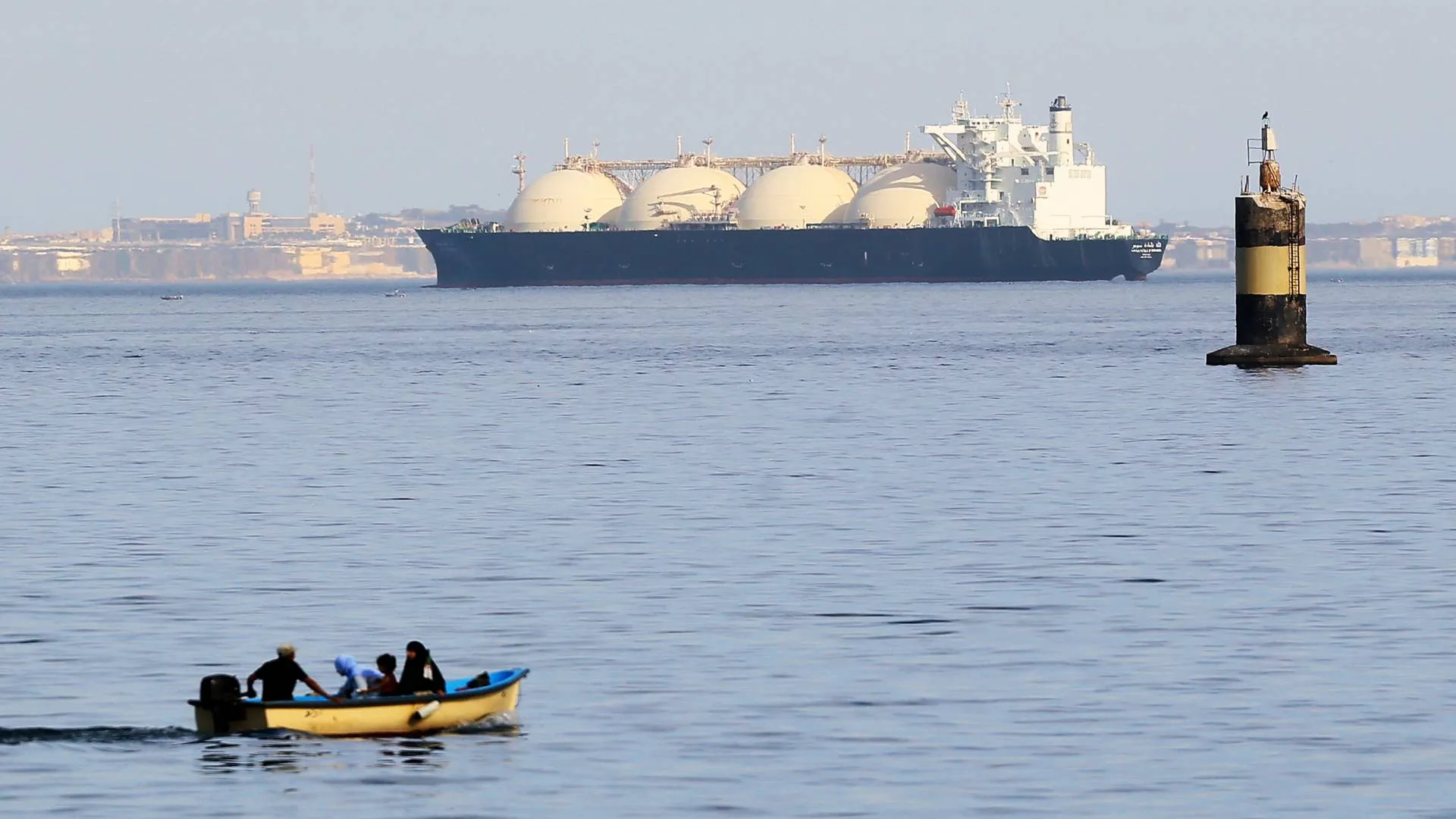
83.2 LNG Carriers: Required to use vapor return systems during cargo operations.
83.3 Heavy Lift Vessels: Seabed survey mandatory for outrigger deployments exceeding 10m.
84. Port Environmental Policies
84.1 Ballast Water: Mandatory treatment for all vessels with sampling and testing program.
84.2 Air Emissions: Continuous monitoring with real-time reporting to environmental authorities.
84.3 Waste Recycling: 85% minimum recovery rate enforced for all port-generated waste.
85. Vessel Communication Protocols
85.1 Language Requirements: All VHF communications in English or Japanese with standardized phrases.
85.2 Emergency Channels: Dedicated frequencies for distress, medical and security communications.
85.3 Digital Notices: NAVTEX broadcasts updated every 6 hours with navigational warnings.
86. Vessel Anchorage Procedures
86.1 Designated Anchorage Areas: Three zones (A, B, C) with depth ranges 15-25m, holding ground verified annually.
86.2 Anchor Watch Requirements: Continuous radar monitoring when anchored in heavy traffic areas.
86.3 Emergency Dragging Protocol: Immediate VTS notification if anchor movement exceeds 0.2nm from position.
87. Port Fire Safety Standards
87.1 Fire Main Pressure: Minimum 7 bar maintained at all hydrants with 4,000L/min flow capacity.
87.2 Foam Concentrate: 20,000L stock of AR-AFFF foam (3%/6% proportion) for hydrocarbon fires.
87.3 Training Drills: Quarterly live fire exercises conducted with port emergency teams.
88. Cargo Handling Equipment
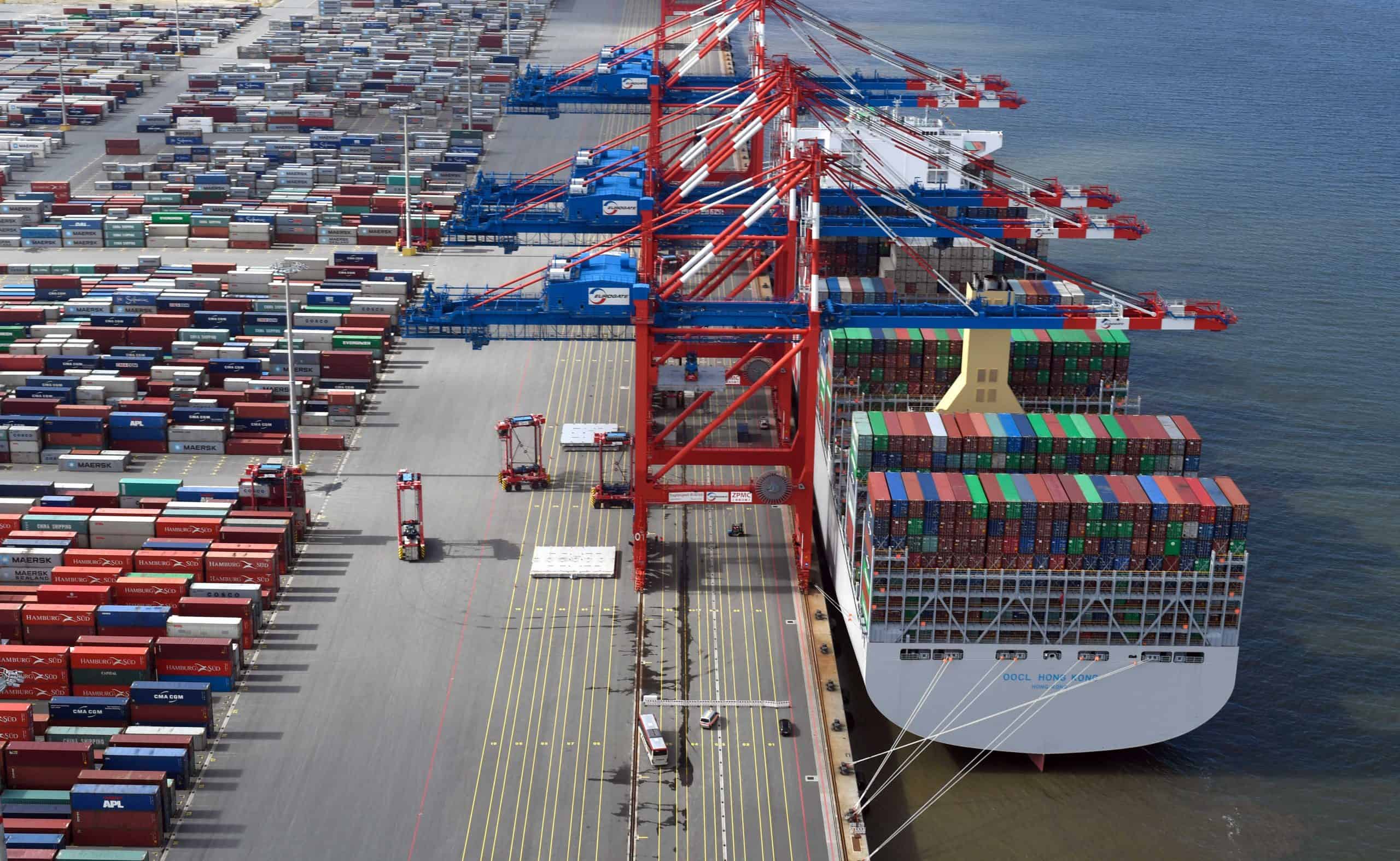
88.1 Container Cranes: 22 units with 65-ton SWL, twin-lift capability for 40′ containers.
88.2 Bulk Unloaders: 3,000T/hr capacity for grains with dust suppression systems.
88.3 Heavy Lift Capability: Floating crane available (1,200T max lift at 20m radius).
89. Vessel Waste Management
89.1 Sludge Reception: 500m³ daily capacity with automated recording of transfer quantities.
89.2 Food Waste: Separate collection for composting (maximum 5% contamination allowed).
89.3 Plastic Recycling: Mandatory segregation with compactors for export-grade bales.
90. Port Meteorological Services
90.1 Weather Station: Certified equipment providing real-time wind/wave data (5-minute updates).
90.2 Storm Warnings: Automatic alerts issued when Beaufort 8 conditions forecast within 6 hours.
90.3 Tide Gauges: Ultrasonic sensors with ±1cm accuracy displayed at all berths.
91. Special Navigation Procedures
91.1 Fog Navigation: Mandatory use of radar overlay on ECDIS when visibility <1,000m.
91.2 Night Transit: Additional lookout required on forecastle during hours of darkness.
91.3 Current Awareness: Real-time tidal stream data available via port app (1-hour predictions).
92. Port Infrastructure Maintenance
92.1 Quay Inspections: Annual underwater surveys using ROVs with 5mm crack detection capability.
92.2 Fender Systems: Replaced every 10 years or after significant impact events.
92.3 Depth Monitoring: Weekly multi-beam surveys of main shipping channel.
93. Vessel Crew Regulations
93.1 Shore Leave: Biometric tracking system with automatic crew count verification.
93.2 Training Requirements: Port-specific safety induction for all crew going ashore.
93.3 Work Permits: Restricted areas require additional certification for access.
94. Port Cybersecurity Measures
94.1 Network Segmentation: Critical systems isolated from public internet access.
94.2 Intrusion Detection: 24/7 monitoring with AI-based anomaly recognition.
94.3 Data Encryption: AES-256 standard for all vessel-to-shore communications.
95. Emergency Response Coordination
95.1 Incident Command: Unified control center integrates all emergency services.
95.2 Evacuation Routes: Clearly marked with photoluminescent signage (120min visibility).
95.3 Mutual Aid Agreements: Established with neighboring ports for resource sharing.
96. Vessel Bunkering Safety
96.1 Static Protection: All bunker hoses must have continuity checks before transfer (max resistance 10 ohms).
96.2 Spill Containment: Secondary barriers required with 110% capacity of largest tank.
96.3 Communication: Dedicated UHF channel (467.775MHz) for ship-to-shore coordination during fueling.
97. Port Crane Operations
97.1 Load Testing: Annual certification with 125% SWL proof tests for all lifting equipment.
97.2 Wind Limits: Operations cease when sustained winds exceed 20m/s (Beaufort 8).
97.3 Anti-Collision: Laser-based systems prevent crane interference with vessel superstructures.
98. Hazardous Area Classification
98.1 Zone 0: Continuous hazard areas (e.g. tank vents) require intrinsically safe equipment.
98.2 Zone 1: Areas where explosive atmosphere may occur during normal operations.
98.3 Zone 2: Areas where explosive atmosphere unlikely except under abnormal conditions.
99. Vessel Hull Cleaning
99.1 Biofouling Control: Only approved non-toxic antifouling paints permitted in port waters.
99.2 Underwater Cleaning: Requires containment systems capturing 98% of removed material.
99.3 Waste Disposal: Collected biomass must be heat-treated to 85°C for 1 hour before landfill.
100. Port Energy Management
100.1 Shore Power: 11kV/60Hz connections available at 12 berths (max 8MVA per connection).
100.2 Solar Array: 5MW peak capacity with battery storage for critical systems.
100.3 Energy Monitoring: Real-time dashboards display consumption by terminal/berth.
101. Navigation Channel Marking
101.1 Buoy Colors: IALA Region B system (red right returning) with retroreflective panels.
101.2 Light Characteristics: Quick-flashing green for starboard, occulting red for port marks.
101.3 Sound Signals: Fog horns with 2nm range activated automatically when visibility <500m.
102. Port Community Services
102.1 Crew Transportation: Scheduled shuttles to city center every 90 minutes (0600-2200).
102.2 Banking Facilities: ATM machines with multi-currency capability at all terminals.
102.3 Postal Services: Dedicated maritime post office with customs clearance desk.
103. Vessel Stability Requirements
103.1 Loading Computers: Must be type-approved with current stability booklet onboard.
103.2 Free Surface Effect: Maximum 5% reduction in GM allowed for slack tanks.
103.3 Damage Stability: Critical vessels must demonstrate compliance after assumed damage.
104. Port Noise Abatement
104.1 Equipment Standards: All rubber-tired gantries meet Stage V emission standards.
104.2 Night Restrictions: No container handling within 300m of residential areas 2200-0700.
104.3 Vessel Auxiliaries: Shore power mandatory for vessels berthing >4 hours in winter months.
105. Emergency Towing Arrangements
105.1 Equipment Readiness: Dedicated tug maintains 24/7 readiness with 10-minute response.
105.2 Connection Points: Standardized fittings per MSC.1/Circ.1255 available on all berths.
105.3 Drills: Quarterly exercises simulating disabled vessel scenarios.
106. Port Security Screening
106.1 Cargo Inspection: X-ray and radiation portal monitors for all inbound containers.
106.2 Personnel Screening: Millimeter wave scanners at all access points with facial recognition.
106.3 Vehicle Checks: Under-vehicle inspection systems and explosive trace detection.
107. Vessel Documentation Requirements
107.1 Digital Certificates: IMO-compliant electronic certificates accepted with verified digital signatures.
107.2 Crew Lists: Must be submitted in XML format via Maritime Single Window 24h pre-arrival.
107.3 Cargo Manifests: Electronic submission required with HS code verification.
108. Port Water Management
108.1 Stormwater Treatment: Oil-water separators with 15ppm discharge standard.
108.2 Firewater Retention: Containment basins prevent contaminated runoff during incidents.
108.3 Ballast Water: Mandatory UV treatment with real-time monitoring of discharge quality.
109. Specialized Vessel Handling
109.1 Car Carriers: Designated roll-on/roll-off area with 12 simultaneous vehicle lanes.
109.2 Livestock Vessels: Veterinary inspection point with quarantine holding pens.
109.3 Heavy Lift Operations: Mandatory seabed survey for loads exceeding 500 metric tons.
110. Port Digital Services
110.1 E-Navigation: Web-based route planning with real-time traffic overlay.
110.2 Automated Clearance: AI-powered document processing with 15-minute turnaround.
110.3 Blockchain Tracking: End-to-end cargo visibility using distributed ledger technology.
111. Vessel Maintenance Services
111.1 Hull Cleaning: ROV-assisted cleaning with 95% capture rate for removed material.
111.2 Propeller Polishing: Underwater teams available for 24-hour service.
111.3 Tank Cleaning: Certified facilities for chemical and petroleum tank cleaning.
112. Port Operational Analytics
112.1 Performance Metrics: Real-time dashboard for berth occupancy and crane productivity.
112.2 Predictive Modeling: AI-based vessel arrival time predictions (±15min accuracy).
112.3 Carbon Accounting: Automated emissions tracking by vessel/terminal.
113. Dangerous Goods Storage
113.1 Explosives Magazine: Earth-berm protected with 24/7 temperature monitoring.
113.2 Chemical Warehouse: Segregated zones with compatible storage grouping.
113.3 Gas Cylinder Yard: Outdoor storage with 50m separation from occupied buildings.
114. Vessel Communication Systems
114.1 Digital VHF: IP-based radio system with recording and playback capability.
114.2 Satellite Backup: Redundant Inmarsat and Iridium connections for critical comms.
114.3 Cybersecurity: Encrypted channels with automatic intrusion detection.
115. Port Sustainability Initiatives
115.1 Shore Power: Cold ironing capability at all deep-water berths.
115.2 LED Lighting: 100% conversion with motion-activated dimming.
115.3 Alternative Fuels: LNG bunkering and hydrogen pilot projects available.