1. Port Rules and Regulations
1.1. Legal Framework: Tokachi Port operates under Japan’s Port Regulations Law (港湾法) and local ordinances of Hokkaido Prefecture. Compliance with the International Maritime Organization (IMO) conventions (SOLAS, MARPOL, COLREG) is mandatory.
1.2. Navigation Rules: Vessels must adhere to the Maritime Traffic Safety Act (海上交通安全法). Speed limits within port waters are strictly enforced (max 8 knots in inner harbor, 12 knots in approach channels).
1.3. Berthing Regulations: Prior permission is required for all berthing operations. Minimum under-keel clearance of 10% of draft or 1m (whichever is greater) must be maintained.
1.4. Dangerous Cargo: Handling of hazardous materials follows the Fire Service Act (消防法) and IMDG Code. Advance notification (24 hours for Class 1 explosives, 12 hours for other hazardous cargo) is mandatory.
2. Compliance Requirements
2.1. Document Submission: Vessels must submit the following 24 hours prior to arrival:
– Port Entry Notification (via Japan Coast Guard e-MIS system)
– Crew List (including vaccination records if applicable)
– Dangerous Goods Declaration (if carrying hazardous materials)
2.2. Equipment Standards: All vessels must maintain:
– Functional AIS transponders (per SOLAS Chapter V)
– Updated ECDIS with Japan Hydrographic Association charts
– Oil pollution prevention equipment (SOPEP kit per MARPOL Annex I)
2.3. Crew Certification: Minimum safe manning certificate must comply with Japan’s Ship Safety Act (船舶安全法). All officers must hold valid STCW certificates with Japanese endorsement if engaging in coastal trade.
3. Enforcement Measures
3.1. Inspections: Japan Coast Guard conducts:
– Routine safety inspections (annual for domestic vessels, port state control for foreign vessels)
– Unannounced MARPOL compliance checks (especially for bilge water and garbage handling)
3.2. Penalties: Violations may result in:
– Fines up to ¥3 million for environmental breaches (per Pollution Prevention at Sea Act)
– Vessel detention for critical safety deficiencies
– Criminal prosecution for deliberate violations (e.g., false oil record books)
3.3. Emergency Protocols: Mandatory reporting within 15 minutes for:
– Oil spills exceeding 200 liters
– Collisions/allisions causing structural damage
– Man overboard incidents
4. Safety Provisions
4.1. Pilotage: Compulsory for vessels:
– Over 10,000 GT
– Carrying Class 1 dangerous goods
– With draft exceeding 12m
4.2. Tug Requirements: Minimum tug assistance based on vessel size:
– 20,000-50,000 GT: 2 tugs
– >50,000 GT: 3 tugs (including 1 escort tug)
4.3. Weather Restrictions: Port closure conditions:
– Sustained winds >25m/s (Beaufort 10)
– Wave height >4m at breakwater
– Visibility <500m
5. Operational Directives
5.1. Bunkering Procedures: Requires:
– Pre-operation meeting with port authorities
– Dedicated oil spill watch officer
– Boom deployment for vessels >5,000 GT
5.2. Waste Handling: Strict compliance with Japan’s Waste Management Law (廃棄物処理法):
– Food waste: Must be incinerated ashore (no sea disposal within 12nm)
– Plastics: Absolute prohibition on disposal at sea
– Sludge: Only licensed disposal contractors permitted
5.3. Security Measures: ISPS Code implementation:
– Security Level 1: Standard screening of all persons/vehicles
– Security Level 2: 100% cargo verification + armed patrols
– Security Level 3: Port entry prohibited except with special permission
6. Vessel Traffic Management
6.1. VTS Coverage: Tokachi Vessel Traffic Service operates 24/7 monitoring:
– Primary radar coverage: 30nm radius
– AIS coverage: 50nm radius
– Mandatory reporting points at 15nm and 5nm from port entrance
6.2. Communication Protocols: All vessels must maintain:
– Continuous VHF monitoring on Ch 16 (distress) + Ch 12 (port operations)
– English language proficiency for bridge team (minimum STCW Level 2)
– Immediate response to VTS calls (max 1 minute delay)
6.3. Traffic Separation: Strict adherence to:
– Inbound/outbound lanes (500m separation)
– Fishing vessel exclusion zone (1nm radius from main fairway)
– No overtaking in channels <1nm wide 7. Environmental Compliance
7.1. Air Emissions: Enforced under Japan’s Air Pollution Control Law:
– Sulfur cap: 0.1% within Emission Control Area (ECA)
– Shore power priority for vessels berthing >4 hours
– Prohibition on visible smoke emissions (>Ringelmann 1)
7.2. Ballast Water: Must comply with Japan’s Invasive Species Act:
– Exchange required beyond 200nm from coast (minimum 95% efficiency)
– Treatment systems must be IMO Type Approved
– Mandatory sampling during PSC inspections
7.3. Underwater Noise: Recommended mitigation measures:
– Speed reduction to <10kn within 3nm of marine mammal habitats
– Avoidance of low-frequency sonar in breeding seasons (April-September)
8. Emergency Response
8.1. Oil Spill Preparedness:
– Tier 1 response capability: 50 tons (port maintained)
– Tier 2 response capability: 500 tons (regional cooperation)
– Dispersant use requires pre-approval from Hokkaido government
8.2. Search and Rescue:
– Primary SAR coordination by 1st Regional Coast Guard Headquarters
– Helicopter response time: <30 minutes (daylight), <45 minutes (night)
– Mandatory participation in annual SAR exercises for port-based vessels
8.3. Medical Facilities:
– Port clinic with hyperbaric chamber (24/7 on-call)
– Designated maritime hospitals within 1hr transport range
– Mandatory MEDIVAC insurance for all crew
9. Port Fees and Charges
9.1. Tariff Structure:
– Berthage fees: ¥15,000-¥85,000/day based on LOA
– Pilotage: ¥25,000-¥120,000 per movement
– Waste disposal: ¥5,000-¥20,000 per m³ (varies by waste type)
9.2. Discount Schemes:
– 15% reduction for vessels using shore power
– 10% reduction for Green Award certified vessels
– 5% reduction for regular callers (>12 visits/year)
9.3. Security Surcharges:
– ISPS compliance verification: ¥50,000 per inspection
– Armed guard supervision: ¥75,000/day (if required)
10. Crew Welfare Provisions
10.1. Shore Leave:
– Automatic approval for crews from MLC-compliant vessels
– Emergency visas processed within 4 hours for medical cases
– Designated seafarer transport routes to city center
10.2. Provisions Supply:
– Certified bonded stores suppliers (3 licensed operators)
– Halal/kosher provisions available with 48hr notice
– Medical oxygen delivery within 2hrs (24/7)
10.3. Dispute Resolution:
– Port Welfare Committee meets monthly
– Multilingual assistance (English/Russian/Tagalog)
– Guaranteed access to ITF representatives
11. Cargo Handling Regulations
11.1. General Cargo Operations:
– Maximum working hours: 12 hours/day for stevedores
– Mandatory safety briefings before commencement
– Wind speed restrictions: Operations cease at sustained winds >15m/s
11.2. Container Operations:
– Verified Gross Mass (VGM) required 24hrs prior loading
– Refrigerated container monitoring every 4 hours
– Stacking limits: 5 high for 20ft, 4 high for 40ft containers
11.3. Bulk Cargo Handling:
– Dust suppression required for coal/grain operations
– Load density monitoring for iron ore (max 3t/m² deck load)
– Prohibition of simultaneous loading/unloading without special permit
12. Anchorage Regulations
12.1. Designated Areas:
– Primary anchorage: 3nm NE of port entrance (max 10 vessels)
– Emergency anchorage: 2nm SW (reserved for vessels <200m LOA)
– Prohibited areas marked by yellow buoys
12.2. Anchoring Procedures:
– Minimum scope: 5:1 in normal conditions, 7:1 in typhoon season
– Mandatory anchor watch during cargo operations
– Immediate reporting of dragging anchor (>50m movement)
12.3. Anchorage Fees:
– First 24 hours: ¥8,000/day
– Subsequent days: ¥12,000/day
– Emergency stays exempt during severe weather
13. Special Vessel Requirements
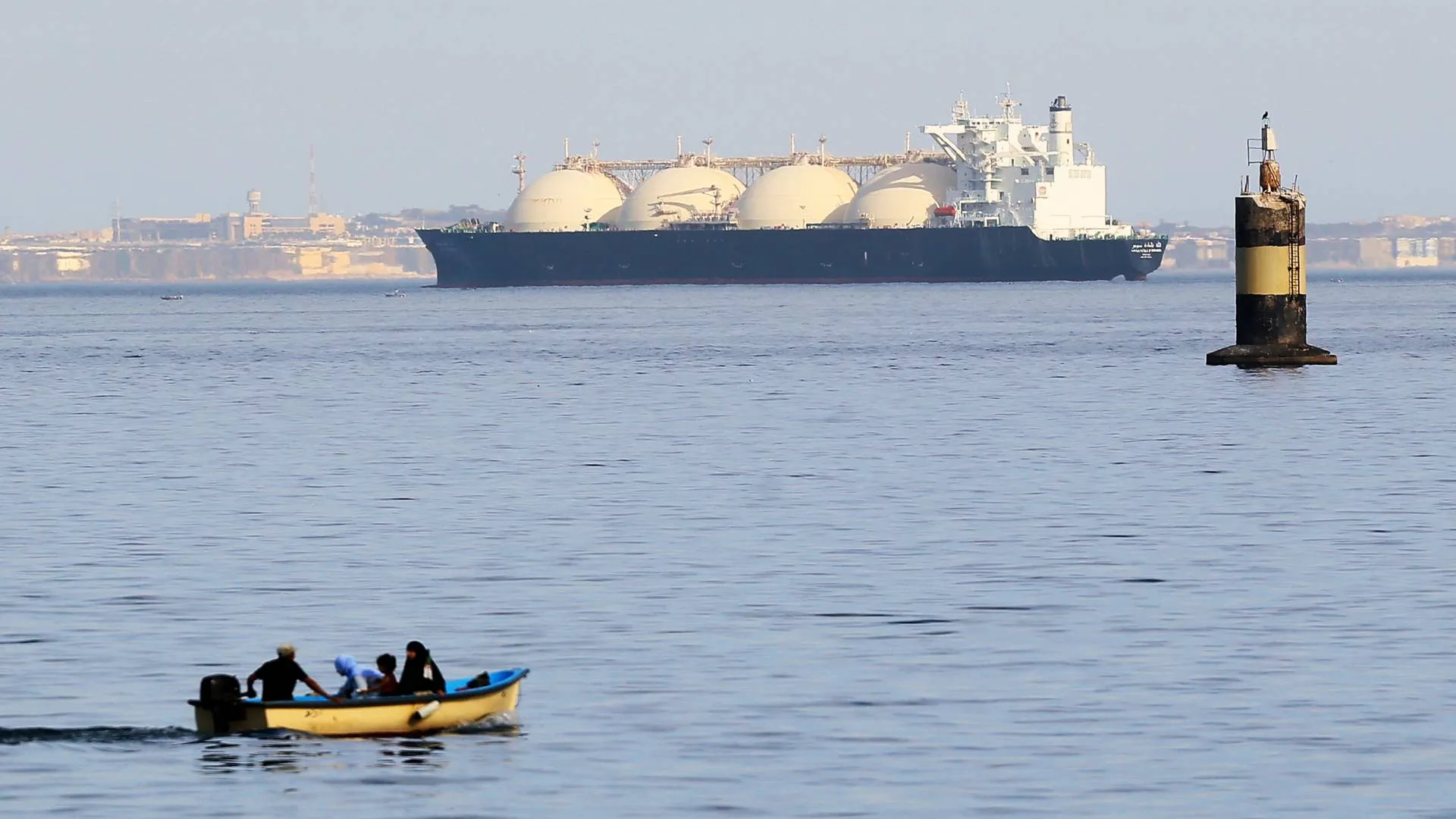
13.1. LNG Carriers:
– Exclusion zone: 500m radius during operations
– Tug standby throughout entire stay
– Mandatory gas detection systems
13.2. Cruise Ships:
– Gangway angle limit: 30 degrees maximum
– Security screening for all embarking passengers
– Waste reception capacity verification prior arrival
13.3. Research Vessels:
– Special permit required for sample collection
– Scientific equipment must pass radiation screening
– Mandatory Japanese interpreter onboard
14. Port Infrastructure Specifications
14.1. Berth Capabilities:
– Deep-water berths: 4 available (max draft 16m)
– Ro-Ro ramp: 12m width, 200t capacity
– Heavy lift area: 500t/m² load capacity
14.2. Navigational Aids:
– Leading lights: 320° true for main channel
– DGPS reference station: Hokkaido 01 (RTCM 3.1)
– Tide gauge updates every 10 minutes
14.3. Utilities:
– Potable water: 50t/hr supply capacity
– Bunkering: IFO 380 available at 2 berths
– Electrical supply: 440V/60Hz shore connections
15. Seasonal Operations
15.1. Ice Conditions:
– Icebreaker support available Dec-Mar
– Mandatory hull inspections after ice transit
– Reduced speed zones in ice concentrations >6/10
15.2. Typhoon Preparedness:
– Phase 1 alert: Winds >15m/s forecast
– Phase 2 alert: All non-essential operations cease
– Evacuation protocol for vessels >10,000 GT
15.3. Fishing Season Restrictions:
– Night navigation caution during squid season (Aug-Nov)
– Additional lookouts required near fishing fleets
– Speed reduction zones near set nets
16. Port State Control Inspections
16.1. Inspection Criteria:
– Priority inspection for vessels with high-risk flags (3+ deficiencies in last 12 months)
– Mandatory expanded inspection for bulk carriers >15 years old
– Concentrated inspection campaigns (CICs) conducted biannually
16.2. Common Deficiencies:
– Fire dampers inoperative (SOLAS II-2/9)
– Oil filtering equipment malfunction (MARPOL Annex I)
– Inaccurate nautical publications (SOLAS V/27)
16.3. Detention Procedures:
– Formal notice issued via Tokyo MOU system
– Rectification deadline based on deficiency severity
– Re-inspection fees: ¥150,000 per occurrence
17. Ship Repair Regulations
17.1. Hot Work Permits:
– Class-approved fire watch required
– Gas-free certification for fuel tanks within 15m
– Night work prohibited without special approval
17.2. Dry Dock Requirements:
– Hull cleaning must use containment systems
– Antifouling paint application requires EPA-certified contractors
– Wastewater pretreatment before discharge
17.3. Emergency Repair Protocols:
– Port engineer must supervise critical repairs
– Spill containment booms deployed for underwater work
– Classification society attendance for structural repairs
18. Maritime Security Measures
18.1. Access Control:
– Biometric screening for all port workers
– Vehicle barriers with undercarriage inspection
– Waterborne patrols during Security Level 2
18.2. Cyber Security:
– Mandatory network segmentation for ship-shore interfaces
– Prohibition on USB devices in operational systems
– Monthly vulnerability scans for port systems
18.3. Drone Operations:
– Complete prohibition within 1nm of port facilities
– Authorized survey drones require 72hr notice
– Visual observers required for all approved flights
19. Port Agency Services
19.1. Licensed Providers:
– 5 approved shipping agents
– Minimum ¥50 million liability insurance
– Multilingual staff requirement (English/Chinese/Korean)
19.2. Mandatory Services:
– Customs clearance coordination
– Crew change documentation
– Bunker quality sampling
19.3. Fee Structure:
– Standard agency fee: ¥250,000 per call
– Overtime surcharges after 2000hrs
– Emergency services: 100% premium
20. Marine Pollution Response
20.1. Reporting Obligations:
– Immediate notification for any sheen sighting
– Digital pollution report form (JM10 format)
– Preservation of evidence for 90 days
20.2. Cleanup Standards:
– Shoreline cleanup to <1% oil coverage
– Waste oil segregation (H1-H14 categories)
– Bioremediation approval required for sensitive areas
20.3. Compensation Claims:
– Japan P&I Club liaison onsite
– Preliminary assessment within 48 hours
– Dispute resolution through Tokyo District Court
21. Vessel Dimension Limitations
21.1. Maximum Allowable Dimensions:
– Length Overall (LOA): 300m for main berths
– Beam: 50m at container terminals
– Air draft: 55m (restricted by bridge clearance)
21.2. Draft Restrictions:
– High tide: 16.5m (chart datum +3.2m)
– Low tide: 14.8m (chart datum +1.5m)
– Seasonal adjustments: -0.5m winter months
21.3. Special Clearances:
– Overwidth vessels: Advance notice 96 hours
– Heavy lift operations: Stress calculations required
– VLCCs: Tidal window restrictions apply
22. Port Meteorological Services
22.1. Weather Monitoring:
– Automated stations update every 10 minutes
– Wave radar coverage to 20nm offshore
– Ice thickness reports Dec-Mar
22.2. Storm Warning System:
– Stage 1: 24hr advance notice
– Stage 2: 12hr advance notice
– Stage 3: Port closure imminent
22.3. Current Predictions:
– Maximum ebb: 2.8 knots at main channel
– Flood tide slack: 30 minutes duration
– Eddy zones marked on port charts
23. Dangerous Goods Storage
23.1. Bonded Warehouses:
– Class 1: 2 dedicated facilities
– Class 3-8: 5 multi-category stores
– Temperature-controlled units available
23.2. Segregation Requirements:
– 50m separation for incompatible classes
– Explosives magazines: earth-covered
– Radiation monitoring for Class 7
23.3. Emergency Kits:
– Spill containment: 500kg capacity per store
– Neutralization agents for acids/alkalis
– Class-specific fire suppression systems
24. Port Communication Protocols
24.1. Radio Procedures:
– Initial contact: Ch 16 then switch to Ch 12
– Standard marine communication phrases
– Phonetic alphabet mandatory
24.2. Digital Notices:
– NAVTEX broadcasts: 518kHz
– E-Navigation portal updates
– SMS alert system for critical changes
24.3. Linguistic Requirements:
– English proficiency for pilots/tug masters
– Japanese port terminology guide
– Emergency phrasebook in 8 languages
25. Salvage and Wreck Removal
25.1. Response Capability:
– 500t floating crane available
– Airbags for hull righting
– Oil recovery vessels on standby
25.2. Cost Recovery:
– Maritime lien procedures
– Wreck removal insurance verification
– Court-appointed receivership option
25.3. Environmental Protection:
– Sensitive area mapping
– Biodegradable dispersants
– Wildlife protection measures
26. Port Entry/Exit Procedures
26.1. Arrival Requirements:
– ETA submission 72/48/24 hours in advance
– Pre-arrival checklist verification
– Health declaration via MERS system
26.2. Departure Clearance:
– Outward clearance certificate
– Final crew count verification
– Garbage disposal receipt
26.3. Special Circumstances:
– Quarantine anchorages for health alerts
– Diplomatic clearance for warships
– Icebreaker escort scheduling
27. Bunkering Operations
27.1. Fuel Quality Standards:
– ISO 8217 compliance mandatory
– Sampling by independent surveyor
– 0.1% sulfur limit in ECA
27.2. Operational Procedures:
– Simultaneous operations (SIMOPS) restrictions
– Dedicated fire watch during transfer
– Emergency shutdown drills
27.3. Bunker Survey Requirements:
– Tank soundings before/after
– Mass flow meter verification
– Dispute resolution protocol
28. Port Labor Regulations
28.1. Stevedore Standards:
– Certified training programs
– Minimum rest periods between shifts
– PPE requirements
28.2. Dispute Resolution:
– Port labor committee
– Mandatory cooling-off period
– Essential service declarations
28.3. Safety Committees:
– Monthly joint inspections
– Hazard reporting system
– Multilingual safety signage
29. Navigation in Restricted Visibility
29.1. Procedures:
– Mandatory radar operation
– Speed reduction protocols
– Bridge team augmentation
29.2. Equipment Requirements:
– Functional fog signals
– Enhanced lookout procedures
– VHF silence periods
29.3. Port Assistance:
– Radar guidance available
– Enhanced VTS monitoring
– Tug standby positions
30. Port Infrastructure Maintenance
30.1. Dredging Operations:
– Annual depth surveys
– Contaminated sediment handling
– Navigation warnings during works
30.2. Berth Maintenance:
– Fender inspection schedule
– Bollard load testing
– Cathodic protection checks
30.3. Channel Markings:
– Buoy servicing program
– AtoN availability targets
– Emergency repair response
31. Hazardous Weather Contingencies
31.1. Typhoon Preparedness:
– Stage 1 Alert: Winds ≥15m/s forecast within 48hrs
– Stage 2 Alert: All cargo ops cease at winds ≥20m/s
– Stage 3 Alert: Mandatory vessel evacuation
31.2. Heavy Snow Protocols:
– Runway/ramp clearance priority sequence
– Container stack snow load limits (max 1.5m accumulation)
– Emergency generator fuel reserves
31.3. Tsunami Response:
– Vertical evacuation structures marked
– Dock-side warning sirens
– Post-event structural inspections
32. Special Cargo Handling
32.1. Oversized Loads:
– Pre-stowage planning mandatory
– Route surveys for abnormal indivisible loads
– Night movement restrictions
32.2. Perishable Goods:
– Temperature monitoring logs
– Customs fast-track lanes
– Rejection criteria for spoiled cargo
32.3. Military Shipments:
– Armed escort requirements
– Secure storage compounds
– Munitions loading safety radii
33. Port Community System
33.1. Electronic Data Exchange:
– IMO FAL forms digital submission
– Real-time berth availability
– Automated cargo declarations
33.2. User Access Levels:
– Shipping companies: Tier 3 access
– Agents: Tier 2 access
– Authorities: Tier 1 access
33.3. System Outage Procedures:
– Fallback paper documentation
– Priority restoration sequence
– Data reconciliation protocol
34. Vessel Sanitation
34.1. Health Inspections:
– Water sampling for coliform testing
– Vector control certification
– Galley hygiene standards
34.2. Waste Disposal:
– Medical waste incineration
– Food waste grinding standards
– Sewage reception capacity
34.3. Pest Control:
– Fumigation notification periods
– Approved chemical list
– Bird deterrent systems
35. Port Security Zones
35.1. Access Control:
– Biometric verification points
– Vehicle barrier specifications
– Waterside intrusion detection
35.2. Surveillance Systems:
– Pan-tilt-zoom camera coverage
– Thermal imaging capabilities
– Data retention periods
35.3. Drone Restrictions:
– No-fly zone radius
– Authorized operator registry
– Counter-drone measures
36. Emergency Response Coordination
36.1. Incident Command Structure:
– Port Master as Incident Commander
– Sector-specific response teams
– Unified command protocol
36.2. Resource Mobilization:
– Mutual aid agreements with neighboring ports
– Emergency equipment cache locations
– Volunteer responder credentialing
36.3. Drills and Exercises:
– Quarterly tabletop exercises
– Annual full-scale drill requirements
– After-action reporting system
37. Vessel Traffic Management
37.1. Routing Schemes:
– Mandatory reporting points
– Traffic separation scheme
– Vessel speed restrictions
37.2. Special Area Controls:
– Fishing vessel exclusion zones
– Anchorage reservation system
– Tug escort requirements
37.3. Congestion Management:
– Virtual queue system
– Berth allocation algorithm
– Priority vessel criteria
38. Port Environmental Monitoring
38.1. Water Quality:
– Real-time turbidity sensors
– Hydrocarbon detection buoys
– Bi-monthly sampling regime
38.2. Air Emissions:
– Continuous PM2.5 monitoring
– Stack emission testing
– Shore power utilization tracking
38.3. Noise Control:
– Nighttime decibel limits
– Equipment silencing standards
– Complaint response procedure
39. Dangerous Goods Transportation
39.1. Landside Movement:
– Designated transport routes
– Escort vehicle requirements
– Tunnel restrictions
39.2. Vessel Loading:
– Segregation matrices
– Stowage position approval
– Weather contingency plans
39.3. Documentation:
– Multimodal dangerous goods forms
– Emergency response information
– Shipper’s declaration verification
40. Port Tariff Structure
40.1. Vessel Charges:
– Port dues calculation method
– Wharfage fees by cargo type
– Discount schemes
40.2. Service Fees:
– Pilotage rate schedule
– Tug assistance pricing tiers
– Waste reception charges
40.3. Penalty System:
– Late documentation fines
– Non-compliance surcharges
– Appeal process
41. Ice Navigation Procedures
41.1. Winter Season Requirements:
– Ice class certification verification
– Hull heating system inspections
– Minimum propeller immersion standards
41.2. Icebreaker Assistance:
– Request submission timeline
– Escort formation protocols
– Priority vessel classification
41.3. Cold Weather Operations:
– Deck machinery anti-freeze measures
– Emergency towage arrangements
– Ice accumulation monitoring
42. Port Lighting Standards
42.1. Navigational Lighting:
– Leading light specifications
– Sector light color coding
– Emergency power backup
42.2. Operational Area Lighting:
– Container yard lux levels
– Berth edge illumination
– Hazard zone strobe lighting
42.3. Energy Efficiency:
– LED conversion schedule
– Motion-activated zones
– Photocell calibration standards
43. Ship Waste Management
43.1. Reception Facilities:
– Oily water separator capacity
– Food waste processing units
– Hazardous waste storage
43.2. Documentation:
– Waste delivery receipts
– MARPOL record books
– Electronic reporting system
43.3. Special Wastes:
– Exhaust cleaning residues
– Cargo hold washwater
– Ballast water sediments
44. Port Access Roads
44.1. Vehicle Control:
– Automated number plate recognition
– Overweight vehicle permits
– Dangerous goods routing
44.2. Infrastructure:
– Bridge load capacities
– Turning circle dimensions
– Emergency access lanes
44.3. Traffic Management:
– Peak hour restrictions
– Container truck queuing
– Pedestrian segregation
45. Marine Wildlife Protection
45.1. Seasonal Measures:
– Whale migration speed limits
– Seabird nesting area buffers
– Fish spawning period restrictions
45.2. Pollution Prevention:
– Anti-fouling paint regulations
– Underwater noise mitigation
– Oil spill response wildlife kits
45.3. Monitoring Programs:
– Marine mammal observers
– Acoustic monitoring buoys
– Habitat mapping updates
46. Port Fire Safety Systems
46.1. Fire Prevention Measures:
– Hot work permit requirements
– Electrical equipment certifications
– Flammable storage regulations
46.2. Suppression Equipment:
– Foam cannon deployment zones
– Hydrant pressure standards
– Mobile firefighting units
46.3. Emergency Response:
– Fireboat response times
– Evacuation assembly points
– Mutual aid agreements
47. Vessel Mooring Requirements
47.1. Line Specifications:
– Minimum breaking load standards
– Synthetic vs natural fiber rules
– Chafe protection mandates
47.2. Configuration Standards:
– Typhoon mooring patterns
– Tidal range adjustments
– Multi-vessel berthing
47.3. Inspection Protocols:
– Daily line checks
– Quarterly load testing
– Emergency replacement stocks
48. Port Customs Procedures
48.1. Clearance Processes:
– Electronic manifest submission
– Risk assessment algorithms
– Fast track eligibility
48.2. Examination Methods:
– Non-intrusive inspection equipment
– Targeted container selection
– K9 unit deployment
48.3. Temporary Admissions:
– Carnet documentation
– Bonded transport requirements
– Time extension procedures
49. Navigation Aid Maintenance
49.1. Buoy Servicing:
– Light characteristic verification
– Radar reflector checks
– Mooring chain inspections
49.2. Shore-Based Markings:
– Daymark repainting cycles
– Retroreflective material standards
– Obstruction lighting
49.3. Emergency Repairs:
– Spare parts inventory
– Notam issuance protocol
– Temporary marking deployment
50. Port Passenger Facilities
50.1. Terminal Operations:
– Baggage screening requirements
– Disabled access standards
– Queue management systems
50.2. Vessel Interface:
– Gangway safety specifications
– Passenger counting methods
– Emergency disembarkation
50.3. Special Needs:
– Medical isolation rooms
– Pet processing areas
– Lost property handling
51. Port Cargo Handling Equipment
51.1. Crane Operations:
– Load moment indicators calibration
– Wind speed operating limits
– Anti-collision system requirements
51.2. Mobile Equipment:
– Straddle carrier lane markings
– Forklift load center calculations
– Rubber-tired gantry travel paths
51.3. Maintenance Standards:
– Wire rope discard criteria
– Hydraulic system inspections
– Emergency stop testing
52. Port Security Screening
52.1. Personnel Checks:
– Biometric access control
– Random search percentages
– Visitor escort protocols
52.2. Vehicle Inspection:
– Under-vehicle camera systems
– Radiation detection thresholds
– Seal verification procedures
52.3. Cargo Scanning:
– X-ray image analysis training
– Threat image projection
– False alarm resolution
53. Vessel Bunkering Operations
53.1. Fuel Quality Control:
– Sampling methodology
– MARPOL Annex VI compliance
– Contamination response
53.2. Safety Procedures:
– Bonding and grounding
– Spill containment deployment
– Emergency shutdown
53.3. Documentation:
– Bunker delivery notes
– Quantity verification
– Dispute resolution
54. Port Meteorological Services
54.1. Weather Monitoring:
– Anemometer placement
– Visibility sensor maintenance
– Tide gauge accuracy
54.2. Forecasting:
– Local wind models
– Squall warning lead times
– Ice formation predictions
54.3. Dissemination:
– VHF marine broadcasts
– Digital notice board updates
– Pilot briefing packages
55. Port Quarantine Measures
55.1. Health Screening:
– Thermal camera placement
– Medical declaration forms
– Vector inspection points
55.2. Contamination Control:
– Ballast water sampling
– Ship sanitation certificates
– Food storage inspections
55.3. Emergency Response:
– Isolation ward locations
– Pathogen decontamination
– Contact tracing protocols
56. Port Hazardous Materials Storage
56.1. Designated Storage Areas:
– Explosion-proof electrical installations
– Secondary containment specifications
– Segregation distance requirements
56.2. Handling Procedures:
– Personal protective equipment standards
– Spill kit placement and contents
– Incompatible materials separation
56.3. Emergency Preparedness:
– Fire suppression system ratings
– Emergency shower locations
– Evacuation radius calculations
57. Vessel Traffic Monitoring Systems
57.1. Radar Coverage:
– Blind spot identification
– Target tracking algorithms
– Minimum detection range
57.2. AIS Integration:
– Static data verification
– Vessel movement predictions
– Anomaly detection parameters
57.3. Backup Systems:
– Redundant power supplies
– Data archiving procedures
– Manual tracking protocols
58. Port Dredging Operations
58.1. Sediment Management:
– Contamination testing protocols
– Disposal site selection criteria
– Turbidity monitoring frequency
58.2. Equipment Standards:
– Cutter suction dredge specifications
– Pipeline floatation requirements
– Spill prevention measures
58.3. Navigation Impact:
– Channel marking adjustments
– Dredge plant lighting
– VHF communication channels
59. Port Facility Cleaning
59.1. Waste Collection:
– Recycling station placement
– Hazardous waste containers
– Litter patrol schedules
59.2. Surface Maintenance:
– High-pressure washing zones
– Oil stain removal procedures
– Winter de-icing operations
59.3. Special Areas:
– Restroom sanitation standards
– Food service area cleaning
– Storm drain inspections
60. Port Communication Systems
60.1. VHF Network:
– Channel allocation plan
– Backup power systems
– Radio check procedures
60.2. Digital Infrastructure:
– Fiber optic cable protection
– Network redundancy design
– Cybersecurity protocols
60.3. Emergency Channels:
– Distress call procedures
– Backup communication methods
– Language requirements