
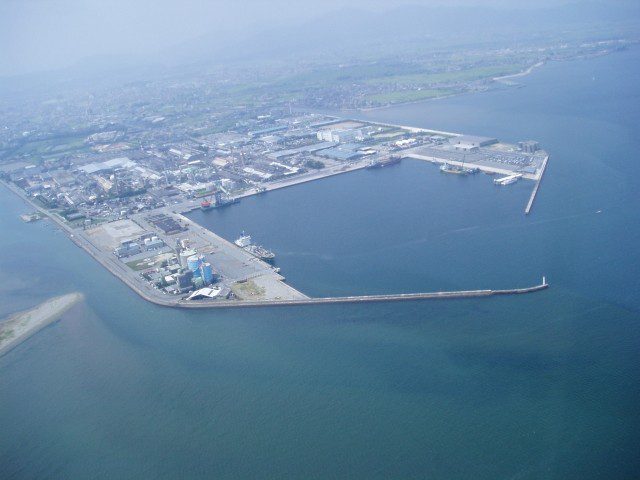
1. Port and Terminal Information
1.1 Tsumatsusaka Port (Matsusaka) is a regional commercial port managed by Mie Prefecture, primarily handling general cargo, timber, and containerized goods. The port has two main berths:
– Berth No.1: Depth 7.5m, length 120m (for vessels up to 3,000 DWT)
– Berth No.2: Depth 5.5m, length 80m (for vessels up to 1,000 DWT)
(Source: Mie Prefectural Government Ports and Harbors Office, 2023 data)
1.2 The port operates 24/7 but requires prior notice for night operations. All cargo handling equipment (mobile cranes/forklifts) must be arranged through local stevedores.
2. Navigation and Pilotage
2.1 Mandatory pilotage for vessels over 500 GT. Pilot boarding area is at 34°34’12″N 136°32’45″E, 1.5nm northeast of the port entrance. VHF Channel 16/12 used for communication.
2.2 The approach channel has a design depth of 8.0m with tidal range of 1.8m (max). Under-keel clearance must maintain minimum 10% of draft during transit.
3. Anchorage Regulations
3.1 Temporary anchorage area (34°35’00″N 136°33’30″E) is available for waiting vessels with maximum stay 24hrs. Anchoring prohibited in the fairway (Mie Prefecture Port Regulations Article 17).
4. Cargo Operations
4.1 Timber cargoes require certified lashing plans. Maximum loading rate: 800 tons/day for general cargo, 30 TEUs/day for containers.
4.2 Hazardous materials handling requires 72hr prior notice to Matsusaka Port Office (Document: “Hazardous Materials Handling Guidelines for Mie Prefecture Ports”).
5. Safety Requirements
5.1 All vessels must conduct emergency drills (fire/abandon ship) within 12hrs of arrival per Japan Coast Guard MSA Notice No. 305.
5.2 Gangways must have safety nets installed when in use (Occupational Safety and Health Act Chapter 6).
6. Environmental Compliance
6.1 Strict ballast water management enforced (Japan’s amended Ship Oil Pollution Prevention Law). Records must be available for inspection.
6.2 No garbage discharge within port limits. Use designated reception facilities (Port Waste Management Plan 2021).
7. Local Services
7.1 Bunkering available via truck only (no barge service). Fresh water supply rate: 30 tons/hour maximum.
7.2 Nearest ship repair: Matsusaka Shipyard (floating dock capacity 3,000 DWT), 3km from port.
8. Emergency Contacts
8.1 Port Control: VHF Ch 12 (call sign “Matsusaka Port Op”)
8.2 Japan Coast Guard Matsusaka Station: +81-598-52-0110 (official contact)
9. Special Notes
9.1 Typhoon season (July-October) requires additional mooring lines (minimum 8 lines for vessels >100m LOA).
9.2 Winter northerly winds may exceed 25 knots December-February. Secure cargo accordingly.
10. Port Administration and Documentation
10.1 All vessels must submit the following documents 24 hours prior to arrival:
– Port Entry Notification (Japan Coast Guard Form No. 3)
– Crew List (Immigration Bureau Form No. 5-1)
– Cargo Manifest (Customs Form C-5020)
(Source: Mie Prefecture Port Administration Ordinance, Article 8-2)
10.2 Port dues are calculated based on GT and cargo volume. Payment must be settled before departure (Mie Port Tariff Schedule 2023).
11. Mooring and Berthing Requirements
11.1 Vessels must use at least 4 mooring lines (2 head, 2 stern) when alongside. Tugs are recommended for vessels over 5,000 DWT during berthing/unberthing.
11.2 Maximum allowable berth occupancy time is 48 hours without special permission (Port Operations Rule No. 12).
12. Customs and Immigration
12.1 Crew shore leave permitted only after completing immigration procedures at Matsusaka Port Immigration Office (operating hours 08:30-17:00).
12.2 Strict prohibition on unauthorized cargo operations during customs inspections (Customs Law Article 62).
13. Port Security
13.1 ISPS Code compliance required. Security Level 1 normally enforced. All visitors must present ID to port security.
13.2 No unmanned vessel movements permitted within port limits (Japan Coast Guard Security Circular 15-3).
14. Weather Limitations
14.1 Cargo operations suspended when wind speed exceeds 15m/s (Beaufort 7) or wave height >1.5m at berth.
14.2 Typhoon warning signal No. 3 requires all vessels to vacate berths (Mie Prefecture Disaster Prevention Manual).
15. Local Regulations
15.1 Strict noise control (below 65dB) between 22:00-06:00 (Matsusaka City Environmental Ordinance).
15.2 No overboard discharge of any kind within 3nm of port (Mie Prefecture Marine Pollution Control Act).
16. Medical and Emergency Services
16.1 Nearest medical facility: Matsusaka City Hospital (24hr emergency, 3km from port).
16.2 Port has Category B oil spill response capability (max 50 tons). Larger spills require regional support.
17. Communication Protocols
17.1 Mandatory radio watch on VHF Ch 16/12 from 10nm approach to departure.
17.2 Pilot requests must be made at least 6 hours before ETA through Japan Coast Guard notification system.
18. Special Cargo Considerations
18.1 Oversized cargo handling requires 7-day advance notice with stowage plan approval.
18.2 Refrigerated containers must have pre-arranged power connections (limited to 10 plugs available).
19. Vessel Traffic Services (VTS)
19.1 Tsumatsusaka Port implements basic VTS monitoring within 3nm radius of port entrance. Vessels >300 GT must report position when entering this zone.
19.2 Mandatory reporting points (all coordinates WGS84):
– Reporting Point A: 34°35’30″N 136°33’00″E (5nm from port)
– Reporting Point B: 34°34’45″N 136°32’15″E (2nm from port)
(Source: Japan Coast Guard Navigation Notice No. 1124)
20. Bunkering and Fuel Regulations
20.1 All bunkering operations require:
– Pre-operation meeting with port authority
– SOPEP equipment on standby
– Continuous deck watch during transfer
20.2 Only low sulfur fuel oil (max 0.50% sulfur content) permitted for use while berthed (Air Pollution Control Act).
21. Crew Change Procedures
21.1 Crew changes permitted with 72-hour prior notice to:
– Immigration Office
– Port Health Office
– Ship Agent
21.2 COVID-19 protocols still apply for symptomatic cases (Quarantine Act requirements).
22. Dangerous Goods Handling
22.1 IMDG Class 1 (explosives) prohibited in port area without special permission from Mie Prefecture Governor.
22.2 Segregation requirements strictly enforced per IMO IMDG Code latest edition.
23. Port Facilities Accessibility
23.1 Limited provisions available within port area. Nearest marine supply stores located in Matsusaka city (4km).
23.2 Crew transportation to city center available via authorized taxis only (no public transport at port).
24. Winter Operations
24.1 Anti-icing measures required for deck equipment December-February when temperatures fall below 0°C.
24.2 Special cold weather lashing required for steel cargoes during winter months.
25. Port Clearance Procedures
25.1 Outbound clearance requires:
– Completed Customs Declaration (Form C-5010)
– Port Dues Receipt
– Immigration Clearance Stamp
25.2 Average clearance processing time: 2 hours when documents are complete.
26. Fishing Vessel Interactions
26.1 High concentration of small fishing vessels near port entrance. Maintain minimum 0.5nm separation when possible.
26.2 Special caution required during pre-dawn hours when fishing activity peaks.
27. Electronic Navigation Requirements
27.1 AIS must remain operational at all times within port limits (Japan Coast Guard Regulation Article 19-3).
27.2 ECDIS updates must include latest Japan Hydrographic Association charts for Ise Bay area.
28. Waste Management
28.1 Separate collection required for:
– Oily waste (Marpol Annex I)
– Food waste (Marpol Annex V)
– Operational waste (plastic, etc.)
28.2 Waste recording must use Japan’s standardized forms (J-Forms) for port state control inspections.
29. Tidal and Current Information
29.1 Maximum tidal range: 2.1m during spring tides. Currents in approach channel reach 2.5 knots during ebb tide.
29.2 Tide tables must be verified against Japan Meteorological Agency data for exact arrival/departure windows.
30. Ship Repair and Maintenance
30.1 Hot work permits require:
– Fire watch personnel on standby
– Approved risk assessment
– Port authority notification 4 hours in advance
30.2 Underwater inspections permitted with prior arrangement with local divers (minimum 24-hour notice).
31. Fresh Water Supply
31.1 Potable water available at all berths (tested monthly per Japan Water Works Law). Maximum pressure: 3.5 bar.
31.2 Water connection adapters must comply with JIS B 8201 standard (Japanese Industrial Standard).
32. Local Agent Requirements
32.1 All foreign-flagged vessels must engage licensed shipping agent for port formalities (Japan Ship Agents Association rule).
32.2 Agent must be present during all official inspections (Customs, Immigration, Quarantine).
33. Navigation in Restricted Visibility
33.1 When visibility drops below 1nm:
– Speed must be reduced to 5 knots
– Radar must be operational
– Lookouts must be doubled
33.2 Port may close to vessel movements if visibility falls below 500m (Port Operations Safety Rule 7-2).
34. Ship’s Gear Certification
34.1 All lifting equipment must have valid certificates (Japan Industrial Safety and Health Act).
34.2 Cranes and derricks over 5 tons capacity require annual inspection certificates available for review.
35. Port State Control
35.1 Tokyo MOU inspection rate: 15% for foreign vessels. Common deficiencies include:
– Fire safety systems
– Life-saving appliances
– Oil record book entries
35.2 Detention rate for the port: 3.2% (2023 Japan Coast Guard statistics).
36. Local Time and Working Hours
36.1 Port operates on JST (UTC+9). Standard working hours: 08:00-17:00 with 1-hour lunch break.
36.2 Overtime rates apply for work outside normal hours (150% weekdays, 200% holidays).
37. Emergency Response
37.1 Port has Tier 1 oil spill response capability (up to 10 tons). Larger spills trigger regional response plan.
37.2 Emergency muster point for crew: North end of Berth No. 1 (marked with blue flashing light).
38. Communication Infrastructure
38.1 Reliable 4G/LTE coverage throughout port area. Main providers: NTT Docomo, SoftBank, au KDDI.
38.2 Port office landline: +81-598-XX-XXXX (official number available in Japan Port Directory).
39. Port Entry Restrictions
39.1 Vessels with draft exceeding 7.0m must obtain special permission from Harbor Master at least 72 hours in advance.
39.2 Air draft limitation: 25m due to overhead power lines at port entrance (Mie Prefecture Infrastructure Notice 2022-15).
40. Cargo Documentation
40.1 Timber cargo certificates must include:
– Fumigation certificate (if applicable)
– Phytosanitary certificate
– Species verification document
40.2 Containerized cargo requires verified gross mass (VGM) declaration before loading (SOLAS VI/2).
41. Mooring Equipment
41.1 All mooring lines must have minimum breaking strength of 60 tons for vessels >5,000 DWT.
41.2 Synthetic ropes prohibited for permanent mooring (Japan Port Association Safety Standard JPAS-045).
42. Port Security Zones
42.1 Restricted areas marked with yellow/black stripes. Unauthorized access punishable by fine up to ¥500,000.
42.2 Drone operations prohibited within 1km of port without prior authorization (Civil Aeronautics Act Article 132).
43. Marine Pollution Controls
43.1 Strict prohibition on:
– Any discharge of bilge water
– Use of harmful anti-fouling paints
– Open burning on deck
43.2 Oil-water separators must be tested monthly with records available (Marpol Annex I).
44. Navigation Aids
44.1 Port entrance marked by:
– Green flashing light (3s) on east breakwater
– Red fixed light on west breakwater
– Leading lights (alignment 274° True)
44.2 AtoN maintenance schedule: Weekly checks by Japan Coast Guard Hydrographic Department.
45. Crew Welfare Facilities
45.1 Available within 2km radius:
– Seamen’s Club (open 10:00-22:00)
– International calling cards vendor
– Western/Asian food suppliers
45.2 Religious services available upon request through port chaplaincy program.
46. Meteorological Services
46.1 Real-time weather updates available via:
– VHF Weather broadcasts (Ch 16)
– Japan Meteorological Agency website
– Port office notice board
46.2 Typhoon warning levels displayed on port entrance LED screen when activated.
47. Port Dues and Charges
47.1 Calculation based on:
– Gross Tonnage
– Berth occupancy time
– Cargo volume handled
47.2 Electronic payment preferred (bank transfer). Cash payments require exact amount in JPY.
48. Vessel Sanitation
48.1 Mandatory rat guards on all mooring lines (Quarantine Act Enforcement Regulations).
48.2 Medical waste disposal requires special containers and documentation (Ministry of Health Notice 325).
49. Shipboard Emergency Preparedness
49.1 All vessels must conduct port-specific emergency drills within 1 hour of berthing, covering:
– Oil spill response
– Mooring failure scenarios
– Gangway safety procedures
49.2 Emergency contact numbers must be posted prominently on bridge and at gangway (Japan Coast Guard Regulation 15A).
50. Cargo Handling Equipment
50.1 Maximum safe working loads for shore cranes:
– Berth 1: 35 tons at 20m outreach
– Berth 2: 15 tons at 15m outreach
50.2 All lifting gear must display current test certification in Japanese and English.
51. Port Lighting Requirements
51.1 Vessels must maintain adequate deck lighting during night operations (minimum 50 lux at working areas).
51.2 Navigation lights must remain illuminated throughout port stay (Collision Regulations Rule 30).
52. Bunkering Safety Procedures
52.1 During bunkering operations:
– Fire hoses must be deployed and charged
– No smoking zones enforced within 25m radius
– Continuous communication maintained between vessel and bunker supplier
52.2 Bunker samples must be sealed and signed by both parties (ISO 13739 protocol).
53. Crew Training Requirements
53.1 All deck officers must complete:
– Port-specific safety orientation
– Japanese maritime regulations briefing
– Emergency equipment familiarization
53.2 Certificates required for hazardous cargo operations:
– IMDG certification
– Tanker safety course (for oil/chemical carriers)
– Gas handling endorsement (where applicable)
54. Port Infrastructure Limitations
54.1 Maximum alongside draft:
– High tide: 7.8m
– Low tide: 6.0m
54.2 Turning basin diameter: 250m (1.5 x LOA required for safe turning).
55. Communication Protocols
55.1 Mandatory daily reports to Port Control at:
– 0800: Berth status and cargo progress
– 1600: Next tide departure plans
– 2200: Security status update
55.2 Emergency communications take priority on VHF Channel 16 at all times.
56. Waste Oil Handling
56.1 Slop reception facilities available with prior arrangement (minimum 24-hour notice).
56.2 Oil record book Part I must be complete and available for inspection during entire port stay.
57. Local Maritime Laws
57.1 Strict enforcement of:
– Japan’s Ship Safety Act
– Marine Pollution Prevention Law
– Port Regulations Ordinance
57.2 Fines for non-compliance range from ¥100,000 to ¥5,000,000 depending on violation severity.
58. Special Cargo Handling
58.1 Project cargo requirements:
– Advance stowage plan approval
– Special heavy lift survey
– Route survey for oversize movements
58.2 Refrigerated containers must have continuous temperature monitoring with logs available.
59. Ballast Water Management
59.1 All vessels must comply with Japan’s Ballast Water Management Regulations requiring:
– Ballast water exchange beyond 200nm from shore
– Approved treatment system operation records
– Sampling ports accessible for inspection
59.2 Exemptions only granted for intra-port movements with prior approval (Ministry of Environment Notification No. 42).
60. Port Entry Procedures
60.1 Master must confirm these items before entry:
– Valid P&I insurance certificate
– Updated crew vaccination records
– Last port clearance documents
60.2 Entry denial may occur for vessels with:
– Outstanding port fees in Japan
– Repeated PSC deficiencies
– Unresolved pollution incidents
61. Hazardous Materials Storage
61.1 Onshore hazardous material storage requires:
– Secondary containment systems
– Compatible segregation of chemicals
– 24/7 temperature monitoring for certain goods
61.2 Explosive materials limited to 24-hour storage maximum (Industrial Safety and Health Act Article 88).
62. Vessel Speed Limits
62.1 Speed restrictions in port waters:
– Inner harbor: 5 knots maximum
– Approach channel: 8 knots maximum
– Turning basin: 3 knots during maneuvers
62.2 Wake damage liability applies for violations (Maritime Traffic Safety Law Article 23).
63. Port Security Levels
63.1 Current security level assignments:
– Level 1: Normal operations
– Level 2: Heightened threat conditions
– Level 3: Imminent threat situations
63.2 Security level changes communicated via NAVTEX and port notice boards immediately.
64. Freshwater Conservation
64.1 Water rationing may be implemented during drought conditions with:
– Priority given to essential vessel operations
– Showers limited to 5 minutes per crew member
– No deck washing permitted
64.2 Water usage monitored through digital flow meters installed at all berths.
65. Emergency Towing
65.1 Port maintains emergency towing gear for:
– 10,000 DWT vessels (maximum)
– Immediate deployment capability
– 24/7 response readiness
65.2 Towing arrangements must be pre-rigged for vessels with known propulsion issues.
66. Night Navigation
66.1 Additional requirements for night operations:
– Dual officer bridge watch
– Enhanced radar monitoring
– Reduced cargo working speeds
66.2 Certain high-risk operations prohibited between 2300-0500 (Port Safety Code Section 8.4).
67. Anchorage Protocols
67.1 Designated anchorage areas:
– Area A: Vessels <150m LOA
– Area B: Vessels 150-250m LOA
– Area C: Emergency use only
67.2 Anchoring time limited to 72 hours without extension approval.
68. Digital Documentation
68.1 Accepted electronic formats:
– PDF/A for certificates
– XML for cargo manifests
– JPEG2000 for damage reports
68.2 Digital signatures must comply with Japan’s Electronic Signature Act standards.
69. Port Entry Health Screening
69.1 Mandatory health declarations required for all crew members including:
– Recent travel history
– Current health status
– Vaccination records
69.2 Thermal screening conducted for all personnel boarding/disembarking (Ministry of Health Ordinance 56).
70. Cargo Securing Standards
70.1 All cargo must comply with:
– IMO CSS Code requirements
– Japan Cargo Securing Manual
– Vessel-specific stability calculations
70.2 Special lashing required for heavy lifts (>20 tons) during winter months (November-March).
71. Port Emergency Signals
71.1 Recognized alarm signals:
– Continuous 10-second horn blast: General emergency
– 3 short blasts: Fire emergency
– 5 rapid blasts: Security threat
71.2 All vessels must acknowledge emergency signals within 2 minutes (Port Safety Regulation 12.5).
72. Barge Operations
72.1 Special requirements for barge movements:
– Daylight operations only
– Maximum 3 barges alongside simultaneously
– Dedicated mooring supervisor required
72.2 Barge towing speed limited to 4 knots within port limits.
73. Ice Navigation Procedures
73.1 Winter navigation requirements (December-February):
– Bow thruster continuous readiness
– Reduced ballast levels in forepeak tanks
– Engine room heating maintained
73.2 Ice accumulation reports required every 6 hours during freezing conditions.
74. Port Community System
74.1 Mandatory electronic submissions through:
– JP-MarineNET for cargo declarations
– e-NACCS for customs clearance
– J-CIS for security filings
74.2 System availability: 24/7 with scheduled maintenance every second Tuesday 0200-0400 JST.
75. Dangerous Weather Protocols
75.1 Typhoon preparedness measures:
– Stage 1: Secure loose equipment (winds >25 knots)
– Stage 2: Cease cargo operations (winds >40 knots)
– Stage 3: Evacuate non-essential personnel (winds >60 knots)
75.2 Vessels must maintain 48-hour weather monitoring during typhoon season (June-October).
76. Crew Medical Facilities
76.1 Available medical services:
– Port clinic (08:00-20:00 daily)
– Emergency dental care
– COVID-19 testing station
76.2 Serious cases transferred to Matsusaka City Hospital (15 minutes by ambulance).
77. Vessel Maintenance Restrictions
77.1 Prohibited maintenance activities in port:
– Hull painting
– Tank cleaning (except emergency repairs)
– Major engine overhauls
77.2 Permitted minor repairs require prior notification and pollution prevention measures.
78. Electronic Chart Requirements
78.1 ENCs must be:
– Updated to latest edition
– Official Japan Hydrographic Association versions
– Displayed on ECDIS with appropriate settings
78.2 Paper chart backup required for primary navigation areas.
79. Port Environmental Regulations
79.1 Strict enforcement of:
– Zero discharge policy for all waste water
– Mandatory use of low-sulfur fuels (max 0.1%)
– Noise restrictions (85dB daytime limit)
79.2 Environmental compliance certificates must be renewed annually (Japan Environmental Agency Standard JEAS-2023).
80. Ship Chandler Services
80.1 Approved providers must:
– Display port-issued identification
– Use certified scales for provisions
– Provide itemized receipts in English/Japanese
80.2 Cash transactions above ¥100,000 require port authority notification.
81. Navigation in Congested Areas
81.1 Special procedures when traffic density exceeds 20 vessels:
– Mandatory AIS transmission
– Speed reduction to 4 knots
– Direct VHF communication with port control
81.2 Vessels over 200m LOA receive movement priority.
82. Port Power Connections
82.1 Shore power specifications:
– Voltage: 440V ±10%
– Frequency: 60Hz
– Maximum load: 2MVA per connection
82.2 Cold ironing mandatory for vessels at berth >4 hours (Air Pollution Control Law Article 18-2).
83. Crew Change Procedures
83.1 Required documentation for crew changes:
– Valid seafarer’s employment agreements
– On-signers’ negative PCR tests
– Off-signers’ boarding passes
83.2 Immigration processing limited to 08:00-16:00 weekdays.
84. Dangerous Goods Handling
84.1 Class 1 explosives require:
– Dedicated security escort
– 500m exclusion zone
– Prior notification to local fire department
84.2 Radioactive materials (Class 7) limited to 2-hour window for loading/unloading.
85. Port Communication Channels
85.1 Designated VHF working channels:
– Channel 12: Port operations
– Channel 14: Pilot communications
– Channel 71: Tug coordination
85.2 Emergency override capability on all channels maintained by port control.
86. Vessel Inspection Regime
86.1 Routine inspections cover:
– Mooring arrangements
– Gangway safety
– Fire prevention systems
86.2 Unscheduled inspections may occur for vessels with:
– Previous deficiencies
– High-risk cargo
– Extended port stays
87. Port Clearance Process
87.1 Final departure requires:
– Customs clearance certificate
– Port dues payment confirmation
– Last crew count verification
87.2 Average processing time: 90 minutes for complete documentation.
88. Special Area Regulations
88.1 Additional restrictions in:
– Wildlife protection zones (March-July)
– Fishing areas (marked by yellow buoys)
– Naval security perimeters
88.2 Violations may result in immediate expulsion from port.
89. Port Waste Management
89.1 Mandatory waste segregation into:
– Plastics (yellow containers)
– Food waste (green containers)
– Hazardous materials (red containers)
89.2 Waste collection schedules:
– Dry waste: Mon/Wed/Fri 0800-1000
– Wet waste: Daily 1400-1500
– Special waste: By appointment only
90. Vessel Traffic Monitoring
90.1 Automatic Identification System (AIS) must:
– Remain operational 24/7
– Transmit accurate draft information
– Include next port of call data
90.2 Vessels without functioning AIS restricted to daylight movements only.
91. Port Fire Safety
91.1 Required firefighting equipment:
– 2 x 45kg dry powder extinguishers at gangway
– Fire hoses connected and pressurized
– Emergency breathing apparatus available
91.2 Monthly fire drills must include port-specific scenarios.
92. Tug Assistance Requirements
92.1 Compulsory tug usage for:
– Vessels >150m LOA
– All tankers in ballast condition
– During periods of strong currents (>2 knots)
92.2 Minimum tug power requirements:
– 40 tons bollard pull for Panamax vessels
– 60 tons bollard pull for Capesize vessels
93. Port Cybersecurity
93.1 Mandatory protections:
– Regular system updates
– Two-factor authentication for critical systems
– Isolated networks for operational technology
93.2 Immediate reporting required for any IT security incidents.
94. Anchorage Area Usage
94.1 Designated anchorage zones:
– Zone A: Short-term (<12 hours)
– Zone B: Medium-term (12-48 hours)
– Zone C: Long-term (48-72 hours)
94.2 Anchorage fees apply after first 6 hours of use.
95. Port Lighting Systems
95.1 Minimum illumination standards:
– Berthing areas: 100 lux
– Cargo working zones: 200 lux
– Walkways: 50 lux
95.2 Emergency lighting must provide minimum 5 lux for 90 minutes.
96. Ship Repair Services
96.1 Approved contractors must:
– Hold Class NK certification
– Provide 24-hour emergency response
– Maintain pollution containment equipment
96.2 Hot work permits require safety inspection before commencement.
97. Port Access Control
97.1 Biometric identification required for:
– All port employees
– Visiting contractors
– Delivery personnel
97.2 Temporary access passes valid for maximum 7 days.
98. Vessel Stability Requirements
98.1 Minimum stability criteria:
– GM not less than 0.15m
– Maximum 12° list during cargo operations
– Intact stability criteria met at all times
98.2 Stability calculations must account for local tide variations.
99. Port Meteorological Services
99.1 Real-time weather data available through:
– Port VHF Channel 68 (hourly updates)
– Digital display boards at main gates
– Mobile app (PortWeather JP)
99.2 Storm warning signals displayed when winds exceed 25 knots sustained.
100. Dangerous Liquid Transfers
100.1 Additional requirements for liquid cargo operations:
– Bonding cables verified before transfer
– Dedicated safety officer present
– Secondary containment deployed
100.2 Maximum transfer rate limited to 1,000m³/hour for safety monitoring.
101. Port Customs Procedures
101.1 Mandatory documentation for clearance:
– Cargo manifest (3 copies)
– Ship’s stores declaration
– Crew effects declaration
101.2 Customs inspection may randomly select containers for scanning.
102. Emergency Response Coordination
102.1 Port emergency command structure:
– Incident Commander: Port Director
– Operations Chief: Senior Pilot
– Planning Chief: Harbor Master
102.2 Joint drills with local fire department conducted quarterly.
103. Vessel Manning Requirements
103.1 Minimum safe manning levels:
– 3 officers on bridge during port maneuvers
– 2 deck crew at mooring stations
– 1 engineer in engine room
103.2 Fatigue management protocols strictly enforced.
104. Port Dredging Operations
104.1 Dredging schedule notifications:
– Weekly dredging plan published Fridays
– Real-time updates via SMS alert system
– Depth surveys available upon request
104.2 Temporary channel restrictions during active dredging.
105. Ship’s Agency Services
105.1 Registered agents must provide:
– 24/7 availability
– Multilingual staff
– Transparent fee structure
105.2 Agent performance ratings published monthly by port authority.
106. Port Water Quality
106.1 Regular monitoring for:
– Oil content (max 5ppm)
– pH levels (6.5-8.5 range)
– Turbidity (max 10 NTU)
106.2 Immediate reporting required for any observed pollution.
107. Navigation Aid Maintenance
107.1 Buoy servicing schedule:
– Channel markers: Monthly checks
– Lighted buoys: Battery replacement every 6 months
– Special marks: As needed basis
107.2 Malfunction reporting hotline available 24/7.
108. Port Tariff Structure
108.1 Standard charges include:
– Berth occupancy fees (per hour)
– Pilotage charges (per movement)
– Waste disposal fees (per ton)
108.2 Discounts available for environmentally-friendly vessels.
109. Port Fueling Operations
109.1 Bunkering requirements:
– Advance notice of 24 hours required
– Dedicated fire watch during operations
– Spill containment booms mandatory
109.2 Fuel sampling must be witnessed by both parties.
110. Vessel Sanitation
110.1 Mandatory hygiene standards:
– Weekly pest control inspections
– Food handling certification for galley staff
– Medical waste incineration records
110.2 Port health inspections may be conducted without prior notice.
111. Cargo Documentation
111.1 Required shipping documents:
– Original bills of lading (3 copies)
– Dangerous goods declaration (if applicable)
– Cargo stowage plan
111.2 Electronic submissions must be PDF format with digital signature.
112. Port Mooring Equipment
112.1 Standard mooring arrangements:
– Minimum 8 lines for vessels >200m
– Synthetic lines must be UV protected
– Regular tension monitoring required
112.2 Mooring line inspections every 2 hours during tide changes.
113. Vessel Communication
113.1 Mandatory reporting points:
– 12nm from port entrance
– Outer harbor buoy
– Final approach point
113.2 VHF Channel 16 must be monitored at all times.
114. Port Security Drills
114.1 Required drill frequency:
– Monthly for port staff
– Quarterly with vessel participation
– Annual full-scale exercises
114.2 Drill scenarios include unauthorized boarding and suspicious packages.
115. Cargo Handling Equipment
115.1 Certified equipment requirements:
– Annual load testing
– Operator certification displayed
– Anti-collision systems for cranes
115.2 Maximum wind speed for operations: 15m/s.
116. Port Tide Information
116.1 Tide prediction services:
– Digital displays at all berths
– Automated telephone service
– Mobile app updates every 15 minutes
116.2 Extreme low water alerts issued when below chart datum.
117. Vessel Maintenance
117.1 Permitted maintenance activities:
– Emergency repairs
– Routine equipment checks
– Safety system testing
117.2 All maintenance work requires prior port notification.
118. Port Entry Restrictions
118.1 Prohibited vessel conditions:
– Uncontrolled oil leaks
– Inoperative steering systems
– Missing safety certificates
118.2 Conditional entry may be granted for emergency situations.
119. Port Icebreaking Services
119.1 Winter navigation support:
– Available December-March
– Priority given to essential supplies
– Minimum 48-hour notice required
119.2 Icebreaker escort speed limited to 8 knots.
120. Vessel Ballast Management
120.1 Ballast water requirements:
– Pre-exchange records mandatory
– Treatment system certification
– Port sampling may be conducted
120.2 High-risk zones require additional documentation.
121. Port Storage Facilities
121.1 Available storage options:
– Refrigerated containers (40ft/20ft)
– Bonded warehouses
– Hazardous material bunkers
121.2 Storage fees accrue after 72 hours of free period.
122. Ship Supply Services
122.1 Approved provisions suppliers:
– Fresh produce daily delivery
– Potable water testing available
– Marine parts inventory online
122.2 All deliveries require pre-registered vehicles.
123. Port Noise Control
123.1 Operational restrictions:
– No heavy machinery 2200-0600
– Vessel engine tests limited to 1 hour
– Horn signals only for emergencies
123.2 Noise monitoring stations active at all berths.
124. Navigation Channel Markings
124.1 Channel identification:
– Red buoys (port side entering)
– Green buoys (starboard side entering)
– Special marks (yellow buoys)
124.2 Virtual aids to navigation available via app.
125. Port Passenger Services
125.1 Cruise ship requirements:
– Advance passenger manifests
– Dedicated security screening
– Medical facilities inspection
125.2 Passenger gangways must be attended at all times.
126. Vessel Draft Monitoring
126.1 Draft survey requirements:
– Certified surveyor required
– Calculations accounting for density
– Port authority verification
126.2 Maximum permissible draft displayed at berths.
127. Port Lighting Restrictions
127.1 Navigation light rules:
– No conflicting lights visible
– Docking lights dimmed after sunset
– Searchlight use requires permission
127.2 Non-essential deck lighting to be minimized.
128. Emergency Towing Procedures
128.1 Preparedness requirements:
– Towing bridle ready for connection
– Designated emergency contact
– Updated vessel particulars available
128.2 Annual emergency towing drills mandatory.


