
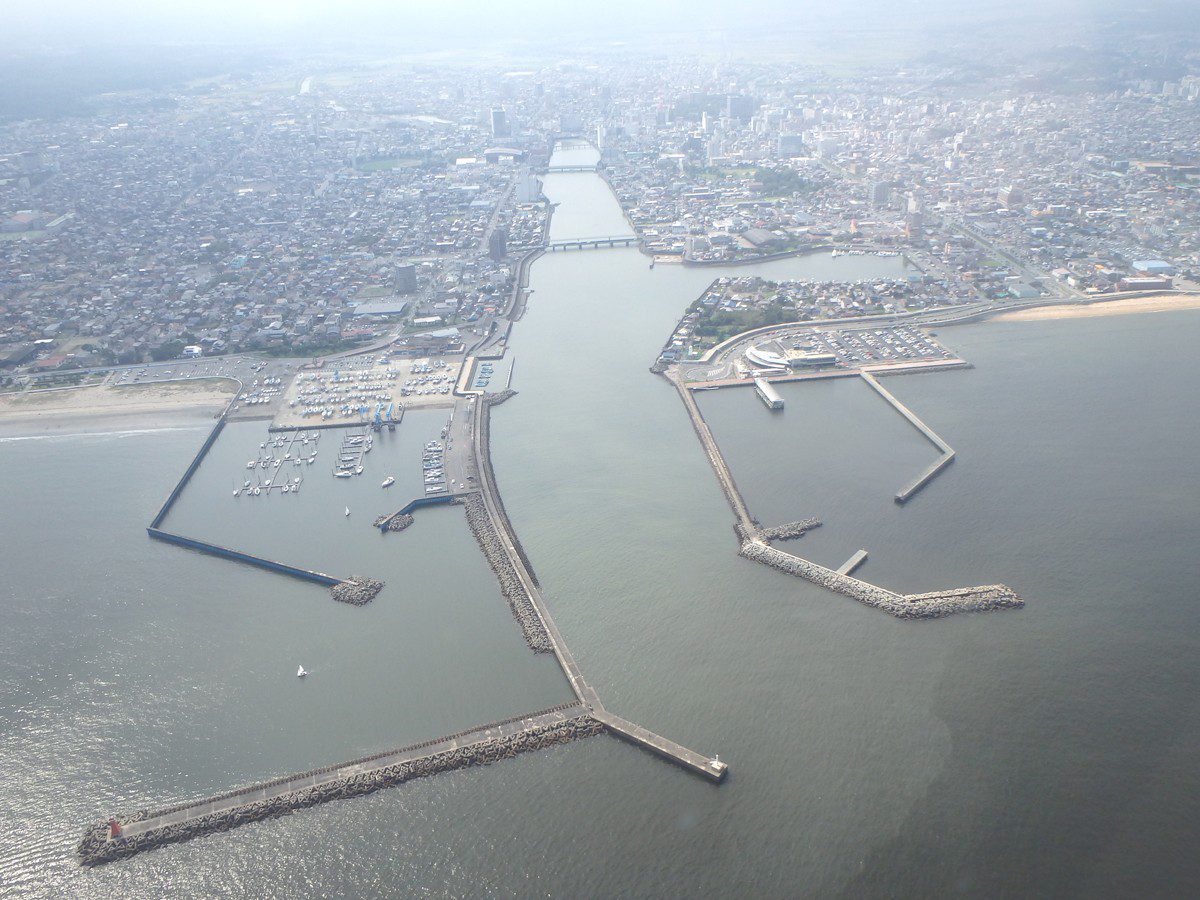
1. Port Authority and Jurisdiction
Tsumatsusaka Port (Matsusaka) is administered by the Mie Prefectural Government under the Port and Harbor Act of Japan. The port falls under the jurisdiction of the Mie Prefecture Port Administration Bureau, which oversees compliance with national and local maritime regulations.
2. Legal Framework
– Primary legislation: Port and Harbor Act (Act No. 218 of 1950), Maritime Traffic Safety Act (Act No. 151 of 1972), and Ship Safety Act (Act No. 11 of 1933).
– Local regulations: Mie Prefecture Port Regulations (Ordinance No. 12 of 1961, amended 2020).
3. Vessel Entry and Departure Requirements
– Mandatory prior notification: Vessels exceeding 20 GT must submit arrival/departure notices via Japan’s Electronic Port Clearance System (e-Port) at least 24 hours in advance.
– Required documents: Ship registry, crew list, cargo manifest, and last port clearance certificate.
– Special restrictions: Tankers carrying hazardous materials require additional approval from the Mie Prefecture Fire Defense Bureau.
4. Navigation Rules
– Speed limit: 8 knots within port limits (Mie Prefecture Port Regulations Article 14-2).
– Traffic separation: Follow designated channels marked by buoys (JP-107A/B/C system).
– Prohibited areas: No entry within 200m of fishing zones (marked by yellow buoys).
5. Mooring Regulations
– Designated berths: Cargo vessels must use assigned berths based on LOA (max 150m at main wharf).
– Mooring lines: Minimum 4 lines (2 head, 2 stern) for vessels under 5,000 GT, 6 lines for larger vessels.
– Fender requirements: Mandatory use of port-provided fenders at all berths.
6. Cargo Operations
– Hazardous materials: IMDG Code compliance required with additional Mie Prefecture approval for Class 1-3 materials.
– Loading limits: Max 10 tons/m² deck load capacity at general cargo berths.
– Operational hours: 0700-1900 (no night operations without prior permission).
7. Safety and Emergency
– Life-saving equipment: SOLAS-compliant devices must be ready for immediate use.
– Fire prevention: Mandatory fire watch during hot work, with port fire brigade notification.
– Oil spill response: Immediate reporting required for any discharge exceeding 10 liters.
8. Environmental Compliance
– Waste disposal: MARPOL Annex V strictly enforced; use designated reception facilities (Port Waste Management Plan No. 3-2021).
– Ballast water: Must comply with Japan’s Invasive Species Act (2004) with proper documentation.
9. Crew Management
– Shore leave: Permitted with valid seafarer’s ID but restricted to designated port areas.
– Medical emergencies: Must contact Port Health Office (PHO) via VHF Ch 16 before disembarking patients.
10. Enforcement and Penalties
– Inspection authority: Mie Prefecture Maritime Police conduct random inspections.
– Violations: Fines up to ¥500,000 for safety breaches (Maritime Traffic Safety Act Article 25).
– Detention: Vessels with critical deficiencies may be detained under ISPS Code provisions.
11. Port Services
– Pilotage: Compulsory for vessels >500 GT (Matsusaka Pilot Association).
– Tug assistance: Required for vessels >10,000 DWT (2 tugs minimum).
– Provisions: Available through licensed suppliers with 24-hour notice.
12. Port Security Measures
– ISPS Code Compliance: All vessels must maintain valid ISSC and submit Security Declarations 24 hours prior to arrival.
– Restricted Areas: Clearly marked zones (red signage) require authorized access only.
– Surveillance: 24/7 CCTV monitoring at all berths and port entry points.
13. Dangerous Goods Handling
– Storage Regulations: Class 1 explosives prohibited; Class 3-8 materials require bonded warehouse storage.
– Documentation: SDS must be submitted in Japanese or English (JIS translation accepted).
– Emergency Protocols: Mandatory pre-operation safety briefing with port HAZMAT team.
14. Vessel Traffic Services (VTS)
– Coverage Area: 5nm radius from port entrance (monitored on VHF Ch. 12).
– Reporting Points: Mandatory position reports at Waypoints JP-107A and JP-107C.
– Language: English/Japanese communication required for vessels >100 GT.
15. Port Charges and Fees
– Berthage Rates: ¥15,000/day for vessels <5,000 GT, ¥25,000/day for larger vessels.
– Pilotage Fees: ¥8,000 for entry/exit (vessels 500-10,000 GT).
– Waste Disposal: ¥5,000/ton for general waste (minimum charge ¥20,000).
16. Weather Restrictions
– Typhoon Procedures: Port closes when JMA issues Warning Level 3 (winds ≥20m/s).
– Fog Navigation: Vessels must anchor outside breakwater if visibility <500m.
– Current Alerts: Strong currents (>3 knots) trigger tug escort requirements.
17. Crew Health Protocols
– Medical Waste: Must be incinerated through port-approved contractors.
– Infectious Diseases: Immediate reporting required for suspected cases (Quarantine Act Article 12).
– Vaccination Records: Yellow Fever vaccination certificates checked for relevant crews.
18. Bunkering Regulations
– Fuel Sampling: Mandatory MARPOL Annex VI fuel samples taken during all bunkering operations.
– Spill Containment: Double-layer boom deployment required during bunkering.
– Notification: 48-hour advance notice for bunker quantities exceeding 500 tons.
19. Port Entry Restrictions
– Draft Limits: Max 9.5m at high tide (tidal range 1.8m).
– Air Draft: 28m clearance under harbor bridge (tide-dependent).
– Prohibited Vessels: Nuclear-powered ships require special cabinet approval.
20. Dispute Resolution
– Arbitration: Maritime claims handled through Nagoya Maritime Arbitration Commission.
– Appeals Process: 30-day window to contest port decisions with Mie Prefecture Government.
21. Anchorage Regulations
– Designated Zones: Anchorage Area A (north) for vessels <5,000 GT, Area B (south) for larger vessels.
– Holding Time: Maximum 72-hour stay without port permission.
– Anchor Watch: Mandatory for all vessels at anchor (bridge watch + deck patrol).
22. Port Communication Protocols
– Primary Channels: VHF Ch 16 (emergency), Ch 12 (port operations), Ch 09 (pilotage).
– Language Requirements: English mandatory for all safety communications.
– Response Time: Vessels must acknowledge port calls within 3 minutes.
23. Ship Repair Services
– Dry Dock Availability: 150m length capacity (advance booking required).
– Hot Work Permits: Issued only after gas-free certification by approved surveyor.
– Waste Handling: All repair waste must be containerized for licensed disposal.
24. Customs Procedures
– Clearance Hours: 0800-1700 weekdays (no weekend clearance without prior arrangement).
– Prohibited Items: Strict enforcement of Japan’s Customs Act (weapons, certain pharmaceuticals).
– Crew Declarations: Personal effects declarations required for items exceeding ¥200,000 value.
25. Port Infrastructure Specifications
– Berth Depths: Main wharf (-10m CD), Secondary wharf (-7.5m CD).
– Bollard Capacity: 50-ton SWL at all primary berths.
– Crane Availability: 2 mobile cranes (max 40-ton capacity), must book 24h in advance.
26. Fishing Vessel Interactions
– Priority Rules: Commercial fishing vessels have right of way in designated zones.
– Gear Clearance: Maintain 500m distance from active fishing gear (Mie Ordinance 34-2018).
– Reporting: Any gear contact must be reported immediately to Fisheries Cooperative.
27. Ice Navigation Procedures
– Winter Operations: No specific icebreaking services (port remains ice-free year-round).
– Deck Safety: Anti-slip measures required when temperatures fall below 5°C.
– Equipment Checks: Verify fire main insulation and emergency generator heating.
28. Port State Control
– Inspection Criteria: Tokyo MOU concentrated inspection campaigns apply.
– Deficiency Rates: 12-month average detention rate: 3.2% (2023 Mie Prefecture data).
– Appeal Process: 7-day window to contest PSC findings with Japan Coast Guard.
29. Small Craft Regulations
– Speed Limit: 5 knots within 200m of commercial berths.
– Mooring: Prohibited at cargo wharves without harbor master approval.
– Safety Gear: Mandatory life jackets for all persons aboard.
30. Historical Wreck Protection
– Protected Zones: No anchoring within 1nm of designated archaeological sites.
– Dredging Restrictions: Special permits required for operations near cultural heritage areas.
– Reporting: Mandatory notification of any discovered artifacts (Cultural Properties Act).
31. Port Lighting and Visibility Standards
– Navigation Lights: All berths equipped with ICAO-compliant LED lighting (minimum 50 lux).
– Obstruction Marking: Permanent structures marked with red obstruction lights (Civil Aeronautics Act).
– Emergency Lighting: Backup power systems activate within 15 seconds of outage.
32. Vessel Manning Requirements
– Minimum Crew: Bridge team must maintain 2 licensed officers during port operations.
– Language Proficiency: Deck officers require ICAO English Level 4 certification.
– Watchkeeping: Continuous engine room watch required while berthed.
33. Port Emergency Response
– Firefighting Capacity: 3 fireboats (5,000L/min pumping capacity) on standby.
– Oil Spill Equipment: 500m containment boom stockpile at north breakwater.
– Medical Response: Port clinic staffed 24/7 with trauma specialists.
34. Special Cargo Handling
– Oversized Loads: Requires 72-hour notice and route survey for items >5m width.
– Project Cargo: Mandatory stability calculations submitted for heavy lifts (>100 tons).
– Temperature Control: Reefer monitoring systems must interface with port EMS.
35. Port Entry Documentation
– Crew Certificates: Original STCW documents must be available for inspection.
– Insurance Proof: P&I coverage minimum ¥1 billion for vessels >10,000 GT.
– Sanitation Certificates: Valid Deratting/Exemption Certificate required.
36. Diving Operations
– Permit Requirements: 48-hour notice for commercial diving activities.
– Safety Zones: 50m radius exclusion zone during underwater operations.
– Emergency Plan: Diver recall procedures must be tested pre-operation.
37. Port Noise Regulations
– Night Restrictions: No cargo operations between 2200-0600 in residential zones.
– Decibel Limits: 75dB(A) maximum at property boundaries (Mie Noise Ordinance).
– Vessel Testing: Main engine trials prohibited on Sundays/holidays.
38. Navigation Aid Maintenance
– Buoy Verification: Monthly position checks conducted by Japan Coast Guard.
– Notice Period: 14-day advance notice for temporary aid displacements.
– Reporting: Malfunctioning aids must be reported immediately on VHF Ch 16.
39. Port Water Quality
– Discharge Limits: Bilge water must contain <15ppm oil content (continuous monitoring).
– Sampling Rights: Port authorities may take unannounced water samples.
– Ballast Exchange: Mandatory for vessels arriving from foreign ports.
40. Security Drills
– Frequency: Quarterly ISPS drills required for all port workers.
– Vessel Participation: Must conduct joint drills annually with port security.
– Documentation: Drill reports kept for minimum 3 years.
41. Tidal and Current Information
– Tidal Range: 1.8m (mean spring tide), 1.2m (mean neap tide).
– Current Patterns: Maximum flood current 2.8 knots at port entrance (direction 145°).
– Tide Tables: Official Japan Coast Guard tables must be carried aboard all vessels >20 GT.
42. Port Entry Restrictions for Special Vessels
– LNG Carriers: Require 72-hour advance notice and escort tugs during entire stay.
– RO-RO Vessels: Special ramp inspections conducted prior to cargo operations.
– Research Vessels: Scientific equipment deployment requires MEXT approval.
43. Port Labor Regulations
– Stevedore Standards: All port workers carry JISHA safety certification.
– Working Hours: Maximum 12-hour shifts with mandatory 8-hour rest periods.
– Dispute Resolution: Labor issues handled through Mie Prefecture Labor Bureau.
44. Vessel Sanitation Requirements
– Pest Control: Mandatory fumigation certificates for vessels from high-risk areas.
– Food Safety: Galley inspections conducted by Quarantine Station officers.
– Waste Storage: Separate containers required for food/organic waste (leak-proof).
45. Port Meteorological Services
– Weather Updates: JMA broadcasts every 3 hours on VHF Ch 16 (WX1).
– Storm Warning: Red flag system displayed at port entrance (3 levels).
– Visibility Monitoring: Automated system provides real-time fog alerts.
46. Dangerous Cargo Manifest Requirements
– Submission Format: IMO-standard form in triplicate (paper/electronic).
– Timeframe: Final manifest must be submitted 6 hours before departure.
– Verification: Random cargo checks conducted by Customs and Coast Guard.
47. Port Infrastructure Access
– Utility Connections: Standard 440V/60Hz shore power available at all berths.
– Water Supply: Potable water meets WHO standards (test certificates available).
– Access Control: Biometric ID required for all port facility entries.
48. Vessel Maintenance in Port
– Hull Cleaning: Prohibited without contained recovery systems.
– Stack Emissions: Continuous monitoring for vessels staying >24 hours.
– Underwater Inspections: Require prior environmental impact assessment.
49. Port Community System
– Data Sharing: Mandatory use of Port-Log for all documentation exchange.
– Cybersecurity: All connections require JIS Q 27001 compliant encryption.
– System Availability: 99.5% uptime guaranteed (maintenance windows announced).
50. Port Environmental Monitoring
– Air Quality: Continuous PM2.5 monitoring at 5 port locations.
– Water Sampling: Weekly tests for hydrocarbons/heavy metals.
– Noise Mapping: Quarterly surveys conducted per ISO 1996-2:2017.
51. Vessel Traffic Separation Scheme
– Lane Width: 500m for inbound, 500m for outbound traffic.
– Crossing Zones: Designated areas marked with special buoys (JP-107D/E).
– Speed Differential: Maximum 4 knot speed difference when overtaking.
52. Port Ice and Cold Weather Operations
– De-icing Procedures: Mandatory for all gangways and access points below 0°C.
– Equipment Protection: Engine pre-heating required for temperatures below -5°C.
– Visibility Aids: Enhanced navigation lights required during snowfall.
53. Port Security Zones
– Restricted Areas: Three-tier security system (red/amber/green zones).
– Access Control: Dual authentication required for high-security areas.
– Surveillance Coverage: 98% of port area under 24/7 video monitoring.
54. Special Maritime Events Procedures
– Regattas: 48-hour notice required for events affecting port operations.
– Fireworks: Prohibited within 1nm of fuel storage facilities.
– VIP Visits: Security sweeps conducted 4 hours prior to arrival.
55. Port Waste Management
– Segregation: 7-category system (MARPOL Annexes I-V).
– Hazardous Waste: Special containers for batteries/chemicals (UN-certified).
– Recycling: Mandatory for 65% of operational waste (Port Ordinance 12-2022).
56. Vessel Stability Requirements
– Minimum GM: 0.15m for all loading conditions in port.
– Free Surface: Max 5% of tank capacity for slack tanks.
– Cargo Shift: Immediate operations suspension if shift detected.
57. Port Communications Infrastructure
– Radio Coverage: 99.9% reliability within 10nm radius.
– Backup Systems: Dual-redundant fiber optic and microwave links.
– Emergency Channels: Dedicated satellite phone network available.
58. Port Entry for Military Vessels
– Notification: 14-day advance notice through diplomatic channels.
– Weapons Safety: All systems must be in safe mode during port stay.
– Crew Restrictions: Armed guards limited to vessel perimeter.
59. Port Accessibility Standards
– Disabled Access: All facilities comply with JIS X 8341-3:2016.
– Emergency Egress: Tactile guidance paths to all muster stations.
– Signage: Bilingual (Japanese/English) with Braille where required.
60. Port Incident Reporting
– Timeframe: Immediate for major incidents, 24 hours for minor events.
– Forms: Standardized JCG-1032 series reports mandatory.
– Investigation: Preliminary findings within 14 business days.


