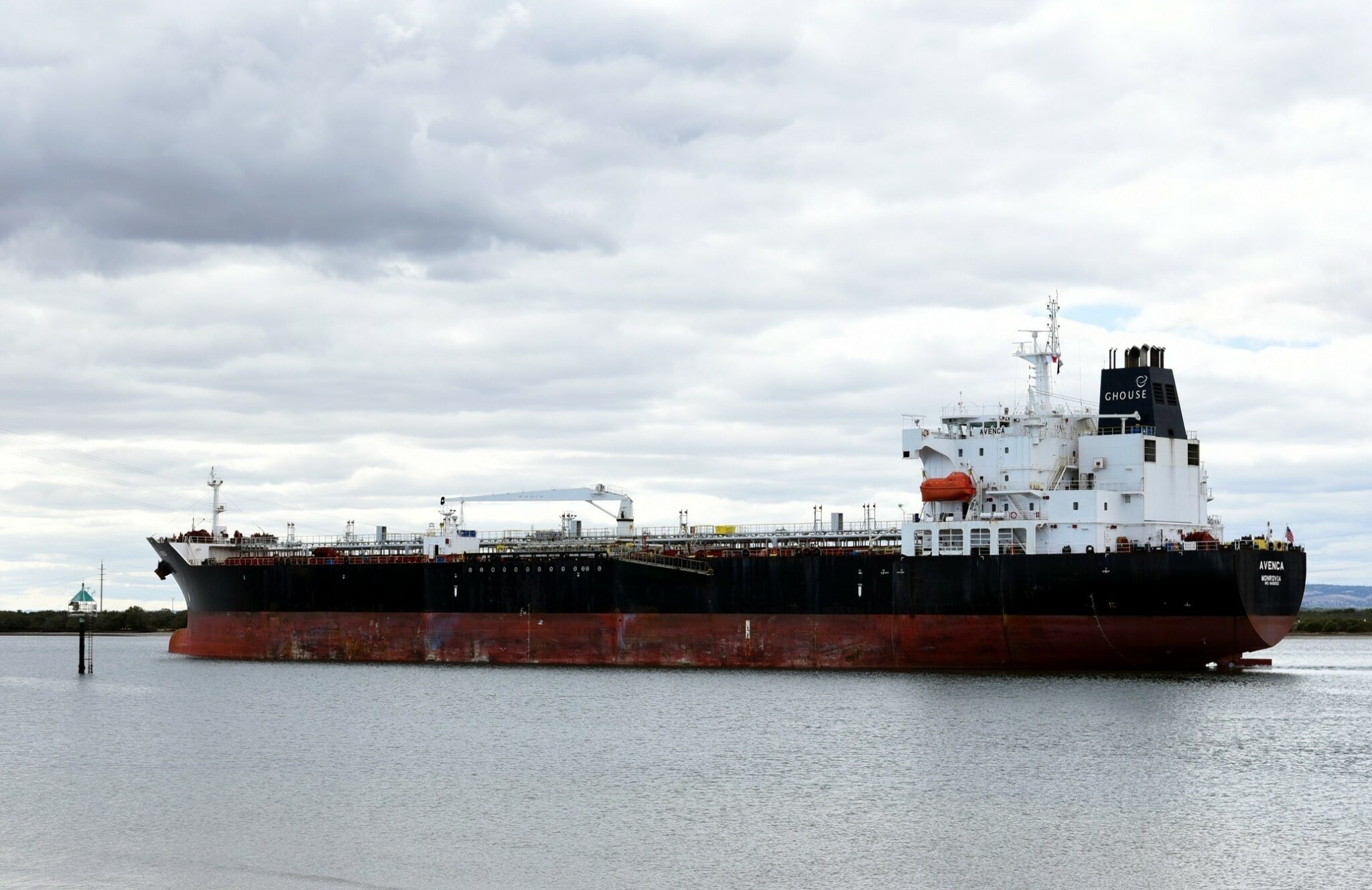
Source: DDW Offshore
According to shipping industry news, public data shows that so far this year, a total of 5 offshore support vessel orders have been generated globally, including 4 Anchor Handling Tug Supply vessels (AHTS) and 1 Platform Supply Vessel (PSV). These orders mainly come from Middle Eastern shipowners. Todd Jensen, Associate Director of Maritime Strategies International (MSI), pointed out that following the surge in orders after 2023, the current enthusiasm for newbuilding orders has returned to normal. The industry’s subsequent ordering demand will primarily focus on fleet renewal rather than expansion.
Although vessel demolition volumes remain near historical lows, the arrival of new capacity is expected to accelerate the withdrawal of older vessels. At the same time, geopolitical risks in the Middle East may pose potential constraints on vessel availability and redeployment.
The market predicts that offshore vessel charter rates will continue to strengthen from 2027 to 2028. The peak daily rate for 5,000 to 5,500 bhp AHTS in the Middle East market could reach USD 15,000; large AHTS continue to record the most substantial returns, with daily rates for 17,000 to 18,000 bhp vessels in Brazil expected to exceed USD 75,000. Meanwhile, deepwater oil and gas development in West Africa and South America continues to support PSV demand. As the offshore market enters a rebalancing phase, average daily rates are expected to soften towards the end of this decade.
Geopolitical conflicts drive up asset values, EPC tender pipeline remains ample
The Middle East conflict in 2026 reshaped the global crude oil market and geopolitical landscape, leading to significant disruptions in crude supply, rising energy prices, and a realignment of global crude oil trade flows, which had a major impact on oil prices. Although the market is expected to gradually recover over time, the medium to long-term effects of geopolitical divergence, global supply chain restructuring, and upgraded national energy security strategies will continue to permeate the entire industry chain, and the offshore support vessel sector will not be immune.
According to reports, MSI has slightly raised its valuations for second-hand offshore vessels since the first quarter of 2026. Higher oil prices, scarce newbuilding orders, and tight supply of age-appropriate second-hand vessels have jointly pushed up vessel prices. Trading activity in the second quarter remained relatively subdued, but notable transactions included DDW Offshore’s sale of the “Skandi Emerald” for USD 23 million, and the sale of two Bourbon AHTS vessels. The aging trend of the global fleet continues to support asset values, while Petrobras signing a USD 2 billion contract with DOF Group to build 4 Remotely Operated Support Vessels (ROVSV) confirms market optimism for long-term offshore oil and gas demand.
Oil and gas Engineering, Procurement, and Construction (EPC) project signings weakened in the first half of this year, with cumulative signed projects totaling approximately USD 15.2 billion as of mid-June. Brazil, driven by Petrobras’ large Floating Production Storage and Offloading (FPSO) units and subsea pipelines, risers, and flowlines projects, continues to dominate market activity. The Middle East, West Africa, Southeast Asia, the UK, and Guyana maintain a selective investment stance. The total global project pipeline tracked by MSI awaiting tenders amounts to USD 31.1 billion, with the Middle East and West Africa being the two core markets.
OSV demand remains strong, highly correlated with mobile offshore drilling unit activity. AHTS demand is expected to peak in 2027, with approximately 1,480 small vessels and 280 large vessels, before gradually slowing down towards 2030. Benefiting from the ongoing construction of FPSO units and drilling projects in West Africa and South America, PSV demand is expected to remain largely stable. Tight vessel supply, coupled with potential upside from recovering Middle East activity and more deepwater project approvals, continues to support the market outlook.
Looking at other factors influencing OSV demand, the number of fixed platforms is expected to decline by 4% by 2030 due to increased decommissioning, while floating platforms are expected to grow by 4% to 540 units, primarily driven by deepwater development projects in West Africa and South America. From the perspective of offshore vessel demand drivers, affected by the wave of oil and gas platform decommissioning, the number of fixed offshore platforms is expected to decrease by 4% by 2030; simultaneously, relying on deepwater project development in West Africa and South America, the total number of floating platforms will increase by 4% to 540 units.
Source: DOF Group
Second-hand valuations stable with slight uptick, aging vessels constrain trading activity
Driven by rising oil prices and sluggish newbuilding deliveries and orders, MSI’s second-quarter 2026 second-hand vessel valuation report shows another slight upward adjustment compared to the first quarter. According to the latest outlook, for AHTS in the 5,000 to 5,500 bhp class, a 5-year-old vessel can reach a price of USD 14 million, while a 10-year-old vessel is valued at USD 10.7 million. Prices are expected to remain relatively stable in 2027 but will decline towards the end of this decade as new vessels enter the market and oil prices fall. By 2030, the valuation of a generic 5-year-old vessel is projected to drop to USD 12.3 million, and a 10-year-old vessel to USD 9.1 million, corresponding to average annual compound declines of 1% and 3% respectively.
Prices for PSVs of 3,000 to 3,500 deadweight tonnage have also been revised upwards. In MSI’s first-quarter report, the valuation for a 5-year-old PSV was USD 21.9 million, which was raised to USD 22.6 million in the second quarter. This upward revision is also attributed to factors such as tight supply and insufficient newbuilding deliveries. However, as shipowners face fleet renewal needs, a certain number of newbuilding orders are expected. The second-hand price for this type of vessel is projected to fall back to USD 17 million by 2030, an average annual compound decline of 2%.
The scarcity of age-appropriate second-hand vessels is the core pain point constraining the second-hand market. Currently, 47% of the global combined AHTS and PSV fleet is over 15 years old. Most shipowners are reluctant to purchase aging vessels, significantly reducing the pool of quality vessels available for actual purchase. Coupled with persistent difficulties in vessel financing, this further constrains trading activity in the second-hand vessel market.