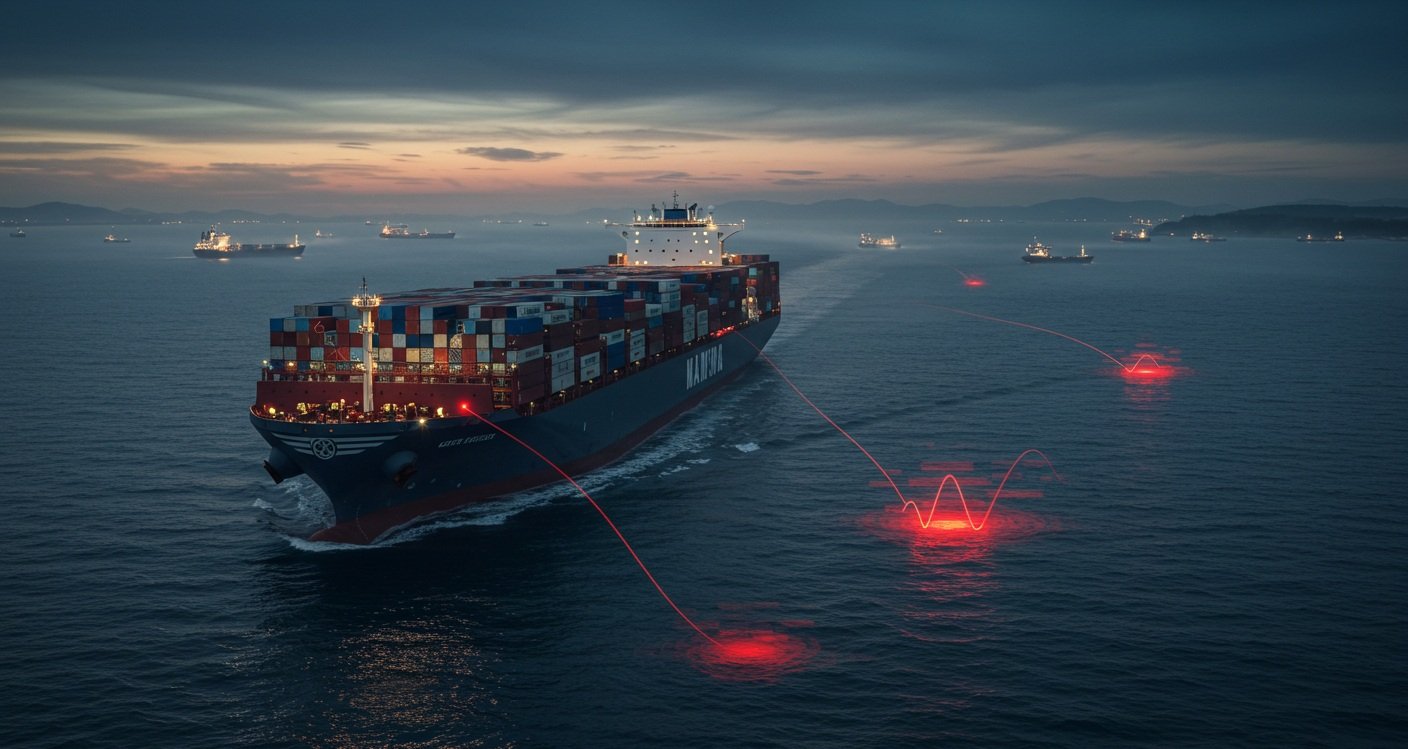
In commercial shipping, the current complexity of the Strait of Hormuz and the proliferation of shadow vessels are testing traditional AIS tracking systems, revealing the limitations of ‘black-box’ monitoring with the risk of false alarms or inadvertent sanction violations for insurers, shipowners, and compliance offices.
In this scenario, the tech-company Huax has developed the ‘glass-box’ approach, an analysis system aimed at verifying the authenticity of satellite signals by isolating them from technical anomalies or jamming and spoofing interventions. SHIPPING ITALY discussed this with Arsenio Longo, founder and CEO of the company, and with Maria Grazia Del Prete, head of the analytical team, analyzing the application of behavioral models to maritime security and examining how these tools extend from the merchant fleet to the superyacht sector.
Arsenio Longo, agencies are reporting an increase in transits at Hormuz after the provisional agreement between the US and Iran. What emerges from your satellite monitoring?
“Our satellite streams confirm strong variability and daily fluctuations in the field: the situation is by no means normalized. We are recording a sharp decline in transits compared to ordinary flows and, above all, a very high number of commercial units remaining stationary waiting in the area with their AIS systems completely switched off. There is widespread distrust among seafarers and shipowners, who fear a sudden deterioration of events despite the temporary political agreements. This uncertainty has a direct impact on insurance costs for transit, which remain very high and effectively block the true recovery of ordinary traffic.”
It is in this context that the ‘dark fleet’ operates. What are the real operational and logistical risks you encounter when analyzing these vessels?
“We have already cataloged over 1,200 vessels belonging to the dark fleet. These are old units that continuously change flag – one day they are registered under one jurisdiction and the next day under the Marshall Islands – to move through the seas off the radar. But going beyond the political and economic aspect, the damage is enormous from an environmental and logistical perspective. Signal anomalies and forced stops create bottlenecks in ports, where we often record delays of 2 to 3 days. For the end user and the entire shipping chain, even a single day of stoppage carries very high financial costs and, furthermore, involves tons of CO2 emissions dispersed uselessly. Our algorithm analyzes these behaviors and detects anomalies even before these vessels are officially placed on sanction lists.”
Many operators complain about inefficiencies and gaps in AIS systems. How do you distinguish a simple technical error from an intentional manipulation of the route?
“AIS data almost never arrives in a linear fashion. In some areas, such as the West African coast, signals constantly drop out both due to environmental reasons and sea conditions, and due to human interventions on the system.
Un semplice bollino rosso automatico non è in grado di fare distinzioni e genera falsi allarmi.
Per questo, attraverso il lavoro costante della dottoressa Maria Grazia Del Prete e del nostro team di sviluppo, abbiamo implementato un software proprietario che riceve e pulisce i dati grezzi, ricostruendo la cronologia effettiva dei segnali per identificare se si parli di anomalie tecniche o di dati falsificati tramite jamming, trolling o spoofing. Questo ci permette di fornire una ‘glass box’: non diamo solo un punteggio di rischio, ma spieghiamo la motivazione verificabile dietro a quella valutazione. È un servizio d’analisi storica – su cui stiamo preparando accordi importanti per entrare nel mercato con partner come Polestar Global –, sfruttato da operatori del mercato assicurativo /Lloyd’s market per le ricerche su navi e merci, mantenendo tutti i dataset protetti su server europei.”
Come si ricalibra il modello di rischio per imbarcazioni che si muovono per scopi puramente privati come nel diporto?
“Per il diporto serve un approccio basato su principi totalmente diversi rispetto al commerciale, per questo abbiamo creato un algoritmo dedicato. Uno yacht ha una sua stagionalità, può fare charter privato e tornare ripetutamente nelle stesse posizioni. Questo comportamento, che per una nave commerciale rappresenterebbe un alert, nel privato è la norma e il sistema sa ricalibrarlo.
La nostra analisi effettua uno screening su una finestra temporale che va dai 12 ai 18 mesi. Andiamo a verificare la traccia operativa dello yacht per capire se ha navigato in acque non coperte dalla propria assicurazione – come il Mediterraneo orientale, Cipro, Israele, o se si è spinto verso Dubai, il Mar Rosso e la Somalia. Inoltre, analizziamo dove la nave è registrata, ad esempio a Barbados o alle Cayman, per verificare se il profilo tributario sia pienamente coerente con i movimenti reali tracciati in mare.”
Nel diporto la privacy è considerata un diritto fondamentale. Come si concilia questa riservatezza con la trasparenza richiesta oggi da banche e assicurazioni?
“Il nostro sistema non annulla la privacy necessaria, ma mantiene il giusto equilibrio con la trasparenza basandosi sul contesto e sulla proporzione. Si può tutelare la riservatezza delle persone a bordo e, nello stesso tempo, fornire alle compagnie uno storytelling lineare e coerente della storia della barca.
Oggi avere una storia chiara è un valore aggiunto fondamentale sia per chi vende sia per chi compra. Ci siamo trovati a parlare con un armatore esperto che anni fa acquistò una nave senza sapere che nel passato avesse avuto problematiche legali; si è ritrovato in forte difficoltà quando le autorità hanno avviato le indagini. Lo abbiamo visto anche in casi complessi e sensibili come la vicenda dello yacht Amadea. Quando si va ad assicurare o a finanziare un megayacht tramite una società di intermediazione, poter dimostrare una storia operativa pulita ed esente da sanzioni pregresse tutela l’armatore da brutte sorprese e permette alle compagnie assicurative e agli istituti di credito di approvare le pratiche con molta più facilità.”