British media pointed out that after the US and Iran held talks in Switzerland, more than 400 large vessels have gathered in the waters off the eastern side of the Strait of Hormuz.
The British Financial Times reported on Monday (June 22) that due to the incomplete implementation of the ceasefire arrangements and related security mechanisms between the US and Iran, many oil tanker operators are reluctant to set sail before the US and Iran consolidate the ceasefire agreement.
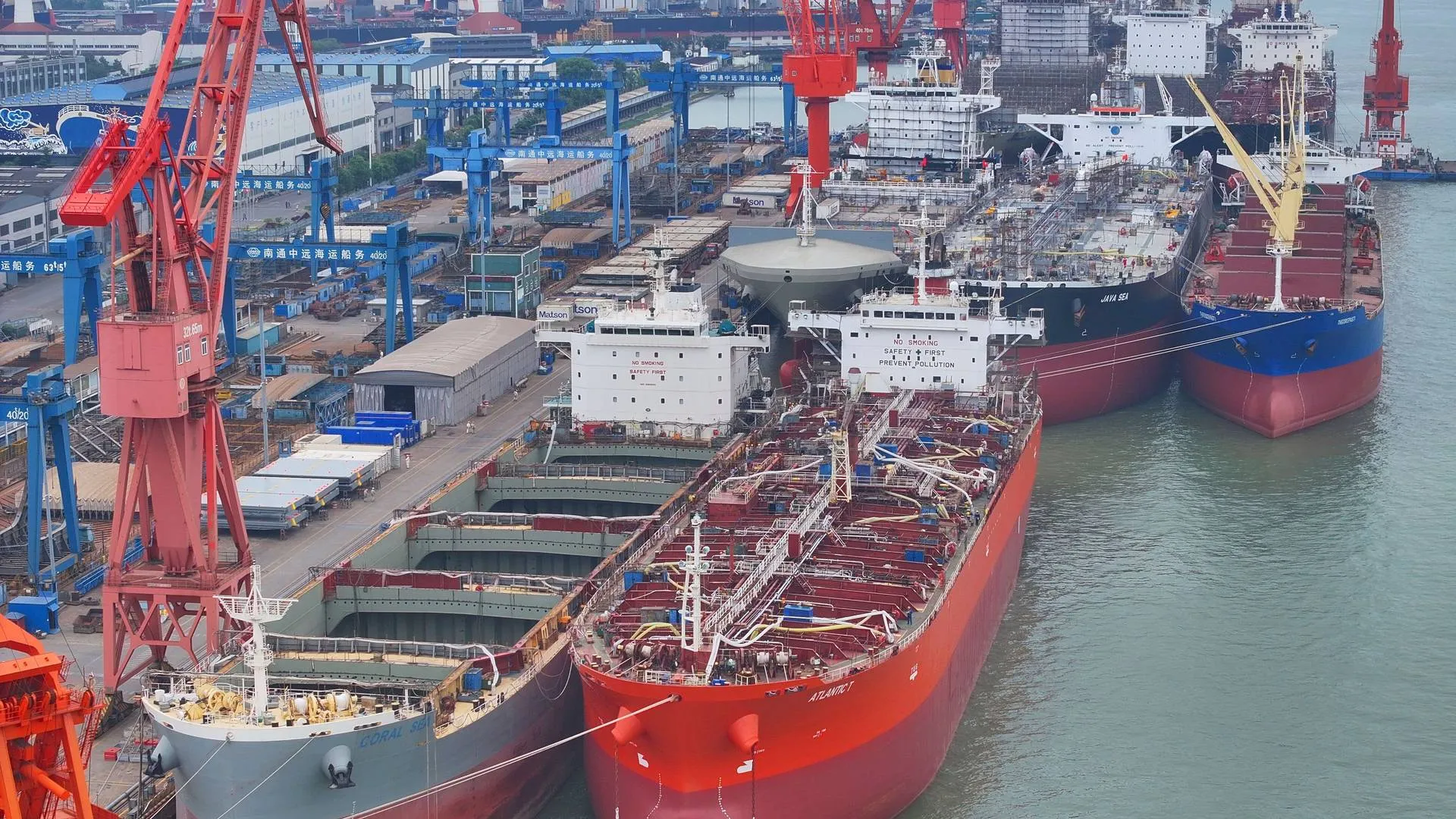
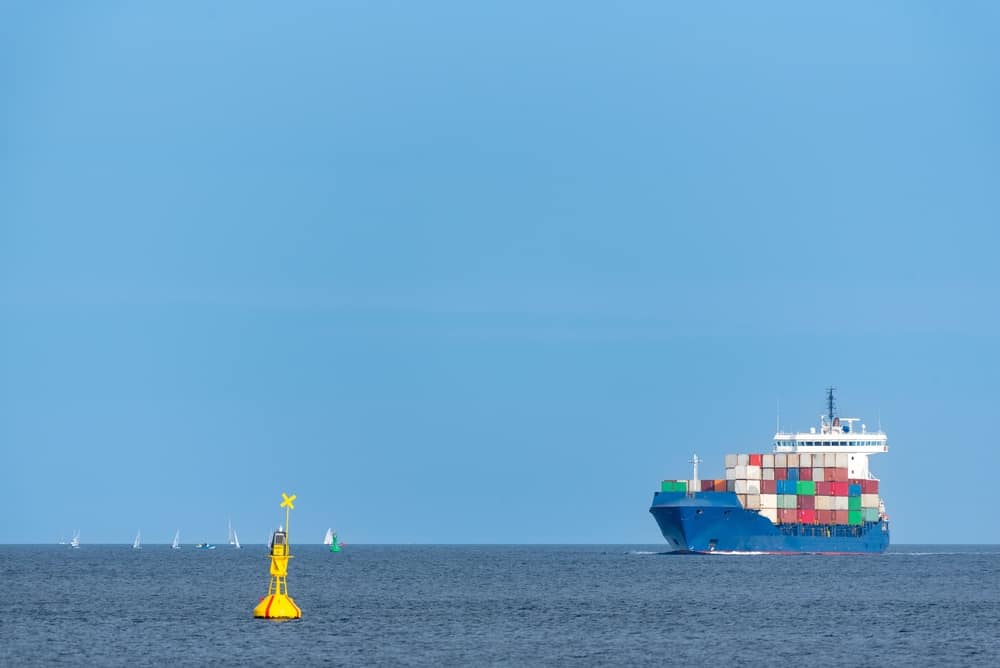
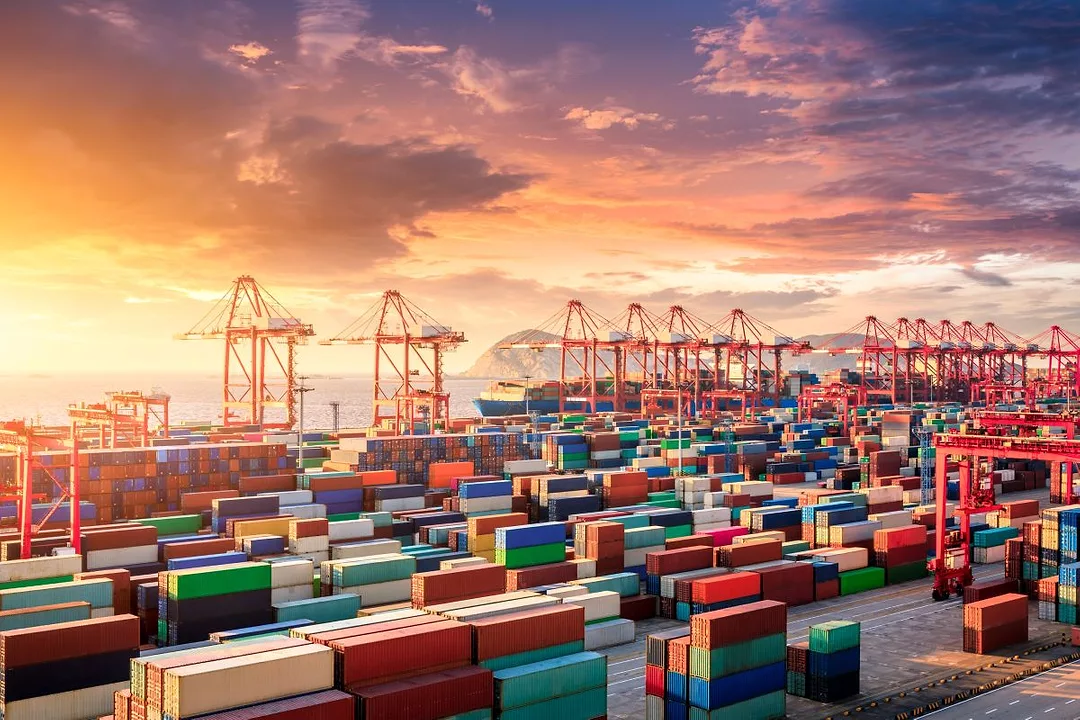
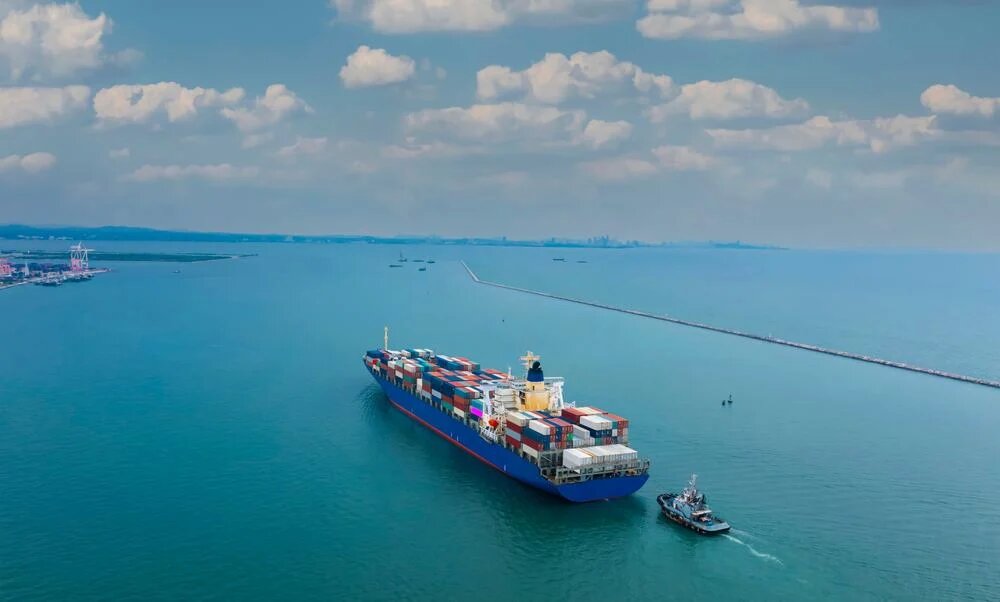
An analysis of European Space Agency satellite data by the Financial Times found that at 2:15 PM Greenwich Mean Time on Sunday (21st) (10:15 PM Singapore time), 441 large oil tankers were gathered in the waters near Oman’s Port of Sohar and the UAE’s Port of Fujairah. These two ports are the main ports on the eastern side of the Strait of Hormuz.
The report stated that the number of vessels on Monday afternoon was significantly higher than normal, but decreased by 42 compared to five days earlier.
According to Xinhua News Agency, after Iran and the US previously announced the signing of a memorandum of understanding, some shipping companies temporarily resumed navigation amid the easing of tensions. However, after Israel launched an attack on Lebanon, Iran again announced the closure of the Strait of Hormuz.
Nevertheless, the Financial Times said that although the final agreement has not yet been finalized, confidence among some shipowners has somewhat recovered. On Monday morning, a total of four Qatari liquefied natural gas tankers passed through the Strait of Hormuz, the highest single-day number since the outbreak of the US-Israel-Iran conflict at the end of February. Additionally, after the US agreed to lift the maritime blockade on Iran, Iranian oil tankers have been able to enter and exit the Gulf more smoothly.
Delegations from the US and Iran held negotiations in Bürgenstock, Switzerland, on Sunday. Currently, both sides are continuing technical consultations. US media quoted a senior US diplomat as saying that the discussions included “clarifying some confusing information from Iran regarding the Strait of Hormuz and establishing a conflict resolution mechanism to ensure the strait remains fully open.”
The Strait of Hormuz connects the Persian Gulf and the Gulf of Oman and is one of the world’s key energy transport routes. Market analysts believe that the normalization of shipping traffic still depends on whether a final agreement between Iran and the US can be reached and whether the regional security situation can continue to improve.
Disclaimer: This article is reproduced for the purpose of conveying more information. If there are errors in source attribution or infringement of your legitimate rights and interests, please contact us with the relevant supporting documents, and we will promptly correct or delete it. Thank you.