It also created an unexpected beneficiary: the Panama Canal, which is expected to see a significant increase in revenue, as more ships turned to the Central American route to replace lost cargo from the Middle East.
According to statements by the financial director of the Panama Canal Authority, Victor Vial, revenues appear to be increasing by up to 15%, while daily transits increased from about 34 before the conflict to an average of 38, with data also showing days with 40-41 crossings.
This rise was clearly reflected in the official statistics for April, with the Canal handling an average of 38.7 ships per day, of which 28.4 via the old panamax locks and 10.3 via the larger neopanamax locks. This is the highest monthly level in at least the last 3.5 years.
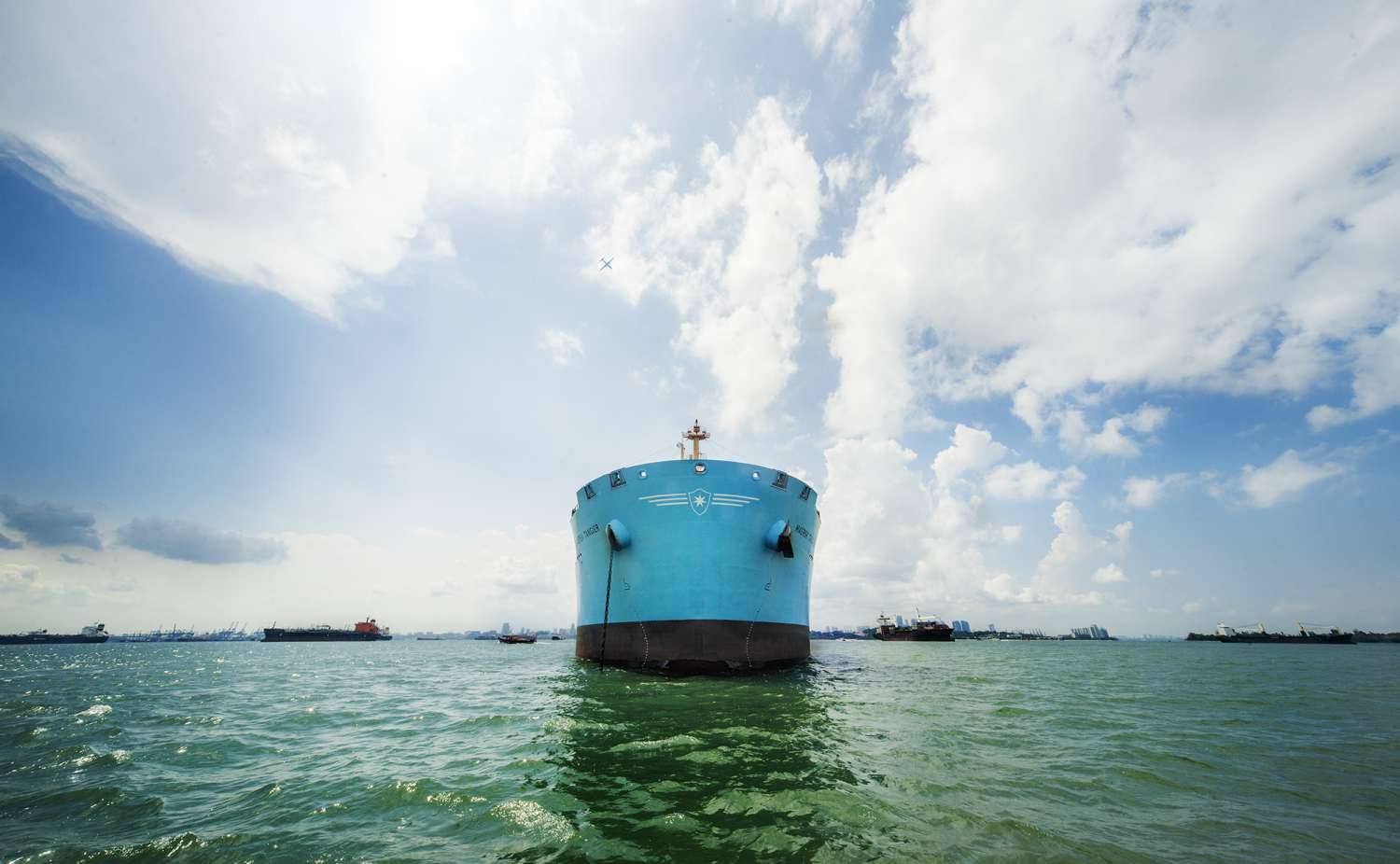
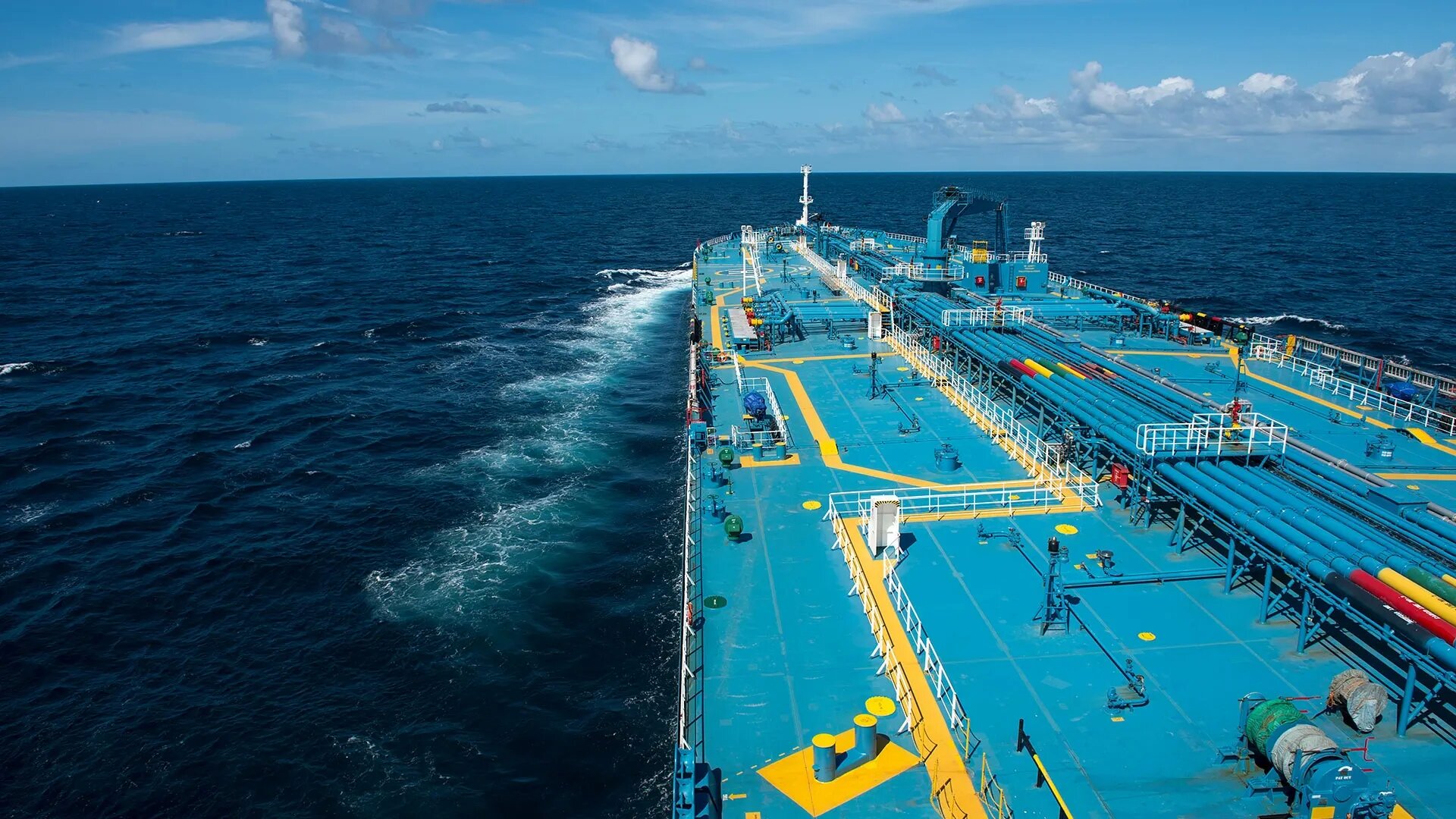
The main driver of this rise was tankers, as the loss of cargo from the Persian Gulf led buyers in Asia to seek barrels from the Atlantic basin, using medium-sized or smaller tankers that can pass through the Canal.
In April, 313 tanker transits were recorded through the panamax locks, a level increased by 51% compared to the average of the period before the Hormuz crisis.
At the same time, tanker transits through the neopanamax locks reached 29 (four times the pre-crisis average).
In total, 342 tankers were handled through the Canal in April, a number increased by 60% compared to the pre-crisis period.
This picture is even more impressive if combined with the data from March. At that time, the Canal had already reached 1,148 total transits, the highest monthly level since December 2021, with the first sharp increase again coming from tankers.
Regarding the total traffic in the Canal, the rise in tankers was partially offset by a decline in other categories.
At the neopanamax locks, containerships remained essentially unchanged on a monthly basis, while VLGCs fell to 74 transits in April (a 24% drop compared to March).
This decline indicates that most American LPG cargoes to Asia chose the longer passage via the Cape of Good Hope, a development that had a positive effect on freight rates.
However, there was also a second source of support, with LNG carrier transits through the neopanamax locks reaching 12 in April, the highest level since December 2023.
On the financial side, this upward trend is already reflected in the Canal’s overall results. Net profit for the last published period amounted to 2.3 billion dollars, on revenues of 3 billion dollars.
This magnitude shows that the increase in traffic translated not only into a greater number of transits, but also into a substantial strengthening of profitability, confirming that Panama currently functions not only as a strategic hub of global trade, but also as a direct economic beneficiary from the rearrangement of maritime flows.
In order for more articles from Naftemporiki to appear in your searches easily and quickly, you must add the site to your preferred sources. You can do this by going here.