/ Agencia EFE
The Government of Panama asked China to respect the country’s Constitution, after stating that Chinese authorities requested interference in the ruling of the Panamanian supreme court that led to the forced exit of a Chinese operator from two terminals near the Canal and the subsequent increase in the detention of Panamanian-flagged vessels in ports of the Asian country.
Within the framework of the General Assembly of the Organization of American States (OAS), being held in Panama, the Panamanian Minister of Foreign Affairs, Javier Martínez-Acha, reacted thus to an intervention by China’s permanent observer to the organization, Xie Feng, who urged “Panama again to correct its errors and protect the legitimate and legal rights and interests of Chinese companies.”
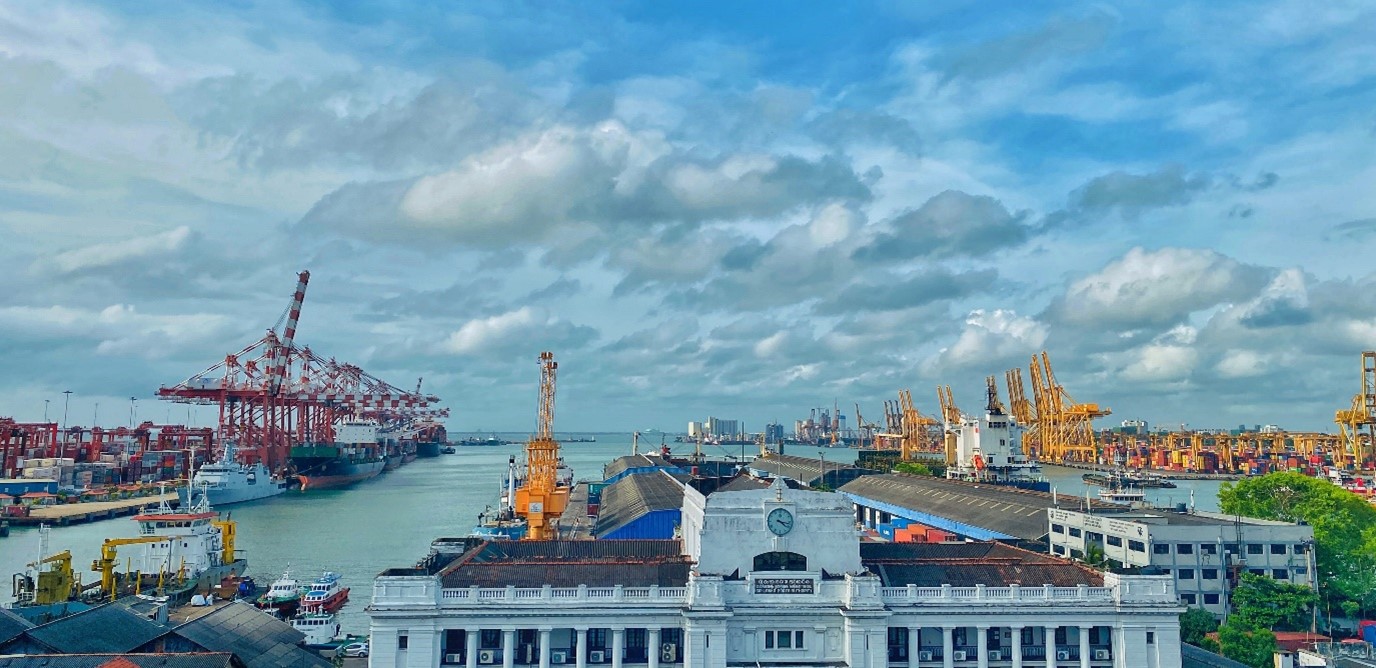
The case dates back to the beginning of the year, when the conglomerate CK Hutchison left the operation of two ports located near the Canal after the Panamanian Supreme Court declared the concession, granted in 1997, and its automatic renewal in 2021, unconstitutional.
According to Xie, “if contracts could be ignored, market principles ignored, assets seized and operators expelled at any time, who would have confidence to invest and seek cooperation?”, and he assured that the Supreme Court’s decision had “a political motivation.”
In response to the statement by the Chinese representative before the OAS, the Panamanian chancellor reminded him that Panama is a democracy and has separation of powers, while “your country is different from mine.”
“I have to tell you that Panama respects its diplomatic relations with all countries, those present here, of course. But my country and my government and my president respect our Constitution much more. The ruling of the Supreme Court of Justice was clear, the renewal of the concession did not meet the requirements of my country,” stated Martínez-Acha.
Thus, he added, “I must say that your representatives in my country do not understand the democratic system of Panama.
I have been asked several times to intervene in a decision of a body with separation of powers to reverse a ruling that the only thing my government can do is obey it.”
“I invite you to de-escalate, I invite you to speak respectfully, but I invite you to respect my Constitution as I respect yours,” stressed the Panamanian chancellor.
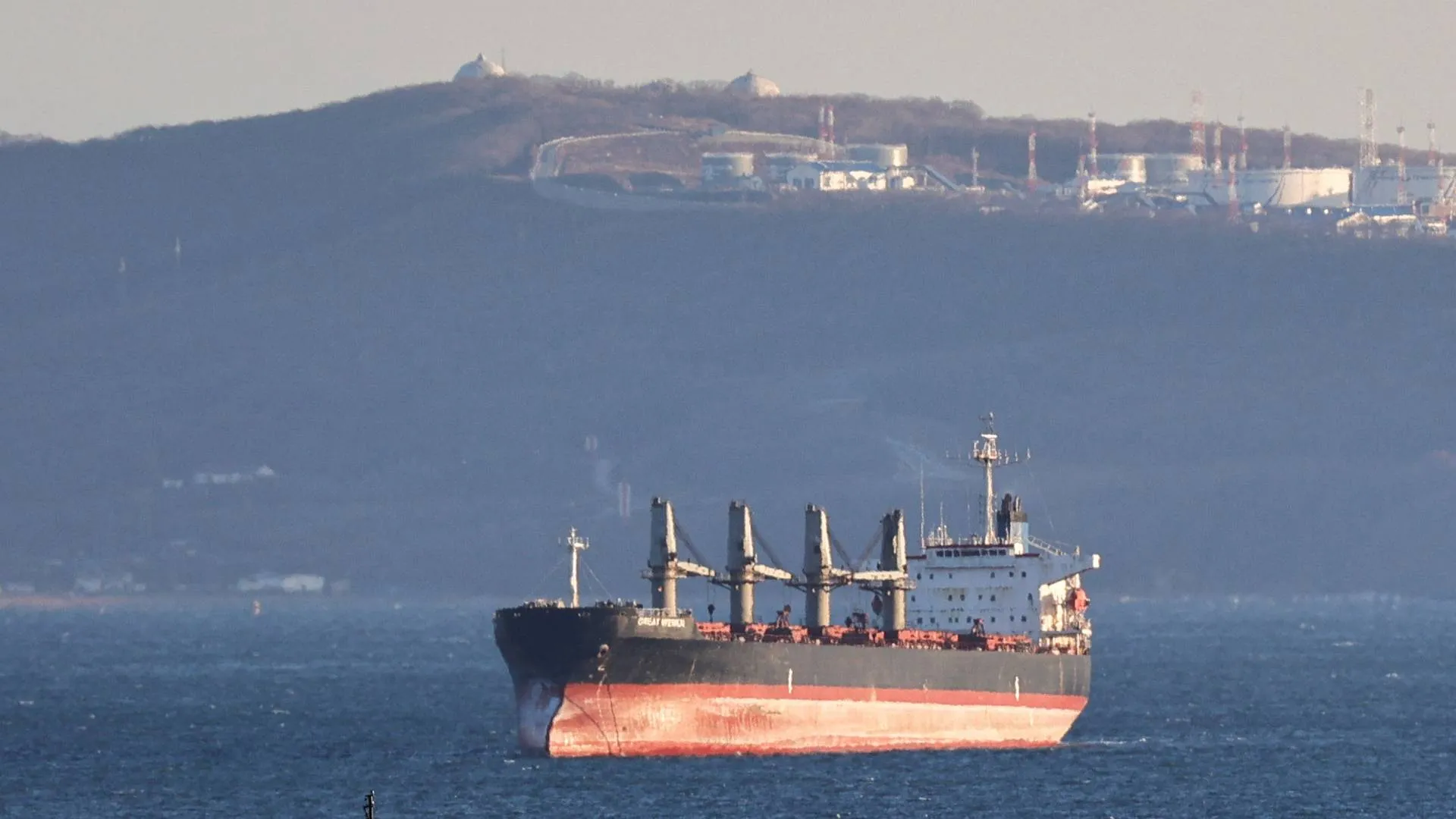
At the beginning of his speech, the permanent observer of China before the OAS addressed the issue of the Central American country’s complaints about an increase in the detention of vessels flying the Panamanian flag in Chinese ports, which is seen by Panama as a reaction to China’s departure from the ports on the Canal.
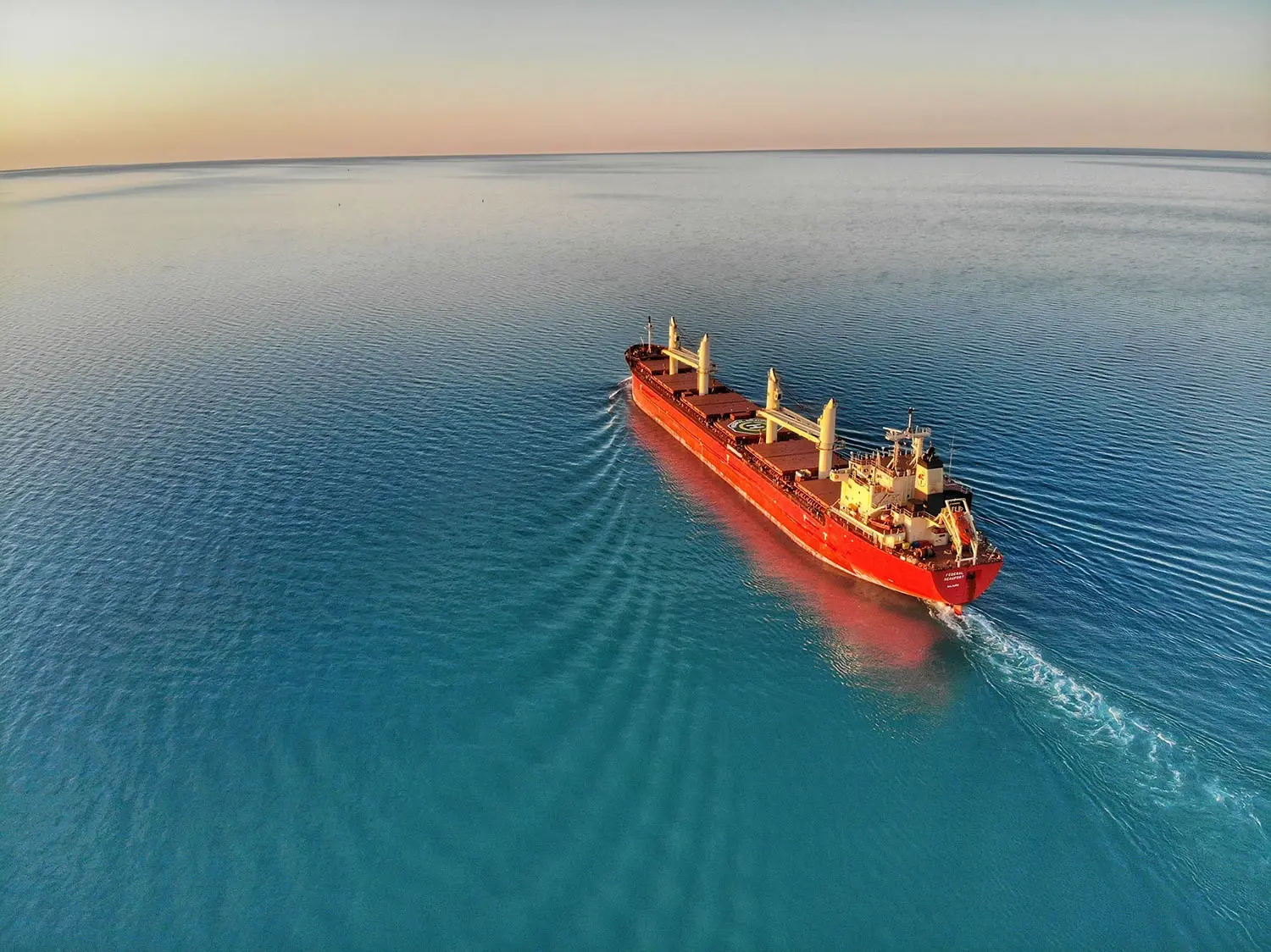
Xie said that “China always attaches great importance to maritime traffic and the safety of personnel” and that since the beginning of the year, ships flying the Panamanian flag — the Panamanian merchant fleet is one of the largest in the world with more than 8,000 flagged vessels and 233.2 million gross registered tons — had been involved in “three consecutive collisions” that left five dead or missing.
Thus, “out of a sense of responsibility for maritime safety, including the safety of ships and especially of personnel, China has carried out control inspections” in its ports, but stressed that “they do not target any specific country or flag and are completely legitimate.”
But the Panamanian chancellor replied that, although they have the right to carry out those inspections, it is strange that they only occur in Chinese ports and not in other Asian ones, and also “the increase is substantially higher than what existed before the ruling of the Supreme Court of Justice.”
Precisely one day earlier, the Panamanian President, José Raúl Mulino, denounced during the opening of the OAS General Assembly that the number went from 30-40 detentions in Chinese ports to 140, without “any correlation or justified cause,” leading more than 200 ships to decide to change flags.