Overall non-compliance rate improves slightly on pilot transfer arrangements
The results of the International Maritime Pilots Association (IMPA) 2026 Safety Campaign on pilot transfer arrangements, highlight that the overall non-compliance rate has improved slightly to 13% compared to the previous year, with pilot ladders remaining the leading source of non-compliant observations.
Around the clock and across the globe, maritime pilots transfer to and from vessels of every size in all weather conditions and throughout every season. The work is inherently hazardous, yet it remains essential to the safe and efficient movement of ships in and out of ports.
This year’s campaign attracted participation from members from 34 countries submitting a total of 4,051 entries.
Key findings of the IMPA 2026 Safety Campaign
- 13% non-compliance rate
- 4051 reports
- 740 number of pilots participating
- Highest rates of noncompliance found in Asia / Middle East (24%) and Africa (22%)
- No significant change to historic non-compliance trends – Pilot ladders remain the leading source of non-compliant observations
- 35% of non-compliant reports included pilot ladders not secured to strongpoints
- 89% of non-compliant observations were not reported to port State authorities
Ship types
A total of 4,051 vessel inspections were recorded across a wide range of ship types. Bulk carriers accounted for the largest share, with 952 inspections, of which 837 were compliant and 115 were non-compliant, resulting in a non-compliance rate of 12%.
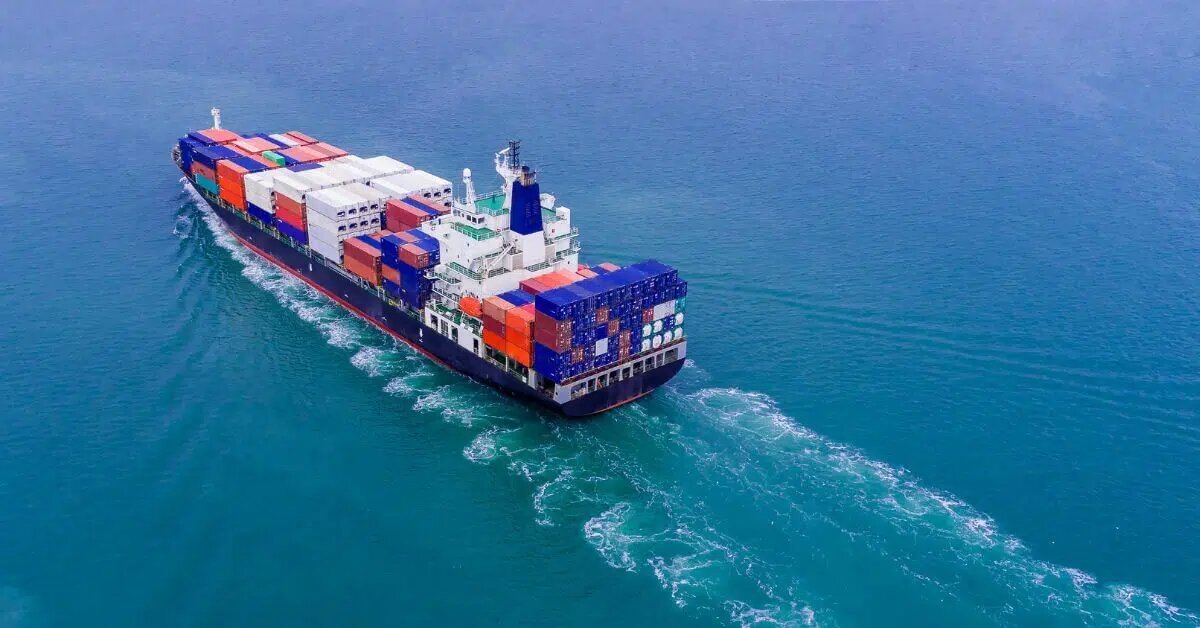
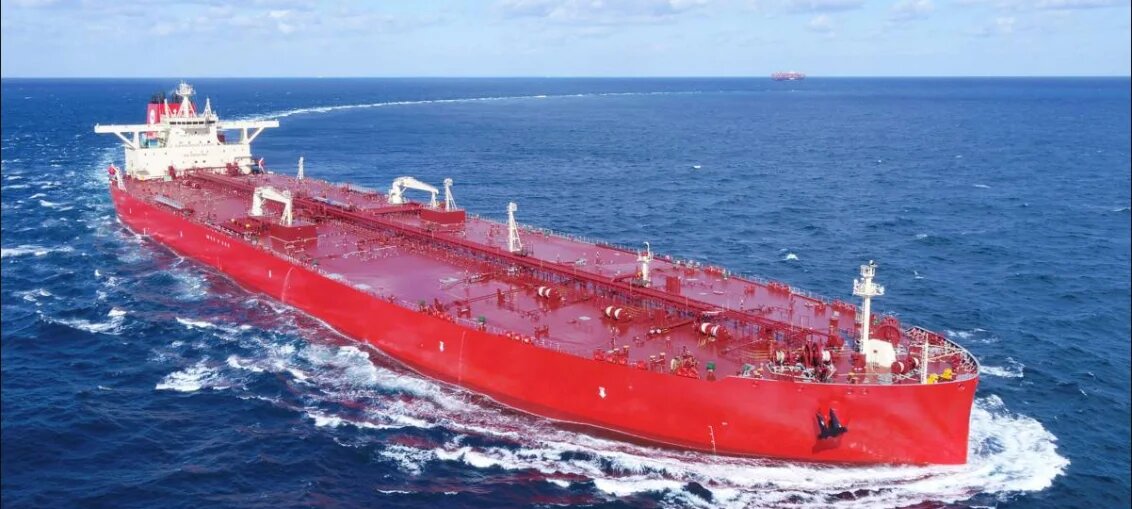
Container ships followed closely with 938 inspections and recorded the highest number of non-compliant cases at 175, giving a non-compliance rate of 19%. Oil and product tankers represented 839 inspections, with 87 instances of non-compliance, equivalent to a 10% non-compliance rate.
Among other major vessel categories, general cargo ships recorded 450 inspections and a 13% non-compliance rate, while RORO cargo ships achieved one of the strongest performances among high-volume vessel types, with only 9% of inspections found to be non-compliant. Cruise ships recorded a 12% non-compliance rate across 182 inspections.
In addition, LNG and gas carriers recorded a 12% non-compliance rate, while offshore support vessels (OSVs) achieved a rate of 6%. ROPAX vessels and other passenger ships recorded higher rates of 22% and 26% respectively.
The highest non-compliance rate among vessel categories was recorded on fishing vessels at 50% followed by naval and auxiliary vessels at 37%, although both categories were represented by small sample sizes. Superyachts recorded a 25% non-compliance rate, while reefers reported 20%.