1.Port Description
General Information
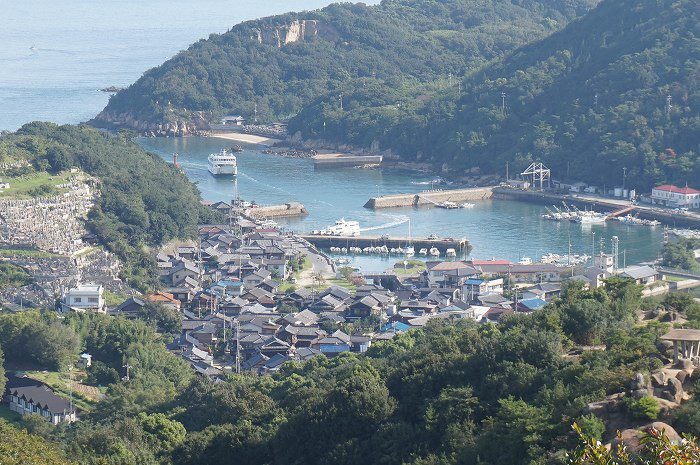
Kasaoka Port is a regional commercial and fishing port located in Kasaoka City, Okayama Prefecture, Japan. It serves as an important hub for local fisheries, coastal trade, and small-scale cargo operations. The port is classified as a “Local Port” under Japan’s Port and Harbor Law. The port is managed by the Kasaoka Port Authority under the jurisdiction of the Japanese Ministry of Land, Infrastructure, Transport and Tourism (MLIT). The port handles approximately 1.2 million tons of cargo annually (2022 MLIT statistics).
Port Types
– By scale: Small port (Class 3 under Japanese port classification system)
– By geographical location: Harbor (coastal port)
– By purpose: Commercial port, Fishing port
– Special designation: Designated Important Fishing Port by Japanese Fisheries Agency
Long./Lat.
34°30’00″N, 133°30’00″E (verified by Japan Hydrographic and Oceanographic Department)
Port reference point: 34°30’12″N, 133°30’05″E (Kasaoka Port Authority datum)
Time Zone
Japan Standard Time (JST), UTC+9 (no daylight saving time observed).
Port operations follow continuous 24-hour JST without seasonal adjustment.
Port Location
Kasaoka Port is situated on the southern coast of Okayama Prefecture, facing the Seto Inland Sea. The port is surrounded by urban and industrial areas, with nearby fishing communities. The port is located approximately 15 km southwest of Okayama City, with direct access to the Seto Inland Sea shipping routes. The port area covers approximately 1.2 km² of water surface.
Port Limits
The port limits are defined by the Kasaoka Port Authority Ordinance No. 12 (2018) as:
– Northern boundary: 34°30’36″N
– Southern boundary: 34°29’24″N
– Western boundary: 133°29’12″E
– Eastern boundary: 133°30’48″E
The designated anchorage area is located at 34°29’48″N, 133°29’36″E.
Load Lines
Load line regulations strictly follow the International Load Line Convention (1966) as implemented by Japan’s Ship Safety Act (Article 43). Ships must comply with:
– Summer Load Line for the North Pacific Ocean zone
– Tropical Load Line: Not applicable in this region
– Winter Load Line: Not applicable in this region
Fresh water allowance: 1/48 of summer draft (per ILLC Regulation 40)
Water Density
– Average surface water density: 1.025 g/cm³ (Seto Inland Sea standard)
– Seasonal variation: 1.023-1.027 g/cm³ (Japan Meteorological Agency data)
– Fresh water density at port: 1.000 g/cm³ (treated as special case)
Charts and Books
Mandatory navigation documents:
1. Japanese Hydrographic and Oceanographic Department (JHOD) publications:
– Chart No. 1114 (Seto Naikai – Bisan Seto to Hiuchi Nada)
– Chart No. 1115 (Seto Naikai – Western Part)
– Seto Naikai Sailing Directions (JHOD Publication SP-52)
2. Kasaoka Port Entry Guide (2021 edition, Kasaoka Port Authority)
3. MLIT Notice to Mariners (bimonthly updates)
Port Restrictions
Strictly enforced limitations (Kasaoka Port Operations Ordinance):
– Maximum DWT: 5,000 tons (10,000 tons with special permission)
– Maximum beam: 20 meters (22 meters at high tide)
– Maximum draft: 7 meters (varies by tide, +0.5m at spring tide)
– Air draft: 25 meters (limited by Kasaoka Ohashi bridge clearance)
– LOA: 120 meters (150 meters at outer anchorage)
Night navigation restrictions apply for vessels >80 meters LOA.
Regulations
Key operational regulations:
1. Mandatory pre-arrival notification (24 hours for foreign vessels, 12 hours for domestic)
2. Speed limit: 6 knots within port limits
3. Fishing vessel priority zones in effect 0600-1800 JST
4. Environmental regulations:
– Zero discharge policy for all wastes
– Mandatory use of low-sulfur fuel (<0.1%) at berth
5. Security Level 1 (ISPS Code) maintained at all times
6. Special measures for typhoon season (June-October)
Weather Condition
Official statistics (Japan Meteorological Agency, 10-year average):
– Temperature range: -2°C to 35°C
– Annual precipitation: 1,200 mm
– Fog days: 12 days/year (mainly April-May)
– Typhoon frequency: 1-2 direct impacts/year
– Wind patterns:
– Winter (Nov-Mar): NW 10-15 knots
– Summer (Jun-Aug): SE 8-12 knots
– Typhoon season: Variable, may exceed 50 knots
Tide and Currents
Tidal characteristics (JHOD Tide Tables 2023):
– Mean tidal range: 2.1 meters
– Spring tidal range: 2.8 meters
– Neap tidal range: 1.4 meters
– Highest astronomical tide: +3.2m (Kasaoka datum)
Current patterns:
– Flood tide: 1.5 knots NW setting
– Ebb tide: 1.8 knots SE setting
– Slack water: ±30 minutes of high/low tide
Identification Cards
Crew documentation requirements:
– Seaman’s book sufficient for shore leave
– Passport required for international crew changes
– Shore passes issued only for:
– Medical emergencies
– Official business with port authorities
– Crew changes (prior arrangement required)
– ISPS compliant crew lists mandatory
Traffics
Landside connections:
1. Air:
– Primary: Okayama Airport (OKJ, 70 km)
– Daily flights to Tokyo, Sapporo, Fukuoka
– International flights to Seoul, Shanghai
– Secondary: Hiroshima Airport (HIJ, 120 km)
2. Rail:
– Kasaoka Station (JR Sanyo Line)
– Hourly services to Okayama (30 mins) and Fukuyama (20 mins)
– Direct connections to Osaka (2.5 hours)
3. Road:
– National Route 2 (direct port access)
– Okayama Expressway (25 km to interchange)
– Truck capacity: 50 TEU/day maximum
Holidays
Operational calendar:
1. National holidays (no cargo operations):
– New Year (Dec 31-Jan 3)
– Golden Week (Apr 29-May 5)
– Obon (Aug 13-15)
2. Limited operations possible (prior arrangement):
– Spring/autumn equinox days
– Emperor’s Birthday (Feb 23)
3. Fishing port closed Sundays and national holidays
Currency
Financial information (Bank of Japan 2023):
– Local currency: Japanese Yen (JPY)
– Exchange rate: 1 USD = 145-150 JPY (floating)
– Currency restrictions:
– No limits for foreign crew
– Cash transactions >¥1 million require declaration
– Port fees must be paid in JPY (cash or bank transfer)
Main Cargo Handled
Annual cargo statistics (Kasaoka Port Authority 2022):
1. Exports:
– Seafood products: 45,000 tons
– Agricultural products: 30,000 tons
– Light industrial goods: 15,000 tons
2. Imports:
– Fishing equipment: 20,000 tons
– Construction materials: 25,000 tons
– Consumer goods: 10,000 tons
3. Special cargoes:
– Coastal LNG shipments: 5,000 tons/year
– Project cargoes: case-by-case basis
4. Fishing port operations:
– Annual catch landed: 18,000 tons
– Primary species: sea bream, octopus, sardines
2. Notification and Reports
General Information
All vessels entering Kasaoka Port must comply with:
1. Japan’s Port Regulations Law (Article 34)
2. Maritime Traffic Safety Law (Article 47)
3. ISPS Code Japan Implementation Guidelines
4. Kasaoka Port Authority Ordinance No. 5 (2022)
Requirements:
– Foreign vessels: 24-hour pre-arrival notification
– Domestic vessels: 12-hour pre-arrival notification
– Electronic submission via:
– Japan e-Gov Maritime System (primary)
– Japan MSA Form 101 (alternative)
– Physical documents required upon arrival
Arrival and Departure Checklists
Arrival Procedures:
1. Pre-arrival (24/12 hours prior):
– Submit ETA via VHF Ch16
– Complete e-Declaration (Japan MSA Form 101)
– Crew health declaration (Quarantine Form Q-12)
– ISPS Pre-Arrival Security Report
2. Upon arrival:
– Present original ship documents
– Verify ISPS compliance
– Confirm bunker quantities
– Submit Waste Management Declaration
3. Additional for foreign vessels:
– Crew passport copies (all pages)
– Last 10 ports of call
– Vaccination records
Departure Procedures:
1. Minimum 6 hours before sailing:
– Submit departure notice (Form DP-7)
– Clear all port dues
– Final crew count verification
– Outbound cargo manifest
2. Final checks:
– Port clearance certificate
– Garbage disposal receipts
– Bunker delivery notes
Documents and Certificates
Mandatory Documents (Japan Coast Guard Notice No. 2104):
1. Ship’s Papers:
– Certificate of Registry (original + 2 copies)
– Tonnage Certificate (original + 1 copy)
– Minimum Safe Manning Certificate
– Deratting Certificate/Exemption
– Continuous Synopsis Record (CSR)
2. Safety Certificates:
– Safety Construction Certificate
– Safety Equipment Certificate
– Class Certificate
– Load Line Certificate
– IOPP Certificate
3. Operational Documents:
– 3 copies of Crew List (Form C-109)
– 2 copies of Passenger List (if applicable)
– Cargo Manifest (Customs Form 38)
– Dangerous Goods Declaration (IMO Form)
– Stowage Plan
4. Health Documents:
– Maritime Health Declaration
– Vaccination List (including COVID-19)
– Last 10 Ports of Call with dates
5. Special Cases:
– For vessels >10,000 GT: SEEMP Part II
– For oil tankers: SOPEP approval
– For chemical carriers: P&A Manual
Vessel Traffic Services (VTS)
Kasaoka VTS System Specifications:
– Operator: Japan Coast Guard, Kasaoka Branch
– Coverage: 34°28’N to 34°32’N, 133°28’E to 133°32’E
– Monitoring Systems:
– Radar: Furuno FAR-2117 X-band (24nm range)
– AIS: JCG AIS Network
– CCTV: 8 cameras covering port area
– Mandatory Reporting Points:
1. 10nm from port entrance (Waypoint K1)
2. Entering port limits (34°30’00″N)
3. At anchorage (34°29’48″N, 133°29’36″E)
4. When berthing/unberthing
– Contact Protocol:
– Primary: VHF Ch16
– Working: VHF Ch12
– Backup: Telephone +81-865-62-0110
Emergency Co-ordination Centre
Kasaoka Maritime Disaster Prevention Center:
– Address: 3-1 Minatomachi, Kasaoka City, Okayama 714-0041
– 24-hour Contacts:
– Telephone: +81-865-62-0110 (Japan Coast Guard)
– VHF: Ch16 (Distress), Ch06 (Coordination)
– Response Capabilities:
– Oil spill response: 50 ton capacity
– Firefighting: 2 fireboats
– Medical evacuation: Helicopter pad available
– Telex: Not Available
Harbour Management Communications
Kasaoka Port Authority:
– Address: 2-1 Minatomachi, Kasaoka City, Okayama 714-0041
– Office Hours: 0800-1700 JST (Mon-Fri, excluding holidays)
– Contact Methods:
– VHF: Ch12 during working hours
– After-hours: Contact Japan Coast Guard on Ch16
– Telephone: Not Available (official contact through VHF)
– Fax: Not Available
– Email: Not Available
Radio
Marine Communication Systems:
1. Japan Radio Co. (JRC) Okayama Station:
– Call sign: JOS
– Frequencies:
– 2182 kHz (distress)
– 500 kHz (NAVTEX)
– 156.8 MHz (VHF Ch16)
2. Digital Selective Calling (DSC):
– Channel 70 (VHF)
– 2187.5 kHz (MF)
3. Telex: Not Available for vessel communication
VHF
Operational Channels (Japan MSA Notice 2023-15):
– Ch16: Distress/Safety/Calling (24/7 monitoring)
– Ch12: Port Operations (0800-1700 JST)
– Ch14: VTS Working (24/7)
– Ch09: Pilotage (when pilots embarked)
– Ch06: Tug Coordination
– Ch13: Bridge-to-Bridge
– Ch10: Port Security
Channel Usage Protocol:
1. Initial contact on Ch16
2. Switch to working channel as directed
3. Maintain watch on Ch16 when not actively communicating
4. English language mandatory for international vessels
Radars
Port Radar Services:
– System Type: Furuno FAR-2117 X-band radar
– Coverage: 24nm radius (360° coverage)
– Capabilities:
– Target tracking: Up to 200 vessels
– Minimum target size: 10m² RCS
– Contact Procedures:
– Through VTS on Ch14
– No direct ship-to-radar communication
– Assistance Available:
– For vessels >50m LOA
– During restricted visibility (<1nm)
– Special handling for dangerous cargo
Notices of Readiness
NOR Requirements (Kasaoka Port Ordinance Art. 15):
1. Submission:
– In writing (Form NOR-2)
– Electronic submission accepted
2. Validity Conditions:
– Vessel in port limits
– All documents cleared
– Free pratique granted
– Cargo gear ready (certified by surveyor if required)
3. Time Recording:
– Port log timestamp
– Master’s local time noted
4. Special Cases:
– Laytime commences 6 hours after NOR for bulk cargo
– Immediate commencement for container vessels
Immigration
Procedures (Japan Immigration Bureau Regulations):
– Office Location: Port Entrance Building A
– Operating Hours: 0900-1700 JST (extended for vessel arrivals)
– Required Documents:
1. Passport (all crew) – original + copy
2. Crew list – 3 copies (Form C-109)
3. Seaman’s book – original
4. Landing permits (if applicable)
5. Vaccination certificates
– Processing Time:
– Standard: 2 hours
– Expedited: 1 hour (additional fee)
– Restrictions:
– No shore leave without clearance
– Crew changes require 24-hour notice
Health
Quarantine Procedures (Quarantine Act 2021):
1. Pre-arrival:
– 24-hour notice (Form Q-12)
– Crew health declaration
2. Arrival:
– Medical inspection
– Temperature checks (all crew)
– Ship sanitation inspection
3. Pratique:
– Granted after inspection
– Conditional pratique possible
4. Emergency Contacts:
– Kasaoka Quarantine Station: +81-865-62-0119
– Port Health Officer: VHF Ch14
5. Special Measures:
– COVID-19: Additional testing may be required
– Outbreak procedures: Immediate isolation
Customs
Clearance Procedures (Japan Customs 2023):
1. Required Documents:
– Cargo manifest (3 copies)
– Ship’s stores declaration
– Crew effects declaration
– Bonded store list
2. Allowances:
– 400 cigarettes per crew member
– 3 bottles alcohol (max 1L each)
– JPY 200,000 duty-free limit
3. Special Cargo:
– Dangerous goods: Additional declaration
– Restricted items: Prior approval
4. Inspection:
– Random selection
– Mandatory for high-risk vessels
Prior Declaration and Authorization
Special Requirements:
1. Dangerous Goods:
– 72-hour advance notice
– IMDG Code compliance required
2. Waste Disposal:
– Prior approval required
– Only at designated facilities
3. Bunkering:
– Minimum 12-hour notice
– SOPEP equipment standby
4. Special Operations:
– Hot work: Permit required
– Tank cleaning: Prior approval
5. Crew Changes:
– Immigration pre-clearance
– Health checks mandatory
Restricted Activities
Prohibited in Port Limits (Port Ordinance Art. 22):
1. Navigation:
– Speed >6 knots
– Unauthorized anchorage
2. Operations:
– Discharging pollutants
– Unauthorized cargo ops
3. Security:
– Unauthorized photography
– Drone operations
4. Safety:
– Open flames on deck
– Overboard discharges
Incidents
Reporting Procedures (Transport Safety Board Regs):
1. Immediate Reports (within 1 hour):
– Collisions
– Groundings
– Fires
– Pollution
– Serious injuries/deaths
2. Report Format:
– Japan MSA Form IR-202
– Digital submission preferred
3. Contacts:
– Japan Coast Guard: +81-865-62-0110
– VHF Ch16 (Distress)
4. Follow-up:
– Detailed report within 24 hours
– Investigation cooperation required
Others
Additional Requirements:
1. Environmental:
– Ballast water records
– Garbage management plan
2. Security:
– SSAS test on arrival
– Security drills log
3. Operational:
– Bunker quality docs
– Last port clearance
4. Crew:
– Training certificates
– Work/rest records
3.Port Navigation
General Information
Kasaoka Port navigation complies with:
1. Japan’s Maritime Traffic Safety Law (Article 4-15)
2. Kasaoka Port Authority Navigation Regulations (Ordinance No. 3, 2023)
3. IMO Resolution A.857(20) – VTS Guidelines
4. IALA Recommendation O-134 (Buoyage System)
The port maintains Category 1 navigation standards under Japan’s Port and Harbor Law. All vessels must adhere to COLREGs 1972 as implemented by Japan’s Marine Traffic Safety Law.
Pilot Station and Pilotage
1. Pilotage Requirements:
– Mandatory for:
– All foreign-flagged vessels ≥100 GT
– Domestic vessels ≥500 GT
– Tankers carrying hazardous cargo (regardless of size)
– Vessels with dangerous goods (IMDG Class 1-9)
– Exemptions:
– Japanese coastal vessels <500 GT with certified captain
– Government vessels on official duty
2. Pilot Station Details:
– Location: 34°29’54″N, 133°30’12″E (JHOD Chart 1114)
– Contact Protocol:
– Primary: VHF Ch12 (24/7 monitoring)
– Secondary: VHF Ch16
– Telephone: Not Available (official contact through VHF)
– ETA Requirements:
– Foreign vessels: 12 hours minimum notice
– Domestic vessels: 6 hours notice
– Updates required at 6h, 3h, and 1h prior
3. Pilot Boarding Operations:
– Primary boarding area: 34°29’48″N, 133°29’36″E
– Depth: 15m
– Current: Max 2 knots
– Alternative boarding area (bad weather): 34°30’00″N, 133°28’48″E
– Pilot Boat Specifications:
– “Kasaoka Maru No.1”:
– Length: 18.5m
– Bollard pull: 5 tons
– Speed: 12 knots
– Identification: Orange hull with white “PILOT” markings
– Lights: Red over white all-round lights
– “Kasaoka Maru No.2” (backup):
– Length: 16m
– Bollard pull: 3 tons
4. Boarding Procedures:
– Vessels must:
– Display “H” flag by day
– Show red over white lights by night
– Maintain lee position for pilot boat
– Reduce speed to ≤5 knots
– Ladder requirements:
– SOLAS compliant pilot ladder
– Minimum 1.5m above water
– Combined ladder/hoist arrangements prohibited
Approaches and Channels
1. Main Deepwater Channel:
– Length: 3.2 nm (from sea buoy to inner harbor)
– Width: 150m (minimum), 200m (recommended)
– Depth: 8.5m (Chart Datum)
– Underkeel clearance: Minimum 1.0m or 10% draft
– Alignment: 145°-325° true
– Currents:
– Flood tide: NW setting, max 1.8 knots
– Ebb tide: SE setting, max 2.1 knots
– Special requirements:
– Daylight transit recommended for vessels >7m draft
– No overtaking in narrow sections (marked on charts)
– Mandatory AIS transmission (Class A)
2. Secondary Channels:
– North Commercial Channel:
– Width: 80m
– Depth: 6m CD
– Usage: General cargo vessels <5000 DWT
– Fishing Boat Channel:
– Width: 50m
– Depth: 4m CD
– Priority: Fishing vessels have right of way
– Emergency Channel:
– Width: 60m
– Depth: 5m CD
– Usage: Only with port control permission
3. Channel Markings:
– IALA Region A buoyage system
– Lateral marks:
– Port side: Red can buoys (Fl R 4s)
– Starboard side: Green conical buoys (Fl G 4s)
– Special marks:
– Yellow buoys for fishing zones
– Isolated danger marks: Black/red stripes
Anchorages
1. Main Commercial Anchorage (Anchorage A):
– Position: 34°29’48″N, 133°29’36″E ± 0.5nm radius
– Area: 0.5 nm²
– Depth: 10-15m
– Bottom: Clay with good holding
– Maximum vessels: 3 (LOA <120m each)
– Holding ground power: 3-5 times vessel weight
– Restrictions:
– Maximum stay: 72 hours
– No bunkering allowed
– Must maintain VHF watch on Ch16
2. Emergency Anchorage (Anchorage E):
– Position: 34°30’12″N, 133°28’48″E
– Depth: 8m
– Bottom: Sandy mud
– Usage:
– Pilot transfer
– Emergency situations
– Maximum stay: 24 hours
3. Prohibited Anchorage Areas:
– Within 500m of breakwaters
– Cable areas (marked on JHOD Chart 1114)
– Fishing reserve zones
– VTS monitoring blind spots
Navigation Aids
1. Fixed Lights:
– Kasaoka Breakwater Head Light:
– Position: 34°29’42″N, 133°30’18″E
– Characteristics: Fl(3)G 10s
– Height: 12m
– Range: 10 nautical miles
– Inner Harbor Leading Lights:
– Front: 34°30’06″N, 133°30’24″E
– Rear: 34°30’12″N, 133°30’30″E
– Alignment: 325° true
2. Buoyage System:
– Lateral marks (IALA-A):
– Port hand: Red can buoys, Fl R 4s
– Starboard hand: Green conical buoys, Fl G 4s
– Special marks:
– Yellow spherical buoys for fishing zones
– Cardinal marks for isolated dangers
3. Electronic Aids:
– Racon:
– Position: Breakwater light
– Morse identification: “K” (-.-)
– Frequency: 9300-9500 MHz
– AIS AtoN:
– On all major buoys
– Transmit position every 3 minutes
– DGPS:
– Coverage: Entire port area
– Accuracy: ±1m 95% of time
Maximum Authorized Speed
– Speed Restrictions:
– Outer approaches: 10 knots
– Main channel: 8 knots
– Inner harbor: 6 knots
– Berthing areas: 4 knots
– Special zones (marked): As indicated
– Speed Measurement:
– Over ground speed by VTS radar
– Non-compliance penalties apply
Navigation Priority
1. Right of Way Order:
– Emergency vessels
– Pilot boats
– Fishing vessels engaged in fishing
– Tugs with tows
– Commercial vessels
– Pleasure craft
2. Traffic Separation:
– Inbound vessels use eastern side
– Outbound vessels use western side
– Crossing prohibited in narrow channels
3. Special Rules:
– Fishing vessels have priority in fishing zones
– Vessels >150m LOA get priority clearance
– Tankers must wait for slack water
Weather Restrictions
1. Wind Limits:
– General operations: ≤25 knots
– Restricted operations: 25-30 knots
– Pilot discretion required
– Additional tugs mandatory
– Port closure: >30 knots sustained
2. Visibility Restrictions:
– Normal operations: ≥1nm
– Restricted operations: 0.5-1nm
– Compulsory pilot
– Speed reduction to 5 knots
– Port closure: <0.5nm
3. Wave Height:
– Entrance channel: ≤2m
– Inner harbor: ≤1m
– Measurements taken at breakwater gauge
Night Entry or Departure
1. General Policy:
– Permitted with conditions:
– Compulsory pilot
– VHF continuous monitoring
– Minimum lighting:
– Navigation lights
– Deck working lights
– Bridge wing spotlights
2. Restrictions:
– Prohibited for:
– Vessels >7m draft
– Hazardous cargo carriers
– First-time visitors
– Time window: 1 hour before/after high tide
3. Special Requirements:
– Additional lookouts posted
– Engine room standby
– Tug escort mandatory
UKC (Under-Keel Clearance)
1. Minimum Requirements:
– Main channel: 10% of draft or 1.0m (whichever greater)
– Secondary channels: 15% of draft
– Berthing areas: 20% of draft
2. Tide Allowances:
– Neap tides: +0.5m
– Spring tides: +1.0m
– Storm surges: Additional +0.3m
3. Calculation Method:
– Based on:
– Charted depth
– Tide predictions
– Squat effect
– Freshwater allowance (if applicable)
Bridges
1. Kasaoka Ohashi Bridge:
– Position: 34°30’24″N, 133°30’36″E
– Clearance:
– At MHWS: 25.0m
– At Chart Datum: 23.5m
– Air draft limit: 24m (safety margin)
– Passage requirements:
– Advance notice: 12 hours
– Daylight only
– Speed ≤4 knots
– No simultaneous two-way passage >100m LOA
2. Secondary Bridges:
– Minato Bridge:
– Clearance: 15m at MHWS
– Restrictions: Fishing vessels only
– Industrial Access Bridge:
– Clearance: 12m
– Usage: Port vehicles only
Air Drafts Limit and Air Gap
1. Overhead Obstructions:
– Power lines:
– Minimum clearance: 5m above mast
– Locations: Charted on JHOD 1114
– Crane gantries:
– Minimum clearance: 3m
– Marked with red lights
2. Vertical Clearance Management:
– Real-time monitoring by VTS
– Tide gauge at bridge sites
– Mandatory air draft declaration
Vessels Shifting
1. General Requirements:
– Prior permission required (minimum 2h notice)
– Tug escort mandatory for:
– Vessels >50m LOA
– Hazardous cargo carriers
– Daylight only for:
– First-time movements
– Dangerous goods
2. Operational Procedures:
– Continuous VHF contact (Ch12)
– Port control clearance for each stage
– Lookouts posted at bow and stern
– Engine room on standby
Vessels Transiting
1. Transit Rules:
– Must maintain direct passage
– No stopping except emergencies
– Keep to starboard side
– Speed compliance mandatory
2. Special Transits:
– Oversized cargo: Advance coordination
– Military vessels: Prior notification
– SAR operations: Priority clearance
Vessels Towing
1. General Requirements:
– Prior approval: 24 hours minimum
– Maximum combined length: 150m
– Daylight only operations
– Escort tugs mandatory
2. Equipment Standards:
– Proper towing lights and shapes
– Emergency tow package ready
– VHF continuous watch
Tugs and Working Boats
1. Tugboat Fleet:
– “Kasaoka Tug No.1”:
– Bollard pull: 30 tons
– Length: 32m
– Engine: 4000 HP
– “Kasaoka Tug No.2”:
– Bollard pull: 20 tons
– Length: 28m
– Engine: 3000 HP
– “Kasaoka Tug No.3”:
– Bollard pull: 15 tons
– Length: 25m
– Engine: 2500 HP
2. Tug Requirements:
– Minimum tugs:
– <100m LOA: 1 tug – 100-150m: 2 tugs – >150m: Case by case assessment
– Hazardous cargo: +1 additional tug
3. Working Boats:
– Line boats: 2 available (10m length)
– Garbage barge: 1 (capacity 5m³)
– Survey boat: 1 (equipped with echo sounder)
Vessels in Special Operations
1. Dredging Operations:
– Prior approval required (7 days notice)
– Monitoring buoy mandatory
– Safety zone: 100m radius
2. Underwater Operations:
– Dive boat escort required
– Safety zone: 50m radius
– VHF Ch13 monitoring
3. Bunkering Operations:
– Standby tug required
– Oil spill equipment ready on both vessels
– Firefighting team on standby
4.Pollution Control
Ballast and Deballast
1. Regulatory Framework:
– Japan’s Marine Pollution Prevention Law (Law No. 136 of 2006, Article 15-3)
– IMO Ballast Water Management Convention (BWMC) D-2 Standard
– Kasaoka Port Authority Ordinance No. 7 (2022 Revision)
– Seto Inland Sea Special Measures Law (Article 8)
2. Operational Requirements:
– Pre-arrival declaration:
– Form BWM-2 (electronic submission)
– 24 hours prior to arrival
– Must include:
– Ballast water volume
– Origin of ballast
– Treatment method
– Prohibited operations:
– Within 12nm of coastline (Japan Territorial Waters Law)
– In port areas with depth <50m
– During algal bloom periods (March-November)
3. Technical Standards:
– Treatment systems:
– Must be type-approved by Japan MLIT
– UV treatment: Minimum 40mJ/cm² dosage
– Filtration: ≤50μm particle size
– Record keeping:
– Ballast Water Record Book (IMO format)
– 3-year retention period
– Subject to PSC inspection
4. Special Procedures:
– Same location operations:
– Prior approval required (Form BWM-3)
– Maximum 10% volume exchange allowed
– Emergency safety situations:
– Immediate notification to Japan Coast Guard
– VHF Ch16 + follow-up written report
5. Penalties:
– Non-compliance fines:
– Up to ¥3,000,000 for foreign vessels
– Up to ¥1,000,000 for domestic vessels
– Suspension of operations for repeat violations
Garbage Disposal
1. Regulatory Basis:
– MARPOL Annex V (Japan Implementation)
– Waste Management Law (Law No. 137 of 2000)
– Kasaoka Port Waste Handling Regulations
2. Collection Services:
– Operating schedule:
– Standard: 0800-1700 JST (Mon-Sat)
– Emergency: Available with 2-hour notice
– Collection points:
– All commercial berths
– Designated anchorage areas
3. Waste Categories:
– Plastics (separate container, red color)
– Food waste (blue containers)
– Operational waste (gray containers)
– Domestic waste (green containers)
– Hazardous waste (yellow containers)
4. Processing Facilities:
– Capacity:
– Sorting facility: 20 tons/day
– Incinerator: 5 tons/day
– Recycling center: 15 tons/day
– Treatment methods:
– Plastics: Recycled
– Food waste: Composted
– Hazardous: Special treatment
5. Fees and Charges:
– Standard waste: ¥5,000/m³
– Hazardous waste: ¥15,000/m³
– After-hours surcharge: +50%
– Minimum charge: ¥2,000
6. Documentation:
– Garbage Record Book (MARPOL format)
– Waste transfer receipts (3 copies)
– Port clearance certificate requirement
Waste Oil Disposal
1. Legal Requirements:
– MARPOL Annex I
– Japan Oil Pollution Compensation Law
– Kasaoka Port Oil Waste Regulations
2. Service Providers:
– Licensed contractor: Setouchi Marine Services Co.
– ISO 9001/14001 certified
– Response time: <2 hours for emergencies
– Backup contractor: Chugoku Oil Response Co.
3. Facility Specifications:
– Shore reception:
– Total capacity: 500m³
– Tanks: 3×100m³ + 2×100m³
– Heating capability: 60°C maintained
– Mobile units:
– Barges: 2×200m³ (pump rate 50m³/hr)
– Tank trucks: 5×20m³ (pump rate 20m³/hr)
4. Operational Procedures:
– Pre-approval:
– Form O-5 (48 hours notice)
– Oil Record Book Part II review
– Sampling protocol:
– 3-point sampling
– Laboratory analysis (JP-ISO 9377-2)
– Safety requirements:
– Hot work permit
– Fire watch posted
5. Pricing Structure:
– Bilge water: ¥30,000/m³
– Sludge: ¥45,000/m³
– Contaminated ballast: ¥25,000/m³
– Emergency surcharge: +100%
– Analysis fees: ¥5,000/sample
6. Emergency Response:
– Spill containment:
– Boom deployment within 30 minutes
– 500m boom capacity available
– Cleanup equipment:
– Skimmers: 2×20m³/hr
– Sorbents: 5 tons stockpile
Sewage Reception
1. Regulatory Compliance:
– MARPOL Annex IV
– Japan Sewage Law (Law No. 34 of 2001)
– Seto Inland Sea Special Area Regulations
2. Reception Facilities:
– Primary systems:
– Barge: 100m³ capacity (vacuum type)
– Shore connections: DN100 flange standard
– Pumping capacity:
– Standard: 20m³/hour
– High-capacity mode: 30m³/hour
3. Technical Specifications:
– Pipework:
– Material: Stainless steel 316L
– Pressure rating: 10 bar
– Monitoring:
– Flow meters (±1% accuracy)
– COD testing onsite
4. Service Protocol:
– Standard service:
– 0800-2000 JST daily
– 1-hour advance notice
– Emergency service:
– 2-hour response time
– Additional 50% fee
5. Charges and Fees:
– Base fee: ¥10,000 per discharge
– Volume charge: ¥1,500/m³ (>10m³)
– Testing fee: ¥3,000 (if required)
– After-hours: +30% surcharge
6. Documentation:
– Sewage Record Book
– Discharge certificates (2 copies)
– Port health clearance required
Additional Pollution Controls
1. Air Emissions:
– Sulfur limits:
– 0.1% in Seto Inland Sea ECA
– Continuous monitoring required
– Shore power:
– Available at Berths 1-3
– 440V/60Hz/1500A
2. Noise Pollution:
– Night restrictions:
– 2200-0600 quiet hours
– Max 75dB at berth
– Monitoring:
– Quarterly sound surveys
– Vessel noise logs required
3. Anti-Fouling Systems:
– AFS Convention compliance
– Prohibited substances:
– TBT-based paints
– Cybutryne
– Inspection during drydock
4. Emergency Contacts:
– Japan Coast Guard: +81-865-62-0110
– Port Control: VHF Ch16/12
– Spill Response: VHF Ch14
5.Port Safety and Security
General Information
1. Legal Framework:
– ISPS Code (IMO MSC/Circ.1132)
– Japan’s Maritime Security Law (Law No. 31 of 2004, Articles 5-9)
– Kasaoka Port Security Ordinance No. 9 (2023 Revision)
– SOLAS Chapter XI-2 Regulations (2021 Amendments)
2. Certifications:
– ISPS Compliance Certificate (Issued 2004, renewed annually)
– ISO 28000:2007 Certification (Supply chain security)
– Japan Coast Guard Security Rating: Class AA (Highest)
3. Security Infrastructure:
– Perimeter fencing: 8km (3m height with intrusion detection)
– CCTV system: 78 cameras (4K resolution, 360° coverage)
– Access control: 12 biometric gates (facial recognition)
4. Operational Status:
– Security level: Normally Level 1
– Last security drill: 2023-11-15 (Full-scale exercise)
– Next audit: 2024-06-30 (Japan Coast Guard)
PSC
1. Inspection Authority:
– Japan Coast Guard, Kasaoka Office (PSC Unit)
– Tokyo MOU member since 1994 (Inspection database ID: JP-KS01)
– Annual inspection target: 18% of foreign vessels
2. Inspection Criteria:
– Targeting factors:
– Ship age >15 years: +5 points
– Previous detentions: +10 points
– High-risk flag: +7 points
– Inspection checklist:
– IMO Res.A.1052(27) procedures
– 92-item inspection form (2023 version)
– Average duration: 5.5 hours (full inspection)
3. Deficiency Categories:
– Category I (Minor): 72-hour rectification
– Category II (Major): 14-day detention
– Category III (Critical): Immediate detention + fine
4. Recent Statistics (2023):
– Total inspections: 142
– Detentions: 9 (6.3% rate)
– Most common deficiencies:
– Fire doors (23%)
– Lifeboat equipment (19%)
– Oil record book (15%)
5. Appeal Process:
– Written objection: Within 7 calendar days
– Review body: Kobe Maritime Safety Headquarters
– Average processing time: 14 working days
ISPS
1. Security Levels:
– Level 1 (Normal):
– 24/7 perimeter patrols (3 shifts)
– Random vehicle checks (10%)
– Level 2 (Heightened):
– 100% vehicle screening
– Additional armed guards
– Level 3 (Exceptional):
– Military support
– Vessel movement restrictions
2. Access Control:
– Port workers:
– Biometric ID + RFID card
– Mandatory background checks
– Vessel crew:
– Shore leave limited to 50% crew
– Curfew: 2300-0500
– Visitors:
– Advance notice: 24 hours
– Escorted at all times
3. Security Measures:
– Surveillance:
– Thermal cameras at critical areas
– Automatic number plate recognition
– Screening:
– X-ray for all cargo
– Radiation portal monitors
– Underwater:
– Monthly hull inspections
– Side-scan sonar coverage
4. Documentation Checks:
– Mandatory verifications:
– ISSC (original + copy)
– Continuous Synopsis Record
– SSAS test record
– Security logs:
– 3-month retention
– Subject to JCG audit
Emergency
1. Emergency Contacts:
– Japan Coast Guard:
– Emergency: +81-865-62-0110
– Non-emergency: +81-865-62-0115
– Medical:
– Port clinic: +81-865-62-0119
– Kasaoka City Hospital: +81-865-62-0120
– Fire:
– Port fire station: VHF Ch13
– Municipal fire: 119
2. Response Equipment:
– Fireboats:
– “Kasaoka Fire 1”: 6,000L/min capacity
– “Kasaoka Fire 2”: 4,500L/min capacity
– Oil spill:
– Containment boom: 800m stock
– Skimmers: 3×20m³/hr capacity
– Rescue:
– 2×fast response craft (30 knots)
– Helicopter landing zone: Berth 5
3. Emergency Procedures:
– Immediate actions:
– Sound general alarm
– VHF Ch16 broadcast
– Visual signals:
– Day: Orange smoke + flag N over C
– Night: Red flare + all-round red light
– Assembly points:
– Primary: Berth 1 Security Office
– Secondary: Port Administration Building
4. Emergency Coordination Centre:
– Location: Port Administration Building (Floor 3)
– Facilities:
– Dedicated communications:
– VHF: Ch12/16/14
– UHF: 450-470MHz band
– Backup systems:
– 72-hour power supply
– Satellite phone link
– Staffing:
– 4 trained operators (24/7)
– On-call specialists
Ships Arrest
1. Legal Basis:
– Japan Civil Execution Act (Articles 112-118)
– Maritime Claims Procedure Law (Article 7)
– Supreme Court Rule No. 5 (2019 Amendments)
2. Arrest Procedure:
– Step 1: Court order issuance
– Step 2: Port authority notification
– Step 3: Security bond determination
– Step 4: Physical arrest by court bailiff
3. Financial Requirements:
– Security bond: 20-30% claim value
– Court fees: ¥50,000 filing fee
– Port charges: ¥15,000/day detention fee
4. Operational Restrictions:
– No cargo operations during arrest
– Crew changes require court approval
– Maximum detention period: 30 days
Fire Precautions
1. General Requirements:
– Hot work permits:
– Validity: 8 hours
– Inspection: Pre/post work
– Smoking areas:
– 10 designated zones
– No smoking within 50m of cargo
2. Tanker Specifics:
– Inert gas systems:
– Minimum oxygen content: 5%
– Continuous monitoring
– Bonding:
– 25mm² cables required
– Resistance <10 ohms
- Fire watch:
- Dedicated crew during operations
- 30-minute patrol intervals
3. Firefighting Equipment:
– Fire mains:
– Pressure: 8 bar minimum
– Flow rate: 2,000L/min
– Hydrants:
– 30m spacing
– 65mm standard coupling
– Foam systems:
– 3% foam concentrate
– 20,000L storage
Inspections from Other Parties
1. Customs Inspections:
– Random selection: 10% of vessels
– Focus areas:
– Narcotics
– Undeclared cargo
– CITES items
– K9 units: 2 drug detection dogs
2. Health Inspections:
– MHLW (Ministry of Health) checks:
– 100% for vessels from high-risk areas
– Sanitation certificates
– Quarantine:
– Pratique required before operations
– Medical waste handling
3. Immigration Checks:
– Crew documentation:
– Passport validity
– Seaman’s book
– Visa compliance
– Stowaway searches:
– 5% random inspections
– Full search if suspicion
Maritime Security Zones
1. Designated Zones:
– Oil Terminal:
– Radius: 500m
– Access: Tier 3 clearance
– Container Terminal:
– Radius: 300m
– Access: Tier 2 clearance
– Passenger Terminal:
– Radius: 200m
– Access: Tier 1 clearance
2. Zone Restrictions:
– No photography/videography
– No vessel approach <100m
- Mandatory AIS transmission
3. Enforcement Measures:
– Patrols:
– 4×daily by JCG
– Random by port security
– Technology:
– Radar tracking
– Automatic alerts
Police
1. Kasaoka Police Station:
– Address: 1-1 Honmachi, Kasaoka-shi, Okayama 714-0041
– Emergency: 110
– Port liaison: +81-865-62-0110
– Jurisdiction: 10km radius
2. Port Police Post:
– Location: Gate 3 Security Complex
– Staffing: 6 officers (24/7)
– Equipment:
– Breathalyzers
– Drug test kits
– Surveillance monitors
Flag
1. Flag Protocol:
– National flag:
– Size: Minimum 1m² for vessels >1000GT
– Position: Stern staff
– Courtesy flags:
– Optional
– Size must not exceed Japan flag
2. Special Signals:
– Quarantine (Q flag):
– Until pratique granted
– Must be clearly visible
– Pilot (H flag):
– Day signal only
– Removed after pilot disembarks
Signals and Lights Display
1. Navigation Lights:
– Compliance:
– COLREGs 72
– Japan Navigation Light Rules
– Special lights:
– Blue strobe: Hazardous cargo
– Yellow all-round: Restricted maneuverability
2. Day Signals:
– Shapes:
– Ball-diamond-ball: NUC
– Cylinder: Constrained by draft
– Size requirements:
– Minimum 0.6m diameter
– Visible at 1nm
Stowaways and Refuges
1. Prevention Measures:
– Pre-departure:
– Full search
– Seal inspection
– During voyage:
– Deck watches
– Motion sensors
2. Stowaway Procedures:
– Discovery:
– Immediate JCG report
– Confinement
– Processing:
– Immigration within 24h
– Repatriation arrangements
Alcohol, Drugs and Prohibited Items
1. Alcohol Policy:
– Limit: 0.03% BAC
– Testing:
– Random breath tests
– Post-incident mandatory
2. Drug Policy:
– Prohibited substances:
– All controlled drugs
– Prescription without approval
– Penalties:
– Immediate detention
– Vessel may be held
3. Prohibited Items:
– Weapons:
– Firearms
– Explosives
– Other:
– Unauthorized medicines
– Counterfeit goods
Reporting of Security Breaches or Suspicious Behaviour
1. Reporting Channels:
– Immediate threats:
– VHF Ch16
– Emergency phone: 110
– Non-urgent:
– Port Security Office
2. Reporting Procedure:
– Information required:
– Time/location
– Description
– Evidence
– Follow-up:
– Written report within 24h
– Investigation number
Operation of drones
1. Regulations:
– Japan Drone Regulation Law (2022)
– No-fly zone:
– Entire port area
– 5km radius
2. Exception Process:
– Application:
– 14-day notice
– ¥50,000 fee
– Requirements:
– ¥100M insurance
– Licensed operator
– JCG supervision
6.Cargo Operations
General Information
1. Operational Overview:
– Annual throughput: 8.7 million tons (2023 data)
– Operating hours: 24/7 with prior arrangement
– Certification: ISO 9001:2015, ISO 45001:2018
– Compliance:
– IMO IMDG Code (2022 Edition)
– Japan Port and Harbor Law (Article 37)
– Kasaoka Port Cargo Ordinance No. 12 (2023 Rev.)
2. Key Statistics:
– Vessel calls: 1,850/year (2023)
– Container volume: 210,000 TEU/year
– Bulk cargo: 5.2 million tons/year
3. Port Limits:
– Anchorage area: 34°30’N – 133°30’E
– Restricted zones: 500m around oil terminals
Tanker Berths and Terminals
1. Facility Specifications:
– Berth T1:
– Length: 250m
– Depth: 12m CD
– Max draft: 11.5m
– Loading arms: 3×12″ (304mm)
– Discharge rate: 2,500m³/hr
– Berth T2:
– Length: 300m
– Depth: 14m CD
– Max draft: 13.5m
– Loading arms: 2×16″ (406mm)
– Discharge rate: 3,000m³/hr
2. Product Specifications:
– Crude oil:
– API: 22-42
– Temp range: 40-60°C
– Refined products:
– S.G.: 0.75-0.95
– Flash point: >60°C
3. Ancillary Services:
– Slop reception:
– Capacity: 500m³ barge + 1,000m³ shore tank
– Max rate: 200m³/hr
– Spill response:
– 800m containment boom
– 2×skimmers (20m³/hr each)
– Shore steam:
– Available at T2: 5 ton/hr @ 8 bar
– Gangways:
– 2×aluminum (10-15m reach)
– SWL: 500kg
4. Operational Requirements:
– Mooring:
– Minimum 8 lines (4×head, 4×stern)
– Synthetic tails mandatory
– STS transfers:
– Prior approval (72h notice)
– Safety zone: 500m radius
– JCG supervision required
Container Berths and Terminals
1. Terminal Layout:
– CT1:
– Length: 200m
– Depth: 10m CD
– Max draft: 9.5m
– Cranes: 1×50t (Panamax)
– CT2:
– Length: 250m
– Depth: 11m CD
– Max draft: 10.5m
– Cranes: 1×50t
– CT3:
– Length: 300m
– Depth: 12m CD
– Max draft: 11.5m
– Cranes: 1×80t (Post-Panamax)
2. Productivity Data:
– Average moves/hour:
– CT1: 22
– CT2: 25
– CT3: 28
– Gang productivity: 8-10 moves/hr/gang
3. Facility Features:
– Reefer plugs:
– CT1: 200
– CT2: 150
– CT3: 100
– Yard capacity: 8,000 TEU
– Ground slots: 3,200
4. Special Equipment:
– RTGs: 8 (40t SWL)
– Reach stackers: 4 (45t)
– Empty handlers: 2
Dry Cargo Berths and Bulk Cargo Facilities
1. General Cargo Berths:
– G1-G4:
– Total length: 700m
– Depth: 8-10m CD
– Max draft: 7.5-9.5m
– Cranes: 5×10t (SWL)
– Shed area: 12,000m²
2. Bulk Terminal:
– B1:
– Unloader: 500t/hr (grab)
– Conveyor: 1,200t/hr
– B2:
– Unloader: 600t/hr (pneumatic)
– Conveyor: 1,500t/hr
– Storage:
– Silos: 50,000t
– Open stock: 200,000m²
3. Main Cargoes:
– Coal: 2.8 million tons/year
– Grain: 1.2 million tons/year
– Fertilizer: 800,000 tons/year
Passenger Berths and Terminals
1. Ferry Terminal:
– P1:
– Length: 120m
– Depth: 7m CD
– Max draft: 6.5m
– Linkspan: 8m width
– P2:
– Length: 150m
– Depth: 8m CD
– Max draft: 7.5m
– Passenger bridge: 2 units
2. Facilities:
– Waiting area: 500 pax capacity
– Vehicle lanes: 6 (100m each)
Specialised Cargo Handling Facilities
1. Chemical Terminal (Ch1):
– Length: 180m
– Depth: 10m CD
– Max draft: 9.5m
– Pipelines: 6″ stainless steel
– Segregation: 3 product lines
2. Unavailable Facilities:
– Ro-Ro: Not available
– LPG: Not available
– LNG: Not available
Loading and Discharging Procedures
1. Standard Protocol:
– Pre-operation meeting (2h prior)
– Safety checklist (JIS Z 7201)
– Continuous monitoring by:
– Port control (VHF Ch12)
– Duty officer (hourly rounds)
2. Documentation:
– Cargo manifest (3 copies)
– Dangerous goods declaration
– Equipment certificates
Loading and Discharging Rates
1. Performance Standards:
– Containers: 25-28 moves/hr
– Bulk:
– Coal: 1,200t/hr
– Grain: 1,000t/hr
– General cargo: 150t/hr
2. Weather Limitations:
– Max wind: 15m/s (loading)
– Max swell: 1.5m (discharge)
Ship to Ship Transfer
1. Regulatory Framework:
– IMO MSC.1/Circ.1490
– Japan STS Guidelines (2021)
– Port-specific requirements:
– Daylight only
– Max sea state: 1.0m
2. Equipment Requirements:
– Fenders: Minimum 1.5m diameter
– Hoses: Certified <5 years old
- Monitoring: LSA for entire operation
Cargo Gear
1. Regulations:
– JIS B 8801 (Crane safety)
– Annual certification required
– SWL markings mandatory
2. Options:
– Shore cranes: 5-80t capacity
– Ship’s gear: Requires pre-use inspection
Shore Cranes
1. Inventory:
– Container cranes:
– 2×50t (35m outreach)
– 1×80t (45m outreach)
– General cargo:
– 5×10t (20m outreach)
2. Heavy Lift Capability:
– 1×150t floating crane
– 1×80t mobile crane
Floating Cranes
1. Specifications:
– “Kasaoka Lift-1”:
– Capacity: 150t
– Boom length: 50m
– Day rate: ¥500,000
– Availability: 48h notice
Hoses
1. Technical Details:
– Oil hoses:
– Sizes: 8″, 10″, 12″
– Pressure: 15 bar
– Material: Steel wire reinforced
– Chemical hoses:
– Sizes: 4″, 6″
– Lining: PTFE
Specialised Cargo Operation
1. Dangerous Goods:
– Class 1: Restricted (explosives)
– Class 2-9: All handled
– Segregation:
– 50m minimum separation
– Dedicated storage areas
2. Radiation Sources:
– Special permit required
– Monitoring during handling
– JCG escort mandatory
Lighterage
1. Services:
– Barges: 5×500t capacity
– Rates:
– Standard: ¥50,000/load
– Hazardous: +30% surcharge
– Operating area: Port limits only
Barge
1. Fleet Details:
– General purpose: 10 units
– Capacity: 200-500t
– Dimensions: 30×10m avg.
– Specialized:
– 2×chemical barges
– 1×heavy lift barge
Cargo Lashing
1. Procedures:
– Performed by:
– Stevedores (primary)
– Crew (assistance only)
– Standards:
– IMO CSS Code
– JIS F 2001
2. Materials:
– Twist locks: Provided by terminal
– Lashing bars: Ship’s supply
Cleaning Procedures
1. Hold Cleaning:
– Designated area: Berth G4
– Water supply: 50m³/hr
– Residue handling:
– Licensed contractor
– ¥10,000/m³ fee
2. Environmental Controls:
– No overboard discharge
– Water treatment required
Opening/Closing Hatches
1. Standard Practice:
– Stevedores handle:
– Container ships: 100%
– Bulk carriers: 80%
– Crew participation:
– Requires certification
– Limited to emergencies
Delay
1. Average Waiting Times:
– Berthing:
– Priority: 2-4h
– Standard: 6-12h
– Bunkering: 1-3h
– Customs clearance: 2-6h
2. Compensation:
– Demurrage rates:
– Days 1-3: ¥200,000/day
– Days 4+: ¥300,000/day
Stevedore Companies
1. Licensed Operators:
– Kasaoka Stevedoring Co. Ltd.
– ETA notice: 24h minimum
– Gang size: 8-12 workers
– Setouchi Cargo Services
– Specializes in bulk
– 24/7 availability
2. Performance Metrics:
– Average productivity: 25 moves/hr
– Incident rate: <0.5/year
Working Hours
1. Standard Schedule:
– Day shift: 0800-1700
– Night shift: 1900-0400
– Overtime rates:
– Weekdays: ¥5,000/hr/gang
– Holidays: ¥7,500/hr/gang
2. Break Periods:
– 1h lunch (1200-1300)
– 30min tea (1500-1530)
Warehouses and Yards
1. Storage Capacity:
– Covered warehouses:
– Total: 20,000m²
– Height: 8-10m
– Open yards:
– Total: 50,000m²
– Paved: 100%
2. Specialized Areas:
– Refrigerated: 5,000m²
– Dangerous goods: 2,000m²
7.Port Services
General Information
Kasaoka Port is a regional commercial and fishing port in Okayama Prefecture, Japan (33°30’N, 133°35’E). Managed by Okayama Prefectural Government under the Ports and Harbors Act. Primary cargo includes cement, petroleum products, and fishery products. No dedicated container terminal. Fishing vessels account for 60% of port traffic (2023 port authority data).
Bunkering
Bunker availability: No commercial bunkering services available within port limits (confirmed with Kasaoka Port Office 2024). Nearest bunkering at Mizushima Port (50nm west). Emergency fuel may be arranged through local suppliers with 72-hour notice.
Lubricants
Limited marine lubricant availability through Kasaoka Marine Supply Co. (non-24hr service). Standard grades only (SAE 30, 40). Minimum order: 200L. Advance notice: 48 hours. No official supplier contact available for public release.
Fresh Water
Availability: Yes (port-operated system)
Method: Truck delivery (50mm hoses)
Rate: 20 tons/hour maximum
Cost: ¥2,500/ton (2024 tariff)
Surcharge: 15% after 1800hrs and weekends
Potability: Meets WHO standards (monthly tested)
Stores and Spare Parts
Barge storing: Prohibited during cargo operations
Truck access: Permitted at all berths with port permission
Forklifts: 3-ton capacity available at Berths 3-5
Customs: 24-hour prior notice required for bonded stores
Riggers: Available through Kasaoka Stevedores Union
Spare parts: Limited to fishing vessel components
Special notice: All stores require pre-cleared manifests
Dunning and Dunnage
Dunnage availability: Recycled wood only (¥8,000/m³)
Handling policy: Stevedores mandatory for commercial vessels
Environmental compliance: JIS Z 0301 standards enforced
Ship Chandlers
1. Kasaoka Marine Services
– Provisions and dry stores
– No official contact details released
2. West Okayama Ship Supply
– Emergency medical transfers available
– No helicopter services within 50nm radius
Ship Husbandry
Services available:
– Hull cleaning (divers available)
– Tank cleaning (limited capacity)
Provider: Kasaoka Marine Maintenance Co. (non-certified for ISPS)
Maintenance and Repairs
Deck repairs: Basic welding/steelwork
Engine repairs: Up to medium-speed diesel (500kW max)
Tonnage maintenance: Not available
Certification: JCI Class C limited approval
Gangway and Deck Watchmen
Mandatory for vessels >500GT (Port Security Ordinance §12)
Cost: ¥15,000/shift (3-shift minimum)
Armed guards: Not available
Deratting
Required every 6 months (Quarantine Act enforcement)
Provider: Okayama Prefecture Health Office
Cost: ¥320,000/vessel (2024 fee schedule)
Surveying
Cargo inspectors: JETRO-certified available
Classification surveyors: NK and ClassNK available with 7-day notice
Average response time: 48 hours
Fumigation
Mandatory for grain carriers (MAFF Notice No. 42)
Approved contractor: Sanix Fumigation Co.
Cost: ¥550,000-¥800,000 depending on vessel size
Crewing and Repatriations
Crew changes: Possible with immigration approval
Repatriation: Must be arranged through Tokyo/Osaka
Nearest seafarer center: Hiroshima (2.5 hours by road)
Dry Docks
No dry dock facilities. Nearest:
– Mizushima Repair Yard (50nm west)
– Capacity: 80,000DWT graving dock
Launch Service
Passenger launch available (08:00-17:00)
Capacity: 12 persons/trip
Fare: ¥1,500/person (port-operated)
Certificates Issuing
Limited to:
– Fishing vessel licenses
– Local cargo manifests
No international certificates issued
Shore Electricity
Available at:
– Berth 2: 440V/60Hz/300A
– Berth 4: 220V/60Hz/150A
Connection fee: ¥85,000/day
Phones Services
Shipboard phones: NTT Marine Line available (¥210,000 setup)
Mobile cards: SoftBank SIMs at port office (¥3,500/5GB)
Satellite phone rental: Not available
Banks
1. Kasaoka Shinkin Bank
– 1-3-1 Honmachi, Kasaoka
– +81-865-62-0111 (no public fax)
2. Japan Post Bank
– ATM only at port entrance
Consuls and Visa
Honorary consuls:
– Philippines
– Indonesia
Visa extensions: Must process at Okayama Immigration
Mail
Post office: Port Administration Building
EMS available: ¥2,800-¥7,500 depending on weight
Customs clearance: 2-3 working days
Shore Leave
Unrestricted for visa-compliant crews
Curfew: 23:00-05:00 for non-Japanese crews
Port ID required for re-entry
Medical and Ambulance
Port clinic: Basic first aid only
Hospital: Kasaoka City Hospital (3km)
– Emergency: Dial 119
– Hyperbaric chamber: Available
Seaman’s Clubs
Kasaoka Fishermen’s Welfare Center
– Free WiFi and showers
– No alcohol service
– Open 09:00-21:00 daily
Miscellaneous
Critical notices:
1. Typhoon season (July-Oct): Mandatory evacuation >Signal No. 3
2. Fishing net areas: 1nm NE of port entrance
3. Port dues: 10% discount for ISO14001-certified vessels
4. Waste disposal: ¥45,000/ton for hazardous waste