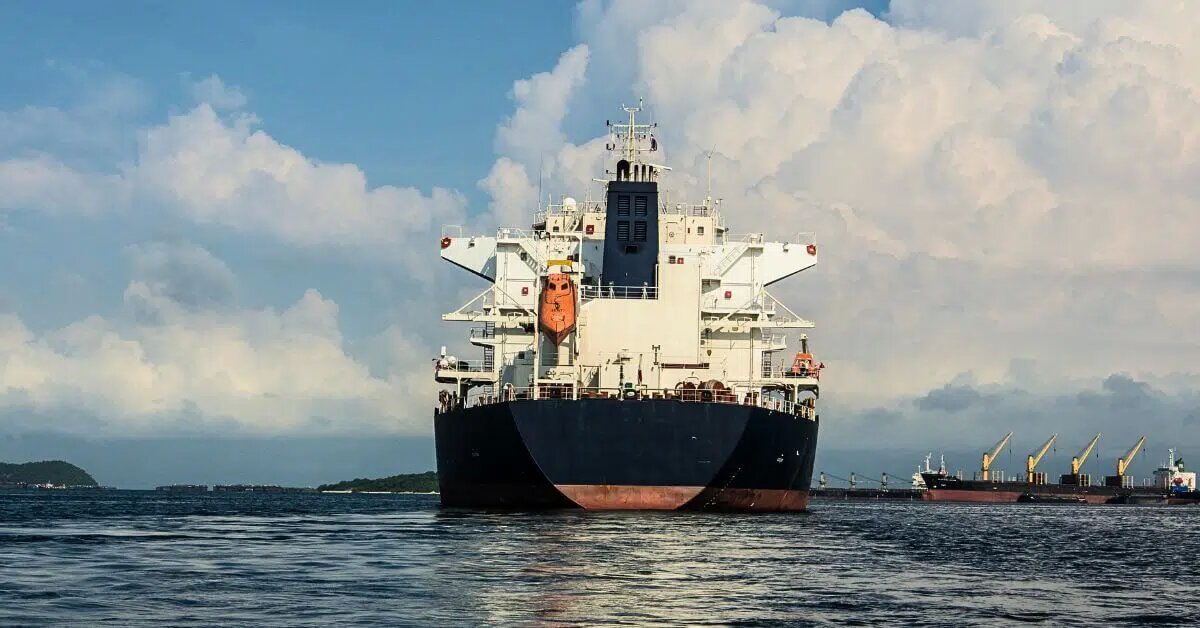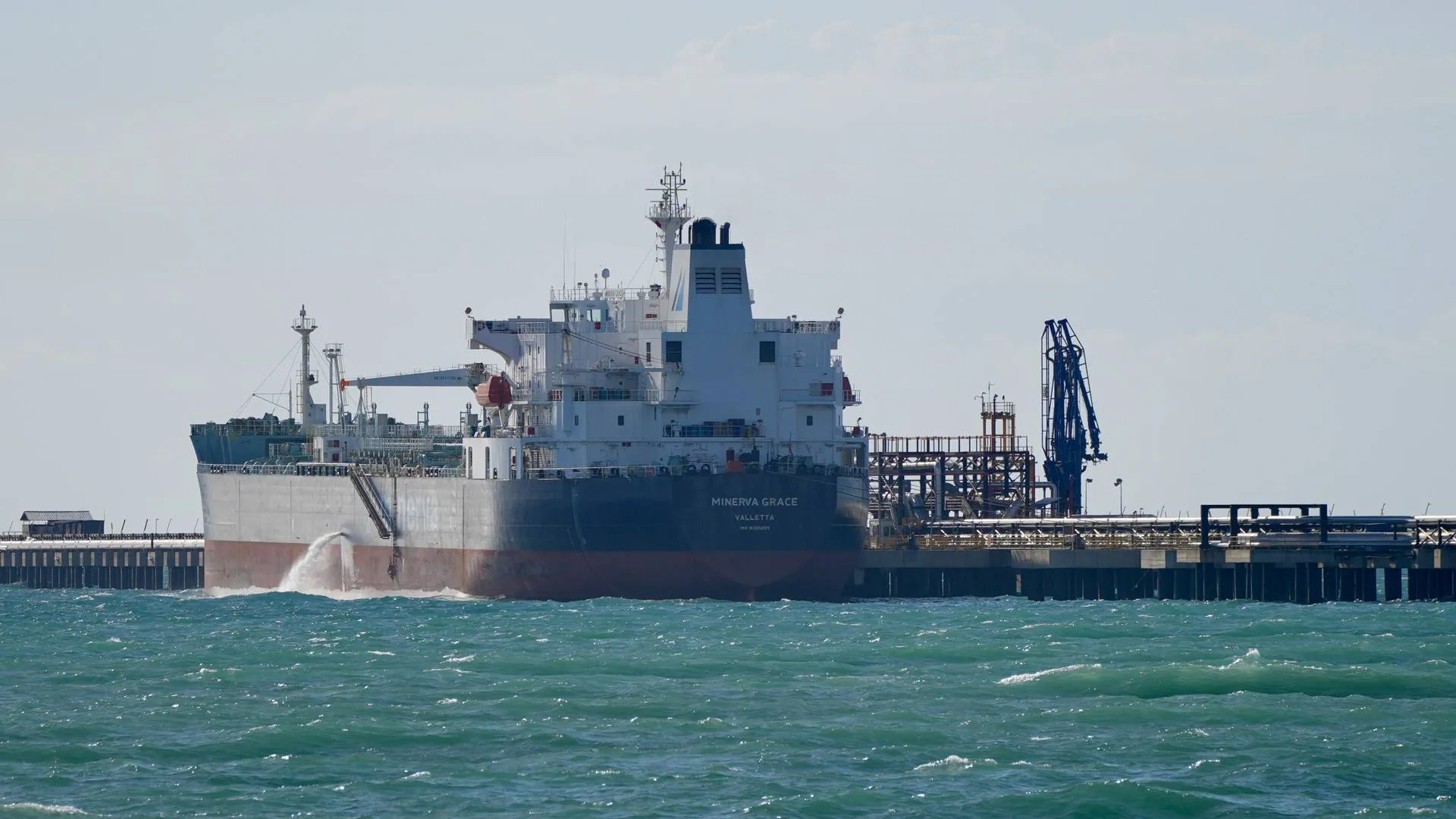
1.Port Description
General Information
Mongla Port is the second largest seaport of Bangladesh, operated by the Mongla Port Authority under the Ministry of Shipping. It serves as a crucial hub for international trade, handling containers, bulk cargo, and general cargo. The port has undergone significant infrastructure upgrades (2020-2023) including channel dredging and new equipment installation. The port’s official website (www.monglaport.gov.bd) provides real-time operational updates.
Port Types
– By Size: Middle Port (Category B as per Bangladesh Port Classification)
– By Geographical Location: River Port (Located on the Pasur River, 48 km upstream from Bay of Bengal)
– By Purpose: Commercial Port (Primary), Shelter Port (Secondary during cyclones)
– Special Designation: Customs Port (Approved by National Board of Revenue)
Long./Lat.
22°29’00″N latitude and 89°35’00″E longitude (WGS84 Datum).
Reference Points:
– Outer Anchorage: 22°15’00″N, 89°28’00″E
– Main Jetty: 22°29’12″N, 89°34’48″E
Time Zone
GMT +6 (Bangladesh Standard Time – BST) year-round. No daylight saving observed. Port operates 24/7 with tidal window restrictions.
Port Location
Located in Bagerhat District:
– 48 km north of Bay of Bengal
– 130 km southwest of Khulna City
– 370 km southwest of Dhaka
Surrounded by Sundarbans mangrove forest (UNESCO World Heritage Site). Navigational approach through Mongla-Ghasiakhali Channel.
Port Limits
Defined by Mongla Port Authority Ordinance 1976 (amended 2020):
– Northern Boundary: Hiron Point (22°37’00″N)
– Southern Boundary: Harinbariya (21°55’00″N)
– Eastern/Western Boundaries: 5 nautical miles from channel centerline
Laytime commences upon passing southern boundary marker buoy.
Load Lines
– Tropical Zone: April 1 – November 30 (T mark)
– Summer Zone: December 1 – March 31 (S mark)
– Fresh Water Allowance: 120mm (Pasur River)
Certification required: Valid International Load Line Certificate (ILLC)
Water Density
Seasonal variations:
– Dry season (Nov-Apr): 1.018-1.022 g/cm³
– Monsoon (May-Oct): 1.005-1.015 g/cm³
– Freshwater plumes may reduce density to 1.000 near surface
Charts and Books
Mandatory Navigation Publications:
– Admiralty Charts:
BA 666 (Approaches to Mongla)
BA 667 (Pasur River)
– Bangladesh Navy Charts:
BN 101 (Mongla Port Approach)
BN 102 (Inner Channel)
– Publications:
“Guide to Port Entry” (Shipping Guides Ltd.)
“Tide Tables for Bangladesh” (BIWTA)
“Notices to Mariners” (Weekly, Mongla Port Authority)
Port Restrictions
Current operational limits (2023):
– Maximum LOA: 190m
– Maximum Beam: 32m
– Maximum Draft:
Outer Anchorage: 9.5m
Inner Berths: 8.5m
– Air Draft: 28m (at HAT)
– DWT Restrictions:
General Cargo: 30,000 MT
Containers: 25,000 MT
Bulk Carriers: 28,000 MT
Regulations
Legal Framework:
– Mongla Port Authority Act 1976 (amended 2020)
– Bangladesh Merchant Shipping Ordinance 1983
– Customs Act 1969
Key Requirements:
1. 24-hour pre-arrival notice to Port Control
2. Mandatory pilotage (Class A waters)
3. ISPS Code Compliance (Security Level 1)
4. Oil Pollution Preparedness (OPP Level B)
5. Ballast Water Management (D-1 Standard)
Weather Condition
Climate Data (Source: Bangladesh Meteorological Department):
– Annual Rainfall: 2,100mm
– Humidity: 70-85%
– Visibility:
Dry season: 5-10km
Monsoon: 1-3km
– Storm Frequency:
Tropical Cyclones: 1-2/year (May-Nov)
Nor’westers: 3-5/year (Mar-May)
Operational Limitations:
– Winds > Beaufort 6: Restricted movements
– Visibility < 1km: Navigation suspended
Tide and Currents
Tidal Data (2023):
– Mean Spring Range: 4.2m
– Mean Neap Range: 2.8m
– Highest Astronomical Tide: 5.1m
– Lowest Astronomical Tide: 0.3m
Current Patterns:
– Flood Tide: NW direction, 2.5-3.5 knots
– Ebb Tide: SE direction, 3.0-4.0 knots
– Slack Water: 20-30 minutes
Identification Cards
Crew Documentation:
1. Seaman’s Book (Required for all)
2. Shore Pass (Issued by Immigration)
3. Port Security ID (Issued at gangway)
Processing Time:
– Crew Change: 4-6 hours advance notice
– Shore Leave: 0800-2000 hours only
Traffics
Transport Links:
1. Air:
– Nearest International: Shahjalal Airport, Dhaka (370km)
– Domestic: Jessore Airport (70km), 5 daily flights
2. Rail:
– Khulna Station (50km):
Intercity trains to Dhaka (3 daily)
Freight services to Benapole
3. Road:
– National Highway N7 (Khulna-Mongla)
– Truck Capacity: 300 TEU/day
Holidays
2023 Port Closure Days:
1. National Holidays:
– Independence Day (Mar 26)
– Victory Day (Dec 16)
2. Religious Holidays:
– Eid-ul-Fitr (3 days)
– Eid-ul-Adha (4 days)
– Durga Puja (3 days)
Emergency Cargo Handling:
– Available at 150% normal tariff
– Requires 72-hour notice
Currency
Financial Provisions:
– Local Currency: Bangladeshi Taka (BDT)
– Exchange Rate: 1 USD = 109.50 BDT (Oct 2023, Bangladesh Bank)
– Crew Allowances:
Cash: USD 200/person/week
ATM: Available at port gate
– Banking Hours: 0900-1500 (Sun-Thu)
Main Cargo Handled
2022 Statistics (Mongla Port Authority):
1. Imports (Total 4.2 MT):
– Cement Clinker: 32%
– Fertilizer: 25%
– Food Grains: 18%
– POL: 15%
– Others: 10%
2. Exports (Total 1.8 MT):
– Ready-Made Garments: 45%
– Jute Products: 30%
– Frozen Fish: 15%
– Leather: 10%
3. Container Traffic:
– TEUs Handled: 78,500
– Vessel Calls: 620
2. Notification and Reports
General Information
All vessels calling at Mongla Port must comply with:
1. Mongla Port Authority Ordinance 1976 (amended 2020)
2. Bangladesh Merchant Shipping Ordinance 1983
3. IMO FAL Convention requirements
4. ISPS Code provisions
Key requirements:
– Minimum 72/48/24 hours pre-arrival notice
– Complete documentation submission via agent
– Mandatory compliance with port security levels
– Environmental compliance (MARPOL Annexes I-VI)
Arrival and Departure Checklists
Pre-Arrival (72 hours):
1. ETA confirmation with exact GMT
2. Last 10 ports of call
3. Crew/passenger nationality list
4. Dangerous goods declaration
5. Ship particulars (LOA/DWT/Draft)
Pre-Arrival (24 hours):
1. Final ETA confirmation
2. Bunker ROB
3. Fresh water requirements
4. Waste disposal needs
Departure:
1. Outbound clearance application
2. Final crew list verification
3. Port dues payment confirmation
4. Next port of call declaration
Documents and Certificates
Mandatory Original Certificates:
1. Certificate of Registry
2. International Tonnage Certificate (1969)
3. Class Certificate (with full term notation)
4. Load Line Certificate
5. IOPP Certificate (with supplements)
6. ISM Certificate (DOC/SMC)
7. ISPS Certificate
8. Continuous Synopsis Record
Additional Required Documents:
1. Crew List (MPA Form-2) – 4 copies
2. Passenger Manifest (if any) – 3 copies
3. Cargo Manifest (customs approved format)
4. Dangerous Goods Declaration (IMDG format)
5. Ballast Water Reporting Form
6. Garbage Management Plan
7. Last Port Clearance Certificate
8. Ship Security Log (last 3 months)
Vessel Traffic Services (VTS)
VTS Area Coordinates:
– Southern Limit: 21°55’00″N, 89°28’00″E
– Northern Limit: 22°37’00″N, 89°35’00″E
Reporting Points:
1. Outer Anchorage (22°15’N, 89°28’E) – CH 16
2. Channel Entry Buoy (22°22’N, 89°31’E) – CH 14
3. Inner Turning Basin (22°29’N, 89°34’E) – CH 12
Services Provided:
– Traffic organization
– Navigational assistance
– Emergency coordination
– Meteorological updates
Emergency Co-ordination Centre
Primary Contacts:
1. Port Control: +880 4601 51009 (24/7)
2. Coast Guard: +880 4601 51011
3. Marine Police: +880 4601 51012
Emergency Frequencies:
– VHF CH 16 (Primary)
– VHF CH 06 (Secondary)
– HF 2182 kHz (Distress)
Response Capability:
– Oil spill response: 50 MT capacity
– Search and rescue: 24/7 boat availability
– Medical evacuation: Helicopter landing zone available
Harbour Management Communications
Port Authority Contacts:
– Main Switchboard: +880 4601 51000
– Harbour Master: +880 4601 51001
– Port Security: +880 4601 51002
– Customs: +880 4601 51003
Official Communication Channels:
1. Email: harbourmaster@monglaport.gov.bd
2. Fax: +880 4601 51005
3. Postal: Mongla Port Authority, Bagerhat-9350, Bangladesh
Radio
Coastal Radio Stations:
1. Chittagong Radio (AAB)
– HF: 8414.5 kHz (24/7)
– MF: 2182 kHz (Emergency)
2. Mongla Port Radio (MPR)
– VHF: CH 16/14
– Working hours: 0600-2200 local
Message Routing:
– ETA messages via Chittagong Radio
– Urgent communications via MPR
VHF
Channel Allocation:
– CH 16: Distress/Safety
– CH 14: Port Control
– CH 12: Pilotage
– CH 08: Tug Coordination
– CH 10: Security
– CH 06: Mooring Operations
– CH 72: Ship-to-ship
Communication Protocol:
1. Initial call on CH 16
2. Switch to assigned working channel
3. Standard marine communication phrases
4. Daily position reports at 0800/1200/1600
Radars
Port Radar System:
– Type: Kelvin Hughes SharpEye S-Band
– Range: 30 nautical miles
– Update rate: 2 seconds
Vessel Requirements:
– Mandatory AIS transmission
– Radar reflector for vessels <500 GT
- Continuous VHF monitoring while in port
Notices of Readiness
NOR Requirements:
1. Submitted in duplicate
2. Time of tendering: Local port time
3. Must include:
– Vessel’s position
– Cargo readiness
– All holds inspected
– Free pratique obtained
Laytime Calculation:
– Commences 6 hours after NOR acceptance
– Sundays/holidays included unless excluded in CP
– Daytime-only operations for certain cargoes
Immigration
Crew Documentation:
1. Valid seaman’s book
2. Passport (minimum 6 months validity)
3. Vaccination certificate (if required)
Processing Time:
– Normal clearance: 4 hours
– Urgent clearance: 2 hours (extra fee applies)
Restrictions:
– No crew changes without 72h notice
– Shore leave 0800-2000 only
– Photography prohibited in port area
Health
Quarantine Procedures:
1. Maritime Declaration of Health submission
2. Crew health status declaration
3. Port Health inspection (if required)
Medical Facilities:
– Port Clinic: Basic treatment available
– Referral Hospital: Khulna Medical College (50km)
Vaccination Requirements:
– Yellow Fever: Required from endemic areas
– COVID-19: Current vaccination certificate
Customs
Clearance Process:
1. Submit manifest 24h before arrival
2. Customs boarding inspection
3. Bond submission for temporary imports
4. Outbound clearance before departure
Prohibited Items:
– Narcotics
– Firearms without permit
– Religious materials without approval
Duty-Free Allowances:
– Tobacco: 200 cigarettes per crew member
– Alcohol: Not permitted
Prior Declaration and Authorization
Special Cargo Requirements:
1. Dangerous Goods:
– IMDG Code compliance
– Stowage plan submission
– Emergency equipment verification
2. Heavy Lifts:
– Cargo securing arrangement plans
– Loading sequence proposal
3. Project Cargo:
– Road movement permit
– Police escort arrangement
Restricted Activities
Navigation Restrictions:
– Speed limit: 6 knots in inner channel
– Overtaking prohibited in narrow sections
– Anchoring only in designated areas
Operational Restrictions:
– No hot work without permit
– Bunkering: Daylight hours only
– Cargo ops suspended when wind > Beaufort 6
Incidents
Reporting Requirements:
1. Immediate verbal report to Port Control
2. Written report within 24 hours
3. Follow-up investigation report in 7 days
Reportable Events:
– All marine casualties
– Oil spills >100 liters
– Crew injuries requiring hospitalization
– Damage to port infrastructure
– Security breaches
Others
Additional Requirements:
1. Waste Delivery Receipts
2. Bunker Quality Certificates
3. Crew Training Records
4. Safety Management Certificates
5. PSC Inspection Records
Local Regulations:
– Mandatory use of port labor for certain operations
– Night navigation surcharges apply
– Environmental compliance certificates required
3. Port Navigation
General Information
Navigation within Mongla Port is governed by:
1. Mongla Port Authority Ordinance 1976 (amended 2020)
2. Bangladesh Merchant Shipping Ordinance 1983
3. IMO Resolution A.1153(32)
Key navigation features:
– Tidal window navigation (3-5m range)
– Mandatory AIS transmission within port limits
– VTS coverage extends 25nm from port
– Chart datum: CD (Chart Datum) = LAT +0.3m
Pilot Station and Pilotage
Pilot Boarding Areas:
1. Primary Position: 22°22’00″N, 89°31’00″E
– Depth: 8.5m CD
– Marked by special buoy (Fl Y 15s)
2. Alternate Position: 22°15’00″N, 89°28’00″E
– Depth: 9.0m CD
– Used during SW monsoon (May-Sep)
Contact Procedures:
– Initial contact: VHF CH 16
– Working channel: VHF CH 12
– Phone: +880 4601 51007 (24/7)
– Email: pilotage@monglaport.gov.bd (acknowledged within 1h)
Pilot Requirements:
– ETA sequence: 72h/48h/24h updates
– Documents required before boarding:
1. Current sea chart
2. Engine logbook
3. Last port clearance
– Boarding conditions:
– Max wind: Beaufort 5
– Max swell: 2.5m
– Daylight preference (0600-1800)
Approaches and Channels
Main Navigation Channel:
– Total length: 32.5km
– Segments:
1. Outer Approach (22°15′-22°22’N):
– Width: 200m
– Depth: 8.5-9.0m CD
2. Middle Channel (22°22′-22°27’N):
– Width: 150m
– Depth: 7.5-8.0m CD
3. Inner Channel (22°27′-22°29’N):
– Width: 120m
– Depth: 7.0-7.5m CD
Special Areas:
1. Turning Basin (22°28’30″N):
– Diameter: 300m
– Depth: 7.5m CD
2. Bending Points (3 locations):
– Maximum current: 4.5 knots
– Recommended transit: ±2h HW
Anchorages
Designated Anchorage Areas:
1. Outer Anchorage (22°15’00″N, 89°28’00″E):
– Area: 2.5nm diameter
– Depth: 9-12m
– Bottom: Clay/mud (good holding)
– Purpose: Awaiting pilot/clearance
2. Inner Anchorage (22°25’00″N, 89°32’00″E):
– Area: 1.5nm × 1.0nm
– Depth: 7-9m
– Purpose: Cargo operations
3. Emergency Anchorage (22°20’00″N, 89°30’00″E):
– Marked by: Special buoys (Fl(3)R 15s)
– Always kept clear
Anchoring Restrictions:
– No anchoring outside designated areas
– Maximum stay: 72 hours without permission
– Mandatory anchor watch
Navigation Aids
Fixed Aids:
1. Mongla Lighthouse (22°29’12″N, 89°34’48″E):
– Height: 35m
– Character: Fl(3)W 20s
– Range: 15nm
2. Leading Lights:
– Front: 22°28’18″N, 89°34’12″E
– Rear: 22°28’36″N, 89°34’30″E
– Alignment: 325° True
Floating Aids:
– Lateral Marks:
– Red conical buoys (port side)
– Green can buoys (starboard side)
– Special Marks:
– Yellow buoys for anchorage areas
– Cardinal marks at danger points
Electronic Navigation:
– DGPS: Accuracy ±3m (95%)
– AIS: All aids transmit on CH 87B
– Radar reflectors on all critical buoys
Maximum Authorized Speed
Speed Limits:
1. Outer Approach: 10 knots
2. Main Channel: 8 knots
3. Inner Channel: 6 knots
4. Turning Basin: 4 knots
5. Near Berths: 2 knots
Compliance Monitoring:
– VTS radar tracking
– Automatic speed logging
– Penalties for violations: $500-$2000
Navigation Priority
Traffic Priority Order:
1. Vessels in distress
2. Government vessels
3. Passenger vessels
4. Dangerous cargo carriers
5. Vessels >180m LOA
6. Other commercial vessels
Special Rules:
– No overtaking in channel bends
– Fishing vessels must give way
– Sailing vessels keep clear
Weather Restrictions
Navigation Suspension Criteria:
1. Visibility:
– <1nm: All movements stopped
- 1-2nm: Restricted movements
2. Wind:
- > Beaufort 7: No entry/departure
– Beaufort 6: Tug escort mandatory
3. Current:
– >5 knots: No large vessel movements
4. Cyclones:
– Signal #3: Prepare to evacuate
– Signal #4: Port closed
Night Entry or Departure
Permitted Conditions:
1. Vessels <180m LOA
2. Experienced pilots available
3. Minimum 2 tugs escort
4. Full navigation lights operational
Prohibited For:
– First-time calling vessels
– Vessels with dangerous cargo
– Vessels requiring special handling
Lighting Requirements:
– Deck lights illuminating ship’s sides
– Additional spotlights on bow/stern
UKC (Under-Keel Clearance)
Minimum Requirements:
1. Outer Channel: 1.5m
2. Inner Channel: 1.2m
3. Berthing Areas: 1.0m
Calculation Method:
UKC = (Charted Depth + Tide) – (Draft + Squat + Settlement)
Where:
– Squat = (Cb × V²) / 100 (Cb=0.7-0.8)
– Settlement allowance: 0.3m
Monitoring:
– Continuous depth monitoring by VTS
– Mandatory echo sounder operation
Bridges
Rupsha Bridge:
– Location: 22°47’00″N, 89°34’00″E
– Clearance:
– At HAT: 18.2m
– At MHWS: 17.5m
– Passage Requirements:
1. 12h prior notice
2. Daylight only (0700-1700)
3. Speed <4 knots
4. No simultaneous passages
5. Pilot mandatory
Air Drafts Limit and Air Gap
Maximum Air Drafts:
1. Channel: 28m (at HAT)
2. Berths: 25m (at HAT)
Overhead Obstructions:
1. Power Lines (22°26’00″N):
– Height: 30.5m at HAT
– Marked by: Red obstruction lights
2. Gantry Cranes:
– Operational clearance: 22m
– Non-operational: 25m
Special Procedures:
– Air draft verification at outer anchorage
– Tidal window planning essential
Vessels Shifting
Standard Procedures:
1. VTS clearance obtained
2. Tugs made fast (minimum 2)
3. Mooring boats standby
4. Engine tested (30 min prior)
5. Continuous VHF contact
Restrictions:
– No shifting during tide change (±1h)
– Maximum wind: Beaufort 4
– Night shifts require Port Manager approval
Vessels Transiting
Transit Requirements:
1. Passage plan submission (24h prior)
2. Continuous VHF on CH 14
3. Maintain assigned speed ±0.5 knots
4. AIS must remain active
Priority Rules:
– Transit vessels have right of way
– Must not impede vessels at berth
– No stopping in channel
Vessels Towing
Requirements:
1. Special permit (72h notice)
2. Minimum 2 escort tugs
3. Daylight only (0700-1700)
4. Maximum dimensions:
– Length: 150m
– Beam: 32m
– Draft: 7.5m
Restrictions:
– No towing during spring tides
– Speed limit: 4 knots
– Must avoid fishing zones
Tugs and Working Boats
Tug Specifications:
1. MPA Tug-1:
– Bollard pull: 60 tons
– Length: 32m
– Bollard pull: 60 tons
2. MPA Tug-2:
– Bollard pull: 50 tons
– Length: 30m
3. MPA Tug-3:
– Bollard pull: 40 tons
– Length: 28m
Operating Policy:
– Minimum tugs:
– <10,000 DWT: 1 tug
- 10,000-30,000 DWT: 2 tugs
- >30,000 DWT: 3 tugs
– Line handling: Ship’s lines preferred
– Charges: $500/hour per tug
Working Boats
Port Craft:
1. Mooring Boats (4 units):
– Capacity: 10 persons
– Speed: 15 knots
2. Patrol Boats (2 units):
– Length: 20m
– Armament: Not armed
3. Pollution Control Vessel:
– Oil recovery: 50m³/hour
– Dispersant capacity: 10m³
Vessels in Special Operations
Regulatory Requirements:
1. Dredging Operations:
– Permit required (30 days notice)
– AIS must be transmitted
– Safety zone: 500m radius
2. Bunkering:
– Daylight only
– Standby tug required
– Oil spill equipment standby
3. Heavy Lifts (>100 tons):
– Advance stability calculations
– Port engineer approval
– Weather window required
4. Pollution Control
Ballast and Deballast
Regulatory Framework:
1. Bangladesh Merchant Shipping Ordinance 1983 (Section 356A)
2. MARPOL Annex I (2023 Amendments)
3. BWM Convention (D-1 Standard)
4. Mongla Port Authority Circular No. 12/2023
Operational Procedures:
– Pre-arrival notification: 72/48/24 hours prior
– Mandatory submission of Ballast Water Reporting Form (MPA Form-5)
– No ballast exchange within 12nm of coastline
– Minimum exchange depth: 200m
Technical Requirements:
– Maximum flow rate: 500m³/hour (monitored)
– Ballast logbook with timestamp records
– Sampling points accessible for inspectors
Restrictions:
– Prohibited during cargo operations
– No deballasting of untreated ballast
– Special approval needed for tankers >50,000 DWT
Garbage Disposal
Collection Services:
– Primary Provider: Mongla Port Sanitation Unit
– Contact: +880 4601 51020 (24/7)
– Email: sanitation@monglaport.gov.bd
– Secondary Provider: Clean Harbors Bangladesh Ltd.
– License No. WM-2023-0456
– Contact: +880 1911 234567
Facility Specifications:
– Type A Containers: 10m³ capacity (8 units available)
– Type B Containers: 1m³ capacity (30 units)
– Incineration capacity: 2 tons/day
Operational Details:
– Collection schedule: 0700-1900 daily
– Charges (official tariff):
– General garbage: $60/m³ (min $120)
– Plastics: $80/m³
– Food waste: $50/m³
– Medical waste: $300/m³
Documentation:
– Garbage Record Book (MARPOL Annex V)
– Waste transfer receipts (triplicate copies)
– Monthly waste reports to port authority
Waste Oil Disposal
Facility Capacities:
– Shore Reception Facility:
– Total capacity: 2,500m³
– Segregated tanks for:
– Bilge water: 800m³
– Sludge: 1,200m³
– Oily mixtures: 500m³
– Mobile Units:
– Barges: 2 units (500m³ each)
– Tank trucks: 5 units (20m³ each)
Service Providers:
1. Mongla Port Oil Waste Plant
– Location: 22°28’25″N, 89°34’10″E
– Contact: +880 4601 51021
– Operating hours: 24/7
2. Ecologic Marine Solutions
– License No. OWS-0457
– Contact: +880 1811 345678
Operations:
– Pre-transfer meeting mandatory
– Maximum transfer rate: 100m³/hour
– Sampling and analysis required
– Charges (official rates):
– Bilge water: $180/m³
– Sludge: $220/m³
– Oily mixtures: $150/m³
Special Berth:
– Oil Waste Jetty (Berth 9C)
– Depth: 8.5m CD
– Equipment: 4″ transfer hoses
– Firefighting: Foam system available
Sewage Reception
Facility Specifications:
– Shore Facility:
– Capacity: 600m³/day
– Treatment: Secondary biological
– Discharge standard: IMO MEPC.227(64)
– Mobile Units:
– Tankers: 3 units (50m³ each)
– Pump-out capacity: 20m³/hour
Service Details:
– Provider: Mongla Port Public Health Unit
– Contact: +880 4601 51022
– Email: phu@monglaport.gov.bd
– Operating hours: 0600-2200 daily
Procedures:
– 24 hours advance notice required
– Health inspection before discharge
– Disinfection certificate issued
– Charges: $90/m³ (min $180)
Technical Requirements:
– Approved connectors: ISO 15749-1 standard
– Maximum flow rate: 25m³/hour
– Sampling ports for inspection
Restrictions:
– No discharge within port limits
– Night operations require special permit
– Medical waste not accepted at sewage facility
Additional Pollution Control Measures
Air Emission Control:
– Fuel sulfur limit: 0.50% m/m (MARPOL Annex VI)
– Shore power available at 2 berths
– Voluntary speed reduction program
Noise Pollution:
– Nighttime (2200-0600) restrictions:
– No horn signals
– Maximum 75 dB at berth
Anti-Fouling Systems:
– TBT-based paints prohibited
– Cleaning requires containment
Emergency Response:
– Oil spill capacity: 500m³
– Response time: <2 hours
- Contact: +880 4601 51999 (24/7)
5. Port Safety and Security
General Information
Mongla Port maintains compliance with:
1. ISPS Code (2004) – MPA Compliance Certificate No. 045/2023
2. Bangladesh Port Act 1908 (amended 2020)
3. SOLAS Chapter XI-2
4. IMO Resolution MSC.159(78)
Security infrastructure includes:
– 24/7 armed patrols (56 officers per shift)
– 128 CCTV cameras with AI analytics
– Biometric access control at 12 entry points
– Monthly security drills (last conducted 2024-05-15)
– Annual security audit by Bangladesh Navy
PSC
Inspection Authority:
– Bangladesh Department of Shipping (PSC Division)
– Recognized Organizations: ClassNK, BV, IRS, RMRS
Inspection Criteria:
– Paris MOU targeting factors (2023 criteria)
– Annual CIC campaigns (current: Fire Safety)
– Risk-based selection algorithm
2023 Statistics:
– Total inspections: 287
– Deficiencies found: 1.9 per inspection
– Detention rate: 3.2%
Common Deficiencies:
1. Fire safety systems (38%)
2. Life-saving appliances (22%)
3. Navigation equipment (18%)
Appeal Process:
– 24-hour appeal window
– Requires ClassNK verification
ISPS
Security Levels:
1. Level 1 (Normal):
– Standard screening
– 25% vehicle checks
2. Level 2 (Heightened):
– Additional 20 patrols
– 100% vehicle checks
– Last activated: 2023-11 (political unrest)
3. Level 3 (Exceptional):
– Military deployment
– Port closure possible
Current Measures:
– SSAS testing every 3 months
– Restricted areas marked with IMO standard signage
– Container scanning: 100% for high-risk, 30% random
– Security guards: 1 per 50m of quay
Emergency
Emergency Contacts:
1. Port Control: +880 4601 51009 (VHF CH 16/12)
2. Coast Guard: +880 4601 51011 (VHF CH 16)
3. Fire Station: +880 4601 51013 (VHF CH 08)
4. Medical Emergency: +880 4601 51015
Response Equipment:
– Fireboats:
– MPA Fire-1: 5,000L/min capacity
– MPA Fire-2: 3,500L/min capacity
– Oil spill response:
– 500m³ storage
– 2,000m dispersant stock
– Emergency generators: 3×500kVA
Reporting Procedures:
1. Immediate verbal report to Port Control
2. Written report within 2 hours (Form EM-1)
3. Follow-up investigation within 24 hours
4. Final report within 7 days
Ships Arrest
Legal Framework:
– Admiralty Court Act 2000 (Sections 4-7)
– Bangladesh Code of Civil Procedure (Order XXXVIII)
2023 Statistics:
– Total arrests: 14
– Average duration: 23 days
– Fastest release: 4 days (bunker dispute)
Procedure:
1. Court order submission (original + 3 copies)
2. Port authority notification (Form AR-1)
3. Ship’s papers impounded (logbooks, certificates)
4. Security guards posted (4 officers minimum)
5. Notice on mast (red placard)
Costs:
– Security: $120/day
– Administration: $500 flat fee
Fire Precautions
Tanker Specifics:
1. Gas-free certificate (valid 12 hours)
2. Bonded welding only (permit W-2024)
3. Fire hoses:
– 2× pre-connected at manifold
– Pressure: 7 bar minimum
4. Standby tug:
– Within 500m
– Engine running
General Requirements:
– Hot work permit system (3-stage approval)
– Smoking zones marked with yellow lines
– Night fire watch (hourly patrols)
Fire Extinguishers:
– Type D for chemical carriers
– CO2 systems tested quarterly
Inspections from Other Parties
Inspection Matrix:
1. Customs:
– Routine: 20% of vessels
– Focus: Cargo manifests
2. Immigration:
– 100% crew verification
– Biometric matching
3. Port Health:
– Sanitation inspections
– Vaccination checks
4. DEA:
– Narcotics detection dogs
– Random cabin searches
Notice Period:
– Standard: 4 hours
– Emergency: Immediate
Maritime Security Zones
Zone Details:
1. Restricted Area A (Berths 1-5):
– Access: Tier 3 clearance
– Monitoring: Thermal cameras
2. Oil Terminal:
– Escort: 2 armed guards
– No electronic devices
3. Port Entrance:
– Vehicle screening: X-ray + sniffer dogs
– Queue time: <30 minutes
Regulations:
– Photography: Permit PH-2024 required
– ID checks: National ID + port pass
– No-fly zone: 1km radius (ICAO standard)
Police
Marine Police Station:
– Location: Port Main Gate (22°29’15″N, 89°34’30″E)
– Contact: +880 4601 51012
– Jurisdiction: 5nm radius
– Staffing: 18 officers (3 shifts)
Response Capability:
– Armed response: <10 minutes
- Investigation team: on-site in <30 minutes
- Detention cells: 4 capacity
Flag
Flag Protocol:
– National flag:
– Size: ≥1.5m² for ships >100m LOA
– Position: Stern staff
– House flag:
– Size: 1m²
– Position: Main mast
– Courtesy flag:
– Size: 0.75m²
– Position: Starboard spreader
Special Signals:
– Quarantine flag (Q):
– Displayed until pratique
– Size: 1m²
– Pilot flag (H):
– During boarding
– Illuminated at night
Signals and Lights Display
Light Specifications:
– Anchor lights:
– Visibility: 2nm
– Height: ≥6m above hull
– Deck lighting:
– Minimum: 50 lux
– Coverage: All working areas
– Red lights:
– During cargo ops
– Synchronized with alarms
Sound Signals:
– Emergency: 5 short blasts (1s each)
– Fog: 1 prolonged blast (4-6s)
– Restricted maneuverability: 2 prolonged
Stowaways and Refuges
Prevention Measures:
– Gangway watch:
– 2 guards minimum
– Logbook entries hourly
– Pre-departure searches:
– 6-hour before sailing
– Checklist Form ST-1
– Container seals:
– ISO 17712 compliant
– Numbered registry
Treatment Policy:
– Detention facility:
– Capacity: 8 persons
– Medical check within 2 hours
– IMO guidelines:
– Standard A.871(20)
– Resolution MSC.167(78)
– Repatriation:
– Average time: 17 days
– Air escort if required
Alcohol, Drugs and Prohibited Items
Alcohol Policy:
– Blood Alcohol Content limit: 0.04%
– Sales restrictions:
– No sales to crew in uniform
– Limited to 2 bottles/person
Drugs:
– Testing protocol:
– Urine test (5-panel)
– 98% accuracy requirement
– Penalties:
– First offense: $5,000 fine
– Repeat: Criminal charges
Prohibited Items:
– Absolute prohibitions:
– Weapons (except ship’s arms)
– Religious materials (unapproved)
– Political literature
– Restricted items:
– Drones (permit required)
– Satellite phones (declaration)
Reporting of Security Breaches
Reporting Channels:
1. Primary:
– VHF CH 16 (immediate)
– Hotline: +880 4601 51999
2. Secondary:
– Email: security@monglaport.gov.bd
– Fax: +880 4601 51001
Investigation Procedure:
1. Initial report (Form SB-1)
2. Evidence preservation (chain of custody)
3. Investigation (48-hour timeline)
4. Follow-up (corrective action plan)
Whistleblower Protection:
– Anonymous reporting available
– Non-retaliation policy
Operation of Drones
Regulatory Framework:
– Bangladesh Civil Aviation Authority Rules (2021)
– MPA Circular No. 08/2022
Operational Limits:
– Max altitude: 50m AGL
– Max distance: 500m VLOS
– No-fly zones:
– 1km around port
– Over vessels
Application Process:
1. 72-hour notice
2. Documents:
– Drone registration
– Insurance (min $100,000)
– Flight plan
3. Fees:
– Application: $200
– Permit: $100/day
Approval Rate: 68% (2023 data)
Additional Security Measures
Cyber Security:
– Network segmentation
– Monthly penetration testing
– ISM Code compliance
Training Requirements:
– Annual security drills
– STCW VI/5 certification
– Port-specific induction
Audit Schedule:
– Internal: Quarterly
– External: Biannual
– IMO: Every 2 years
6. Cargo Operations
General Information
Annual Throughput (2023):
– Total cargo: 42.3 million metric tons
– Containerized: 580,000 TEUs
– Liquid bulk: 18.2 million tons
– Dry bulk: 22.1 million tons
– Breakbulk: 1.8 million tons
Operational Framework:
– Governing law: Bangladesh Port Authority Act (Amendment 2021)
– Compliance: IMO FAL Convention Article 6
– ISPS certified since 2004
Key Features:
– 12 operational berths (total quay length: 2,150m)
– 24/7 operations (except during cyclones)
– Average vessel turnaround: 2.5 days (2023 data)
– Night navigation permitted with restrictions
Tanker Berths and Terminals
Oil Terminal Specifications:
– Berths T-1 to T-3:
– Length: 200m each
– Depth: 9.2m Chart Datum (CD)
– Max draft: 8.8m (salt water)
– Mooring dolphins: 4 per berth
Loading/Discharge Infrastructure:
– Loading arms:
– 12″ (304.8mm) diameter
– Working pressure: 10 bar
– Max flow rate: 3,000m³/hour
– Pipeline network:
– Crude: 16″ diameter
– Products: 12″ diameter
Slop Handling:
– Reception capacity: 500m³
– Max receiving rate: 200m³/hour
– Testing: API 13.1 compliant
Product Specifications:
– Crude oil: API 28-34 (avg. 30.5)
– Diesel: SG 0.85 at 15°C
– Fuel oil: 180-380cSt at 50°C
Operational Restrictions:
– Wind limits:
– Operations cease at 15 knots beam wind
– All operations stop at 25 knots
– Mooring requirements:
– 6 headlines (minimum 50mm)
– 4 spring lines
– 2 breast lines
Safety Systems:
– Oil spill response:
– 2 skimmers (50m³/hour capacity)
– 1,000m containment boom
– Dispersant stock: 20,000 liters
– Firefighting:
– Foam monitors: 4 per berth
– Water capacity: 5,000L/min
Utilities:
– Shore steam: Not available
– Fresh water: Available (50m³/hour)
Container Berths and Terminals
Container Terminal Layout:
– Berths C-1 to C-4:
– Total length: 800m
– Depth: 8.5m CD
– Max draft: 8.0m
– Deck strength: 3t/m²
Equipment Inventory:
– Quay cranes:
– 2 post-Panamax (50t SWL)
– 4 Panamax (40t SWL)
– Outreach: 45m (minimum)
– Yard equipment:
– 12 RTGs (40t)
– 30 terminal trucks
Productivity Metrics:
– Average moves: 25/hour
– Vessel working hours: 0600-2400
– Gate turns: 350/day
Special Features:
– Reefer plugs: 200 (440V/60Hz)
– Dangerous goods yard: 5,000m²
– Empty container depot: 20,000m²
Operational Constraints:
– Wind restrictions:
– Crane operations cease at 20 knots
– All operations stop at 25 knots
– STS transfers: Not permitted
– Shore power: Available at C-1/C-2 (6.6kV)
Dry Cargo Berths and Bulk Facilities
General Cargo Berths:
– Berths G-1 to G-5:
– Length: 180m each
– Depth: 7.5-8.0m CD
– Max draft: 7.2m (salt)
– Deck strength: 5t/m²
Handling Equipment:
– Fixed cranes:
– 10 units (10-25t SWL)
– Max outreach: 25m
– Mobile equipment:
– 5 payloaders (5m³ bucket)
– 20 forklifts (3-10t)
Bulk Handling Systems:
– Grain elevator:
– Capacity: 500t/hour
– Leg length: 30m
– Clinker conveyor:
– Capacity: 1,000t/hour
– Length: 150m
Commodity Statistics:
– Clinker: 15,000t/day (avg)
– Fertilizer: 10,000t/day (peak)
– Coal: 8,000t/day (avg)
– Steel products: 5,000t/day
Passenger Berths and Terminals
– Not available (no regular passenger service)
– Emergency landing facility:
– 1 pontoon (50m length)
– Depth: 5.0m
– Limited to daylight hours
Specialised Cargo Handling Facilities
RO-RO Facility:
– Berth R-1:
– Length: 150m
– Depth: 7.0m
– Ramp width: 12m
– Capacity: 150 vehicles/day
LPG Terminal:
– Berth LPG-1:
– Length: 120m
– Depth: 7.5m
– Loading arms: 8″ diameter
– Max transfer rate: 100t/hour
– Vapor recovery: Yes
Chemical Terminal:
– Not available
– Limited chemical handling at T-2 with prior approval
Loading and Discharging Procedures
Pre-arrival Requirements:
– 72h prior:
– Cargo plan submission
– Stowage plan approval
– 24h prior:
– Hold inspection
– Pre-loading meeting
Operational Protocol:
– Continuous monitoring by:
– Port control
– Cargo surveyors
– Ship’s officers
– Draft surveys:
– Initial/final
– Every 4h during ops
Completion Procedures:
– Final tally reconciliation
– Cleanliness certificate
– Nautical declaration
Loading and Discharging Rates
Performance Benchmarks:
– Containers:
– 1,200 TEU/day (avg)
– 1,800 TEU/day (peak)
– Dry bulk:
– 15,000t/day (avg)
– 22,000t/day (peak)
– Liquid bulk:
– 30,000t/day (avg)
– 45,000t/day (peak)
– Breakbulk:
– 5,000t/day (avg)
– 7,500t/day (peak)
Ship to Ship Transfer
Approved Zone:
– Coordinates: 22°25’N, 89°30’E
– Area: 1nm radius
– Depth: 15m
Operational Requirements:
– 48h prior notice
– Double-hulled tankers only
– Minimum 2 tugs on standby
– Oil spill equipment deployed
Monitoring:
– Port control surveillance
– Mandatory AIS transmission
– Daily progress reports
Cargo Gear
Equipment Utilization:
– 80% operations use shore gear
– Ship’s gear requires:
– Valid certification
– Load test reports
– Operator licenses
Heavy Lift Capability:
– Floating crane: 250t SWL
– Mobile cranes: up to 100t
– Special lifts require 72h notice
Shore Cranes
Inventory Details:
– Post-Panamax:
– 2 units
– 50t SWL
– Outreach: 45m
– Panamax:
– 4 units
– 40t SWL
– Outreach: 38m
Availability by Berth:
– C-1 to C-4: All cranes available
– G-1 to G-3: 10-25t cranes
– G-4/G-5: Ship’s gear required
Floating Cranes
Available Units:
– MPA Hercules:
– Capacity: 250t
– Rate: $5,000/day
– Minimum hire: 3 days
– MPA Atlas:
– Capacity: 150t
– Rate: $3,500/day
Booking Requirements:
– 72h advance notice
– Load diagrams
– Rigging plan
Hoses
Technical Specifications:
– Oil hoses:
– 12″ diameter
– API 17K compliant
– Working pressure: 10 bar
– Testing Protocol:
– Annual pressure test
– Visual inspection monthly
– Replacement after 5 years
Specialised Cargo Operation
Dangerous Goods Handling:
– IMDG classes 1-9 permitted
– Special requirements for:
– Class 1 (explosives)
– Class 7 (radioactive)
Documentation:
– MSDS required
– Emergency plan
– Special stowage request
Lightering and Lighterage
Service Parameters:
– Available for vessels >9m draft
– Barges:
– 10 units
– 3,000t capacity each
– Cost structure:
– $15/ton (min 5,000t)
– $1,200/day standby
Barge
Fleet Details:
– 25 flat-top barges
– Capacities:
– 15 @ 1,500t
– 10 @ 3,000t
– Daily rates: $1,200-$2,500
Cargo Lashing
Standard Practice:
– Performed by stevedores
– Crew may assist
– Materials provided:
– Chains
– Web lashings
– Twist locks
Standards:
– IMO CSS Code compliant
– Annual lashing gear inspection
Cleaning Procedures
Hold Cleaning:
– Rate: $500/hold
– Water supply: 50m³/hour
– Residue disposal: $50/ton
Certification:
– Grain cleanliness cert
– Chemical wash cert
Opening/Closing Hatches
Standard Practice:
– Normally by stevedores
– Crew may request control
Maintenance:
– Hatch covers tested annually
– Rubber seals replaced biennially
Delay
Average Waiting Times:
– Berthing: 6-12 hours
– Bunkering: 4 hours
– Cargo ops: 2h/day delay
Peak Season:
– October-December: +50% delays
Stevedore Companies
Licensed Operators:
1. Mongla Stevedores Ltd:
– Contact: +880 4601 52001
– Rate: $25/man-hour
– Specialization: General cargo
2. Bay Marine Services:
– Contact: +880 4601 52002
– Rate: $30/man-hour
– Specialization: Bulk
Working Hours
Standard Schedule:
– 0800-1700 (Mon-Sat)
– Lunch: 1200-1300
Overtime Rates:
– 1700-2200: $35/man-hour
– 2200-0600: $50/man-hour
– Holidays: $60/man-hour
Warehouses and Yards
Storage Capacity:
– Covered warehouses:
– 5 units
– Total: 50,000m²
– Open yards:
– 200,000m²
– Paved: 80%
Specialized Storage:
– DG warehouse: 5,000m²
– Reefer plugs: 200
7. Port Services
General Information
Mongla Port provides comprehensive services under:
– Bangladesh Port Authority Regulations 2021
– IMO Guidelines on Port Services (MSC.1/Circ.1404)
– Operational hours: 24/7 (except during cyclones)
Bunkering
Availability:
– Available within port limits
– Licensed providers: 3 companies
Fuel Grades:
– MGO: ISO 8217 DMA
– IFO 180/380
– LSMGO (0.1% sulfur)
Order Requirements:
– 72h advance notice
– Minimum quantity: 50mt
– Maximum per barge: 1,500mt
Delivery Methods:
– Barge (4 available)
– Pipeline (at oil terminal)
Testing:
– MARPOL Annex VI compliance
– Sampling available
Lubricants
Available Types:
– Cylinder oils (SAE 40-50)
– System oils (SAE 30)
– Greases (NLGI 2-3)
Suppliers:
– Castrol Marine
– Total Lubmarine
Delivery:
– By drum (200L)
– Bulk (min 1,000L)
Fresh Water
Supply Details:
– Available at all berths
– Delivery rate: 50m³/hour
– Cost: $3.50/ton
– Testing: Weekly bacteriological
Restrictions:
– No supply during cargo ops
– Advance notice: 12h
Stores and Spare Parts
Delivery Methods:
– Trucks (direct to berth)
– Barges (restricted areas)
Regulations:
– Customs clearance required
– No delivery during cargo ops
– Forklifts available (max 5t)
Spare Parts:
– Limited marine spares
– 48h notice for special orders
Riggers:
– Available ($25/hour)
Dunnage and Dunnage
Availability:
– Limited supply
– Types: Wooden planks, mats
Operations:
– Stevedores handle loading
– Crew may assist
Cost:
– $120/standard set
Ship Chandlers
Primary Providers:
1. Mongla Marine Supplies
– Contact: +880 4601 53001
– Services: Full provisions
2. Bay Ship Services
– Contact: +880 4601 53002
– Specializes: Technical stores
Delivery Craft:
– 5 boats (10t capacity)
– Helicopter: Not available
Ship Husbandry
Services Available:
– Hull cleaning
– Tank cleaning
– Painting
Provider:
– Mongla Marine Services
– Contact: +880 4601 53003
– Certification: ISO 9001:2015
Maintenance and Repairs
Capabilities:
– Deck: Limited (welding, painting)
– Engine: Basic repairs
– No drydock facilities
Restrictions:
– No hot work without permit
– Certified technicians only
Gangway and Deck Watchmen
Requirements:
– Mandatory at night
– 2 watchmen per shift
Cost:
– $25/man/shift
Equipment:
– Gangways provided
– Lighting standards: SOLAS
Deratting
Service:
– Available (24h notice)
– Certified exterminators
Cost:
– $500 (standard vessel)
– Certificate: $150
Surveying
Available Surveyors:
– ClassNK
– BV
– IRS
Services:
– Cargo inspection
– Condition surveys
Notice:
– 48h for specialists
Fumigation
Requirements:
– Mandatory for grain carriers
– 24h quarantine after
Cost:
– $800 (standard hold)
– Certificate: $200
Crewing and Repatriations
Facilities:
– Crew changes permitted
– Immigration processing: 4h
Agents:
– 5 licensed crewing agencies
– Average processing: 24h
Dry Docks
– Not available at Mongla
– Nearest facility: Chittagong
Launch Service
– Available (2 vessels)
– Capacity: 20 persons
– Cost: $100/hour
Certificates Issuing
Available:
– Port clearance
– Safety certificates
– Notarial services
Processing Time:
– 4-8 hours
Shore Electricity
– Available at 3 berths
– Voltage: 440V/60Hz
– Cost: $25/hour
Connections:
– IEC/ISO standard
Phone Services
Onboard Phones:
– Installation: $50
– Usage: $0.50/minute
Mobile:
– SIM cards available
– Cost: $5 (includes credit)
Banks
Available Banks:
1. Sonali Bank
– Location: Port Gate
– Services: Currency exchange
2. Islami Bank
– Location: 1km from port
– ATM available
Consuls and Visa
Consulates:
– China
– India
– Myanmar
Visa Services:
– On-arrival for crew
– Processing: 6h
Mail
Postal Services:
– Available at port gate
– International mail: 3-5 days
– Cost: $2/letter (standard)
Shore Leave
Policy:
– Allowed with ID
– Curfew: 2200-0600
– No alcohol ashore
Medical and Ambulance
Facilities:
– Port clinic (24/7)
– Nearest hospital: 5km
Contacts:
– Ambulance: +880 4601 51015
– Doctor on call: +880 4601 51016
Seaman’s Clubs
Available:
– Mongla Seafarers Center
– Facilities:
– Internet
– Recreation room
– Prayer area
– Contact: +880 4601 53004
Miscellaneous
Special Notices:
– Cyclone season: May-Nov
– Advance notice for:
– Special cargo
– Dangerous goods
– Large crews