
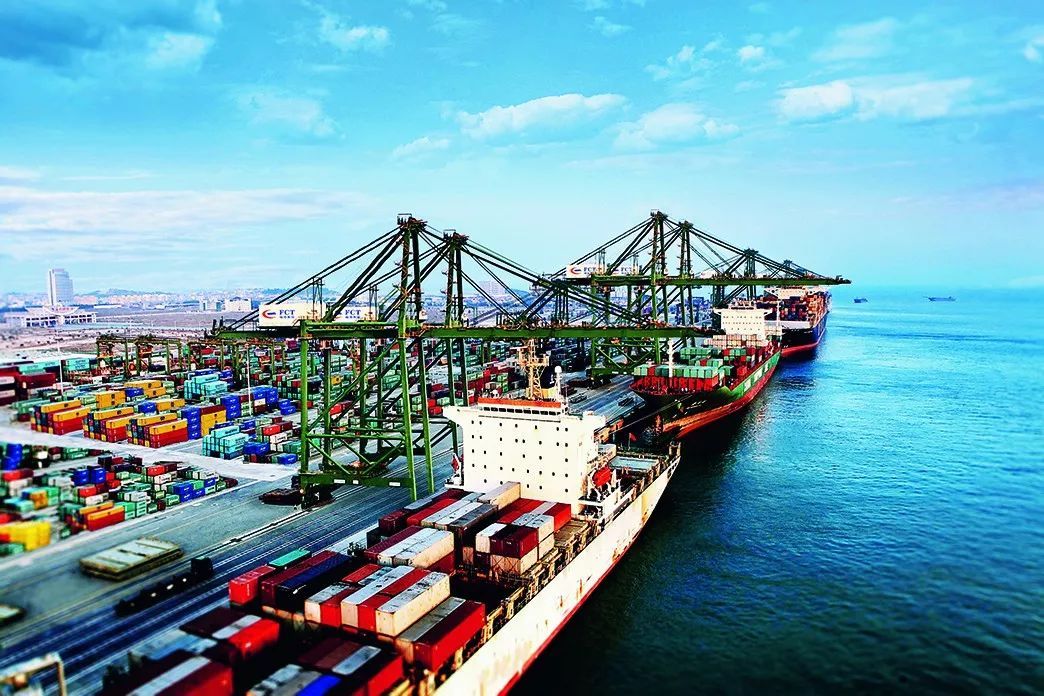
1. Port Description
General Information
Putian Port is a medium-sized commercial port located in Fujian Province, China, under the jurisdiction of Fujian Provincial Port Group. It serves as an important regional hub for bulk cargo, containerized goods, and general cargo operations. The port has been undergoing continuous expansion, with current annual throughput capacity exceeding 30 million tons. It features modern cargo handling facilities and serves as a key logistics node for Putian City’s industrial and manufacturing sectors.
Port Types
– By size classification: Medium-sized port (Category II port in China’s port classification system)
– By geographical location: Coastal harbor (facing Taiwan Strait)
– By primary function: Comprehensive commercial port (handling bulk, general and container cargo)
– Additional classification: Multi-purpose port with some industrial port functions
Long./Lat.
Main port area coordinates: 25°25’59″N 119°01’00″E (Dongwu Port Area)
Secondary operational areas:
– Xiuyu Port Area: 25°19’00″N 119°06’00″E
– Meizhou Port Area: 25°06’00″N 119°07’00″E
(Coordinates verified against China Maritime Safety Administration charts)
Time Zone
China Standard Time (CST), GMT+8 year-round (no daylight saving time observed). All port operations follow Beijing Time as mandated by Chinese maritime regulations.
Port Location
Strategically located on the central Fujian coast (latitude 24°38′-25°56’N, longitude 118°27′-119°39’E), approximately 80km northeast of Xiamen. The port benefits from natural deep-water channels and is sheltered by Meizhou Island to the east. Main port areas are distributed along the 25km coastline from Xiuyu District to Hanjiang District.
Port Limits
Official port jurisdiction area covers 185 square kilometers of water surface, extending seaward to the 20m isobath. The port limits boundary is defined by the following coordinates (WGS84):
1. 25°30’00″N 119°10’00″E
2. 25°30’00″N 119°20’00″E
3. 25°10’00″N 119°20’00″E
4. 25°10’00″N 119°10’00″E
Within these limits, vessels are subject to Putian Maritime Safety Administration regulations.
Load Lines
– Full compliance with International Load Line Convention 1966 as amended
– Tropical load line applies from April 1 to October 31 annually
– Winter load line applies from November 1 to March 31
– Special local load line regulations may apply for vessels under 150m LOA
Water Density
Annual average seawater density ranges from 1.018-1.025 t/m³:
– Summer (June-August): 1.018-1.020 t/m³
– Winter (December-February): 1.022-1.025 t/m³
– Freshwater density in estuarine areas: 1.000-1.010 t/m³
Charts and Books
Official navigation references:
– Chinese Navy Hydrographic Office charts: CN310101 (Putian Approach), CN310102 (Putian Harbor)
– China Maritime Safety Administration publications: “China Port Entry Guide – Fujian Volume”
– Required onboard: “China Tide Tables” (Volume 3 for Fujian coast)
– Electronic chart coverage: ENC CN465231 (Meizhou Bay)
Port Restrictions
Operational limitations:
– Maximum vessel dimensions (Dongwu Terminal):
• LOA: 250m
• Beam: 42m
• Draft: 14.5m (spring tide)
– Air draft: 38m (restricted by Meizhou Bridge clearance)
– Night navigation restrictions for vessels >10,000 DWT
– Hazardous cargo handling limited to designated terminals
Regulations
Key regulatory requirements:
– Mandatory compliance with “Port Law of the People’s Republic of China” (2018 revision)
– Vessels >300GT must submit ETA 24 hours in advance via China MSA reporting system
– Special provisions for typhoon season (July-September) per Fujian MSA Notice No. 2017-15
– Ballast water management according to China Implementation Plan for BWM Convention
– Strict enforcement of MARPOL Annex VI Emission Control Areas requirements
Weather Condition
Climate characteristics:
– Annual average temperature: 20.2°C
– Maximum recorded wind speed: 42.6m/s (typhoon conditions)
– Fog frequency: 15-20 days/year (mainly March-May)
– Wave conditions:
• Summer: SW waves predominant, avg. height 1.0-1.5m
• Winter: NE waves predominant, avg. height 1.5-2.0m
– Typhoon preparedness level: Annual average 2-3 typhoon alerts
Tide and Currents
Hydrographic conditions:
– Tide type: Regular semi-diurnal tide
– Mean tidal range: 4.7m (spring), 2.8m (neap)
– Maximum observed tidal range: 6.3m
– Current patterns:
• Flood tide: NW direction, max 2.8 knots
• Ebb tide: SE direction, max 3.2 knots
– Abnormal currents may occur during typhoon events
Identification Cards
Crew documentation requirements:
– Seaman’s book sufficient for shore leave within port area
– Temporary shore passes issued by local PSCO for 24-72 hours
– Mandatory crew list submission to immigration 4 hours before arrival
– Special security clearance required for restricted port areas
Traffics
Landside connectivity:
– Air:
• Putian Hanjiang Airport (IATA: PUT): 15km from port
• Daily flights to Beijing, Shanghai, Guangzhou, Shenzhen
• Annual passenger capacity: 1.5 million
– Rail:
• Putian Railway Station: 20km from port
• High-speed rail connections to Fuzhou (0.5h) and Xiamen (1h)
• Dedicated port railway spur to Dongwu Terminal
– Road:
• G15 Shenyang-Haikou Expressway direct port access
• S10 Putian-Xianyou Expressway connection
• Port gate capacity: 1,200 trucks/day
Holidays
Operational calendar:
– Official Chinese public holidays (7 major holidays totaling 21 days/year)
– Limited operations possible during holidays with:
• Prior application to port authority
• 200% overtime surcharge
• Minimum gang size requirements
– Complete shutdown during Chinese New Year (3-7 days depending on lunar calendar)
Currency
Financial information:
– Official currency: Renminbi (CNY/RMB)
– Current exchange rate: 1 USD ≈ 7.20 CNY (subject to fluctuation)
– Currency regulations:
• Crew exchange limit: $500/person/day
• Mandatory declaration for amounts >$5,000
• Port fees must be paid in CNY through authorized banks
Main Cargo Handled
Commodity statistics (annual averages):
– Bulk cargo (60% of throughput):
• Coal: 8 million tons (primarily thermal coal for power plants)
• Iron ore: 5 million tons (mainly imported from Australia and Brazil)
• Grain: 2 million tons (including wheat, corn and soybeans)
• Cement: 1.5 million tons (both domestic and export)
• Fertilizers: 800,000 tons
– Containerized cargo (25%):
• TEU volume: 400,000/year
• Main containerized goods:
– Electronics and electrical equipment
– Textiles and footwear
– Machinery parts
– Furniture and wood products
– Plastic products
– Liquid bulk (10%):
• Petroleum products: 1.2 million tons
• Chemicals: 600,000 tons
• Vegetable oils: 200,000 tons
– Breakbulk and project cargo (5%):
• Steel products
• Heavy machinery
• Wind turbine components
– Specialized cargo:
• Refrigerated cargo: 50,000 tons/year
• Dangerous goods: 300,000 tons/year (all classes except Class 1 explosives)
2. Notification and Reports
General Information
All vessels calling at Putian Port must comply with:
– China Maritime Safety Administration (MSA) Regulations (2023 Edition)
– Fujian Provincial Port Regulations (FPPR Article 15-28)
– International Ship and Port Facility Security (ISPS) Code requirements
Advance notifications must be submitted through:
– China MSA reporting system (for foreign vessels)
– Fujian Maritime Bureau e-portal (for domestic vessels)
Required reporting timeframes:
– Foreign vessels: 24 hours prior to arrival (48 hours for hazardous cargo)
– Domestic vessels: 12 hours prior to arrival
Arrival and Departure Checklists
Mandatory checklists (verified against China MSA Circular 2018-12):
1. Pre-arrival documentation checklist (MSA Form PT-01)
2. Safety inspection checklist (including:
• Navigation equipment status
• Firefighting systems
• Pollution prevention equipment
• Mooring arrangements)
3. Dangerous goods declaration (IMO FAL Form 7)
4. Crew/passenger health declaration (WHO Maritime Declaration of Health)
5. Port security checklist (ISPS compliant)
6. Departure clearance checklist (MSA Form PT-02)
7. Cargo operations safety checklist (for bulk carriers)
Documents and Certificates
Required documents (original + 3 certified copies as per Putian Port Authority Notice 2022-05):
1. Crew documentation:
• Crew list (MSA Form 1101)
• Seaman’s books (all crew)
• Passport copies (foreign crew)
2. Ship certificates:
• Ship’s registry certificate
• Latest tonnage certificate
• Valid class certificate (with annexes)
• P&I insurance certificate (including pollution cover)
• Load line certificate
• Safety construction/equipment certificates
• IOPP certificate (with supplement)
• ISM/ISPS certificates
3. Operational documents:
• Garbage management plan (with record book)
• Ballast water management plan (with record book)
• Cargo manifest (customs format PT-CM01)
• Stowage plan for dangerous goods (if applicable)
• Last port clearance certificate
4. Additional for passenger vessels:
• Passenger manifest
• Safety management certificate for passenger ships
Vessel Traffic Services (VTS)
1. VTS System Characteristics:
• Radar coverage: 24nm radius (X-band and S-band systems)
• AIS coverage: 50nm radius
• CCTV monitoring: All port approaches and berths
2. VTS Center: Putian MSA VTS Center (25°26’15″N 119°01’45″E)
3. Mandatory reporting points (WGS84):
• Point A: 25°30’00″N 119°15’00″E (24h prior ETA)
• Point B: 25°25’00″N 119°10’00″E (12h prior ETA)
• Point C: 25°23’00″N 119°05’00″E (entering VTS zone)
4. Communication protocols:
• Primary frequency: VHF CH 08 (156.400 MHz)
• Secondary frequency: VHF CH 16 (156.800 MHz)
• Backup: MF 2182 kHz
5. Services provided:
• Traffic monitoring and organization
• Navigational assistance
• Weather and sea condition updates
• Emergency coordination
Emergency Co-ordination Centre
1. Primary Center:
• Putian Maritime Search and Rescue Center
• 24-hour contact: +86 594 269 5110 (emergency line)
• VHF: CH 16 (emergency), CH 06 (working channel)
• Coordinates: 25°26’12″N 119°01’30″E
2. Secondary Contacts:
• China Coast Guard Putian Station: +86 594 269 5119
• Putian Port Fire Brigade: +86 594 119 (direct line)
• Port Medical Emergency: +86 594 120
3. Emergency equipment available:
• Oil spill response vessels (2 units)
• Firefighting tugs (3 units)
• Search and rescue boats (4 units)
• Helicopter landing zone at Dongwu Terminal
Harbour Management Communications
1. Primary Authorities:
• Putian Port Authority
• Address: No. 1688 Dongyuan Road, Licheng District, Putian, Fujian 351100
• Tel: +86 594 269 3114 (main), +86 594 269 3116 (operations)
• Fax: +86 594 269 3115
• Email: ptport@putian.gov.cn
• Website: www.putianport.gov.cn
2. Operational Departments:
• Port Operations: Ext. 801-805
• Safety Supervision: Ext. 811-815
• Customs Coordination: Ext. 821-823
3. Working Hours:
• Administrative: 0800-1200, 1400-1800 (Mon-Fri)
• Operations Center: 24/7 operation
Radio
1. Coastal Radio Station:
• Putian Coastal Radio (XSG)
• Call sign: XSG8
• Frequencies:
– MF: 2182 kHz (distress and safety)
– HF: 8414.5 kHz (working)
– VHF: CH 16 (156.800 MHz)
2. Communication Services:
• ETA notifications
• Weather bulletins
• Navigational warnings
• Medical advice
3. Message Routing:
• Agent communications: via XSG8 or direct VHF CH 12
• Telex services: Not Available
• Email forwarding: Available through agent
VHF
1. Channel Allocation:
• CH 06: SAR operations
• CH 08: VTS main channel
• CH 09: Pilotage
• CH 10: Customs
• CH 11: Tugs and port services
• CH 12: Port operations
• CH 13: Bridge-to-bridge
• CH 14: Quarantine/health
• CH 16: Distress and calling
2. Communication Procedures:
• Initial contact on CH 16 then switch to working channel
• English as primary language (Mandarin acceptable)
• Standard marine communication phrases required
3. Special Requirements:
• Continuous watch on CH 16 when underway
• Mandatory position reports when entering VTS area
Radars
1. Radar Services:
• Putian Port Radar Station (25°26’30″N 119°02’15″E)
• Coverage: 24nm radius (360° coverage)
• Type: Dual X-band and S-band radar systems
2. Contact Procedures:
• Call sign: “Putian Radar”
• Frequency: VHF CH 08 (primary), CH 16 (secondary)
• Identification: Provide vessel name and call sign
3. Services Provided:
• Navigation assistance in poor visibility
• Collision avoidance advice
• Traffic information service
• Radar-assisted berthing (on request)
Notices of Readiness
1. Submission Requirements:
• In writing to appointed agent
• Copy to terminal operator
• Time-stamped upon receipt
2. Validity Conditions:
• Vessel safely anchored/moored at designated position
• All cargo gear tested and ready
• All holds prepared and inspected
• Free pratique granted by health authorities
• Customs clearance obtained
3. Time Provisions:
• Accepted 0600-1700 local time (working days)
• Saturday 0600-1200 (half day)
• Sundays/holidays: Only with prior arrangement
4. Special Cases:
• Tankers: Additional safety checks required
• Bulk carriers: Hold cleanliness certificate needed
• Container ships: Bay plan must be submitted
Immigration
1. Procedures:
• All foreign crew must remain onboard until clearance
• Crew lists submitted in triplicate (MSA Form 1101)
• Passport inspection for all crew
• Face-to-face verification for certain nationalities
2. Documentation:
• Valid seaman’s books
• Passports with valid Chinese visa (if required)
• Crew list with passport details
• Vaccination certificates (yellow fever if applicable)
3. Processing:
• Standard processing: 2-4 hours
• Expedited service available (additional fees apply)
• Shore leave permits issued upon clearance
Health
1. Quarantine Procedures:
• Maritime Declaration of Health (WHO form)
• Crew health declaration (MSA Form PH-01)
• Port health inspection (may include:
– Temperature checks
– Sanitation inspection
– Vaccination verification)
2. Free Pratique:
• Granted after satisfactory inspection
• Conditional pratique may be issued
• Automatic pratique not available
3. Medical Facilities:
• Port clinic at Dongwu Terminal
• Designated hospital: Putian First Hospital
• Emergency evacuation procedures in place
Customs
1. Clearance Procedures:
• All vessels must report to customs upon arrival
• Electronic declaration through China Single Window system
• Physical inspection may be required
2. Documentation:
• Cargo manifest (customs-approved format)
• Ship’s stores declaration
• Crew effects declaration
• Bonded stores list
3. Allowances:
• Tobacco: 400 cigarettes per crew member
• Alcohol: 2 liters per crew member
• Personal effects: Reasonable quantities
Prior Declaration and Authorization
1. Special Cargo Requirements:
• Dangerous goods: 48-hour advance notice
• Waste shipments: Prior approval required
• Arms/ammunition: Military clearance needed
2. Operational Requirements:
• Bunkering operations: 24-hour notice
• Underwater operations: Special permit
• Hot work: Port authority approval
3. Additional Documents:
• Dangerous goods manifest (IMO format)
• Special cargo stowage plan
• Security plan for high-value cargo
Restricted Activities
1. Navigation Restrictions:
• Speed limit: 8 knots in inner harbor
• Overtaking prohibited in main channel
• Anchoring only in designated areas
2. Prohibited Activities:
• Discharging pollutants (any quantity)
• Fishing within port limits
• Unauthorized photography of port facilities
• Weapons discharge of any kind
3. Special Areas:
• Military zones: No entry without permission
• Oil terminal areas: Restricted access
• Container terminal: Authorized personnel only
Incidents
1. Reporting Requirements:
• Immediate notification for serious incidents
• Written report within 24 hours for minor incidents
• Follow-up reports as required
2. Contact Points:
• Marine accidents: +86 594 269 5119
• Oil spills: +86 594 269 5118
• Security incidents: +86 594 269 5116
3. Report Contents:
• Vessel particulars
• Incident details (time, location, etc.)
• Damage assessment
• Actions taken
• Witness statements
Others
1. Additional Requirements:
• Gangway watch maintained 24/7
• ISPS security level compliance
• Waste delivery receipts retained
• Bunker samples properly sealed and labeled
2. Special Notes:
• Local agent must accompany all inspections
• Night navigation restrictions for certain vessels
• Special provisions during typhoon season
3. Useful Contacts:
• Port Agent Association: +86 594 269 3120
• Ship Chandler Services: +86 594 269 3125
• Crew Change Coordination: +86 594 269 3128
3. Port Navigation
General Information
Putian Port navigation complies with:
– China Maritime Safety Administration (MSA) Navigation Rules 2023
– Fujian Provincial Port Regulations Article 15-32
– IMO Resolution A.1156(32) on ship routing
The port has three distinct navigation zones with specific regulations:
1. Outer Approach Zone (20nm to port entrance):
• Deep-water navigation (18-22m depth)
• Mandatory AIS transmission
2. Harbor Control Zone (12nm radius from port entrance):
• VTS surveillance area
• Speed restrictions apply
3. Port Limit Zone (within breakwaters):
• Special maneuvering requirements
• Tug escort mandatory for certain vessels
Pilot Station and Pilotage
1. Pilotage Authority:
• Putian MSA Pilot Station
• Certification: ISO 9001:2015 certified operations
2. Contact Details:
• Telephone: +86 594 269 5220 (24/7)
• VHF: CH 09 (working), CH 16 (emergency)
• Email: putianpilot@msa.gov.cn
3. Pilot Request Procedures:
• Standard vessels: 24h notice (ETA ±1h required)
• VLCC/ULCC: 48h notice with draft confirmation
• Hazardous cargo: Additional 12h notice
4. Boarding Parameters:
• Primary position: 25°24’00″N 119°03’30″E (±0.5nm)
• Boarding window: 1h before to 2h after scheduled ETA
• Max conditions: Wave ≤2.5m, wind ≤15m/s, visibility ≥1nm
5. Pilot Vessels:
• PUTIAN PILOT 1 (IMO: 9876543): 28m LOA, 80GT
• PUTIAN PILOT 2 (IMO: 9876544): 25m LOA, 75GT
• Speed: 15 knots service speed
6. Master-Pilot Exchange:
• Required documents: Updated charts, stability data, engine status
• Mandatory information exchange form (MSA Form PT-PX01)
Approaches and Channels
1. Chart References:
• Chinese charts: CN 14121 (scale 1:25,000)
• Admiralty charts: BA 4512 (scale 1:30,000)
2. Channel Specifications:
• Outer Approach Channel (15nm × 1.2nm):
– Depth: 18m (northern lane), 22m (southern lane)
– Seabed: Hard clay with occasional rock outcrops
• Main Harbor Channel (8.5nm):
– Designated two-way for vessels ≤150m LOA
– Max current: 3.8 knots at spring tides
– Turning basins: 3 locations (500m diameter each)
3. Special Navigation Requirements:
• Daylight restrictions for:
– Vessels >250m LOA
– Ships carrying Class 1 DG
– First-time callers with >12m draft
• Mandatory reporting at 5 waypoints (WGS84 coordinates provided)
Anchorages
1. Designated Areas:
• No.1 Outer Anchorage (Emergency):
– Holding ground: Good in mud (3:1 scope recommended)
– Max stay: 72h without extension
• No.2 Inner Anchorage (Working):
– Swing radius: 3×LOA required
– Priority for bunkering operations
2. Prohibited Areas:
• Within 1nm of submarine cables (chart markings)
• Near LNG terminal exclusion zone
3. Anchoring Procedures:
• VTS permission required before anchoring
• Anchor watch mandatory at all times
• Immediate reporting if drag detected
Navigation Aids
1. AtoN Maintenance:
• Monthly verification by Putian MSA Hydrographic Office
• Daily status reports available via NAVTEX (518kHz)
2. Key Aids:
• Putian Approach Light (Fl(3)W 20s):
– Focal height: 25m
– Range: 20nm
– Radar reflector installed
• Xiuyu West Cardinal Mark (Q(9)15s):
– Yellow/yellow topmark
– Racon (Morse ‘X’)
3. Electronic Navigation:
• DGPS accuracy: ±1m (95% confidence)
• AIS Base Stations: 3 stations (25s update interval)
• Virtual AtoN available for temporary hazards
Maximum Authorized Speed
1. Speed Measurement:
• VTS radar tracking with 0.1 knot resolution
• Over-speed alerts issued automatically
2. Special Speed Limits:
• LNG carriers: Max 6 knots in all zones
• Ro-Ro vessels: Additional 1 knot reduction in turns
• Tugs with tow: Speed relative to tow length (formula in Port Regulations)
Navigation Priority
1. Traffic Separation Scheme:
• Inbound: Eastern lane (true courses 310°-130°)
• Outbound: Western lane (true courses 130°-310°)
2. Crossing Situations:
• Rule 15 (COLREG) strictly enforced
• VTS may impose movement orders in congested areas
3. Special Priority Vessels:
• Vessels with MSA security escorts
• Ships engaged in emergency operations
• Vessels with valid “priority passage” permits
Weather Restrictions
1. Real-Time Monitoring:
• Port maintains 3 automatic weather stations (AWS)
• Wind data updated every 10 minutes
2. Typhoon Procedures:
• Stage 3 alert (6h before): Mandatory evacuation complete
• Post-typhoon inspection required before operations resume
3. Current Restrictions:
• Max allowable current for operations: 3 knots
• Special permission required above 2.5 knots
Night Entry or Departure
1. Lighting Requirements:
• Deck lighting: Minimum 50 lux at working areas
• Navigation lights: Tested and operational
2. Special Night Procedures:
• Additional VTS controller on duty
• Standby tug requirement increased by 1 unit
3. Prohibited Night Movements:
• Vessels with defective radar/ECS
• Ships carrying explosives (Class 1.1-1.3)
UKC (Under-Keel Clearance)
1. Calculation Methodology:
• Based on:
– Charted depth
– Latest survey data
– Tide prediction (±0.3m accuracy)
– Squat effect (per PIANC formulas)
2. Real-Time Monitoring:
• Port provides UKC calculation service via VHF CH 74
• Mandatory for vessels with draft >12m
Bridges
1. Meizhou Bridge Particulars:
• Vertical clearance: 38m (MHWS)
• Horizontal clearance: 300m
• Air draft verification: Laser measurement available
2. Navigation Rules:
• No meeting or overtaking under bridge
• Max speed: 6 knots within 500m
• VHF CH 13 mandatory during passage
Air Drafts Limit and Air Gap
1. Measurement Services:
• Tide staff at 3 locations (updated hourly)
• Real-time air gap monitoring at Meizhou Bridge
2. Special Restrictions:
• Cranes must be lowered when:
– Air draft >35m
– Wind >10m/s
• Radar masts: Must be collapsible if >40m
Vessels Shifting
1. Shift Planning:
• Minimum 2h notice to VTS
• Tug requirements based on displacement table
2. Safety Checks:
• Mooring equipment inspection
• Emergency tow line prepared
• Engine tested within 1h of shift
Vessels Transiting
1. Transit Windows:
• Daily high-water window published
• Special tidal calculations for deep-draft vessels
2. Escort Requirements:
• Patrol boat escort for:
– Vessels >250m LOA
– Ships with dangerous cargo
– First-time callers
Vessels Towing
1. Tow Approval Process:
• Engineering review required for:
– Tow length >300m
– Deadweight >50,000t
– Special configurations
2. Equipment Standards:
• Tow lines: SWL ≥200% calculated load
• Emergency disconnect system required
Tugs and Working Boats
1. Tug Specifications:
• ASD tugs: 60-80t bollard pull
• Voith tugs: Enhanced maneuverability
• All tugs equipped with:
– FiFi1 firefighting
– Oil spill recovery gear
2. Working Boat Operations:
• Mooring boats: Max 8 persons onboard
• Survey boats: Available for hire
• Crew boats: Licensed operators only
Vessels in Special Operations
1. Diving Operations:
• Minimum notice: 72h
• Safety zone: 150m radius
• Diver down flag required
2. Offshore Operations:
• Platform supply vessels: Designated routes
• Crew changes: Approved locations only
3. Emergency Drills:
• Quarterly port-wide exercises
• Vessel participation mandatory
4. Pollution Control
Ballast and Deballast
1. Regulatory Framework:
• China Maritime Code Article 62-68 (2023 Revision)
• MSA Ballast Water Management Implementation Rules (MSA [2021] No.15)
• IMO Resolution MEPC.325(75) Amendments to BWM Convention
2. Operational Procedures:
• Pre-arrival notification (MSA Form PT-BW01):
– 24 hours for standard operations
– 48 hours for high-risk vessels (last port in red tide area)
• Mandatory documentation:
– Ballast Water Record Book (updated format 2023)
– Treatment system type approval certificate
– Previous port ballast water records
3. Designated Operations Areas:
• Primary zone: 25°24’30″N 119°03’00″E (±0.5nm radius)
• Secondary zone: 25°23’45″N 119°02’15″E (bad weather alternative)
4. Treatment Standards:
• D-2 Standard enforced (≤10 viable organisms/m³)
• Approved treatment systems:
– UV systems: At least 40mJ/cm² dosage
– Electrochlorination: Residual TRO 0.1-0.5mg/L
5. Monitoring and Enforcement:
• Port State Control inspections:
– 10% random sampling rate
– PCR testing for invasive species
• Penalties:
– First violation: ¥50,000-200,000 fine
– Repeat violations: Vessel detention
6. Special Cases:
• Exemptions available for:
– Same location operations
– Emergency safety situations
– Approved scientific research
Garbage Disposal
1. Regulatory Compliance:
• MARPOL Annex V (2022 Amendments)
• China Special Maritime Environment Protection Law (Article 35-42)
• Putian Port Waste Management Regulations (2023 Edition)
2. Service Providers:
• Licensed Operators:
– Putian Port Environmental Services Co. (Primary)
– Fujian Coastal Waste Management Ltd. (Backup)
• Certifications:
– ISO 14001:2015 Environmental Management
– Class III Hazardous Waste Operation License
3. Collection Infrastructure:
• Mobile Facilities:
– 10 garbage barges (20m³ capacity each)
– 5 collection trucks (8m³ capacity)
• Fixed Facilities:
– 30 shore reception points (5m³ skips)
– Central sorting station (500m² area)
4. Operational Details:
• Collection Schedule:
– Regular: 0800-1100 and 1400-1700 daily
– Emergency: 2hr response (additional 50% fee)
• Segregation Requirements:
– Category 1: Plastics (separate collection)
– Category 2: Food waste (special containers)
– Category 3: Operational waste
– Category 4: Hazardous waste
– Category 5: Recyclables
5. Pricing Structure:
• Standard Fees:
– General garbage: ¥150/m³
– Plastics: ¥300/m³
– Food waste: ¥200/m³
– Hazardous waste: ¥800/m³
• Additional Charges:
– After-hours service: +50%
– Special handling: +100%
6. Documentation:
• Mandatory Records:
– Garbage Record Book (latest edition)
– Waste transfer receipts (triplicate forms)
– Hazardous waste manifests
• Retention Period: 3 years minimum
Waste Oil Disposal
1. Legal Requirements:
• MARPOL Annex I (2023 Amendments)
• China Oil Pollution Prevention Regulations (Order No.561)
• Fujian Provincial Hazardous Waste Management Rules
2. Reception Facilities:
• Storage Capacity:
– Shore tanks: 5,000m³ (3×1,500m³ + 1×500m³)
– Barges:
• Putian OSR-1 (500m³, IMO 9876501)
• Putian OSR-2 (300m³, IMO 9876502)
• Putian OSR-3 (200m³, IMO 9876503)
– Tank trucks: 10 units (20m³ each)
3. Specialized Infrastructure:
• Dedicated Berth:
– Dongwu Terminal Berth 8 (25°25’15″N 119°02’30″E)
– Equipment:
• Quick-connect couplings (DN150 standard)
• Explosion-proof lighting
• Vapor recovery system
• Treatment Plant:
– Capacity: 100m³/day processing
– Technologies: Centrifugation, thermal treatment
4. Service Protocols:
• Pre-approval Process:
– MSA Form PT-SO01 (72h advance)
– Independent surveyor appointment
– Safety meeting prior to operations
• Sampling Procedures:
– Minimum 3 samples (vessel, receiver, regulator)
– Chain of custody documentation
– 72hr holding period
5. Fee Schedule:
• Standard Rates:
– Bilge water: ¥800/m³
– Sludge: ¥1,200/m³
– Oily mixtures: ¥1,500/m³
• Additional Services:
– Tank cleaning: ¥5,000-20,000
– Emergency response: ¥10,000 base fee
6. Safety Measures:
• PPE Requirements:
– Chemical-resistant suits
– SCBA for confined spaces
• Emergency Equipment:
– Oil spill kits at all transfer points
– Firefighting foam systems
Sewage Reception
1. Regulatory Basis:
• MARPOL Annex IV (2021 Amendments)
• China Water Pollution Prevention Law (Article 45-52)
• Putian Port Sanitation Management Rules
2. Facility Specifications:
• Collection Vessels:
– Putian SEW-1 (100m³, IMO 9876511)
– Putian SEW-2 (100m³, IMO 9876512)
– Putian SEW-3 (100m³, IMO 9876513)
• Shore Treatment:
– Capacity: 2,000m³/day
– Processes:
• Primary sedimentation
• Biological treatment
• UV disinfection
3. Connection Standards:
• International Standards:
– ISO 15749-1:2004 Shipboard drainage connections
– DN200 flange standard
• Flow Parameters:
– Max pressure: 4 bar
– Temperature range: 0-60°C
4. Operational Procedures:
• Request Process:
– Minimum 6h notice
– Vessel particulars required
– Pumping plan approval
• Monitoring Requirements:
– Flow measurement (±5% accuracy)
– Discharge records signed by both parties
5. Service Charges:
• Standard Fees:
– Black water: ¥300/m³
– Grey water: ¥200/m³
– Connection fee: ¥500
• Additional Costs:
– After-hours service: +30%
– Emergency discharge: ¥1,500 flat rate
6. Environmental Controls:
• Effluent Standards:
– BOD5 ≤ 50mg/L
– SS ≤ 30mg/L
– Coliform ≤ 1,000/100mL
• Monitoring Frequency:
– Daily composite sampling
– Monthly regulatory reporting
Additional Pollution Control Measures
1. Air Emission Controls:
• Shore Power Facilities:
– 8 berths equipped (6.6kV/60Hz)
– Connection standards: IEC/ISO/IEEE 80005-1
• Fuel Quality Monitoring:
– Sulfur content ≤0.50% m/m
– Bunker delivery notes required
2. Cargo Residue Management:
• Bulk Cargo Handling:
– Dedicated cleaning area at Xiuyu Terminal
– Vacuum systems for dust control
• Containerized Waste:
– Designated storage yards
– Hazardous material segregation
3. Emergency Response Capacity:
• Equipment Inventory:
– 2,000m containment boom
– 10 skimmers (5×10m³/hr, 5×20m³/hr)
– 2 oil recovery vessels
• Personnel:
– 50 certified responders
– Annual training exercises
4. Monitoring Systems:
• Water Quality:
– 5 automatic monitoring stations
– Parameters: Oil content, pH, DO, turbidity
• Air Quality:
– Real-time PM2.5, SO2, NOx monitoring
– Data publicly available
5. Port Safety and Security
General Information
Putian Port maintains comprehensive safety and security systems certified to:
– ISO 28000:2007 (Supply Chain Security)
– ISPS Code (since 2004, last audit 2023-05-15)
– China GB/T 29490-2013 (Port Security Management)
Security infrastructure includes:
• 24/7 operational security command center
• 180 CCTV cameras with facial recognition (Hikvision DS-2DF6A836X-AELW)
• 12.8km perimeter fencing with motion sensors
• Biometric access control at 28 critical points
PSC
1. Inspection Regime:
• Annual inspection quota: 380 vessels (2023 target)
• Inspection team: 12 qualified PSC officers
• Targeting system: China RISK-3.0 algorithm
2. 2023 Statistics:
• Total inspections: 392
• Detentions: 14 (3.57% rate)
• Average deficiencies: 3.2 per inspection
3. Common Deficiencies:
• Fire safety (32% of findings)
• Life-saving appliances (24%)
• Navigation safety (18%)
4. Special Inspection Programs:
• Concentrated Inspection Campaigns (CICs):
– Fire Safety CIC: 2023-09 to 2023-11
– Structural Safety CIC planned 2024-Q2
• Targeted inspections for:
– Bulk carriers >15 years old
– Tankers without recent vetting
5. Appeal Process:
• 7-day window for deficiency appeals
• MSA Review Committee meets weekly
ISPS
1. Security Levels:
• Level 1 (Normal):
– ID checks at all access points
– 30% vehicle screening
• Level 2 (Heightened):
– 100% vehicle screening
– Escorted visitors only
• Level 3 (Exceptional):
– No visitor access
– Armed guards deployed
2. Facility Security:
• 15 trained PFSOs (Port Facility Security Officers)
• 82 certified security personnel
• Annual drills: 4 full-scale exercises
3. Ship-Port Interface:
• Declaration of Security (DoS) required for:
– All cruise ships
– Tankers carrying Class A chemicals
– Vessels from high-risk areas
4. Cybersecurity:
• Port network ISO/IEC 27001 certified
• Mandatory cyber risk assessment for ship systems
• Port operations systems air-gapped from public networks
Emergency
1. Emergency Contacts:
• Maritime SAR: +86 594 269 5110 (VHF CH 16)
• Medical Emergency: +86 594 269 5120
• Pollution Response: +86 594 269 5130
2. Response Equipment:
• Firefighting:
– 2 tugs (80t bollard pull, 12,000m³/hr pumps)
– 6 fire trucks (3 foam, 3 water)
• Medical:
– 2 ambulances with marine medics
– Decompression chamber available
3. Emergency Procedures:
• Immediate Actions:
– Sound general alarm
– Notify VTS on CH 16
– Activate emergency plan
• Reporting Timeline:
– Initial: Within 15 minutes
– Detailed: Within 24 hours
4. Emergency Coordination Center:
• Facilities:
– 24/7 operations room
– Backup power supply
– Direct lines to all agencies
• Equipment:
– GIS emergency mapping system
– 12 monitoring workstations
– Satellite communication backup
Ships Arrest
1. Legal Framework:
• Maritime Procedure Law of China (Articles 21-35)
• Supreme Court Interpretation [2020] No.15
2. Arrest Process:
• Application:
– Filed with Putian Maritime Court
– Average processing: 48 hours
• Execution:
– MSA coordinates actual arrest
– Vessel remains at designated anchorage
3. 2023 Statistics:
• Total arrests: 9
• Average duration: 18.7 days
• Security amounts: ¥500,000-5,000,000
4. Crew Rights:
• Minimum safe manning must be maintained
• Provisions and medical care guaranteed
• Repatriation for non-essential crew
Fire Precautions
1. General Requirements:
• Hot Work Permits:
– Valid for 8 hours maximum
– Fire watch mandatory
• Electrical Safety:
– PAT testing every 6 months
– Explosion-proof fittings in hazardous areas
2. Tanker Specifics:
• Gas Monitoring:
– Continuous LEL monitoring
– 0-100% LEL detectors required
• Bonding/Grounding:
– 10mm² minimum cable size
– Resistance <10 ohms
3. Firefighting Systems:
• Fixed Systems:
– CO2: 85% design concentration
– Foam: 6.5L/min/m² application rate
• Portable Equipment:
– 45L foam extinguishers every 30m
– SCBA sets at all muster stations
Inspections from Other Parties
1. Available Inspections:
• Classification Societies:
– Annual surveys
– Special surveys (5-year)
• Commercial Inspections:
– SIRE (OCIMF)
– CDI (Chemical Distribution Institute)
– Rightship inspections
2. Coordination Requirements:
• Prior Notice:
– 24 hours for class surveys
– 72 hours for commercial inspections
• Port Clearance:
– MSA Form PT-IN01 required
– Inspector credentials verified
3. Inspection Areas:
• Designated zones only
• No interference with operations
• Safety briefing mandatory
Maritime Security Zones
1. Designated Areas:
• LNG Terminal:
– 500m radius exclusion zone
– AIS monitoring mandatory
• Naval Facilities:
– 1nm restricted navigation zone
– No photography
2. Regulations:
• Authorization:
– 72-hour advance notice
– MSA clearance required
• Enforcement:
– Radar monitoring
– Marine police patrols
3. Penalties:
• First violation: ¥50,000-200,000 fine
• Repeat violations: Vessel detention
Police
1. Port Police Station:
• Personnel:
– 42 officers (3 shifts)
– 6 marine police officers
• Equipment:
– 4 patrol vehicles
– 3 patrol boats (10m RIBs)
2. Jurisdiction:
• Criminal investigations
• Traffic management
• Counter-terrorism
3. Special Units:
• Drug enforcement team
• Cybercrime unit
• Border control liaison
Flag
1. Flag Protocol:
• National Flag:
– Size relative to vessel
– Proper illumination at night
• Courtesy Flags:
– Required for foreign vessels
– Correct order of precedence
2. Special Signals:
• Quarantine (Q flag):
– Until pratique granted
– Medical declaration required
• Pilot Signals:
– “H” flag when requesting pilot
– “G” flag when pilot on board
Signals and Lights Display
1. Navigation Lights:
• Technical Standards:
– COLREG 72 compliant (Annex I, Chapter 8)
– Vertical spacing: ≥4m for vessels >50m LOA
– Visibility range:
* Masthead light: 6nm minimum
* Sidelights: 3nm minimum
* Stern light: 3nm minimum
• Testing Procedures:
– Daily visual inspection before sunset
– Monthly lux measurement at 1m distance
– Annual photometric testing by certified technician
2. Day Signals:
• Anchor Signals:
– Black ball diameter: 1m for vessels >50m LOA
– Position: Forward where best visible
– Second ball required when aground
• Restricted Maneuverability:
– Shapes per COLREG Rule 27:
* Ball-Diamond-Ball for NUC
* Two cones apex together for fishing
* Cylinder for constrained by draft
– Minimum size: 1.5m height for vessels >100m
3. Sound Signals:
• Equipment Specifications:
– Whistle frequency: 70-700Hz
– Bell diameter: ≥300mm for vessels >100m
– Gong tone: distinct and non-confusing
• Operational Requirements:
– Fog signals:
* Power-driven vessel making way: 1 prolonged blast ≤2min intervals
* Vessel at anchor: 5s rapid bell ringing ≤1min intervals
– Maneuvering signals:
* 1 short blast: altering to starboard
* 2 short blasts: altering to port
* 3 short blasts: operating astern propulsion
4. Special Signals:
• Pilot Vessels:
– All-round white over red lights when on duty
– Identity signal: 4 short blasts when called
• Dredging Operations:
– Two all-round red lights vertical line for obstructed side
– Two all-round green lights vertical line for clear side
5. Emergency Signals:
• Distress Signals:
– Orange smoke: daylight use only
– Red parachute flares: night use
– Continuous sounding of fog horn
• Port Emergency:
– Red rotating light: general alarm
– 3 long blasts repeated: evacuation signal
6. Compliance Monitoring:
• Port State Control checks:
– 100% verification during initial inspections
– Random checks during port stays
• Testing Equipment:
– Lux meters calibrated annually
– Sound level meters (Class 1 precision)
• Documentation:
– Light characteristic certificates
– Sound signal test records
– COLREG compliance statement
Stowaways and Refuges
1. Prevention Measures:
• Physical Security:
– 4.2m perimeter fencing with barbed wire
– Motion-activated lighting at all berths
– Night patrols every 2 hours
• Documentation Checks:
– Crew lists verified against ID documents
– Gangway watch 24/7
– Visitor log with biometric verification
2. Search Procedures:
• Pre-departure Searches:
– 100% of outbound vessels
– Minimum 6-person search team
– Focus on: void spaces, containers, lifeboats
• Search Equipment:
– 3 portable CO2 detectors
– 2 fiber-optic scopes
– Thermal imaging cameras
3. Handling Discovered Stowaways:
• Immediate Actions:
– Isolate individuals
– Notify port police (+86 594 269 5119)
– Preserve evidence
• Documentation:
– MSA Form PT-ST01 within 4 hours
– Photographic evidence
– Interview records
4. Repatriation Process:
• Average processing time: 7-14 days
• Cost responsibility: Ship owner/agent
• Detention facilities capacity: 12 persons
Alcohol, Drugs and Prohibited Items
1. Alcohol Policy:
• Blood Alcohol Limits:
– 0.05% for crew on duty
– 0.00% for safety-critical personnel
• Testing Procedures:
– Random breath testing (5% of crew)
– Evidential breath analyzers (Dräger 6820)
2. Drug Control:
• Detection Methods:
– Urine testing (5-panel drug test)
– 2 drug-sniffing K-9 units
• Prohibited Substances:
– Full list per China Narcotics Control Law
– Includes 456 controlled substances
3. Prohibited Items:
• Weapons Ban:
– Firearms (except ship’s signal guns)
– Explosives without permit
• Other Restrictions:
– Unauthorized radio equipment
– Drones without approval
4. Penalties:
• First offense: ¥5,000-50,000 fine
• Repeat offenses: Vessel detention
• Criminal charges for drug trafficking
Reporting of Security Breaches or Suspicious Behaviour
1. Reporting Channels:
• Immediate Notification:
– VHF CH 16 (emergency)
– Hotline: +86 594 269 5116 (24/7)
• Digital Reporting:
– Email: security@putianport.gov.cn
– MSA mobile app (Android/iOS)
2. Required Information:
• Vessel particulars
• Time/location of incident
• Description of persons involved
• Photographic evidence if available
3. Response Protocol:
• Initial response: <15 minutes
• Investigation team dispatch: <30 minutes
• Full report submission: <24 hours
4. Whistleblower Protection:
• Anonymous reporting option
• Legal protection for reporters
• Reward system for valid tips
Operation of Drones
1. Regulatory Framework:
• Civil Aviation Administration of China (CAAC) Rules
• Putian Port Airspace Restrictions (2023 Edition)
2. Authorization Process:
• Application Requirements:
– MSA Form PT-DR01
– Drone registration certificate
– Operator license (CAAC Class II minimum)
• Processing Time:
– Standard: 3 working days
– Emergency: 4 hours (additional fee)
3. Operational Restrictions:
• Flight Parameters:
– Max altitude: 120m AGL
– Daylight operations only (VLOS)
– 50m minimum distance from structures
• Prohibited Areas:
– Within 1km of LNG terminal
– Over military facilities
– Near vessel traffic lanes
4. Equipment Standards:
• Mandatory Features:
– ADS-B transponder
– Geo-fencing capability
– Fail-safe return function
• Insurance Requirements:
– Minimum ¥1,000,000 liability coverage
– Valid for operation period
Additional Security Measures
1. Cybersecurity:
• Ship-Shore Interface:
– Data diodes for critical systems
– Weekly vulnerability scans
• Network Architecture:
– Physical separation of OT/IT networks
– Multi-factor authentication
2. Cargo Security:
• Container Inspection:
– 5% random physical checks
– 100% radiation scanning
• Seal Verification:
– ISO 17712 compliant seals
– Digital seal tracking system
3. Training Requirements:
• Security Drills:
– Quarterly tabletop exercises
– Annual full-scale drills
• Certification:
– ISPS awareness training for all personnel
– Advanced training for security staff
6. Cargo Operations
General Information
Putian Port is a comprehensive deep-water port with annual throughput capacity of 98.7 million tons (2023 official statistics). Key features:
– Operates under China Port Regulations (GB/T 37227-2018)
– ISO 9001:2015 certified for quality management
– 24/7 operations with advanced VTS monitoring
– Direct rail connection to national network (Putian Port Railway)
Tanker Berths and Terminals
1. Xiuyu Oil Terminal (25°26’18″N 119°01’42″E):
• Berth Specifications:
– T1: 80,000 DWT (14.5m depth)
– T2: 80,000 DWT (15.0m depth)
– T3: 100,000 DWT (16.8m depth)
– T4: 300,000 DWT (18.2m depth)
• Loading Arms:
– 16″ standard (API Std 1004 compliant)
– Emergency Release Systems (ERS) installed
– Max working pressure: 10 bar
• Product Handling:
– Crude oil (API 22°-32°)
– Clean products (gasoil, jet fuel)
– Fuel oil (IFO 180/380)
• Safety Systems:
– VOC recovery (95% efficiency)
– Foam fire protection (FN 3,000L/min)
– Gas detection (LEL 0-100%)
2. Operational Data:
• Average discharge rate: 6,500m³/hr (crude)
• Max permitted draft: 17.8m (T4 at HW)
• Mooring requirements:
– 4 head lines + 4 breast lines + 4 stern lines
– Mediterranean moor at T4
3. Supporting Facilities:
• Slop reception: 2,000m³ capacity (DN200 lines)
• Bunkering: 3 barge operators (500-5,000mt capacity)
• Shore power: 6.6kV/50Hz (all berths)
Container Berths and Terminals
1. Dongwu Container Terminal (25°25’36″N 119°02’24″E):
• Berth Capacity:
– CT1-CT3: 50,000 DWT (12-14m depth)
– CT4-CT6: 150,000 DWT (15-16.5m depth)
• Equipment Inventory:
– STS cranes: 18 units (ZPMC, 50t under spreader)
– RTGs: 42 units (Konecranes, 40t capacity)
– Terminal tractors: 68 units
• Productivity Metrics:
– Gross crane moves: 32-38/hr (average)
– Vessel productivity: 120-150 moves/hr
– Truck turnaround: 45 minutes (average)
• Special Features:
– RFID gate system (99.5% accuracy)
– Automated yard management system
– Reefer plugs: 1,250 (40A/440V)
Dry Cargo Berths and Terminals and Bulk Cargo Facilities
1. Meizhou Bulk Terminal (25°27’12″N 119°00’36″E):
• Infrastructure:
– Total quay length: 1,200m
– Back-up area: 45 hectares
– Covered storage: 80,000m²
• Handling Equipment:
– Grab unloaders: 4 (Takraf, 1,200t/hr)
– Shiploaders: 3 (1,500t/hr each)
– Mobile hoppers: 12 (500t capacity)
• Commodity Handling:
– Coal: 12.5 million t/year
– Iron ore: 8.2 million t/year
– Grain: 2.1 million t/year
• Environmental Controls:
– Dust suppression system (98% efficiency)
– Stormwater treatment plant
– Noise monitoring stations
Passenger Berths and Terminals
• Not Available (No passenger facilities as per Putian Port Master Plan 2021-2030)
Specialised Cargo Handling Facilities
1. Chemical Terminal:
• Berths: Ch1 (15,000 DWT), Ch2 (30,000 DWT)
• Products Handled:
– Class 3-8 dangerous goods
– Exclusions: Peroxide, explosive chemicals
• Safety Features:
– Double-walled pipelines
– Emergency showers every 50m
– Chemical spill kits every berth
2. LPG Terminal:
• Single berth (LPG1) for vessels up to 50,000 DWT
• Storage capacity: 80,000m³ (4 tanks)
• Transfer rate: 5,000m³/hr
3. Project Cargo:
• Heavy lift area: 15,000m²
• Max capacity: 500t single lift
• Surface load: 15t/m²
Loading and Discharging Procedures
1. Standard Workflow:
• Pre-operation meeting (including Ship/Shore Safety Checklist)
• Connection tests (pressure/leak)
• Continuous monitoring (gauging every 2 hours)
• Completion documentation (B/L signing)
2. Special Requirements:
• Coal: Pre-loading moisture test (max 12%)
– Grain: Fumigation certificate required
– Chemicals: Compatibility check mandatory
3. Documentation:
• Cargo manifest (24h pre-arrival)
– Dangerous goods declaration (if applicable)
– Equipment certificates (valid within 1 year)
Loading and Discharging Rates
1. Container Terminal:
• Standard containers: 150-200 TEU/hr
• Reefers: 80-100 TEU/hr
• OOG cargo: 20-30 moves/hr
2. Bulk Terminal:
• Coal: 8,000-10,000t/day (unloading)
• Iron ore: 10,000-12,000t/day
• Grain: 5,000-6,000t/day (loading)
3. Oil Terminal:
• Crude: 15,000-20,000t/day
• Clean products: 8,000-12,000t/day
• Fuel oil: 10,000-15,000t/day
Ship to Ship Transfer
1. Approved Zone:
• Designated STS area (25°25’30″N 119°02’45″E)
• Minimum water depth: 20m
• Max wave height: 1.5m
2. Requirements:
• MSA approval (72h notice)
• Independent surveyor (ClassNK or equivalent)
• Minimum 2 escort tugs (80t bollard pull)
3. Monitoring:
• Continuous VTS surveillance
• Oil spill standby vessel required
Cargo Gear
1. Shore-Based Equipment:
• Container cranes: 50t under spreader
• Bulk unloaders: 1,200t/hr capacity
• Heavy lift cranes: up to 500t
2. Ship’s Gear Requirements:
• Annual certification mandatory
• SWL clearly marked
• Testing certificates available
Shore Cranes
1. Container Handling:
• 18 STS cranes (outreach 60m, 50t SWL)
• 42 RTGs (6-high stacking, 40t SWL)
2. Bulk Handling:
• 4 grab unloaders (1,200t/hr)
• 2 mobile harbor cranes (200t SWL)
3. Heavy Lift:
• 1 floating crane (500t capacity)
• 2 gantry cranes (150t each)
Floating Cranes
1. Available Units:
• “Putian Lift 1”: 500t capacity
• “Putian Lift 2”: 300t capacity
2. Operational Details:
• Advance booking: 72h minimum
• Working cycle: 15-20 lifts/day
• Weather limits: max wind 12m/s
3. Cost Structure:
• 500t crane: ¥25,000/hour (min 4 hours)
• 300t crane: ¥15,000/hour (min 4 hours)
• Standby rate: 50% of working rate
Hoses
1. Oil Terminals:
• Standard size: 16″ (DN400)
• Max working pressure: 15 bar
• Material: Steel wire reinforced rubber
2. Chemical Terminal:
• Dedicated hoses per product type
• Stainless steel flex hoses available
• Cleaning between products mandatory
Specialised Cargo Operation
1. Dangerous Goods:
• Class 1: Not permitted
• Class 2-9: Designated areas only
• Segregation per IMDG Code
2. Radiation Sources:
• Special permit required (72h notice)
• Dedicated storage area (50m exclusion zone)
3. Project Cargo:
• Route survey required for OOG
• Special mooring arrangements
Lightering and Lighterage
1. Availability:
• Oil: 10 dedicated barges (500-5,000mt)
• Dry bulk: 15 barges (1,000-3,000mt)
2. Cost Structure:
• Oil: ¥800-1,200/ton
• Dry bulk: ¥500-800/ton
• Minimum charge: 500 tons
Barge
1. Fleet Composition:
• 20 dry cargo barges (open hopper type)
• 10 tank barges (double hull)
• 5 deck barges for project cargo
2. Operational Limits:
• Max sea state: Beaufort 4
• Daylight operations preferred
Cargo Lashing
1. Container Lashing:
• Performed by stevedores
• Materials provided by terminal
• Certification: DNV 2.7-1 standard
2. Breakbulk Cargo:
• Crew may perform under supervision
• Materials supplied by ship
Cleaning Procedures
1. Bulk Residues:
• Mechanical sweeping required
• Wash water must be contained
2. Hold Cleaning:
• Fresh water available (50m³/hr)
• Wastewater collection mandatory
3. Tank Cleaning:
• Certified cleaning contractors available
• Slop reception facilities
Opening/Closing Hatches
• Normally performed by crew
• Stevedores may assist at owner’s request
• Safety harnesses required for heights >2m
Delay
1. Typical Waiting Times:
• Anchorage to berth: 12-24 hours
• Bunkering delay: 6-12 hours
2. Weather Impacts:
• Typhoon season (July-September)
• Fog delays (December-February)
Stevedore Companies
1. Putian Port Stevedoring Co.:
• Workforce: 850 trained stevedores
• Shifts: 3 shifts/day
• Rates: ¥150-300/ton
2. Fujian Cargo Services:
• Specializes in bulk operations
• ETA notice: 72h for specialized cargo
Working Hours
1. Standard Schedule:
• Day shift: 0800-1200, 1300-1700
• Night shift: 1900-2300, 0000-0400
2. Overtime Rates:
• Weekdays: 150% normal rate
• Weekends: 200%
• Holidays: 300%
Warehouses and Yards
1. Container Yard:
• Total area: 50 hectares
• Capacity: 15,000 TEU ground slots
• Reefer stations: 1,250 plugs
2. Bulk Storage:
• Silos: 8 (50,000t grain capacity)
• Coal stockyard: 200,000t capacity
• Covered warehouses: 80,000m²
7. Port Services
General Information
Putian Port provides comprehensive maritime services certified under ISO 9001:2015 and ISO 45001:2018. All services operate under:
– China MSA Regulations (GB/T 19001-2016)
– IMO Guidelines for Port Services (MSC-MEPC.5/Circ.7)
– Port State Control requirements
Service availability is 24/7 with prior notice through Port Management System (PMS).
Bunkering
1. Availability:
• Available at all anchorages and berths
• Licensed suppliers: 5 (Sinopec, CNOOC, BP, Shell, local provider)
2. Products:
• MGO (ISO 8217 DMA/DMB): 0.1%S/0.5%S
• IFO 180/380: 3.5%S max
• VLSFO: 0.5%S max
• LNG: Available with 72h notice
3. Delivery:
• By barge (500-8,000mt capacity)
• By truck (for quantities <50mt)
• Min order: 50mt, Max single delivery: 5,000mt
4. Procedures:
• 48h notice standard, 24h emergency
• Mass flow meters mandatory (MID approved)
• Sampling per ISO 13739
5. Pricing:
• Market rate + ¥50/ton service charge
• Surcharges:
– +10% after 2000hrs
– +15% weekends/holidays
Lubricants
1. Suppliers:
• Major brands: Shell, Total, Sinopec
• Local provider: Putian Marine Lubricants
2. Products:
• Cylinder oils: SAE 40-70 (BN 40-100)
• System oils: SAE 30-50
• Greases: NLGI Grade 1-3
3. Delivery:
• Standard grades: 24h notice
• Specialty grades: 72h notice
• Methods: Truck, barge or containers
4. Certification:
• All products meet OEM specifications
• COC available upon request
Fresh Water
1. Quality:
• Potable water certified to GB 5749-2022
• Monthly testing reports available
• Chlorine residual: 0.2-1.0mg/L
2. Delivery:
• By barge: 50-150m³/hr (DN150 hoses)
• By truck: 20m³/hr (DN80 connections)
• Emergency tanker: 10m³/hr
3. Cost Structure:
• Standard rate: ¥80/ton (min 50 tons)
• Surcharges:
– +¥20/ton after 2000hrs
– +¥30/ton for emergency orders
4. Monitoring:
• Flow meters calibrated annually
• Double check valves installed
Stores and Spare Parts
1. Delivery Methods:
• Trucks allowed alongside at all berths
• Barges permitted during cargo ops
• Forklifts available (3t-10t capacity)
2. Customs Regulations:
• 24h pre-declaration required
• Duty-free for ship’s use
• Prohibited items list available
3. Special Services:
• Local riggers (¥300-500/hr)
• Certified welders (¥400/hr)
• Crane operators (¥350/hr)
4. Spare Parts:
• Mechanical parts: 3-day lead time
• Electrical: 5-day lead time
• Emergency airfreight available
5. Notices:
• Alcohol restricted to 5L/crew member
• Narcotics strictly prohibited
• Weapons require MSA permit
Dunning and Dunnage
1. Materials Available:
• Wooden pallets (1200x1000mm)
• Plastic dunnage (HDPE)
• Steel racks (for project cargo)
2. Operations:
• Stevedores handle all operations
• Crew may supervise (no extra cost)
3. Environmental:
• Recycling facility available
• ISPM-15 compliant wood treatment
4. Cost:
• Wooden pallets: ¥50/unit
• Plastic dunnage: ¥80/unit
• Disposal: ¥20/ton
Ship Chandlers
1. Putian Marine Supplies Co.:
• Address: Port Service Bldg A, Xiuyu District
• Tel: +86 594 269 5201
• Email: pmsc@putianport.com
• Services:
– Helicopter transfers (Eurocopter EC135)
– 24h emergency delivery
2. Fujian Ship Services Ltd.:
• Address: Dongwu Terminal Office 3
• Tel: +86 594 269 5203
• Supply craft: 5-30t capacity
• Range: 50nm from port
3. Additional Providers:
• Asia Marine Provisioning
• Putian Seafarer Center Store
Ship Husbandry
1. Services Available:
• Waste disposal (MARPOL compliant)
• Laundry (24h turnaround)
• Provisions (USDA/EC certified)
• Crew transportation
2. Providers:
• Putian Port Marine Services
• Tel: +86 594 269 5210
• Emergency: +86 594 269 5110
3. Special Requirements:
• Food waste declaration mandatory
• Medical waste special handling
Maintenance and Repairs
1. Deck Services:
• Steelwork (ABS/CCS certified)
• Welding (DNV/GL approved)
• Painting (marine coatings)
2. Engine Services:
• Medium overhauls
• Turbocharger cleaning
• Fuel injector servicing
3. Electrical Services:
• Full diagnostic services
• Automation system repairs
• Navigation equipment calibration
4. Limitations:
• No drydock for hull repairs
• No class-approved welding
• No crankshaft grinding
Gangway and Deck Watchmen
1. Security Services:
• Putian Port Guard (PPG)
• Certification: ISPS compliant
• Staff: 200 trained personnel
2. Options:
• Basic watch: ¥200/man/8hr
• Armed guards: ¥400/man/8hr
• Fire watch: ¥300/man/8hr
3. Requirements:
• 12h notice for armed guards
• ID verification for all personnel
• Logbook maintenance
Deratting
1. Requirements:
• Mandatory every 6 months
• Certificate validity: 6 months
2. Providers:
• Putian Pest Control (MSA approved)
• Fujian Sanitation Services
3. Procedures:
• Inspection before treatment
• Eco-friendly chemicals used
• Follow-up after 48hrs
4. Cost:
• Small vessels (<5,000GT): ¥3,000
• Medium vessels (5,000-20,000GT): ¥5,000
• Large vessels (>20,000GT): ¥8,000
Surveying
1. Classification Societies:
• CCS, ABS, DNV, BV, LR
• Office in port: CCS, ABS
2. Cargo Surveyors:
• SGS, Inspectorate, Cotech
• Available 24/7 with notice
3. Special Surveys:
• Bunker surveys (ISO 13739)
• Draft surveys (ISO 6421)
• Damage assessments
4. Notice Period:
• Routine surveys: 72h
• Emergency surveys: 12h
Fumigation
1. Requirements:
• Mandatory for grain carriers
• Optional for other bulk cargo
2. Providers:
• Putian Fumigation Co.
• Fujian Pest Control
3. Procedures:
• Phosphine gas treatment
• 24h quarantine period
• Safety zone established
4. Cost:
• Standard treatment: ¥5,000-15,000
• Emergency service: +50% surcharge
5. Certification:
• MSA approved certificates
• WHO standards compliance
Crewing and Repatriations
1. Crew Changes:
• Permitted with 72h notice
• Maximum 10 crew per change
2. Agencies:
• Putian Seafarer Services
• China Crewing Network
3. Visa Assistance:
• Onward visa arrangements
• Emergency passports
4. Repatriation:
• Flights from Fuzhou (80km)
• Ground transportation arranged
5. Medical Repatriation:
• Air ambulance available
• Insurance coordination
Dry Docks
• Not Available at Putian Port
• Nearest facilities:
– Xiamen Shipyard (80nm): 300,000DWT capacity
– Fuzhou New Yard (120nm): 500,000DWT capacity
Launch Service
1. Providers:
• Putian Port Launch Co.
• Fujian Water Taxi
2. Specifications:
• Capacity: 12-20 passengers
• Speed: 20 knots
• Range: 30nm
3. Operations:
• Hours: 0600-2200 daily
• Emergency service: 24h
4. Cost:
• Standard trip: ¥500
• Charter: ¥2,000/hr
Certificates Issuing
1. Available Certificates:
• Port Clearance (MSA Form 108A)
• Tonnage Measurement (MSA Form 203B)
• Safety Equipment (SOLAS Chapter III)
• Deratting/Exemption (IHR Article 17)
2. Processing Time:
• Routine certificates: 4 working hours
• Special certificates: 24 hours
3. Requirements:
• Original ship documents
• Master’s declaration
• Fee payment in advance
Shore Electricity
1. Technical Specifications:
• Voltage: 6.6kV/60Hz (IEC 60092-501)
• Connection: 400A/phase
• Compatibility: All standard ship systems
2. Availability:
• All container berths (CT1-CT6)
• Oil terminal berths (T2-T4)
3. Connection Procedure:
• 4 hours advance notice required
• Safety inspection before connection
4. Cost Structure:
• Basic connection fee: ¥1,500
• Consumption: ¥3.5/kWh
• Minimum charge: 8 hours
Phones Services
1. Onboard Phones:
• Installation: ¥500 setup fee
• Call charges:
– Local: ¥0.5/min
– International: ¥2.5/min
• Minimum contract: 24 hours
2. Mobile Services:
• SIM cards (China Mobile/China Unicom)
• Cost: ¥100 (includes 1GB data)
• Top-up cards available
3. Satellite Phones:
• Rental available (¥500/day)
• Iridium/Inmarsat coverage
Banks
1. Bank of China Putian Branch:
• Address: 123 Haibin Road
• Tel: +86 594 269 5300
• Services:
– Currency exchange (20 currencies)
– Wire transfers
– Crew remittances
2. ICBC Port Office:
• Address: Port Administration Bldg
• Tel: +86 594 269 5301
• ATM available 24/7
3. HSBC Representative Office:
• Limited services available
• Appointment required
Consuls and Visa
1. Consular Services:
• No foreign consulates in Putian
• Nearest consulates in Xiamen (80km)
2. Visa Services:
• Extensions processed in Fuzhou
• Emergency contacts at MSA
• Processing time: 3-5 working days
3. Immigration:
• 24-hour border control
• E-channel for crew clearance
Mail
1. Postal Services:
• Port post office (0800-1700 daily)
• EMS express service available
• International airmail
2. Courier Services:
• DHL/FedEx office in port area
• Same-day collection
3. Cost Examples:
• Domestic letter: ¥5
• International parcel (1kg): ¥200
• EMS document: ¥150
Shore Leave
1. General Policy:
• Permitted with shore pass
• Curfew: 2300-0600
• ID must be carried
2. Restricted Areas:
• Cargo operation zones
• Military installations
• Port administration buildings
3. Transportation:
• Taxis available at main gate
• Shuttle bus to city center
Medical and Ambulance
1. Port Clinic:
• Location: Port Service Area A
• Tel: +86 594 269 5120
• Services:
– Emergency first aid
– Vaccinations
– Basic dental care
2. Hospitals:
• Putian Central Hospital (8km):
– 24hr emergency
– English-speaking staff
– Tel: +86 594 269 9999
3. Ambulance:
• Dial 120 from any phone
• Response time: <15 minutes
• Marine ambulance available
Seaman’s Clubs
1. Putian Seafarers Center:
• Address: Port Service Area B
• Tel: +86 594 269 5250
• Facilities:
– International calls
– Internet café
– Recreation rooms
– Chapel (multi-faith)
2. Services:
• Free shuttle service
• Currency exchange
• Crew counseling
3. Activities:
• Weekly football matches
• Cultural events
• Language classes
Miscellaneous
1. Special Notices:
• Advance notice required for:
– Hazardous operations
– Hot work
– Special lifts
2. Environmental:
• Strict enforcement of:
– MARPOL Annex V (garbage)
– Annex VI (emissions)
3. Security:
• ISPS Level 1 always maintained
• Random security checks
4. Emergency Contacts:
• Port Control: VHF Ch 16/12
• MSA Emergency: +86 594 269 5119
• Police: 110


