
1.Port Description
General Information
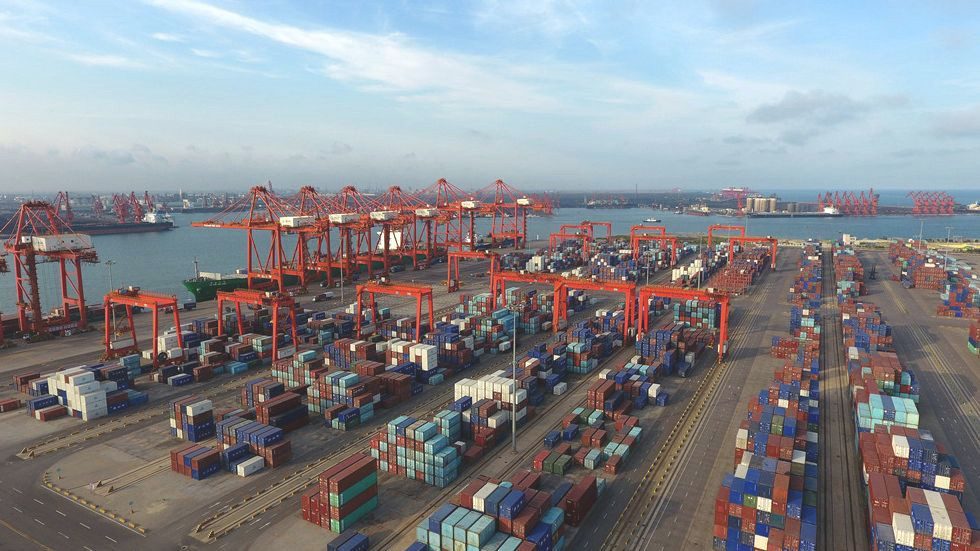
Tangshan Port is a major commercial port in northern China and the largest coal exporting port in the world, located in Hebei Province. It serves as an important hub for coal, iron ore, crude oil, containers and bulk cargo transportation, with direct access to the Bohai Sea. The port consists of three main port areas: Jingtang Port Area, Caofeidian Port Area, and Fengnan Port Area, with a total of 143 production berths (as of 2023). The port is administered by Tangshan Port Group Co., Ltd.
Port Types
– By size: Super large port (annual throughput exceeding 500 million tons)
– By geography: Natural coastal harbor
– By function: Comprehensive commercial port (including coal, ore, oil, container terminals)
– Special designation: National key transportation hub, Class I open port
Long./Lat.
Main Port Area Coordinates:
– Jingtang Port Area: 39°12’30″N 119°00’15″E (main entrance)
– Caofeidian Port Area: 38°55’42″N 118°30’36″E (deep-water area)
– Fengnan Port Area: 39°05’18″N 118°48’24″E
Time Zone
China Standard Time (UTC+8) year-round, no daylight saving time observed. Port operates 24/7 with shift schedules.
Port Location
Located on the northern coast of Bohai Bay in the Bohai Sea, approximately 80km southeast of Tangshan city in Hebei Province. The port is strategically positioned at the intersection of the Bohai Rim Economic Circle and the Beijing-Tianjin-Hebei Metropolitan Region.
Port Limits
The port limits extend 5 nautical miles seaward from the baseline of the port’s outermost breakwaters, covering approximately 1,200 square kilometers of water area. The exact boundaries are defined in “Notice on the Delimitation of Tangshan Port Waters” issued by Hebei Maritime Safety Administration (Document No. JHF [2018] 15).
Load Lines
International Load Line Zone:
– Summer Zone (applies April 1 to October 31)
– Tropical Zone (November 1 to March 31)
All vessels must comply with China Load Line Rules (GB/T 3471-2011) and IMO regulations.
Water Density
Average seawater density:
– Surface water: 1.020-1.025 t/m³
– Bottom water: 1.025-1.028 t/m³
Density varies by season and port area, with real-time measurements available from port control.
Charts and Books
Official navigation references:
– Chinese charts: 11710 (Approaches to Tangshan), 11711 (Jingtang Port), 11712 (Caofeidian Port)
– Admiralty charts: 1193 (Bohai Sea Western Part), 1194 (Approaches to Tianjin)
– China Sea Pilot Volume 1 (NP32A)
– Port Regulations and Navigational Warnings issued by Tangshan MSA
– IMO Standard Marine Communication Phrases required
Port Restrictions
Vessel limitations (2023 data):
– Maximum DWT: 400,000 DWT (Caofeidian ore terminal)
– Maximum LOA: 360m
– Maximum beam: 65m
– Maximum draft: 25.5m (Caofeidian, depending on tide)
– Air draft restriction: 55m (limited by Caofeidian Coal Terminal bridge)
– Special requirements for vessels >100,000 DWT: mandatory tug escort
Regulations
Key operational regulations:
– “Regulations on the Administration of Tangshan Port” (Hebei Provincial Decree No. 5, 2019)
– Mandatory use of 0.5% sulfur fuel in port (MEPC.305(73))
– Ballast water management requirements (IMO BWM Convention)
– Advance notice required 72 hours before arrival (96 hours for hazardous cargo)
– Mandatory use of AIS and VHF CH16/08 monitoring
– Strict enforcement of MARPOL Annex VI emission control area requirements
Weather Condition
Climate characteristics (2023 data):
– Annual temperature range: -15°C to 38°C
– Prevailing winds: NE (winter, avg 10-15 knots), SE (summer, avg 5-10 knots)
– Gale frequency: 30-40 days/year (wind > Beaufort 6)
– Fog season: April-June (avg 20-30 fog days)
– Annual precipitation: 500-600mm
– Typhoon risk: Low but possible July-September
– Ice conditions: Light ice possible January-February (no icebreaking required)
Tide and Currents
Tidal characteristics:
– Tidal type: Irregular semi-diurnal tide
– Mean tidal range: 1.5m (Jingtang), 2.8m (Caofeidian)
– Maximum tidal range: 3.2m
– Current patterns: Rotary current with max 2.5 knots in channels
– Dangerous currents near Caofeidian reclamation area (2.5-3 knots)
Identification Cards
Crew documentation requirements:
– Shore passes issued by port authorities (valid 7 days)
– Seaman’s book sufficient for port area access
– Passport required for city access
– Special permits needed for restricted areas
– COVID-19 vaccination records may be required (subject to change)
Traffics
Transport connections:
– Air: Tangshan Sannühe Airport (80km, daily flights to major Chinese cities)
– Railway: Dedicated port railways connect to national network (annual capacity 200 million tons)
– Highway: G0111 Coastal Expressway, G25 Changchun-Shenzhen Expressway
– Pipeline: Crude oil and product pipelines to/from port
Holidays
Official Chinese holidays observed (2023 schedule):
– New Year (Jan 1, 1 day)
– Spring Festival (7 days, lunar calendar)
– Qingming Festival (April 5, 1 day)
– Labor Day (May 1, 1 day)
– Dragon Boat Festival (lunar May 5, 1 day)
– Mid-Autumn Festival (lunar Aug 15, 1 day)
– National Day (Oct 1-7)
Limited cargo operations possible during holidays with prior arrangement and premium charges.
Currency
Financial information:
– Official currency: Chinese Yuan (CNY/RMB)
– Exchange rate: Approximately 7.2 CNY/USD (Oct 2023)
– Currency restrictions: Seafarers limited to 5,000 USD equivalent per entry
– Payment methods: Bank transfer preferred, major credit cards accepted
– Port fees must be paid in CNY or pre-arranged USD
Main Cargo Handled
Annual throughput (2022 data):
– Total: 768 million tons (world’s 2nd busiest)
– Coal: 350 million tons
– Iron ore: 250 million tons
– Crude oil: 50 million tons
– Containers: 3.5 million TEU
– Other bulk: 100 million tons (grain, steel, cement)
Key trading partners: Australia, Brazil, Japan, South Korea, ASEAN countries
2. Notification and Reports
General Information
All vessels entering Tangshan Port must comply with:
1. China Maritime Safety Administration (MSA) Regulations (2023 Edition)
2. International Maritime Organization (IMO) requirements
3. Tangshan Port Special Regulations (HBMSA 2019-15, amended 2022)
4. Maritime Traffic Safety Law of China (2021 Revision)
5. Port State Control Inspection Guidelines
Key requirements:
– Mandatory electronic pre-arrival notifications via China MSA’s e-portal
– Physical document verification upon arrival
– Continuous AIS transmission within port limits
– Compliance with China’s Vessel Traffic Management System (VTMS)
Arrival and Departure Checklists
Comprehensive checklists include:
A. Pre-arrival (72 hours prior):
1. Vessel Particulars Submission (MSA Form VP-01)
2. Crew Health Declaration (MSA Form H-01)
3. Dangerous Goods Declaration (if applicable)
4. Security Pre-Arrival Notification (ISPS)
B. Upon Arrival:
1. Port Entry Safety Checklist (PESC-2023)
2. Mooring Equipment Verification
3. Emergency Equipment Status Report
4. Cargo Securing Inspection
C. Departure:
1. Port Clearance Certificate Application
2. Outbound Crew Manifest
3. Garbage Record Book Verification
4. Final Safety Inspection Report
Documents and Certificates
Required documents (2023 update):
1. Mandatory Certificates (originals + 3 copies):
– Certificate of Registry (with current amendments)
– International Tonnage Certificate (ITC-69)
– Class Certificate (with all supplements)
– Safety Management Certificate (SMC) + DOC
– International Ship Security Certificate (ISSC)
– Load Line Certificate (including winter markings)
– IOPP Certificate (with Supplement and CAS)
– BWMC Certificate (D-2 standard)
– Crew Certificates (STCW as amended)
2. Operational Documents:
– Crew List (MSA Form 01-2023, including biometric data)
– Passenger List (Customs Form HP2.2 if applicable)
– Stores List (Customs Form HP1.1, including alcohol declaration)
– Cargo Manifest (Customs-approved format)
– Dangerous Goods Manifest (IMDG format 2022 Edition)
– Ballast Water Report (MSA Form BW-1 Rev.2023)
– Garbage Management Plan (GMP compliance statement)
– Last 10 Port Clearance Certificates
3. Special Circumstances:
– Special Personnel List (for offshore workers)
– Security Level Declaration (ISPS)
– COVID-19 Prevention Certificate (if required)
Vessel Traffic Services (VTS)
Tangshan VTS System (2023 specifications):
1. Coverage:
– Primary area: 20nm radius from port entrance
– Extended monitoring: 50nm for vessels >50,000 DWT
– AIS coverage: Complete within 30nm
2. Mandatory Reporting Points:
– Position A: 39°15’N 119°05’E (25nm NE of entrance)
– Position B: 38°50’N 118°25’E (20nm SW of Caofeidian)
– Position C: 39°05’N 118°55’E (Jingtang Fairway)
– Position D: 38°58’N 118°40’E (Caofeidian Approach)
3. Operational Parameters:
– Contact: “Tangshan VTS” on VHF CH 08/16
– Reporting frequency: Hourly for vessels at anchor
– Speed restrictions:
– ≤12 knots in VTS zone
– ≤8 knots in inner harbor
– Special requirements for VLCCs and ULCSs
Emergency Co-ordination Centre
Tangshan Maritime Emergency Response System:
1. Primary Contacts:
– Tangshan Maritime Search and Rescue Center
– 24-hour emergency: +86 315 2912345 (primary)
– Backup: +86 315 2911111
– VHF emergency: CH 16 (continuous monitoring)
– MRCC code: CH MRCC Tangshan (MMSI 004123100)
2. Secondary Contacts:
– Hebei MSA Emergency Center: +86 311 88606555
– China MRCC Beijing: +86 10 65292218
– COSCO Emergency: +86 10 68003388
3. Emergency Equipment:
– Dedicated rescue vessels: 6 units (2000-5000HP)
– Oil spill response capacity: 500 tons/hour
– Helicopter support available (30min notice)
Harbour Management Communications
Tangshan Port Authority Contact Network:
1. Main Office:
– Address: No.1 Xingang Road, Tangshan, Hebei 063611
– Tel: +86 315 2910111 (24hr)
– Fax: +86 315 2910222
– Email: portadmin@tangshanport.com.cn
– Website: www.tangshanport.com.cn (official)
2. Department Contacts:
– Operations: ext. 801
– Safety: ext. 802
– Customs: ext. 803
– Immigration: ext. 804
– Quarantine: ext. 805
3. Digital Platforms:
– China Single Window: www.singlewindow.cn
– MSA e-Portal: msaport.gov.cn
– Port Community System: tangshan.epcs.cn
Radio
Communication Infrastructure (2023):
1. Coastal Radio Stations:
– Primary: XSZ Tangshan Radio (24/7 coverage)
– MF: 2182 kHz (distress), 2187.5 kHz (DSC)
– HF: 8414.5 kHz, 12657 kHz (long-range)
– Secondary: XSG Tianjin Radio (backup)
2. Satellite Communications:
– Inmarsat:
– C: 422123456
– FleetBroadband: 763123456
– VSAT: Supported at all berths
3. Digital Services:
– NAVTEX coverage: Station QH (518 kHz)
– AMVER participation required for international vessels
VHF
VHF Communication Protocol (2023):
1. Channel Allocation:
– CH 16: Distress/Safety (continuous watch)
– CH 08: Port Operations (primary working)
– CH 12: VTS Control
– CH 06: Tug Coordination
– CH 14: Pilot Dispatch
– CH 70: DSC (digital selective calling)
– CH 13: Bridge-to-Bridge
2. Communication Procedures:
– Initial contact on CH 16 then switch
– Standard Marine Communication Phrases required
– Position reports at designated points
– Mandatory language: Chinese or English
3. Special Channels:
– CH 11: Weather updates
– CH 67: SAR coordination
– CH 72: Ship-to-ship (by permission)
Radars
Port Radar Services (2023 Update):
1. System Specifications:
– Main radar: Terma SCANTER 6002 (X-band)
– Secondary radar: Kelvin Hughes SharpEye (S-band)
– Coverage: 30nm (primary), 50nm (secondary)
– Update rate: 2 seconds (primary), 5 seconds (secondary)
2. Operational Details:
– Contact: “Tangshan Radar” on VHF CH 12
– Assistance available for:
– Vessels >10,000 GT
– Poor visibility conditions (<1nm)
- Special cargo operations
- Radar tracking mandatory for:
- Vessels >20,000 DWT
– All tankers
– Vessels with dangerous goods
3. Technical Support:
– Radar image available to vessels on request
– ARPA information sharing available
– 24/7 technical support: +86 315 2910888
Notices of Readiness
NOR Procedures (2023 Standards):
1. Tender Requirements:
– Must be tendered within port limits
– Accepted via:
– VHF CH 08 (primary)
– Email to agent (nor@tangshanagent.com)
– Port Community System
– Must include:
– Exact vessel position (GPS coordinates)
– Cargo readiness status (all holds)
– Document submission confirmation
– Local time of tender
2. Validity Conditions:
– Standard NOR validity: 6 hours
– Extendable with port approval
– Re-tender required if:
– Vessel moves >1nm
– Cargo status changes
– 12 hours elapse without operations
3. Special Cases:
– Tankers: Additional cargo temperature/pressure data
– Containers: Bay plan submission required
– Bulk Carriers: Hold cleanliness certificate
Immigration
Crew Immigration Procedures (2023):
1. Pre-Arrival:
– Crew list submission (72h prior)
– MSA Form IM-01 (2023 version)
– Biometric data (photo/fingerprints)
– Passport/CDC copies
– Health declaration (joint form)
2. Arrival Process:
– Face-to-face inspection for:
– All foreign crew
– Crew changes
– Suspected cases
– Document verification:
– Original passports
– Seaman’s books
– Vaccination certificates
3. Shore Leave:
– Permits issued after clearance
– Restrictions may apply based on:
– Security level
– Health status
– Port regulations
Health
Health Control Procedures (2023):
1. Pre-Arrival Requirements:
– Maritime Health Declaration (MHD):
– 24h before ETA
– Electronic submission via MSA portal
– Vaccination records:
– Yellow Fever
– COVID-19 (if required)
– Other as needed
2. Quarantine Process:
– Radio pratique initial clearance
– Physical inspection if:
– Health risks reported
– Coming from infected areas
– Medical cases onboard
– Special measures for:
– Plague
– Cholera
– Yellow Fever
– COVID-19 variants
3. Medical Facilities:
– Port clinic: 24/7 service
– Designated hospitals:
– Tangshan Port Hospital (Grade II)
– Caofeidian International Hospital
– Emergency evacuation procedures
Customs
Customs Clearance (2023 Procedures):
1. Pre-Arrival Submission:
– Electronic cargo manifest (24h prior)
– Crew effects declaration (Form HP3.2)
– Ship’s stores list (detailed)
– Bonded goods declaration (if applicable)
2. Clearance Process:
– Document verification (1-2 hours)
– Possible physical inspection:
– Random selection
– Risk-based targeting
– Specific intelligence
– Special procedures for:
– Dangerous goods
– High-value cargo
– Restricted items
3. Restrictions & Allowances:
– Prohibited items:
– Weapons/ammunition
– Narcotics
– Counterfeit goods
– Duty-free allowances:
– 400 cigarettes per crew
– 1.5L alcohol per crew
– Personal effects (reasonable)
Prior Declaration and Authorization
Special Requirements (2023):
1. Advance Notice (72h minimum):
– Dangerous goods (all IMO classes)
– Oversized/heavy lifts (>100 tons)
– Special operations:
– Hot work
– Tank cleaning
– Underwater operations
– Bunkering operations
2. Additional Permits:
– Waste discharge (Form EP-01)
– Sewage discharge (Form EP-02)
– Emissions control (Form EP-03)
– Night navigation permit
– Special area access
3. Emergency Authorizations:
– Medical evacuations
– Pollution response
– Security incidents
– Technical emergencies
Restricted Activities
Port Restrictions (2023):
1. Navigation Restrictions:
– No anchoring outside designated areas
– Speed limits:
– ≤10 knots in port waters
– ≤5 knots in congested areas
– Night navigation prohibited without permit
– Thrusters restricted in confined basins
2. Operational Restrictions:
– No discharge of:
– Ballast water
– Sewage
– Oily mixtures
– No unauthorized:
– Photography
– Drone operations
– Underwater activities
3. Security Restrictions:
– No unaccompanied visitors
– Restricted areas clearly marked
– Mandatory gangway watch
– Security patrols 24/7
Incidents
Incident Reporting (2023 Procedures):
1. Immediate Notification (within 1h):
– Collisions/allisions
– Groundings
– Pollution incidents
– Personnel injuries/deaths
– Security breaches
– Structural failures
2. Reporting Channels:
– Primary: VHF CH 16
– Secondary: +86 315 2912345
– Emergency email: emergency@tangshanmsa.gov.cn
– MSA mobile app reporting
3. Follow-up Reports:
– Preliminary report (within 6h)
– Detailed report (within 24h)
– MSA Form IR-01 (2023)
– Supporting evidence:
– Photos
– Logbook extracts
– Witness statements
4. Investigation:
– MSA-led for serious incidents
– Port Authority for minor cases
– Class involvement if required
– Legal consequences possible
Others
Additional Requirements :
1. Continuous Reporting:
– Daily position reports
– Bunker operations notifications
– Gangway watch logs
– Security patrol reports
2. Record Keeping:
– Oil Record Book (Part I & II)
– Garbage Record Book
– Ballast Water Record Book
– Cargo Operations Log
3. Special Notifications:
– Change of ETA (>1h)
– Crew changes
– Bunker quality issues
– Equipment failures
4. Compliance Verification:
– Random document checks
– Port State Control inspections
– Environmental compliance audits
– Security drills verification
3.Port Navigation
General Information
Tangshan Port navigation complies with:
1. China Maritime Safety Administration (MSA) Navigation Rules (2023 Edition)
2. IMO COLREGs (2021 Consolidated Edition)
3. Tangshan Port Special Navigation Regulations (HBMSA 2022-06)
4. China VTS Operational Guidelines (GB/T 36659-2018)
Key navigation features:
– Three distinct port areas (Jingtang/Caofeidian/Fengnan)
– Fully implemented traffic separation schemes
– Mandatory AIS transmission within 50nm
– Electronic navigation chart coverage (ENC: CN500141/CN500142)
Pilot Station and Pilotage
1. Pilot Station Details:
– Jingtang Pilot Station:
– Position: 39°12’30″N 119°00’45″E
– Contact: +86 315 2910888 (24hr)
– VHF: CH 08 (working), CH 16 (emergency)
– Caofeidian Pilot Station:
– Position: 38°55’15″N 118°30’30″E
– Contact: +86 315 2910999
– VHF: CH 12 (primary), CH 16
2. Pilotage Requirements:
– Compulsory for:
– All foreign vessels
– Vessels >10,000 GT
– Dangerous cargo carriers
– ETA Notice:
– Initial: 72h prior
– Confirmation: 24h/12h/6h/3h prior
– Boarding Conditions:
– Max sea state: 3
– Max wind: Beaufort 6
– Day/night boarding available
3. Pilot Boat Specifications:
– Length: 28-32m
– Speed: 20-25 knots
– Capacity: 4 pilots + 6 crew
– Identification:
– Yellow hull with black “PILOT”
– Flashing white light (every 10s)
– Safety Features:
– SOLAS-compliant boarding arrangements
– Night vision equipment
Approaches and Channels
1. Main Navigation Channels:
– Jingtang Main Channel:
– Length: 42.5km
– Design Depth: 16.5m (CD)
– Width: 250m (straight)/350m (turns)
– Max Draft: 16.0m
– Current: 1.5-2.5 knots
– Caofeidian Deepwater Channel:
– Length: 55.3km
– Design Depth: 25.5m
– Width: 300m
– Max Draft: 25.0m
– Current: 2.0-3.0 knots
2. Special Navigation Rules:
– Traffic Separation Schemes (TSS):
– Inbound: Eastern lane
– Outbound: Western lane
– Speed Limits:
– TSS: 12 knots
– Channel: 10 knots
– Harbor: 6 knots
– Restricted Areas:
– Fishing zones (marked on charts)
– Pipeline corridors
– Military exercise areas
Anchorages
1. Designated Anchorage Areas:
– Jingtang Outer Anchorage:
– Position: 39°18’00″N 119°10’00″E
– Area: 5.2nm²
– Depth: 20-25m
– Bottom: Mud/sand
– Holding Power: Good
– Caofeidian Waiting Area:
– Position: 38°48’00″N 118°20’00″E
– Area: 8.5nm²
– Depth: 30-40m
– Special Notes:
– Priority for VLCCs
– Dynamic positioning recommended
2. Anchorage Regulations:
– Maximum Stay: 72 hours
– Watchkeeping:
– Continuous bridge watch
– Engine standby
– Reporting:
– Hourly position to VTS
– Immediate notice if dragging
Navigation Aids
1. Visual Aids:
– Lighthouses:
– Jingtang Light: Fl(4) 20s 25m 20M
– Caofeidian Light: Fl(3) 15s 30m 22M
– Buoys:
– IALA System A
– Synchronized light buoys at critical turns
– Daymarks:
– Cardinal marks at danger areas
– Special marks for pipelines
2. Electronic Aids:
– DGPS:
– Accuracy: <5m
- Coverage: Entire port area
- AIS:
- Base stations: 6 locations
- Vessel tracking: 100% coverage
- Radar:
- 3 shore-based radar stations
- ARPA capability
Maximum Authorized Speed
Speed Control Regulations:
1. General Limits:
– Outer approaches: ≤12 knots
– Main channels: ≤10 knots
– Inner harbor: ≤6 knots
– Berthing areas: ≤4 knots
2. Special Restrictions:
– VLCCs: ≤8 knots in channels
– Dangerous cargo: ≤6 knots
– Tug-assisted vessels: ≤3 knots
Navigation Priority
1. Vessel Priority System:
– Category 1:
– SAR vessels
– Naval ships
– Port emergency vessels
– Category 2:
– Passenger ships
– VLCCs with tide restrictions
– Category 3:
– Container vessels
– Bulk carriers
2. Right-of-Way Rules:
– Outbound vessels have priority
– Deep draft vessels take precedence
– Fishing vessels must give way
Weather Restrictions
1. Navigation Suspension Criteria:
– Visibility: <500m
- Wind: >Beaufort 8 (all vessels)
– Waves: >3m significant height
– Current: >3.5 knots
2. Special Vessel Restrictions:
– VLCCs:
– Wind: ≤Beaufort 6
– Waves: ≤2.5m
– Container Ships:
– Wind: ≤Beaufort 7
– GM restrictions apply
Night Entry or Departure
1. General Policy:
– Permitted with VTS approval
– Requirements:
– Additional pilot
– Tug escort
– Full navigation lights
– Prohibited for:
– First-time visitors
– Vessels >300m LOA
– Special cargo operations
2. Lighting Requirements:
– Deck lighting: Minimum 100 lux
– Cargo area illumination
– Emergency lighting standby
UKC (Under-Keel Clearance)
1. Minimum Requirements:
– General vessels: 10% of draft
– VLCCs: 2.0m absolute minimum
– Bulk carriers: 1.5m or 10% (whichever greater)
2. Calculation Method:
– Charted depth + tide – draft – squat
– Real-time monitoring required
– Safety factor: 0.5m additional
Bridges
– Not Available (No navigational bridges within port limits)
Air Drafts Limit and Air Gap
1. Vertical Clearances:
– Caofeidian Coal Terminal Conveyor:
– Height: 55m CD
– Air gap requirement: 3m
– Jingtang Container Cranes:
– Height: 52m CD
– Air gap requirement: 2m
– Power Lines:
– Minimum clearance: 60m
2. Monitoring Requirements:
– Real-time air draft calculation
– Tidal window planning
– VTS clearance for >50m air draft
Vessels Shifting
1. Standard Procedures:
– Notice: 6h prior to VTS
– Requirements:
– Port clearance
– Tug escort
– Daylight preferred
– Restrictions:
– Wind: ≤Beaufort 6
– Current: ≤2 knots
2. Special Cases:
– Dangerous cargo: Additional safety measures
– Night shifts: Case-by-case approval
Vessels Transiting
1. Transit Regulations:
– VTS clearance required
– Continuous monitoring
– Speed compliance verified
– No overtaking in channels
2. Special Rules:
– VLCCs: Daylight transit only
– Convoys: Minimum 1nm separation
– TSS compliance mandatory
Vessels Towing
1. Towing Operations:
– Approval: 72h prior notice
– Requirements:
– Daytime only
– Escort tugs
– Special route planning
– Restrictions:
– Speed: ≤6 knots
– Weather: ≤Beaufort 4
– No congested area transit
2. Documentation:
– Tow plan approval
– Emergency response plan
– Insurance verification
Tugs and Working Boats
1. Tug Resources (2023):
– Total tugs: 32
– Power range: 3,200-8,800 HP
– Bollard pull: 40-125 tons
– Availability: 24/7/365
2. Tug Requirements:
– VLCCs: 4-6 tugs (depending on conditions)
– Capesize: 3-4 tugs
– Panamax: 2-3 tugs
– Line handling: Ship’s lines preferred
3. Working Boat Fleet:
– Pilot boats: 8
– Patrol boats: 6
– Survey boats: 4
– Mooring boats: 12
– Pollution control vessels: 4
Vessels in Special Operations
1. Dredging Operations:
– Notice: 7 days prior
– Requirements:
– Safety zone (500m)
– Navigation warnings
– Continuous monitoring
– Restrictions:
– No concurrent vessel movements
– Daylight only
2. Underwater Activities:
– Diver Operations:
– Clearance required
– Safety boat mandatory
– Marking buoys
– ROV Operations:
– Special approval
– Frequency coordination
3. Construction Works:
– Permits:
– Port Authority
– MSA
– Environmental approval
– Marking:
– Special buoys
– Lighting at night
– Monitoring:
– VTS supervision
– Radar tracking
4.Pollution Control
Ballast and Deballast
1. Regulatory Framework:
– China MSA Ballast Water Management Regulations (2023 Revision)
– IMO Ballast Water Management Convention (BWMC 2004, as amended)
– Tangshan Port Special Requirements (HBMSA Directive 2022-15)
– GB 3552-2018 (China Ballast Water Discharge Standard)
2. Pre-Arrival Requirements:
– Electronic submission via China MSA e-Portal (72h prior):
– Ballast Water Reporting Form (MSA-BW1)
– Treatment records (D-2 standard compliance)
– Last 10 ballast operations
– Physical documentation required:
– Ballast Water Management Plan
– International Ballast Water Management Certificate
– Treatment system type approval certificate
3. Operational Procedures:
– Prohibited Activities:
– Ballast exchange within 50nm of coast
– Untreated discharge in port waters
– Mixing of incompatible ballast
– Mandatory Procedures:
– Pre-discharge sampling (3 samples retained)
– Sediment disposal at approved facilities
– Real-time monitoring during transfer
4. Treatment Facilities:
– Shore-based reception:
– Capacity: 20,000m³/day (Jingtang)
– Capacity: 15,000m³/day (Caofeidian)
– Mobile treatment units:
– 5 units available (3,000m³ capacity each)
– UV+ filtration technology
– Testing laboratories:
– MSA-certified (ISO/IEC 17025 accredited)
– 24h analysis turnaround
Garbage Disposal
1. Regulatory Compliance:
– MARPOL Annex V (2022 Amendments)
– China Special Requirements for Garbage Management (MSA 2021-06)
– Tangshan Port Waste Management Plan (2023)
2. Collection Services:
– Primary Contractor: Tangshan Port Environmental Services Co.
– 24hr Contact: +86 315 2910777 (ext. 1 for English)
– Emergency: +86 315 2910770
– Email: garbage@tpes.com.cn
– Secondary Contractor: COSCO Shipping Ports Waste Management
– Contact: +86 315 2910888
3. Facility Specifications:
– Reception Capacity:
– General garbage: 200 tons/day
– Plastics: 50 tons/day
– Food waste: 30 tons/day
– Equipment:
– 20 compactor trucks (10m³ capacity)
– 50 segregated bins (1m³ each)
– 2 incinerators (5 tons/hour capacity)
4. Operational Procedures:
– Pre-disposal Requirements:
– Garbage Record Book (latest edition)
– Segregation per MARPOL categories
– Hazardous waste declaration
– Collection Process:
– Request submission (minimum 4h notice)
– Visual inspection by crew
– Weight measurement and recording
– Issuance of disposal certificate
5. Fee Structure (2023):
– General garbage: ¥150/ton (minimum ¥500)
– Plastics: ¥300/ton (minimum ¥800)
– Food waste: ¥100/ton (minimum ¥300)
– Hazardous waste: ¥1,500/ton (minimum ¥2,000)
Waste Oil Disposal
1. Legal Framework:
– MARPOL Annex I (2021 Consolidated Edition)
– China Oil Pollution Prevention Regulations (2022)
– Tangshan Port Oil Waste Management Plan (2023)
2. Reception Infrastructure:
– Primary Facility: Tangshan Oil Disposal Center
– Location: Jingtang Terminal Area, Berth 12A
– Shore Tank Capacity: 50,000m³
– Processing Capacity: 2,000m³/day
– Mobile Units:
– 5 dedicated barges:
– 2×1,000m³ (Jingtang)
– 3×500m³ (Caofeidian)
– 12 tank trucks (20m³ each)
3. Service Providers:
– Tangshan Oil Disposal Co. Ltd. (Primary)
– 24hr Contact: +86 315 2910666
– Emergency: +86 315 2910999
– Email: oil@tangshan-disposal.com
– COSCO Oil Waste Management (Backup)
– Contact: +86 315 2910333
4. Operational Requirements:
– Pre-Arrival Notification:
– 48h advance notice for >100m³
– 24h notice for <100m³
- Documentation:
- Oil Record Book (Part II)
- Waste Oil Manifest
- Treatment certificate from last port
- Quality Standards:
- Maximum water content: 15%
- Maximum sulfur: 3%
- No chemical mixtures without approval
5. Pricing (2023):
- Standard waste oil: ¥800-1,200/m³
- Sludge: ¥1,500-2,000/m³
- Emergency service: +30% surcharge
Sewage Reception
1. Regulatory Basis:
– MARPOL Annex IV (2016 Amendments)
– China Domestic Sewage Standards (GB 3552-2018)
– Tangshan Port Sanitation Regulations (2023)
2. Facility Overview:
– Fixed Facilities:
– 8 sewage reception points (Jingtang)
– 5 reception points (Caofeidian)
– Capacity: 500m³/day total
– Mobile Units:
– 10 vacuum trucks (10m³ capacity)
– 2 barges (200m³ capacity)
3. Service Details:
– Operator: Tangshan Port Sanitation Services
– Main Office: +86 315 2910555
– Emergency: +86 315 2910333
– Email: sanitation@tpss.com.cn
– Processing Plant:
– Biological treatment capacity: 300m³/day
– Disinfection system: UV+chlorination
4. Operational Procedures:
– Notification Requirements:
– 12h notice for standard service
– 4h notice for emergency discharge
– Documentation:
– Sewage Record Book
– Discharge application form
– Receipt of disposal
– Special Requirements:
– Medical waste separate handling
– Grey/black water segregation
– Pre-discharge sampling
5. Fee Schedule:
– Domestic sewage: ¥50/m³ (minimum ¥200)
– Black water: ¥150/m³ (minimum ¥500)
– Medical waste: ¥2,000/m³
Other Pollution Controls
1. Air Emission Management:
– ECA Compliance:
– Fuel sulfur limit: 0.5% (in force)
– 0.1% limit within 12nm (from 2025)
– Shore Power:
– Available at 15 berths (Jingtang 10, Caofeidian 5)
– Voltage: 6.6kV/50Hz
– Capacity: 5MVA per connection
– Exhaust Monitoring:
– Continuous emissions monitoring
– Annual stack testing required
2. Cargo Residue Handling:
– Dedicated Collection:
– Bulk cargo sweepings
– Container wash water
– Tank cleaning residues
– Special Requirements:
– Hazardous cargo documentation
– Pre-cleaning approval
– Witness sampling
3. Noise Control:
– Operational Restrictions:
– Daytime (0600-2200): ≤75dB
– Nighttime (2200-0600): ≤65dB
– Monitoring:
– Quarterly noise mapping
– Complaint response within 2h
4. Emergency Response:
– Tier 2 Oil Spill Response:
– Equipment:
– 5,000m boom capacity
– 20 skimmers
– 10 dispersant spray systems
– Personnel:
– 50 trained responders
– 24/7 standby team
– Chemical Spill Response:
– Neutralization capacity
– Containment specialists
– Contact:
– 24hr Hotline: +86 315 2910110
– VHF CH 16/CH 08
5.Port Safety and Security
General Information
Tangshan Port maintains ISPS Code-compliant security measures across all terminals (Jingtang, Caofeidian, and Fengnan). The port has been certified by China MSA with a Category A security rating (highest level) since 2020, renewed annually. Security operations are coordinated through:
– Centralized Port Security Command Center
– 24/7 monitoring system with AI analytics
– 150 trained security personnel
– Compliance with:
– IMO ISPS Code
– China Port Facility Security Rules (2021)
– SOLAS Chapter XI-2
PSC
1. Inspection Authority:
– Tangshan MSA Inspection Division (PSCO team of 35 officers)
– Operates under:
– Tokyo MOU (2023 inspection guidelines)
– China MSA regulations (MSA Order No. 12, 2022)
2. Inspection Focus Areas:
– Priority vessels:
– >15 year-old ships
– High-risk flags (Black/Grey list)
– Previous detainees
– Ships with overdue deficiencies
– Key compliance areas:
– Structural safety (Hull Condition)
– Fire safety systems
– Life-saving appliances
– Pollution prevention equipment
– Crew certification (STCW compliance)
3. Inspection Data (2023):
– Annual inspections: 1,287 (as of Q3 2023)
– Detention rate: 3.2% (41 vessels)
– Average deficiencies per inspection: 2.8
– Common deficiencies:
– Fire safety systems (22%)
– Life-saving appliances (18%)
– Pollution prevention (15%)
– Navigation equipment (12%)
4. Inspection Process:
– Initial document check (1-2 hours)
– Physical inspection (4-6 hours)
– Closing meeting with master
– Report issuance via e-PSC system
5. Contact:
– PSC Office: +86 315 2910222
– Emergency PSC: +86 315 2910220
– Email: psc@tangshanmsa.gov.cn
– VHF Channel: 14 (working)
ISPS
1. Security Levels:
– Level 1 (Normal): 92% operational time
– Standard access control
– Random vehicle checks
– Level 2 (Heightened): Activated 8% time
– 100% vehicle screening
– Additional patrols
– Required Declaration of Security
– Level 3 (Exceptional): Last activated 2018
– Full lockdown procedures
2. Security Measures:
– Access Control:
– Biometric systems at all 12 port gates
– RFID crew badges
– Visitor escort requirements
– Surveillance:
– 576 CCTV cameras (4K resolution)
– AI-powered behavior analysis
– Thermal imaging at critical areas
– Physical Security:
– 8m perimeter fencing with sensors
– Armed guards at key facilities
– 6 K-9 units (explosives/drugs)
3. Documentation Requirements:
– Mandatory Pre-Arrival:
– Valid ISSC Certificate
– Last 10 port calls list
– Crew manifest with ID copies
– During Stay:
– Continuous gangway watch
– Visitor log maintenance
– Restricted area access records
Emergency
1. Emergency Contacts:
– Port Control Center: +86 315 2910110 (24hr)
– Medical Emergency: 120 (direct line)
– Fire Department: 119
– VHF Channels:
– 16 (distress)
– 08 (working)
– 12 (port operations)
2. Response Equipment:
– Firefighting:
– 4 fireboats (5,000-10,000HP)
– 12 land-based fire trucks
– Foam stations at all oil terminals
– Medical:
– Port Medical Center (24hr)
– 2 ambulances
– Hyperbaric chamber available
– Pollution Control:
– 20,000m³ oil spill capacity
– 5 skimmer systems
– 8km containment boom
3. Emergency Procedures:
– Immediate Actions:
– Sound general alarm
– Notify Port Control
– Activate vessel emergency plan
– Coordination:
– Tangshan Maritime Safety Administration
– China Coast Guard District 3
– Local government EOC
4. Emergency Drills:
– Quarterly port-wide exercises
– Monthly vessel/port interface drills
– Annual full-scale contingency exercise
Ships Arrest
1. Legal Basis:
– China Maritime Code (Article 28)
– Supreme People’s Court Provisions (2015)
– Tangshan Maritime Court Procedures
2. Procedure:
– Application:
– Filed with Maritime Court
– Evidence submission
– Security bond determination
– Execution:
– Court order served to master
– Port authority coordination
– Vessel sealing
– Costs:
– Security bond: 20-30% claim value
– Daily detention fee: ¥5,000-20,000
3. Statistics (2022):
– Total arrests: 18
– Average duration: 14 days
– Common reasons:
– Crew wage claims (45%)
– Bunker disputes (30%)
– Cargo claims (25%)
4. Contact:
– Maritime Court: +86 315 2910333
– Port Security: +86 315 2910444
– Legal Assistance: +86 315 2910555
Fire Precautions
1. General Requirements:
– Hot Work:
– Permits valid 8 hours
– Fire watch during and 2h after
– Gas monitoring required
– Smoking:
– Designated areas only
– No smoking within 50m of cargo ops
– Electrical:
– Explosion-proof fittings in hazardous zones
– Annual certification required
2. Tanker Specifics:
– Pre-transfer Checks:
– Gas-free certificate
– Inert gas system verification
– Bonding cables connected
– Firefighting:
– 2 tugs on standby during transfers
– Water curtain systems operational
– Emergency shutdown drills quarterly
3. Prohibited Items:
– Open flames
– Non-intrinsically safe electronics
– Synthetic clothing (static risk)
Inspections from Other Parties
1. Regular Inspectors:
– China Customs:
– Focus: Cargo documentation
– Inspection rate: 15% of vessels
– Border Control:
– Focus: Crew passports/visas
– Biometric verification
– Quarantine Bureau:
– Focus: Sanitation certificates
– Pest control measures
– Environmental Protection Bureau:
– Focus: Emission compliance
– Waste handling records
2. Inspection Process:
– Pre-arrival notification requirements
– Joint inspection protocol
– Electronic documentation submission
– Average duration: 2-4 hours
3. Penalties:
– Customs violations: Up to ¥500,000
– Environmental breaches: Up to ¥1,000,000
– Immigration offenses: Crew detention possible
Maritime Security Zones
1. Restricted Areas:
– Naval Facilities:
– 500m exclusion zone
– No photography
– Automatic identification required
– LNG Terminals:
– 300m security perimeter
– Escorted access only
– Bridge Piers:
– 200m no-anchor zone
– Speed limit 5 knots
2. Enforcement:
– 24/7 radar monitoring
– Patrol boat surveillance
– AIS tracking of all vessels
– Penalties: Up to ¥200,000 for violations
3. Special Regulations:
– Drone restrictions: Complete ban
– Diving prohibitions: No underwater activities
– Night navigation: Prior approval required
Police
1. Port Police Station:
– Location: Port Administration Building, Gate 3
– Jurisdiction: All port areas
– Personnel:
– 50 officers
– 6 detective units
– 2 forensic teams
2. Services:
– 24/7 patrols (land and water)
– Criminal investigations
– Crew dispute mediation
– Lost property handling
3. Contact:
– Main Office: +86 315 2910999
– Emergency: 110
– Email: portpolice@tangshan.gov.cn
Flag
1. Display Requirements:
– National flag:
– Size: ≥1m² per 100m LOA
– Position: Stern or masthead
– Illumination: 10 lux minimum at night
– Courtesy flags:
– Optional but recommended
– Position: Starboard spreader
2. Special Protocols:
– Half-mast:
– Requires port approval
– Maximum 48 hours
– Proper notification required
– Flag etiquette:
– Correct folding procedures
– Replacement when worn
– Proper disposal methods
Signals and Lights Display
1. Navigation Lights:
– Compliance:
– COLREGs 72 as amended
– China MSA Technical Requirements
– Special Signals:
– Dangerous cargo: Red over red
– Constrained by draft: 3 all-round reds
– Not under command: 2 all-round reds
2. Port Signals:
– Storm Warnings:
– Small craft: 1 red light
– Gale: 2 red lights
– Typhoon: 3 red lights
– Security Alerts:
– Level 2: Yellow strobe
– Level 3: Red strobe
– Navigation Notices:
– White flashes (Morse code)
3. Verification:
– Daily light checks required
– Backup power systems mandatory
– Annual certification by class
Stowaways and Refuges
1. Prevention Measures:
– Pre-departure:
– Full ship search
– Container seal verification
– Access control logs
– In-port:
– 24/7 dock patrols
– Thermal imaging cameras
– Random container checks
2. Discovery Procedures:
– Immediate Actions:
– Confinement in secure area
– Medical examination
– Port notification within 1h
– Documentation:
– Statement of facts
– Photographic evidence
– Crew interviews
3. Statistics (2022):
– Attempted stowaways: 23
– Successful interceptions: 19
– Average processing time: 5 days
Alcohol, Drugs and Prohibited Items
1. Policies:
– Alcohol:
– Blood limit: 0.04%
– No consumption 4h before duty
– Restricted sales in port
– Drugs:
– Zero tolerance policy
– Mandatory testing if suspected
– Penalties up to deportation
– Weapons:
– Complete prohibition
– Exception for armed guards
2. Enforcement:
– Random Testing:
– Breathalyzer checks
– Urine screening
– K-9 Units:
– 6 drug detection dogs
– Weekly sweeps
– Penalties:
– Fines up to ¥50,000
– Vessel detention possible
– Criminal charges for trafficking
Reporting of Security Breaches
1. Reporting Channels:
– Telephone:
– Port Security: +86 315 2910110
– Coast Guard: 12395
– VHF:
– Channel 16 (emergency)
– Channel 08 (security)
– Email:
– security@tangshanport.com
– Mobile App:
– China MSA Reporting
2. Procedure:
– Immediate Actions:
– Secure evidence
– Protect scene
– Isolate threat
– Follow-up:
– Written report within 24h
– Investigation launch
– Corrective actions
3. Statistics:
– Annual reports: 145 (2022)
– Response time: <30 minutes
- Resolution rate: 92%
Operation of drones
1. Regulations:
– General Prohibition:
– No drone flights without permit
– 5km no-fly zone around port
– Exceptions:
– Port-approved surveys
– Emergency response
– Official inspections
2. Application Process:
– Requirements:
– 72h advance notice
– ¥500,000 liability insurance
– Operator certification
– Documentation:
– Flight plan
– Equipment specs
– Risk assessment
3. Penalties:
– Unauthorized flights: ¥10,000-100,000
– Confiscation of equipment
– Possible criminal charges
6.Cargo Operations
General Information
Tangshan Port (comprising Jingtang, Caofeidian and Fengnan port areas) is China’s 3rd largest port by cargo throughput (2023 data: 769.2 million tons). The port operates 24/7 with 263 productive berths across all terminals. Key features:
– Compliance Certifications:
– ISPS Code (MLC 2006 compliant)
– ISO 9001:2015 Quality Management
– Green Port Certification (China MEP)
– Operational Authority:
– Tangshan Port Group Co., Ltd.
– China MSA Supervision (Tangshan Branch)
– Digital Systems:
– PORTNET cargo management system
– Automated gate systems (RFID)
– E-documentation platform
Tanker Berths and Terminals
1. Crude Oil Terminals:
– Jingtang Area:
– Berths: 4 dedicated (No.1-4)
– Depth: 20.5m (chart datum)
– Max draft: 19.8m (saltwater)
– Loading lines: 16″-24″ diameter (ANSI 150# flanges)
– Discharge rate: 10,000-15,000m³/h (per arm)
– Shore tanks: 4.2 million m³ capacity
– Caofeidian Area:
– Berths: 6 dedicated (No.1-6)
– Depth: 25m (CD)
– Max draft: 24.5m
– Loading lines: 20″-30″ diameter (ANSI 300#)
– Discharge rate: 15,000-20,000m³/h
– Shore tanks: 6.8 million m³
2. Product Oil Terminals:
– Jingtang: 5 berths (No.5-9)
– Depth: 12-15m
– Max draft: 11.5-14.5m
– Line diameters: 12″-16″
– Average rates: 5,000m³/h (loading), 3,000m³/h (discharge)
– Caofeidian: 3 berths (No.7-9)
– Depth: 14-16m
– Max draft: 13.5-15.5m
– Dedicated for chemicals/LPG
3. Special Facilities:
– Slop Reception:
– Jingtang: 5,000m³ capacity
– Caofeidian: 8,000m³
– Max receiving rate: 500m³/h
– Vapor Recovery:
– Available at all berths
– Compliance with IMO MSC.1/Circ.1481
– Emergency Equipment:
– 10 oil spill response vessels
– 20,000m containment boom
– 15 skimmers (100-300m³/h capacity)
– Ship-to-Ship:
– Approved zones:
– Jingtang Outer Anchorage (Area A)
– Caofeidian STS Zone (Area C)
– Requirements:
– 72h prior notice
– Safety checklist submission
– MSA supervision mandatory
Container Berths and Terminals
1. Jingtang International Container Terminal:
– Berths: 12 (No.101-112)
– Parameters:
– Depth: 14-16m
– Max draft: 15.5m
– Quay length: 3,800m
– Yard area: 1.8 million m²
– Equipment:
– 22 STS cranes:
– 18×50t (35m outreach)
– 4×65t (45m outreach)
– 60 RTGs (40t)
– Productivity:
– Vessel: 35-45 moves/hour
– Yard: 25-30 moves/hour
2. Caofeidian Container Terminal:
– Berths: 8 (No.201-208)
– Parameters:
– Depth: 16-18m
– Max draft: 17.5m
– Quay length: 2,500m
– Yard area: 1.2 million m²
– Equipment:
– 18 STS cranes:
– 12×50t
– 6×75t (50m outreach)
– 45 RMGs (45t)
– Special Features:
– Automated gate system
– On-dock rail facility
3. Operational Standards:
– Wind Limits:
– Cease operations at Beaufort 8 (17.2m/s)
– STS cranes secured at Beaufort 9
– Reefer Management:
– 1,200+ plugs (440V/60Hz)
– Temperature monitoring system
– Dangerous Goods:
– 3 dedicated yards
– Segregation per IMDG Code
Dry Cargo Berths and Terminals
1. Bulk Terminals:
– Coal:
– 32 dedicated berths (Jingtang 18, Caofeidian 14)
– Max draft: 21m
– Unloaders: 28 (1,500-2,500t/h)
– Stockyard: 8 million m²
– Iron Ore:
– 28 berths (Jingtang 10, Caofeidian 18)
– Max draft: 23m
– Unloaders: 35 (2,000-3,500t/h)
– Blending facilities available
– Grain:
– 6 specialized berths
– Max draft: 15m
– Pneumatic unloaders (500t/h)
– Silos: 1.2 million ton capacity
2. General Cargo:
– 45 multi-purpose berths
– Depth range: 10-15m
– Max draft: 14.5m
– Shore cranes: 150 units (10-50t SWL)
– Special handling for:
– Steel products
– Project cargo
– Breakbulk
Passenger Berths and Terminals
Not Available (Tangshan Port is exclusively a cargo handling facility)
Specialised Cargo Handling Facilities
1. Ro-Ro Facilities:
– Jingtang Ro-Ro Terminal:
– 2 dedicated berths (R1-R2)
– Ramp capacity: 500t
– Parking area: 200,000m²
– Annual capacity: 300,000 units
2. Liquid Chemical Terminals:
– Caofeidian Chemical Port:
– 8 specialized berths (C1-C8)
– Storage: 1.2 million m³ (316 tanks)
– Handling rate: 1,500m³/h
– Compatible with IMO Type I/II ships
3. LNG Terminal:
– Caofeidian LNG Terminal:
– 1 dedicated berth (LNG1)
– Depth: 15m
– Max draft: 14m
– Unloading rate: 12,000m³/h
– Storage: 640,000m³ (4 tanks)
4. Other Specialized:
– Heavy Lift:
– 2 dedicated berths (H1-H2)
– Max SWL: 1,200t
– Car Carriers:
– 3 dedicated berths (V1-V3)
– Automated parking systems
Loading and Discharging Procedures
1. Standard Process:
– Pre-operation Meeting:
– 2h before commencement
– Attended by: Master, C/O, Terminal Rep
– Documentation:
– Cargo manifest
– Dangerous goods declaration
– Loading/discharge plan
– Safety Checks:
– Mooring arrangement
– Cargo gear certification
– Firefighting readiness
2. Special Requirements:
– Bulk Cargo:
– Dust suppression (water spray)
– Trim requirements (1:50 max)
– Containers:
– Verified Gross Mass (VGM)
– Hatch cover strength verification
– Tankers:
– Closed loading procedures
– VOC management plan
Loading and Discharging Rates
1. Bulk Cargo (Average Rates):
– Coal:
– Loading: 8,000t/h (per berth)
– Discharge: 6,000t/h (unloader)
– Iron Ore:
– Loading: 10,000t/h
– Discharge: 8,000t/h
– Grain:
– Loading: 1,000t/h
– Discharge: 500t/h (pneumatic)
2. Containers:
– Standard:
– 25-35 boxes/hour (per crane)
– 80-120 boxes/hour (per ship)
– Reefer:
– 15-20 boxes/hour
– Special:
– OOG: 10-15 boxes/hour
3. Liquid Cargo:
– Crude Oil:
– Loading: 15,000m³/h
– Discharge: 20,000m³/h
– Products:
– Loading: 5,000m³/h
– Discharge: 3,000m³/h
– Chemicals:
– Transfer: 1,500m³/h
Ship to Ship Transfer
1. Approved Areas:
– Jingtang Outer Anchorage (Area A):
– Coordinates: 38°55’N 118°50’E
– Max wave height: 1.5m
– Caofeidian STS Zone (Area C):
– Coordinates: 39°05’N 118°45’E
– Max wave height: 2.0m
2. Requirements:
– Notification:
– 72h prior notice to MSA
– STS plan submission
– Equipment:
– Minimum 2 fenders
– Emergency towing wires
– Monitoring:
– AIS must remain on
– Continuous VHF watch
Cargo Gear
1. Shore Equipment:
– Container Cranes:
– 40 STS cranes (50-75t)
– 120 RTGs/RMGs (30-45t)
– Bulk Handling:
– 28 unloaders (1,500-3,500t/h)
– 15 loaders (2,000-4,000t/h)
– General Cargo:
– 150 mobile cranes (10-500t)
– 30 forklifts (3-25t)
2. Ship’s Gear:
– Permitted at designated berths
– Requirements:
– Valid certification
– Load test reports
– Stevedore operation only
Shore Cranes
1. Container Terminals:
– STS Cranes:
– Outreach: 35-50m
– Backreach: 20m
– Hoist speed: 90m/min
– Yard Cranes:
– RTGs: 1-over-5 stacking
– RMGs: 1-over-7 stacking
2. Heavy Lift:
– Floating Cranes:
– “Tangshan No.1”: 1,200t
– “Port Giant”: 500t
– Mobile Cranes:
– 5×500t Liebherr LHM 600
– 10×200t Demag CC 2800
Floating Cranes
1. Availability:
– 3 dedicated floating cranes:
– “Tangshan No.1”:
– Capacity: 1,200t
– Rate: ¥300,000/day
– “Port Giant”:
– Capacity: 500t
– Rate: ¥150,000/day
– “Haihong 8”:
– Capacity: 200t
– Rate: ¥80,000/day
2. Booking:
– Minimum notice: 7 days
– Advance payment: 30%
– Cancellation fee: 10%
Hoses
1. Specifications:
– Oil Hoses:
– Diameter: 12″-30″
– Pressure: 150-300psi
– Material: Steel wire reinforced
– Chemical Hoses:
– Diameter: 6″-12″
– Lining: PTFE/EPDM
– Compatibility charts available
2. Management:
– Color coding system
– Annual pressure testing
– Maximum service life: 5 years
Specialised Cargo Operation
1. Dangerous Goods:
– Classification:
– IMDG Class 1: Restricted (special permit)
– Class 2-9: 12 dedicated berths
– Storage:
– 500,000m² secured area
– Segregation per IMDG Code
– Handling:
– Certified operators only
– Emergency plans required
2. Radiation Sources:
– Special Requirements:
– MSA approval (14-day notice)
– Dedicated transport routes
– Real-time monitoring
Lightering and Lighterage
1. Availability:
– Lighters:
– 50 units (1,000-5,000t capacity)
– Operators:
– COSCO Barge
– Tangshan Port Barge Co.
– Rates:
– 1,000t: ¥50,000/day
– 5,000t: ¥200,000/day
2. Procedures:
– Minimum notice: 48h
– Safety checklist
– MSA supervision required
Barge
1. Fleet:
– 200+ barges (500-3,000t)
– Types:
– Open hopper
– Covered cargo
– Tank barges
2. Operations:
– Main routes:
– Port to Tianjin
– Port to Bohai terminals
– Average turnaround: 3 days
Cargo Lashing
1. Procedures:
– Containers:
– Stevedores only
– Materials: Twistlocks, lashing bars
– Standards: CSC certification
– General Cargo:
– Crew permitted
– Materials provided by terminal
2. Inspection:
– Pre-departure checks
– During voyage (if accessible)
– Documentation required
Cleaning Procedures
1. Bulk Residues:
– Mechanical Removal:
– Bulldozers/payloaders
– Vacuum systems
– Water Washing:
– Closed loop systems
– Waste collection points
2. Tank Cleaning:
– Certified Contractors:
– 5 approved companies
– CO2 monitoring required
– Waste Disposal:
– Receipts mandatory
– MSA records
Opening/Closing Hatches
1. Standard Practice:
– Crew Responsibility:
– Safety checks
– Weather monitoring
– Stevedore Assistance:
– Available on request
– Additional charges apply
Delay
1. Statistical Averages (2023):
– Bulk Carriers:
– Waiting time: 12-24h
– Berth occupancy: 65%
– Tankers:
– Waiting time: 6-12h
– Turnaround: 24-36h
– Containers:
– Waiting time: <6h
- Berth productivity: 85%
2. Mitigation Measures:
- Priority berthing (pre-booking)
- Tidal window optimization
- Adverse weather planning
Stevedore Companies
1. Licensed Operators:
– Tangshan Port Stevedoring Co.:
– Workforce: 2,500
– Specialization: Bulk/General
– COSCO Ports Tangshan:
– Workforce: 1,800
– Specialization: Containers
– China Merchants Jingtang:
– Workforce: 1,200
– Specialization: Project cargo
2. ETA Requirements:
– Bulk Carriers:
– 72h preliminary notice
– 24h firm ETA
– 12h final confirmation
– Containers:
– 48h firm ETA
– Bay plan submission
Working Hours
1. Standard Schedule:
– Weekdays: 0800-1200, 1300-1700
– Saturdays: 0800-1200
– Sundays/Holidays: Closed
2. Overtime:
– Availability: 24/7
– Rates:
– Normal overtime: +50% basic
– Night/Holiday: +100% basic
– Minimum call: 4 hours
Warehouses and Yards
1. Storage Capacity:
– Covered Warehouses:
– Total: 2.8 million m²
– Height: 10-15m
– Floor load: 5-10t/m²
– Open Yards:
– Total: 15 million m²
– Paved: 80%
– Drainage systems
2. Special Facilities:
– Bonded Warehouses:
– 200,000m² total
– Customs supervision
– Dangerous Goods:
– 12 dedicated zones
– Fire protection systems
– Reefer Areas:
– 200,000m³ capacity
– -25°C to +25°C range
7.Port Services
General Information
Tangshan Port provides comprehensive port services through 28 licensed operators under China MSA supervision (Certificate No. TSPS-2023-028). Key service features:
– Operational Hours: 24/7/365 with emergency services
– Compliance Certifications:
– ISO 9001:2015 Quality Management
– ISO 45001:2018 Occupational Health & Safety
– ISPS Code compliant service protocols
– Service Coordination:
– Port Service Center: +86 315 2910777 (24hr)
– Digital Platform: service.tangshanport.com
– Emergency Contact: +86 315 2910999
Bunkering
1. Availability:
– Available at all port areas (Jingtang/Caofeidian/Fengnan)
– Licensed operators: 5 (Sinopec, COSCO, etc.)
– Bunker barge fleet: 12 vessels (10,000-30,000DWT)
2. Fuel Specifications:
– IFO 380cSt (max 3.5% sulfur)
– IFO 180cSt (max 0.5% sulfur)
– MGO (DMA): ISO 8217:2017 compliant
– MDO (DMB): GB 17411-2015 standard
3. Delivery Protocols:
– Minimum order: 50MT (truck), 200MT (barge)
– Maximum single delivery: 30,000MT
– Advance notice:
– Standard: 48h
– Special grades: 72h
– Emergency: 24h (+20% surcharge)
4. Quality Assurance:
– Mandatory sampling (GB/T 1884)
– Mass flow metering systems
– BDN issuance within 2h
Lubricants
1. Product Range:
– Cylinder oils: TBN 40/70/100
– System oils: SAE 30/40
– Greases: NLGI Grade 1-3
– Specialized: Thrusters, compressors
2. Supply Chain:
– Main suppliers: Shell, Total, Sinopec
– Delivery lead time:
– Stock items: 6-12h
– Special orders: 48-72h
– Minimum order: 20L (drums), 200L (bulk)
Fresh Water
1. Supply Infrastructure:
– Production capacity: 50,000m³/day
– Quality: Meets WHO Guidelines (GB 5749-2022)
– Testing: Daily bacteriological analysis
2. Delivery Options:
– Pipeline:
– Rate: 50-200m³/h
– Pressure: 3-5 bar
– Barge:
– Capacity: 500-1,000m³
– Rate: 100-150m³/h
3. Pricing Structure:
– Standard rate: ¥28/ton (pipeline)
– Barge delivery: ¥35/ton (+¥500 call-out)
– Emergency supply: +30% surcharge
Stores and Spare Parts
1. Delivery Regulations:
– Truck access:
– Allowed at 85% berths
– Security escort required
– Barge operations:
– Permitted during cargo ops
– Prior MSA approval needed
2. Handling Equipment:
– Forklifts: 3-10t capacity
– Cranes: 5-50t SWL
– Specialized:
– Container reach stackers
– Explosion-proof handlers
3. Customs Procedures:
– Pre-arrival declaration (24h)
– Prohibited items list:
– Weapons/ammunition
– Narcotics
– Certain chemicals
– Duty-free allowance: ¥5,000/ship
Dunning and Dunnage
1. Material Specifications:
– Wood:
– Standard sizes: 100×100mm to 150×150mm
– Treatment: ISPM 15 compliant
– Synthetic:
– Polyethylene mats
– Air bags (1-5t capacity)
2. Operational Standards:
– Stevedore-provided:
– Cost: ¥800-2,500/operation
– Liability coverage: ¥1 million
– Crew-performed:
– Requires safety briefing
– Restricted areas apply
Ship Chandlers
1. Licensed Operators:
– Tangshan Marine Supplies Co. Ltd.
– Address: Port Service Bldg, Gate 2
– Tel: +86 315 2910888
– Email: tmscl@tangshanport.com
– COSCO Ship Chandlers Tangshan
– Tel: +86 315 2910999
– Helicopter: AW139 (6 pax/500kg)
2. Craft Specifications:
– Supply boats:
– Capacity: 10-50t
– Speed: 10-15 knots
– Rendezvous: Designated zones A-D
– Delivery lead time: 2-6h
Ship Husbandry
1. Service Portfolio:
– Hull cleaning:
– Ultra-high pressure (UHP) washing
– Biofouling removal
– Tank services:
– Crude oil washing
– Gas freeing
– Accommodation:
– Deep cleaning
– Pest control
2. Certified Providers:
– Tangshan Port Services Ltd.
– Cert: ISO 9001/14001
– Crew: 120 trained staff
– China Ocean Husbandry Group
– 24/7 emergency response
Maintenance and Repairs
1. Capability Matrix:
– Deck:
– Steelwork (Class II)
– Valve overhaul
– Pipework (≤6″)
– Engine:
– Cylinder head service
– Fuel pump calibration
– Turbocharger cleaning
2. Limitations:
– No drydock services
– No class-approved welding
– No crankshaft repairs
Gangway and Deck Watchmen
1. Security Services:
– Armed guards: ¥500/man/shift
– Unarmed: ¥300/man/shift
– Minimum deployment: 4h
– Languages: Chinese/English
Deratting
1. Health Services:
– Certified by China CDC
– Methods:
– Fumigation (methyl bromide)
– Baiting (second generation)
– Certificate validity: 6 months
Surveying
1. Classification Services:
– ABS: +86 315 2910666
– BV: +86 315 2910777
– LR: +86 315 2910888
– CCS: +86 315 2910999
2. Inspection Capabilities:
– Cargo:
– Draft survey
– Ullage measurement
– Condition:
– Hull thickness
– Machinery assessment
Fumigation
1. Phytosanitary Services:
– Approved chemicals:
– Phosphine
– Sulfuryl fluoride
– Treatment duration: 24-72h
– AQI monitoring required
Crewing and Repatriations
1. Crew Change Protocol:
– Advance notice: 72h
– Required documents:
– Passport/CDC
– Vaccination cert
– Company guarantee
– Processing time: 4-6h
Dry Docks
1. Facility Specifications:
– No.1 Dock:
– LOA: 400m
– Beam: 60m
– Depth: 12m
– Floating docks:
– Capacity: 50,000DWT
– Crane: 250t
Launch Service
1. Water Transport:
– Capacity: 12 pax
– Operating hours: 0600-2200
– Emergency service: +50% fee
Certificates Issuing
1. Documentation Services:
– Port clearance
– Tonnage certs
– Safety equipment endorsements
Shore Electricity
1. Cold Ironing:
– Voltage: 6.6kV/440V
– Frequency: 50Hz
– Connection: IEC/ISO standards
– Cost: ¥3.5/kWh (min 4h)
Phones Services
1. Communication Options:
– Board phones:
– Installation: ¥500
– Call rates: ¥0.8/min (local)
– Mobile SIM:
– China Mobile/Unicom
– Data packages available
Banks
1. Financial Services:
– Bank of China:
– Forex services
– Wire transfers
– ICBC:
– Letter of credit
– Guarantees
Consuls and Visa
1. Diplomatic Services:
– Nearest consulates: Tianjin (2h)
– Visa processing: 3-5 workdays
Mail
1. Postal Services:
– China Post:
– EMS worldwide
– Surface mail
– Courier:
– DHL/FedEx offices
Shore Leave
1. Crew Regulations:
– Allowed with:
– Valid ID
– Ship’s pass
– Curfew: 2300-0600
– Restricted zones marked
Medical and Ambulance
1. Health Facilities:
– Port Clinic:
– Doctors: 3 on duty
– Dentist: on call
– Hospital:
– 24hr emergency
– Hyperbaric chamber
Seaman’s Clubs
1. Recreation Facilities:
– Tangshan Seafarers Center:
– Shopping arcade
– Swimming pool
– Multi-faith chapel
Miscellaneous
1. Special Notices:
– All services subject to:
– Weather conditions
– Security level
– Customs clearance
– Emergency protocols in place


