/Agencia Andina
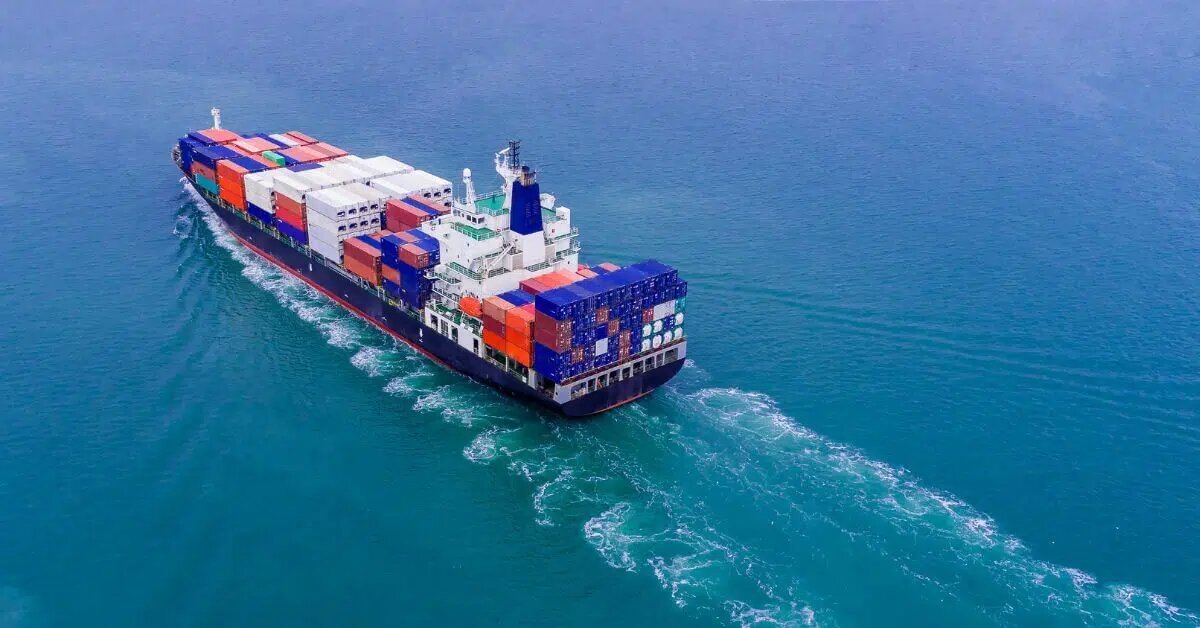
Mediterranean Shipping Company (MSC) recently officially inaugurated the Alpaca service, which connects Peru with Asia, at the facilities of the concessionaire of the Multipurpose North Terminal of the Port of Callao. In this regard, the CEO of APM Terminals Callao, Carlos Arias, stated that international shipping lines would be interested in establishing fast routes for moving goods to the Asian market.
“Following the announcement by the shipping line MSC to establish a fast route between Peru and Asia, the other shipping lines are looking at each other to see who takes the next step. These are the rules of competition,” Arias told Agencia Andina.
Furthermore, the CEO of the Peruvian subsidiary of the port operator based in the Netherlands pointed out that “you always have to be looking at the competitors and try to be better than them.”
It is worth mentioning that MSC’s Alpaca service establishes a fast route between Peru and Asia with a transit time of 23 days. It is expected to compete with Chancay and its loop with Shanghai, China.
In this regard, Arias commented that the presence of the Port of Chancay has introduced that factor into the Peruvian port system. “This is a market in which we all compete,” he emphasized.
In this way, the CEO of APM Terminals Callao commented that this type of competition is good, “but unlike the Port of Chancay, we have the Jorge Chávez International Airport nearby,” he underlined.
“Every improvement generates well-being for Peruvians. We are here to produce increasingly competitive products, which generate more opportunities and wealth for Peru,” the executive added.
Arias explained that through these types of routes, technological products and various high-value goods are brought in, and furthermore, Peruvian agricultural products, such as blueberries, are placed in international markets using the same routes.
Port Projects
Regarding the port projects that are sought to be developed in Peru, which include new initiatives classified as megaports, the CEO emphasized that the country already has enough large ports.
“Instead of new megaports, it would be more convenient to build small ports that rely on large ports to reach the world,” Arias highlighted.
The executive commented that, in this scenario and with the port system that Peru already has, if a Chinese exporter wants to enter the South American market, the fastest way to do so is through Callao.
It is worth remembering that the Corío megaport, a project that could surpass Chancay in magnitude, received in August what in Peru is called Temporary Port Technical Feasibility. Furthermore, the inter-institutional agreement for its development was recently signed.
In addition to the above, the declaration of feasibility was granted to the investment project called “Improvement of the port services of the Port Terminal of Ilo”, as well as the official delivery of the temporary technical feasibility for the initiative linked to the Multipurpose Port Terminal of Eten.