Port congestion is stripping almost 11% of the global container fleet out of service, tightening capacity across liner shipping and adding fresh support to freight and charter markets, according to Linerlytica’s Market Pulse for week 26.
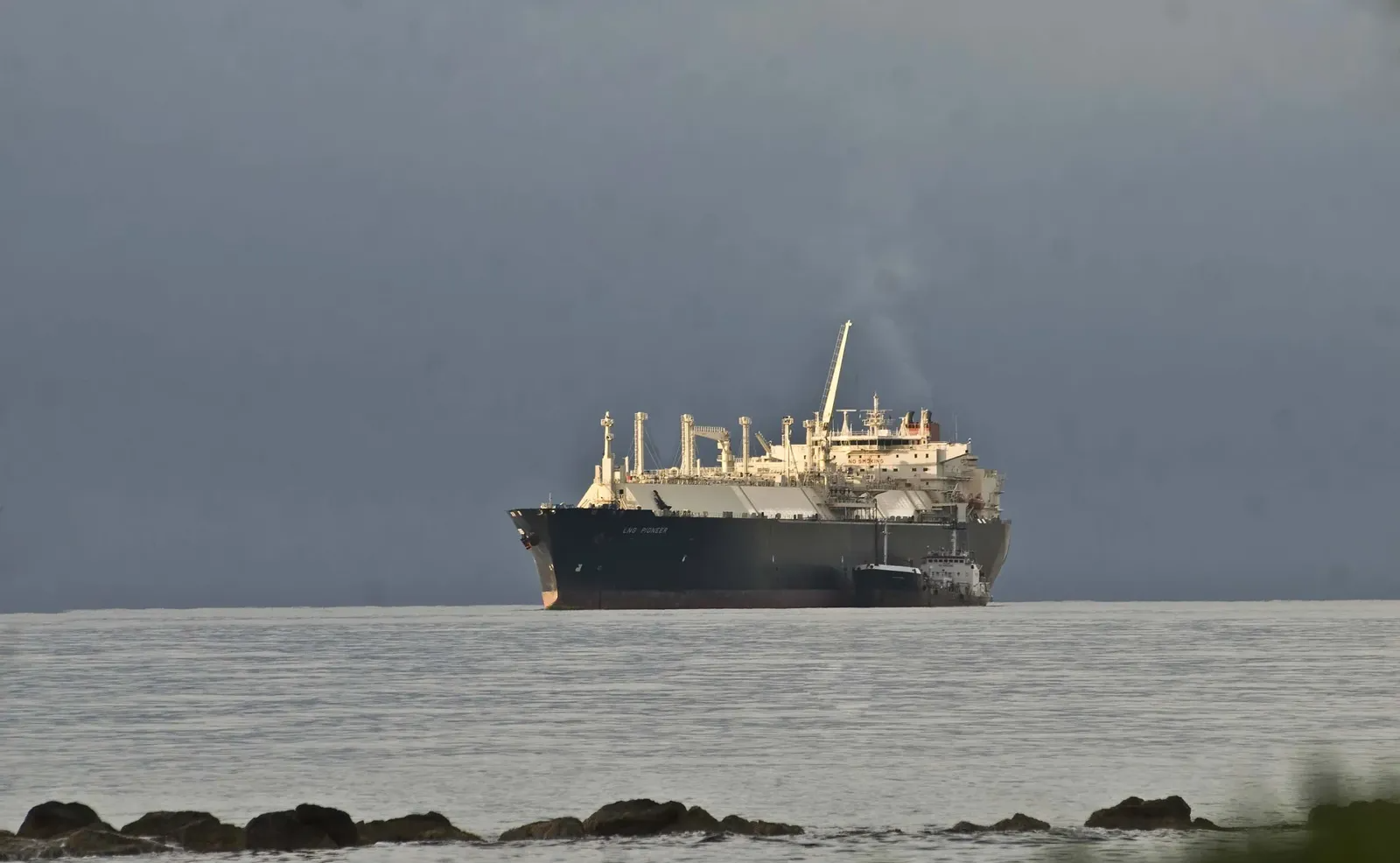
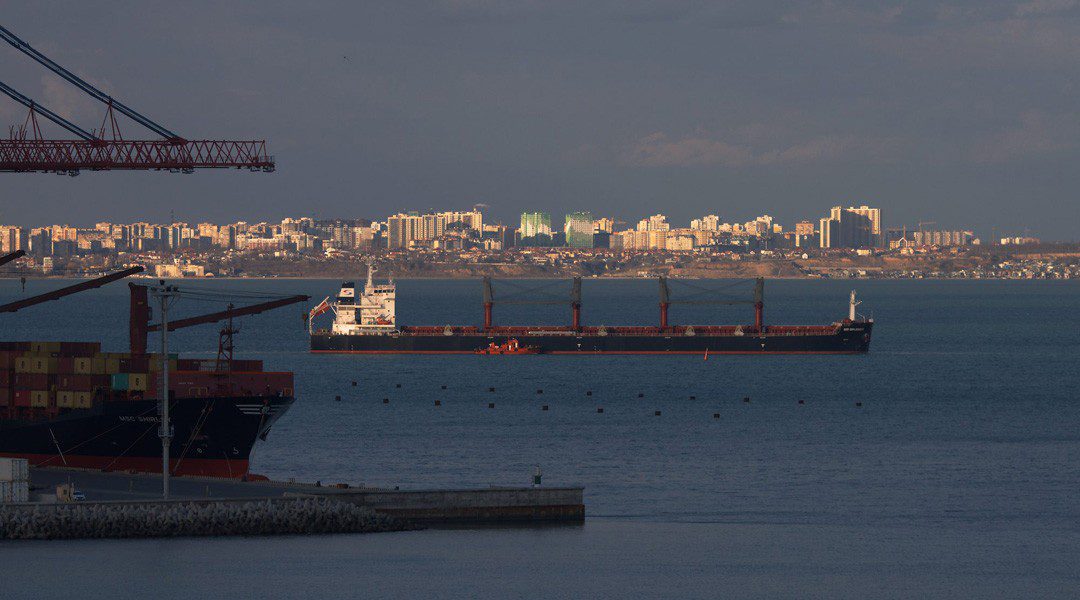
The container shipping analyst put the share of the fleet waiting at anchorages at 10.9%, the highest level since 2022. The figure marks a sharp return of congestion as a central constraint on effective vessel supply, even as new tonnage continues to enter the market.
Linerlytica put global TEU-mile demand growth at 7.3%, while vessel supply growth stood at 5.4%. That has pushed the demand-supply gap to its widest level since December 2024. The squeeze has helped lift freight and charter rates, with the Shanghai Containerized Freight Index moving above 3,200 points.
Linerlytica expects positive rate momentum to continue for at least another month. Operational strain is visible across several regions. Kuehne+Nagel listed delays at ports including Conakry, Mombasa, Beira and Shanghai, while Hapag-Lloyd cited berth and yard constraints at terminals in Latin America. Hapag-Lloyd also said commercial operations at Venezuela’s La Guaira would be diverted to Puerto Cabello after earthquakes affected port activity.
Linerlytica said vessel evacuations from the Persian Gulf were continuing, with 26 containerships totalling 195,000 TEU having withdrawn from the Gulf. More than 60 ships were employed on intra-Gulf services, while the idle fleet had fallen by more than 40 ships over the previous two weeks.
More than 780 ships across 60 services remained diverted from the Suez route to the Cape route, representing 11.3m TEU of capacity. A full return of those services to the Suez route would release more than 120 ships, equal to 1.7m TEU, or about 5% of global fleet capacity.
Linerlytica is operated by Liner Analytics Pte Ltd as a container shipping market intelligence provider. The company says its platform tracks more than 6,800 containerships with combined capacity of 31.3m TEU and collects more than 400,000 records daily across liner services.